Carbon Molecular Sieve for Nitrogen Generation: Applications in PSA Nitrogen Generators, Food Packaging, and Industrial Gas Systems
Overview
- Reliable, cost-effective nitrogen supply is essential across countless industries — from food preservation to electronics manufacturing to chemical processing. While cylinder or liquid nitrogen delivery has long been the standard, on-site nitrogen generation using carbon molecular sieve (CMS) in Pressure Swing Adsorption (PSA) systems has become the preferred approach for many facilities, offering greater efficiency, lower long-term costs, and independence from delivery schedules.
This case analysis covers three core application areas for carbon molecular sieve: PSA nitrogen generation systems, food and beverage packaging, and broader industrial gas applications — along with the sieve specifications and system design factors that matter for each.
Key Takeaways
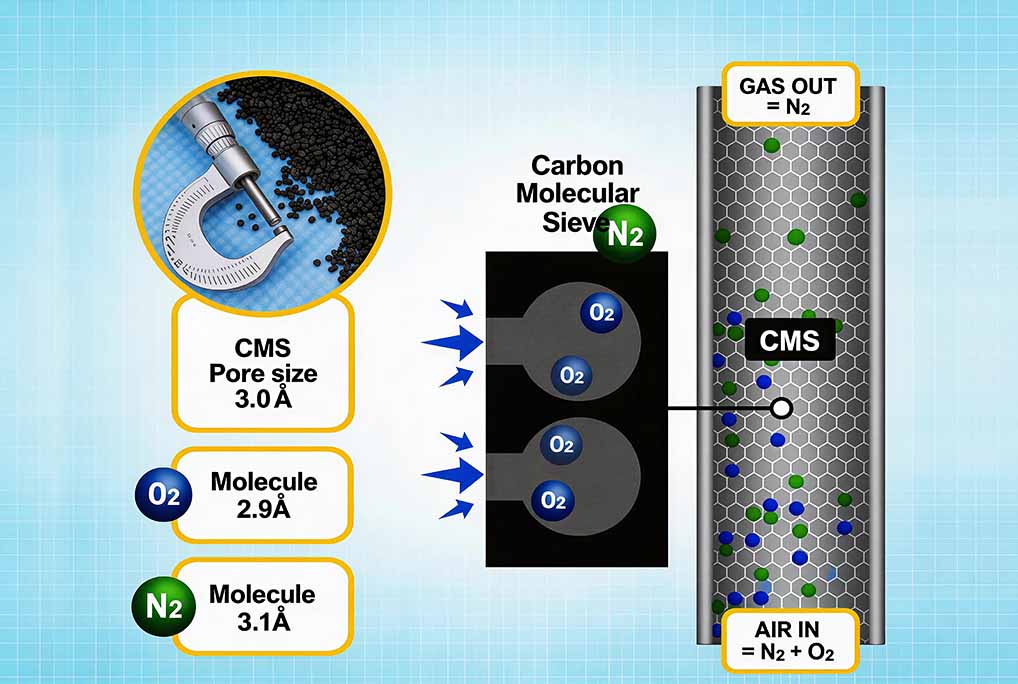
- Kinetic Separation: CMS separates air based on diffusion speed—oxygen diffuses into the micropores faster than nitrogen, allowing continuous on-site PSA nitrogen generation.
- Wide Purity Range: Capable of producing nitrogen purities ranging from 95% for simple blanketing to 99.999% for high-demand electronics manufacturing.
- Industrial Independence: Eliminates the logistics, boil-off losses, and price volatility associated with cylinder or liquid merchant nitrogen deliveries.
Application 1: PSA Nitrogen Generation Systems
Process Context
PSA nitrogen generators separate nitrogen from compressed air on-site, eliminating the need for cylinder deliveries, evaporative losses from liquid nitrogen storage, and exposure to price volatility in merchant nitrogen supply.
How Carbon Molecular Sieve Works in This Application
Carbon molecular sieve separates oxygen and nitrogen based on the kinetic difference in diffusion rates between the two molecules, rather than the equilibrium adsorption mechanism used by zeolite sieves. Oxygen molecules, being slightly smaller, diffuse into the CMS micropores considerably faster than nitrogen, so during the adsorption phase oxygen is preferentially captured while nitrogen passes through as product gas. When the bed approaches saturation, pressure is reduced to desorb the captured oxygen, regenerating the sieve for the next cycle. Two or more beds alternate between adsorption and regeneration to provide continuous nitrogen output — see our Carbon Molecular Sieve Guide for the full PSA cycle breakdown.
Molecular Sieve Specification for This Application
- Type: Standard CMS grades for 95-99.5% nitrogen purity, covering most industrial applications; high-purity grades for 99.9-99.999% requirements
- Key requirement: Uniform micropore distribution for consistent separation performance, high mechanical strength to resist attrition over thousands of cycles, and good regeneration characteristics for stable long-term output
- Particle size: Typically 0.8-2.0mm depending on system design, cycle time, and pressure drop requirements
Scale Considerations
PSA nitrogen systems range from small laboratory-scale units producing a few cubic meters per hour to large industrial systems producing thousands of cubic meters per hour. CMS requirements scale accordingly — as a general reference, producing 100 Nm³/h of 99.5% nitrogen typically requires several hundred kilograms of sieve, though exact sizing depends on system design and target purity.
Application 2: Food and Beverage Packaging
Process Context
Oxygen is the primary driver of food spoilage — supporting microbial growth, oxidative rancidity, and loss of freshness. Displacing oxygen with nitrogen in packaging extends shelf life without preservatives or refrigeration alone.
How Carbon Molecular Sieve Works in This Application
On-site CMS-based nitrogen generation supplies modified atmosphere packaging (MAP) lines with a continuous, reliable nitrogen stream to displace oxygen inside food packages. This is widely used for snack foods, baked goods, coffee, and other products where oxidation directly affects shelf life and quality. Beyond packaging, CMS-generated nitrogen also supports beverage dispensing (nitrogen-infused coffee and beer), nitrogen blanketing during edible oil processing to prevent oxidation, and controlled-atmosphere grain storage.
Molecular Sieve Specification for This Application
- Type: Standard CMS grades typically sufficient for food-grade nitrogen purity requirements (95-99.5%)
- Key requirement: Consistent purity to protect product quality batch after batch, with reliable supply to match continuous packaging line speeds
Application 3: Industrial Gas Systems and Broader Applications
Process Context
Beyond packaging, nitrogen serves as an inert atmosphere across a wide range of industrial processes where oxidation, combustion, or unwanted chemical reactions must be prevented.
How Carbon Molecular Sieve Works in This Application
CMS-based nitrogen generation supports tank blanketing and pipeline purging in chemical and petrochemical facilities, soldering and semiconductor wafer processing in electronics manufacturing, heat treatment atmospheres (annealing, hardening, sintering) in metallurgy, and fire prevention through nitrogen inertization in mining operations. In these applications, nitrogen typically serves a protective or safety function rather than a direct product-contact role, though purity and reliability requirements remain application-specific.
Molecular Sieve Specification for This Application
- Type: Purity requirement depends heavily on application — inerting and blanketing duties often tolerate standard-purity nitrogen (95-99%), while some electronics and pharmaceutical applications require high-purity grades (99.9%+)
- Key requirement: System design should match CMS grade and bed sizing to the specific purity and flow rate needed, rather than defaulting to the highest purity grade available
Why Carbon Molecular Sieve for Nitrogen Generation?
Carbon molecular sieve is chosen over zeolite-type sieves for nitrogen generation specifically because oxygen and nitrogen are too similar in size and polarity for equilibrium-based zeolite adsorption to separate efficiently. CMS's kinetic separation mechanism — exploiting the small but consistent diffusion rate difference between O₂ and N₂ — is what makes cost-effective on-site nitrogen generation possible in the first place. For applications requiring oxygen instead of nitrogen, a different technology is needed — see our Oxygen Generator Molecular Sieve product line, which uses zeolite-type sieves (13X and Li-LSX) suited to that complementary separation.
Recommended Products from Sorbsieve
Carbon Molecular Sieve for Nitrogen Generation (CMS) — Available in multiple particle sizes (0.8-2.0mm), delivering 95-99.999% nitrogen purity with 3-5 year typical service life.
Contact our team for bulk pricing, grade recommendation, and availability based on your target purity and flow rate requirements.
Supply Information
Sorbsieve supplies carbon molecular sieve for PSA nitrogen generation applications to industrial buyers across the Middle East and internationally.
Standard packaging options:
- 25 kg drums (suitable for trial orders and small-batch systems)
- 150 kg steel drums
- 500 kg super sacks (most popular for industrial bulk orders)
- 1,000 kg jumbo bags (standard for plant-scale orders)
Minimum order quantity: 1 ton (trial orders accepted)
Container loading: 20'GP: 18-20 tons | 40'GP: 22-24 tons | 40'HQ: 24-26 tons
Loading ports: Shanghai, Qingdao, Tianjin, Ningbo, Shenzhen
Documents provided: COA (per batch) / TDS (pre-sale) / SDS (pre-shipment) / COO / Packing List
Looking for Bulk Supply of Carbon Molecular Sieve?
Sorbsieve is a trusted bulk supplier of carbon molecular sieve for PSA nitrogen generation, serving industrial buyers across the Middle East.
We provide:
- ✅ Container-level supply (20'GP / 40'GP / 40'HQ)
- ✅ Full documentation (COA / TDS / SDS / COO)
- ✅ Multiple packaging options
- ✅ Technical support for CMS grade and system sizing
- ✅ Fast quote response for industrial inquiries
Contact our team for bulk pricing, grade confirmation, and technical consultation.
Related Products
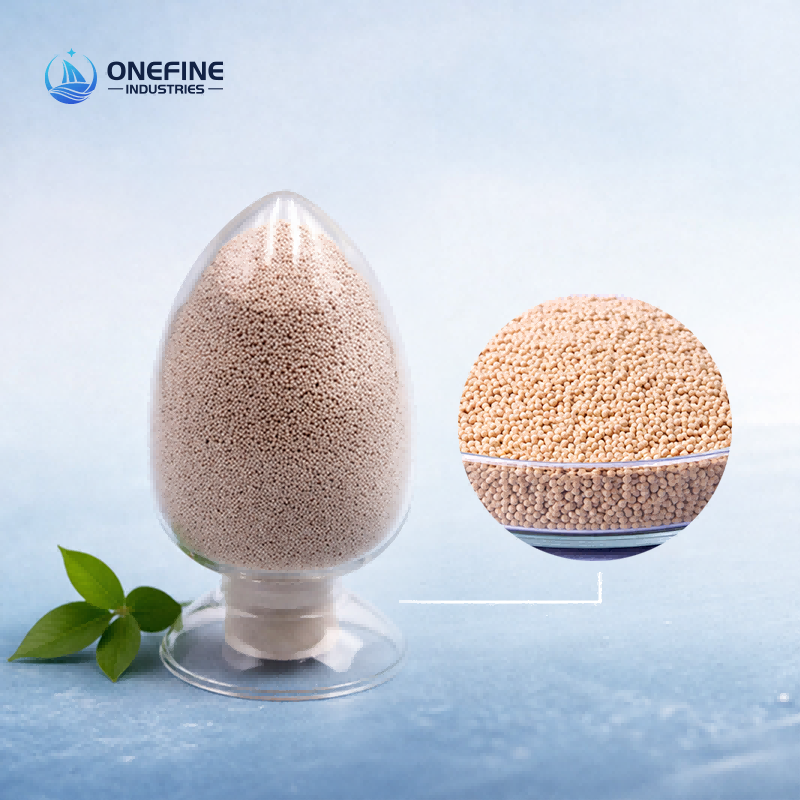
Oxygen Generator Molecular Sieve (13X & Li-LSX)
Premium oxygen generator molecular sieve for PSA/VPSA oxygen generators and medical oxygen concentrators. Available in 13X sodium type and Li-LSX lithium type — high N₂ adsorption capacity, excellent N₂/O₂ selectivity, and 3-5 year service life. Bulk supply with MOQ from 1 ton, serving industrial buyers across the Middle East.
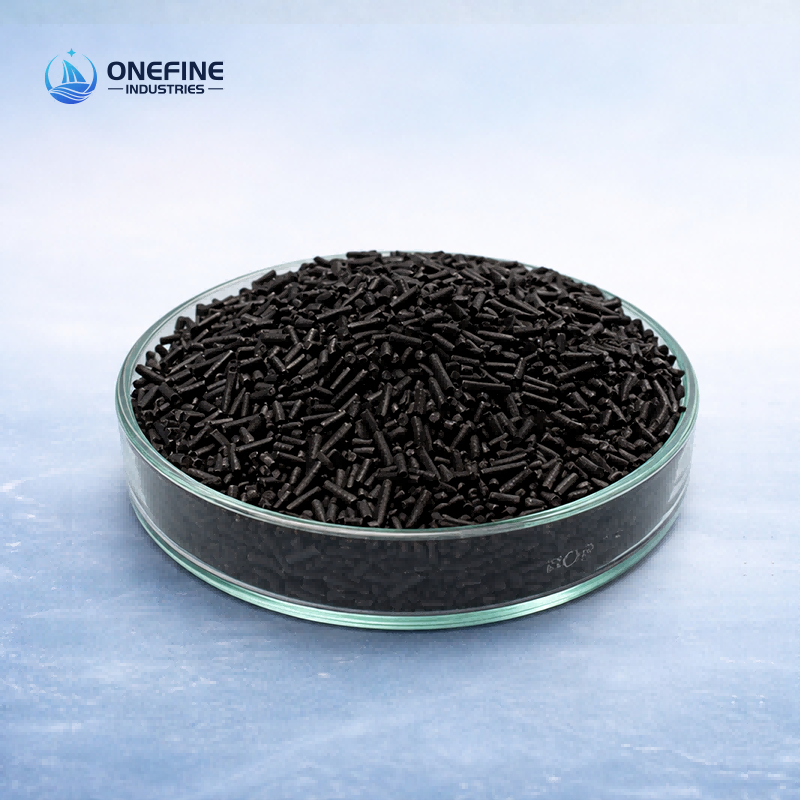
Carbon Molecular Sieve for Nitrogen Generation (CMS)
High-performance carbon molecular sieve (CMS) for PSA nitrogen generators. Uniform micropore distribution (0.3-0.5nm) ensures efficient oxygen-nitrogen separation. Delivers 95-99.999% nitrogen purity with 3-5 year service life. Bulk supply for industrial buyers worldwide.
Related Reading
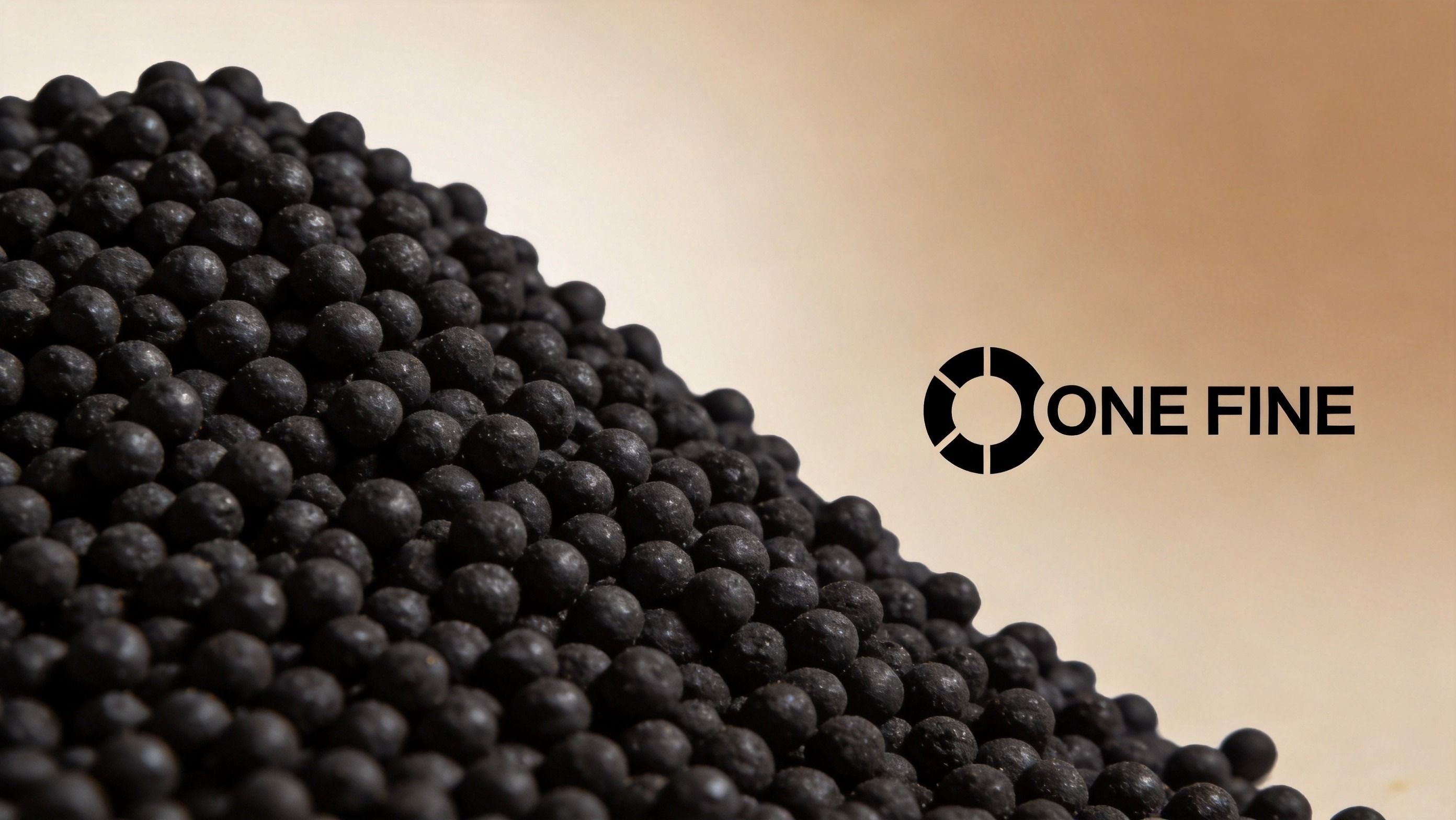
Carbon Molecular Sieve: The Ultimate Guide to PSA Nitrogen Generation
A complete guide to carbon molecular sieve technology for on-site PSA nitrogen generation. Learn how CMS works based on kinetic diffusion separation, its key benefits including 50-90% cost savings vs cylinder/liquid nitrogen, industrial applications across food & beverage, chemical, electronics, pharmaceutical and mining industries, how to select the right CMS grade, maintenance tips, and comparisons with membrane and cryogenic nitrogen generation methods.
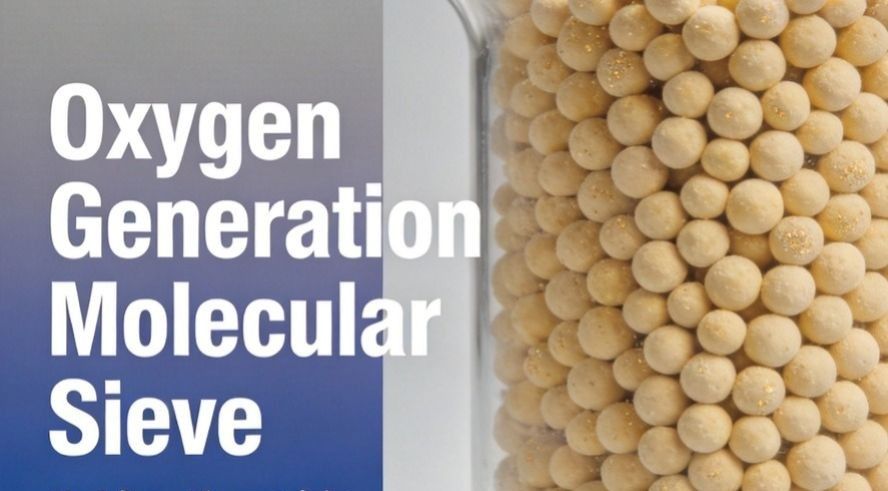
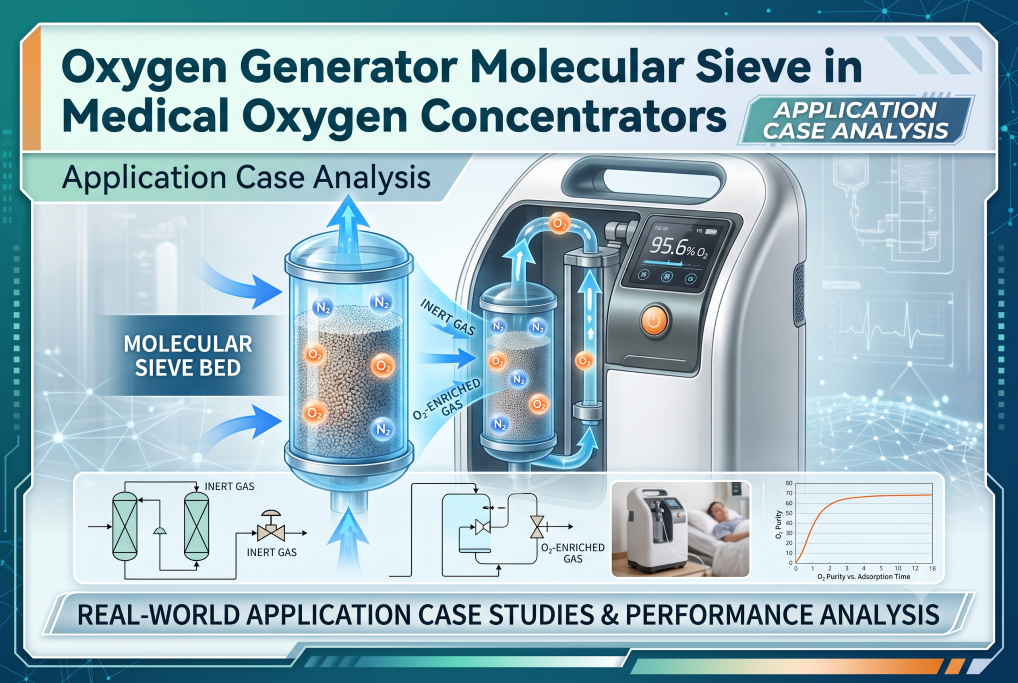
What is Oxygen Generator Molecular Sieve? Complete Guide for Oxygen Generators & Concentrators
Oxygen generator molecular sieve (13X & Li-LSX) is the core adsorbent behind PSA/VPSA oxygen production. This guide covers how it works, key types, applications, and how to choose the right one.