Molecular Sieve for Natural Gas: Applications in Dehydration, CO2 Removal, LNG Pre-Treatment, and Gas Purification
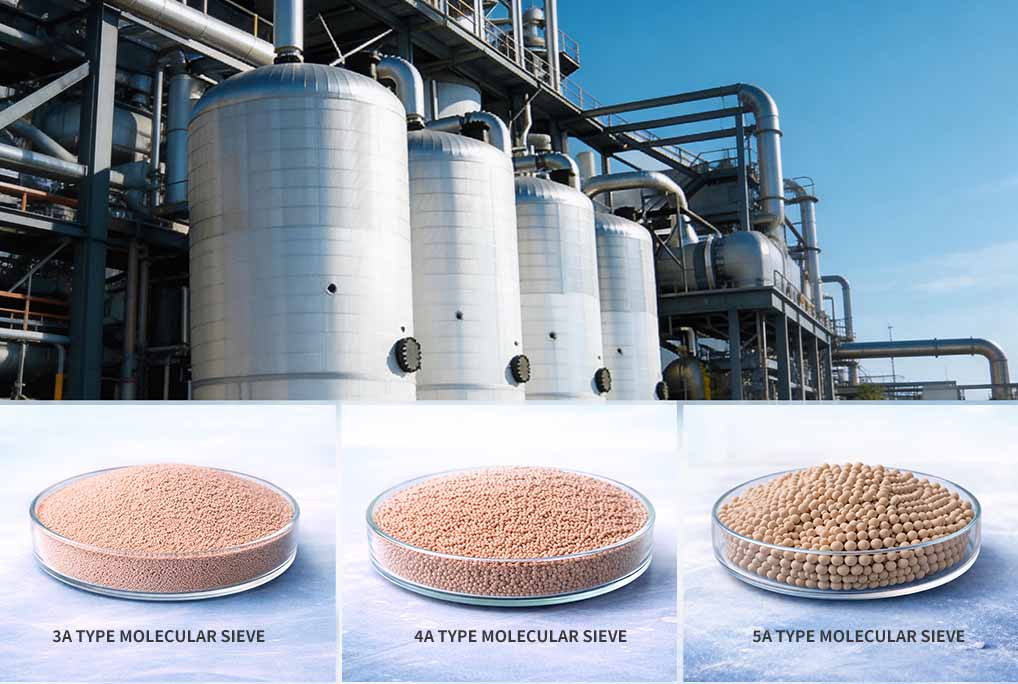
Molecular Sieve for Natural Gas Drying, Sweetening, and Gas Purification
Overview
Natural gas straight from the wellhead is never pipeline-ready. It carries water vapor, carbon dioxide, hydrogen sulfide, mercaptans, and other contaminants that cause pipeline corrosion, hydrate formation, and equipment damage — and that fall well outside the tight specifications required for LNG production. Molecular sieve is the adsorbent technology behind nearly every stage of this cleanup process, from bulk dehydration to the ppm-level purification required before cryogenic liquefaction.
This case analysis covers four core natural gas applications for molecular sieve: dehydration, CO2/H2S removal (sweetening), LNG pre-treatment, and broader gas purification — along with which sieve type fits each stage and why.
Key Takeaways
- General Dehydration: 4A molecular sieve is the standard for natural gas TSA drying, reliably achieving dew points down to -40°C or lower.
- Gas Sweetening: 5A molecular sieves handle the simultaneous removal of water, CO₂, and H₂S in a single adsorption bed, reducing overall footprint.
- Cryogenic Pre-Treatment: 13X molecular sieves achieve the extreme ppm-level removal of CO₂ and water necessary to prevent freezing in LNG liquefaction trains.
Application 1: Natural Gas Dehydration (TSA Systems)
Process Context
Untreated natural gas carries water vapor that, under pipeline pressure and temperature conditions, can form solid gas hydrates — ice-like structures that block valves, instrumentation, and pipeline sections. Pipeline specifications typically require dew points of -40°C or lower, well beyond what glycol dehydration alone can reliably achieve for demanding applications.
How Molecular Sieve Works in This Application
Wet natural gas flows through a fixed bed of molecular sieve. Water molecules, being smaller than the sieve's pore opening, are selectively adsorbed onto the internal surface, while methane and heavier hydrocarbons pass through largely unaffected. A Temperature Swing Adsorption (TSA) system with two or more parallel beds allows continuous operation: one bed dehydrates gas while the other regenerates using a heated purge gas stream.
Molecular Sieve Specification for This Application
- Type: 4A molecular sieve is the standard choice for straightforward dehydration; where partial H2S removal is also needed alongside drying, 4A's broader adsorption range provides a cost-effective single-step solution
- Form: Beads, sized for the specific bed depth and flow rate of the system
- Operating temperature: Adsorption near ambient; regeneration typically 200-320°C
- Achievable dew point: Down to -40°C to -70°C, depending on system design and sieve type
Scale Considerations
Natural gas processing plants range from small gathering-line dehydration skids to large-scale gas processing facilities handling hundreds of millions of cubic feet per day. Molecular sieve requirements scale accordingly, from single-drum trial quantities to multi-ton, container-level supply for major installations.
Application 2: CO2 Removal & Gas Sweetening
Process Context
Raw natural gas frequently contains carbon dioxide and hydrogen sulfide — collectively known as "acid gas." Beyond pipeline corrosion risk, high CO2 content reduces the gas's heating value, while H2S is toxic and must be reduced to strict specifications (often single-digit ppm) before the gas can be transported or sold.
How Molecular Sieve Works in This Application
5A molecular sieve is well suited to simultaneous removal of water, CO2, and H2S in a single adsorption bed, reducing the equipment footprint compared to running separate treatment stages. For gas streams containing larger sulfur compounds like mercaptans, 13X molecular sieves larger pore size captures a wider range of contaminants that smaller-pore sieves cannot adsorb — see our What is 13X Molecular Sieve guide for the full mercaptan-removal mechanism.
Molecular Sieve Specification for This Application
- Type: 5A for combined dehydration/CO2/H2S removal; 13X where mercaptans or heavier sulfur compounds are present
- Key requirement: High CO2 and H2S adsorption capacity, resistance to sulfur-related fouling over repeated cycles
- Regeneration: TSA (200-320°C) for most sweetening applications
Application 3: LNG Pre-Treatment
Process Context
LNG production imposes the strictest purification requirements of any natural gas application. Before gas can be cooled to cryogenic temperatures (-162°C) for liquefaction, water and CO2 must be removed to well below the levels required for pipeline transport — even trace residual CO2 can freeze solid inside cryogenic heat exchangers, causing blockages and forcing costly plant shutdowns.
How Molecular Sieve Works in This Application
LNG pre-treatment typically uses 13X molecular sieve for its high water and CO2 capacity and its ability to achieve the deep purification levels cryogenic processing demands. In some system designs, 13X is layered with other adsorbents to protect against a broader range of trace contaminants before the gas enters the liquefaction train — a similar layered-bed principle to what's used in some PSA oxygen systems, as covered in our 4A vs 13X comparison guide.
Molecular Sieve Specification for This Application
- Type: 13X molecular sieve, selected for high water/CO2 capacity and deep purification capability
- Key requirement: CO2 removal to ppm-level residual concentrations; consistent performance across the long, continuous run cycles typical of LNG trains
- Form: Beads or pellets depending on vessel design, sized for the specific pressure drop and flow requirements of the pre-treatment train
Application 4: Broader Gas Purification
Process Context
Beyond dehydration and sweetening, natural gas processing facilities often require additional purification steps — removing trace hydrocarbons, meeting specialty pipeline specifications, or conditioning gas for downstream chemical processing.
How Molecular Sieve Works in This Application
Depending on the specific contaminant profile, 4A, 5A, or 13X molecular sieve can be selected or combined in multi-bed configurations to achieve the required purity. The general principle: choose the smallest pore size that still adsorbs the target contaminant, reserving 13X's broader (and costlier) capacity for streams that genuinely require it.
Scale and Supply Considerations
Gas purification skids range from small modular units to large centralized processing trains. Sorbsieve supplies molecular sieve at container-level quantities for major installations, with smaller trial-order quantities available for pilot systems and new plant commissioning.
Why Molecular Sieve for Natural Gas Applications?
Selecting the right molecular sieve type for natural gas processing comes down to matching pore size and capacity to the contaminant profile:
- 4A — general-purpose dehydration, with partial H2S capacity for moderate-sulfur streams
- 5A — simultaneous water/CO2/H2S removal in a single bed
- 13X — the widest molecular coverage, including mercaptans and larger sulfur compounds, and the deep purification required for LNG pre-treatment
Using an undersized-pore sieve for a contaminant profile it can't handle simply means the contaminant passes through untreated — matching sieve type to your actual feed gas composition is the first step in any system design.
Recommended Products from Sorbsieve
4A Molecular Sieve【★内链已在正文出现,Reference位不重复计数】
Standard general-purpose dehydration for natural gas processing. Available in beads (1.6-2.5mm, 3-5mm), MOQ 1 ton.
5A Molecular Sieve
Simultaneous dehydration, CO2, and H2S removal in a single bed for gas sweetening applications.
13X Molecular Sieve
Deep purification and mercaptan removal for LNG pre-treatment and high-sulfur gas sweetening.
Contact our team for bulk pricing, grade recommendation, and availability based on your feed gas composition and target specifications.
Supply Information
Sorbsieve supplies molecular sieve for natural gas processing applications to industrial buyers across the Middle East and internationally.
Standard packaging options:
- 25 kg drums (suitable for trial orders and small-batch systems)
- 150 kg steel drums
- 500 kg super sacks (most popular for industrial bulk orders)
- 1,000 kg jumbo bags (standard for plant-scale orders)
Minimum order quantity: 1 ton (trial orders accepted)
Container loading:
- 20'GP: 18-20 tons
- 40'GP: 22-24 tons
- 40'HQ: 24-26 tons
Loading ports: Shanghai, Qingdao, Tianjin, Ningbo, Shenzhen
Documents provided: COA (per batch) / TDS (pre-sale) / SDS (pre-shipment) / COO / Packing List
Looking for Bulk Supply of Molecular Sieve for Natural Gas Applications?
Sorbsieve is a trusted bulk supplier of 4A, 5A, and 13X molecular sieve for natural gas dehydration, sweetening, and LNG pre-treatment, serving industrial buyers across the Middle East.
We provide:
- ✅ Container-level supply (20'GP / 40'GP / 40'HQ)
- ✅ Full documentation (COA / TDS / SDS / COO)
- ✅ Multiple packaging options
- ✅ Technical support for molecular sieve type selection based on feed gas composition
- ✅ Fast quote response for industrial inquiries
Contact our team for bulk pricing, grade confirmation, and technical consultation.
Related Products
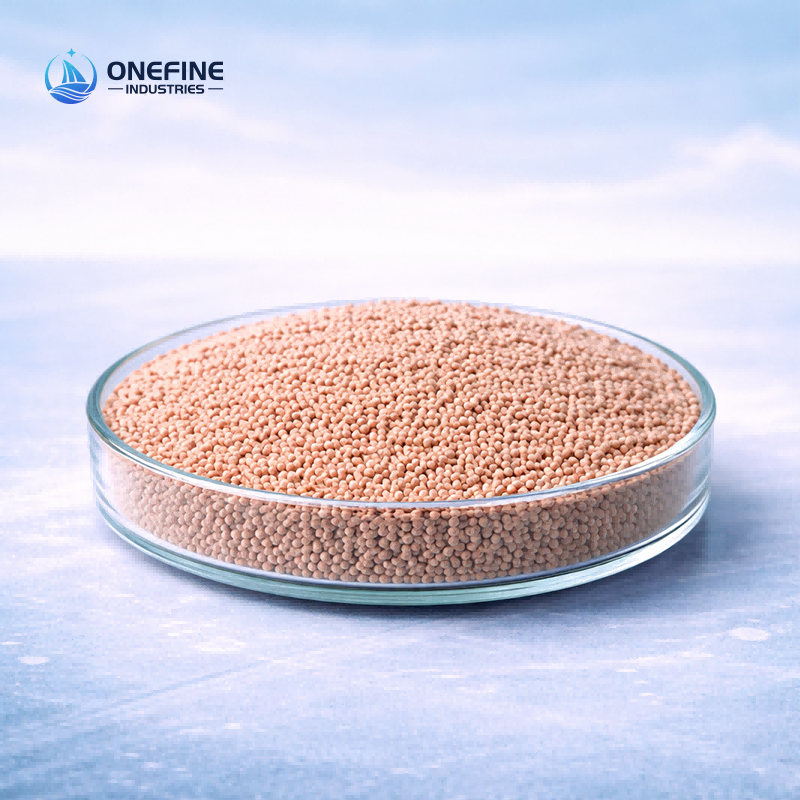
4A Molecular Sieve
General-purpose 4A molecular sieve desiccant for industrial air drying, solvent dehydration, CO2 removal, and static packaging applications. High capacity, long service life.

5A Molecular Sieve (Calcium Type)
Calcium-exchanged 5A molecular sieve for PSA oxygen enrichment, natural gas sweetening, n-isoparaffin separation, and simultaneous desulfurization & decarbonization. Bulk supply with MOQ from 1 ton, serving industrial buyers across the Middle East.
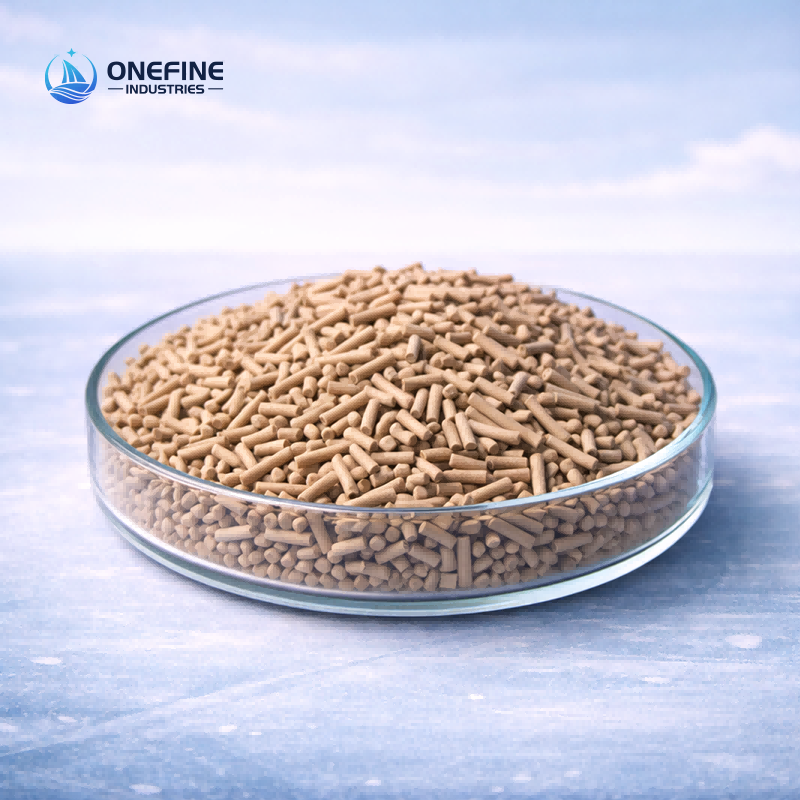
13X Molecular Sieve (Sodium X Type)
Sodium-type 13X molecular sieve with 10Å pore size for air separation pre-purification, natural gas sweetening, solvent recovery, and industrial gas drying. High adsorption capacity, industrial-grade performance.
Related Reading
What is 13X Molecular Sieve? Uses, Specifications & How It Works
Everything you need to know about 13X molecular sieves: how they work, key properties, common applications in air separation pre-purification, natural gas sweetening, solvent recovery and industrial gas drying, plus regeneration methods and comparison with other sieve types.
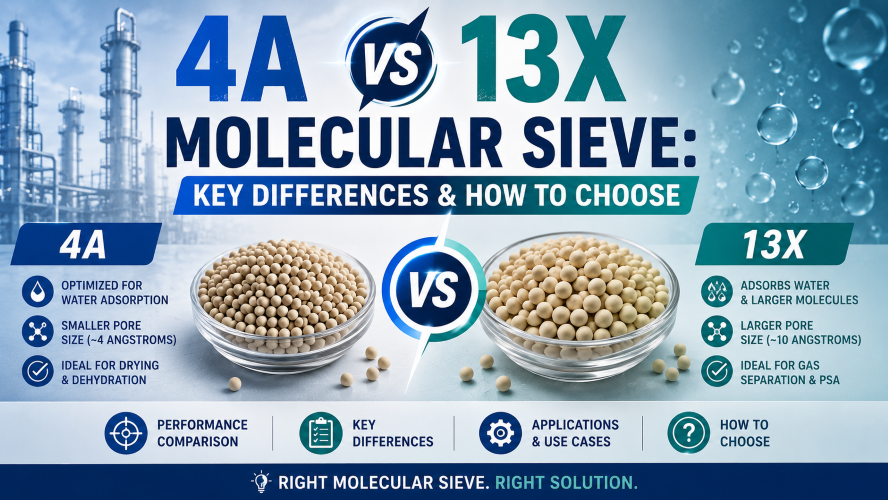
4A vs 13X Molecular Sieve: Key Differences & How to Choose
4A and 13X are two of the most widely used molecular sieve types, but they're built for different jobs. This guide breaks down the pore size, capacity, and application differences to help you choose correctly.