Oxygen Generator Molecular Sieve in Medical Oxygen Concentrators: Application Case Analysis
Overview
Medical oxygen concentrators have become essential life-saving equipment in hospitals, clinics, home care settings, and emergency medical services. At the heart of every reliable oxygen concentrator is a specialized adsorbent material: oxygen generator molecular sieve. Unlike oxygen cylinders or liquid oxygen systems that require regular refills, oxygen concentrators produce oxygen on-site continuously — as long as they have power, making them highly practical for both clinical and home use.
This case analysis examines how oxygen generator molecular sieve performs in medical oxygen concentrator applications, why sieve quality matters for patient safety, and what to consider when selecting molecular sieve for medical oxygen systems.
Key Takeaways
- Medical-Grade Reliability: Consistently delivers 93% ±3% oxygen purity via rapid PSA cycling, which is essential for patient safety in home and ward-level care.
- Li-LSX Advantage: Lithium-exchanged sieves offer superior nitrogen capacity and N₂/O₂ selectivity, allowing for significantly smaller, lighter, and more portable devices.
- Dust & Attrition Control: High mechanical crush strength minimizes fine dust generation, protecting both the pneumatic systems and the downstream patient delivery path.
Application 1: How Medical Oxygen Concentrators Work
Process Context
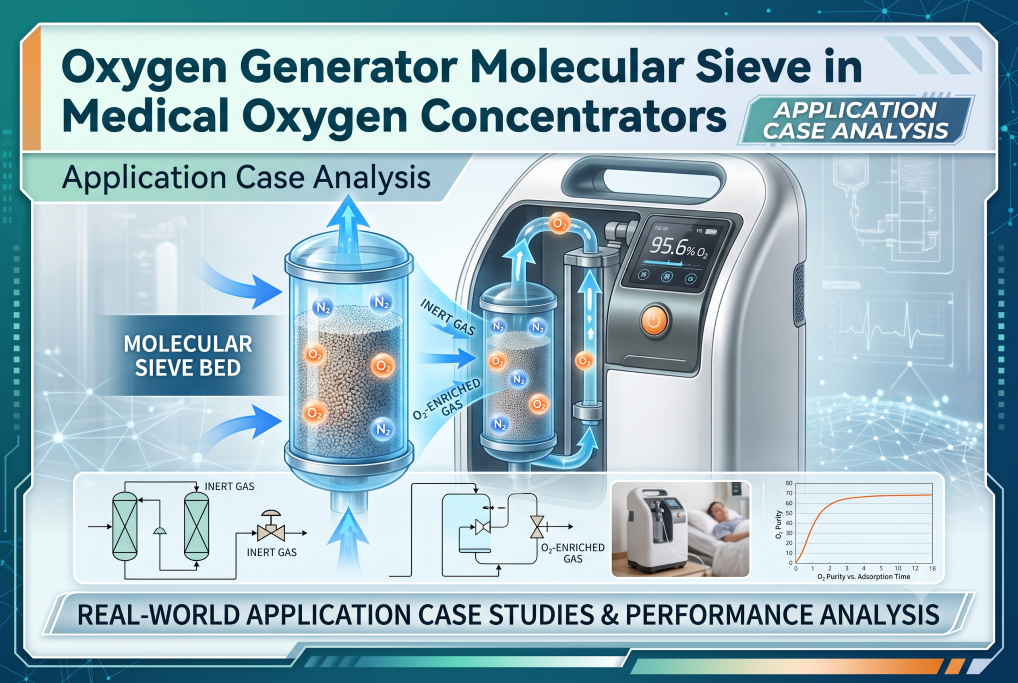
Medical oxygen concentrators rely on Pressure Swing Adsorption (PSA) technology to separate oxygen from ambient air, producing a continuous supply without the logistics of cylinder deliveries or cryogenic liquid oxygen.
How Oxygen Generator Molecular Sieve Works in This Application
Ambient air is drawn in and filtered, then compressed air flows into adsorption towers filled with oxygen generator molecular sieve. The sieve selectively adsorbs nitrogen (N₂) from the air while oxygen (O₂) passes through the bed and is delivered toward the patient. When one tower approaches saturation, the system switches to a second tower — the saturated tower depressurizes, releasing the adsorbed nitrogen back to atmosphere, and the cycle repeats. This alternating two-tower cycle enables continuous oxygen production with no interruption in supply.
The quality and performance of the oxygen generator molecular sieve directly determines the concentrator's oxygen purity, flow rate, energy efficiency, and service life — it isn't just a component, it's the core technology that determines whether a device meets medical-grade oxygen standards.
Molecular Sieve Specification for This Application
- Type: Li-LSX (lithium-exchanged, low-silica X-type) for compact, high-performance medical concentrators; 13X sodium type for larger, cost-sensitive stationary systems — see our What is Oxygen Generator Molecular Sieve guide for the full comparison
- Key requirement: Consistent oxygen purity in the 93% ±3% medical-grade range, stable performance across thousands of pressure cycles, low dust generation, and high mechanical strength to resist attrition from continuous pressure swings
- Bead size: Typically 0.4-0.8mm for fast adsorption kinetics in short-cycle medical devices
Application 2: Key Requirements for Medical-Grade Oxygen Sieve
Why Sieve Quality Matters
Because patient health depends on consistent, adequate oxygen delivery, medical-grade oxygen generator molecular sieve must meet stricter criteria than general industrial sieve:
- Consistent oxygen purity — reliably producing 90-96% oxygen (medical-grade standard) across varying ambient conditions
- Stable performance across cycles — maintaining purity through thousands of pressure swing cycles over the device's service life
- Low dust generation — fine particles could be harmful if carried downstream toward the patient
- High nitrogen adsorption capacity — enables smaller, more compact device designs, particularly important for portable units
- Fast adsorption/desorption kinetics — supports the rapid PSA cycling (typically 10-60 seconds per tower) used in medical concentrators
- Mechanical strength — resists crushing and attrition from continuous pressure changes over years of operation
Using substandard sieve in a medical device risks purity falling below therapeutic thresholds, inconsistent oxygen delivery, shorter service life, increased maintenance frequency, higher energy consumption, and dust generation in the oxygen delivery path — for equipment where patient safety is on the line, sieve quality isn't optional.
Application 3: Comparing Li-LSX and 13X for Medical Devices
Li-LSX (Lithium Low-Silica X) Molecular Sieve
Li-LSX is the premium choice for modern medical oxygen concentrators. The lithium-exchanged form of X-type zeolite offers meaningfully higher nitrogen adsorption capacity and N₂/O₂ selectivity compared to sodium-based sieves, translating to a lower air-to-oxygen ratio and higher recovery — which is what enables smaller, lighter, more portable devices. Typical applications include home oxygen concentrators, portable oxygen concentrators (POCs), and hospital bedside oxygen systems where compact size and efficiency matter most.
13X Sodium Type Molecular Sieve
13X molecular sieve (sodium form) is also used in some medical oxygen concentrators, particularly larger stationary systems and cost-sensitive equipment such as hospital central oxygen supply systems, where device size is less constrained and initial material cost is a bigger factor than compactness.
Application 4: Representative Deployment Scenario — Hospital Ward-Level Oxygen Supply
Process Context
A common upgrade path for hospitals is moving from a single centralized liquid oxygen supply — with its distribution losses, delivery logistics, and central-system maintenance burden — toward distributed ward-level oxygen concentrators as a supplementary and backup oxygen source for departments like respiratory medicine, ICU, emergency, and general wards.
Typical System Requirements
- Oxygen purity: 93% ±3%, meeting medical oxygen standards
- Continuous 24/7 operation with low noise suitable for ward environments
- Compact footprint fitting standard ward utility rooms
- Alarm systems for purity drop, power failure, and pressure faults
- Long service life, typically targeted at 20,000-30,000 hours
Why Li-LSX Molecular Sieve Fits This Application
For ward-level oxygen concentrators, premium Li-LSX oxygen generator molecular sieve is typically selected because its superior nitrogen selectivity allows smaller sieve beds to meet target flow rates, its adsorption efficiency reduces compressor load and operating costs, and its mechanical strength and cyclic stability support the long service-life expectations of hospital equipment. Low dust generation from medical-grade sieve beads also protects downstream filters and helps ensure clean oxygen delivery.
System Configuration
A typical ward-level unit includes: an intake air filter, an oil-free compressor (preferred for medical use), a heat exchanger/cooler, dual adsorption towers filled with oxygen generator molecular sieve, a product tank to buffer oxygen for stable delivery, a purity sensor for real-time monitoring, and a control system for automatic cycling and alarm management.
Why Oxygen Generator Molecular Sieve Quality Makes the Difference
Consistent medical-grade purity — Premium sieve maintains stable nitrogen adsorption across varying temperature and humidity, continuous 24/7 cycling, and different flow rate demands — reliability that directly affects patient care.
Lower total cost of ownership — High-quality sieve with excellent mechanical strength resists attrition, maintains adsorption capacity longer, and reduces replacement frequency — often delivering better lifetime value despite a higher initial cost.
Energy efficiency — Better sieve reduces the air-to-oxygen ratio and compressor workload, lowering power consumption per liter of oxygen delivered — a meaningful saving for facilities running units continuously.
Patient safety — Medical-grade sieve produces minimal dust, maintains consistent purity without unexpected drops, and supports compliance with medical device standards.
Other Medical Applications for Oxygen Generator Molecular Sieve
- Home oxygen therapy — stationary concentrators (5L, 8L, 10L) for patients with COPD, asthma, pulmonary fibrosis, and other respiratory conditions requiring long-term daily therapy
- Portable oxygen concentrators (POCs) — lightweight, battery-operated units using high-efficiency Li-LSX sieve for compact design, supporting patient mobility and travel
- Emergency medical services (EMS) — ambulance-mounted concentrators, emergency room supply, and field hospital / disaster response units
- Veterinary medicine — oxygen therapy in animal hospitals and clinics
- Dental and minor surgery — sedation oxygen supply for dental operating rooms and minor procedures
Key Factors When Selecting Molecular Sieve for Medical Oxygen Concentrators
- Purity performance — What oxygen purity does it deliver at design flow rate, and how stable is that purity across operating conditions? Does it meet the 93% ±3% medical standard?
- Adsorption capacity — Higher nitrogen capacity per unit volume means smaller sieve beds and more compact devices
- N₂/O₂ selectivity — Higher selectivity means higher oxygen recovery and lower energy use — see our PSA oxygen sizing guide for how this translates into system sizing
- Mechanical strength — Bead crushing strength and attrition rate directly affect dust generation, which is critical to control in medical applications
- Cyclic stability — How much performance degrades after thousands of cycles, and what service life can realistically be expected
- Documentation — Consistent material specifications and full technical documentation (TDS/SDS/COA) from the supplier
Air Pretreatment: Protecting Oxygen Generator Molecular Sieve
Even the best oxygen generator molecular sieve requires proper air pretreatment to achieve maximum service life in medical concentrators. Common contaminants that can damage the sieve bed include oil and oil vapor from air compressors (oil-free compressors are preferred for medical use), water and humidity that can reduce adsorption capacity and cause caking, dust and particulates that can clog pores and increase pressure drop, and chemical contaminants from ambient air pollution.
Recommended pretreatment for medical concentrators typically includes an intake air filter, HEPA filtration for fine particle removal, an oil-free compressor, an intercooler/aftercooler to reduce air temperature and moisture, and a regular filter replacement schedule. Proper pretreatment protects the sieve bed and ensures the device delivers clean, medical-grade oxygen throughout its service life.
The Growing Role of Molecular Sieve in Healthcare
Medical oxygen concentrators are becoming an increasingly common oxygen delivery method in both institutional and home settings, driven by an aging global population with higher respiratory disease prevalence, a broader shift toward home healthcare, ongoing advancements in PSA technology and sieve performance, cost containment pressures in healthcare systems, and improved portability making mobile oxygen therapy practical. As this trend continues, demand for high-performance, reliable oxygen generator molecular sieve will keep growing alongside it.
Recommended Products from Sorbsieve
Oxygen Generator Molecular Sieve (13X & Li-LSX) — Our full product line for PSA/VPSA oxygen generators and medical oxygen concentrators, available in bead sizes from 0.4mm to 2.5mm depending on system design.
13X Molecular Sieve — For larger, cost-sensitive stationary systems and industrial-scale oxygen generation.
Contact our team for bulk pricing, grade recommendation, and availability based on your target purity, flow rate, and device design.
Supply Information
Sorbsieve supplies oxygen generator molecular sieve for medical and industrial oxygen concentrator applications to buyers across the Middle East and internationally.
Standard packaging options:
- 25 kg drums (suitable for trial orders and small-batch systems)
- 150 kg steel drums
- 500 kg super sacks
- 1,000 kg jumbo bags (standard for plant-scale orders)
Minimum order quantity: 1 ton (trial orders accepted)
Container loading: 20'GP: 18-20 tons | 40'GP: 22-24 tons | 40'HQ: 24-26 tons
Loading ports: Shanghai, Qingdao, Tianjin, Ningbo, Shenzhen
Documents provided: COA (per batch) / TDS (pre-sale) / SDS (pre-shipment) / COO / Packing List
Looking for Bulk Supply of Oxygen Generator Molecular Sieve?
Sorbsieve is a trusted bulk supplier of oxygen generator molecular sieve (13X & Li-LSX) for medical and industrial oxygen concentrator applications, serving buyers across the Middle East.
We provide:
- ✅ Container-level supply (20'GP / 40'GP / 40'HQ)
- ✅ Full documentation (COA / TDS / SDS / COO)
- ✅ Multiple packaging options
- ✅ Technical support for sieve type and bead size selection
- ✅ Fast quote response for industrial inquiries
Contact our team for bulk pricing, grade confirmation, and technical consultation.
Related Products
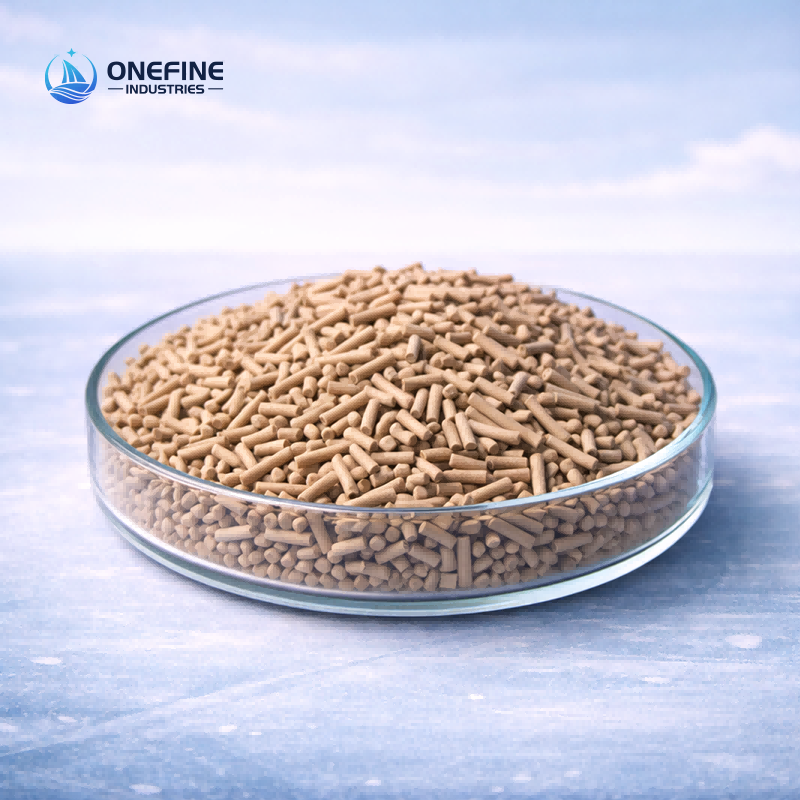
13X Molecular Sieve (Sodium X Type)
Sodium-type 13X molecular sieve with 10Å pore size for air separation pre-purification, natural gas sweetening, solvent recovery, and industrial gas drying. High adsorption capacity, industrial-grade performance.
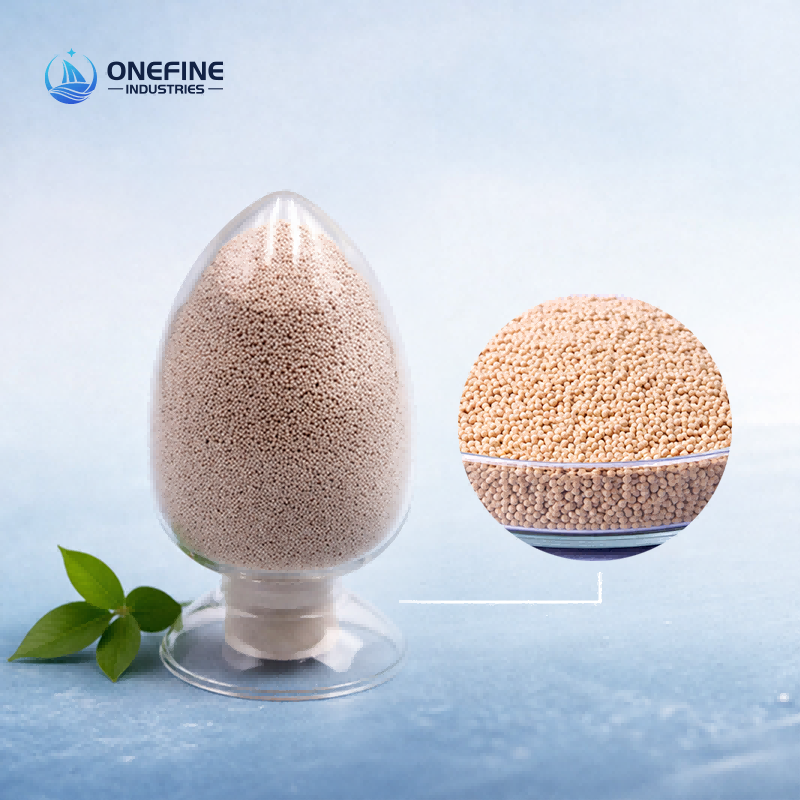
Oxygen Generator Molecular Sieve (13X & Li-LSX)
Premium oxygen generator molecular sieve for PSA/VPSA oxygen generators and medical oxygen concentrators. Available in 13X sodium type and Li-LSX lithium type — high N₂ adsorption capacity, excellent N₂/O₂ selectivity, and 3-5 year service life. Bulk supply with MOQ from 1 ton, serving industrial buyers across the Middle East.
Related Reading
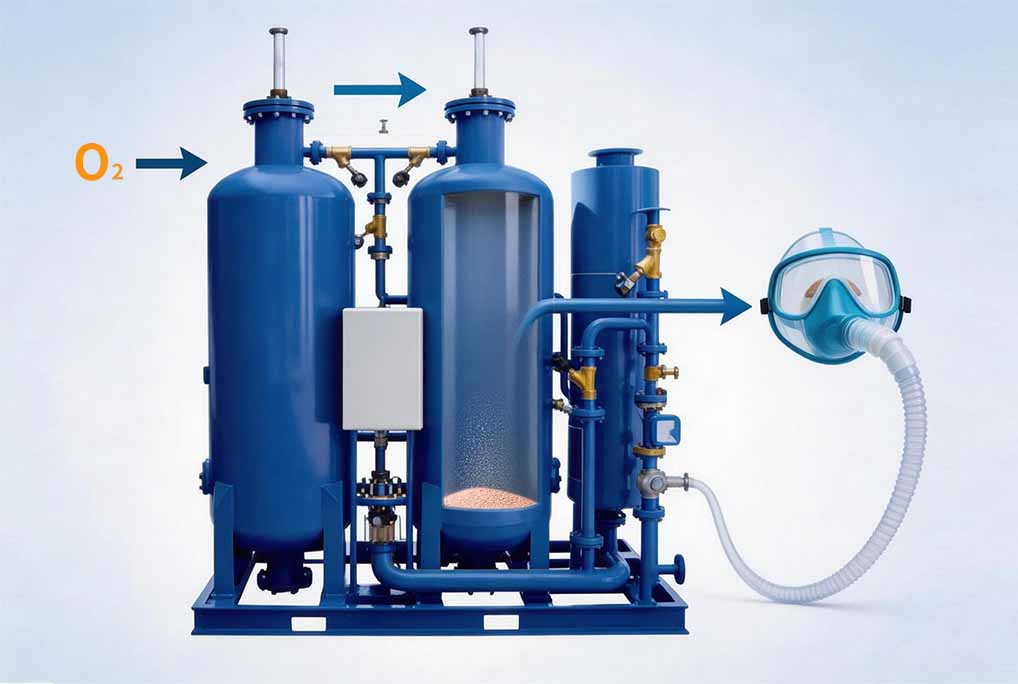
How Much Molecular Sieve Do You Need for PSA Oxygen Plant?
Learn how to estimate molecular sieve quantity for PSA oxygen plants based on flow rate, purity, pressure, and adsorbent type. Includes practical ranges and a real-world sizing example.
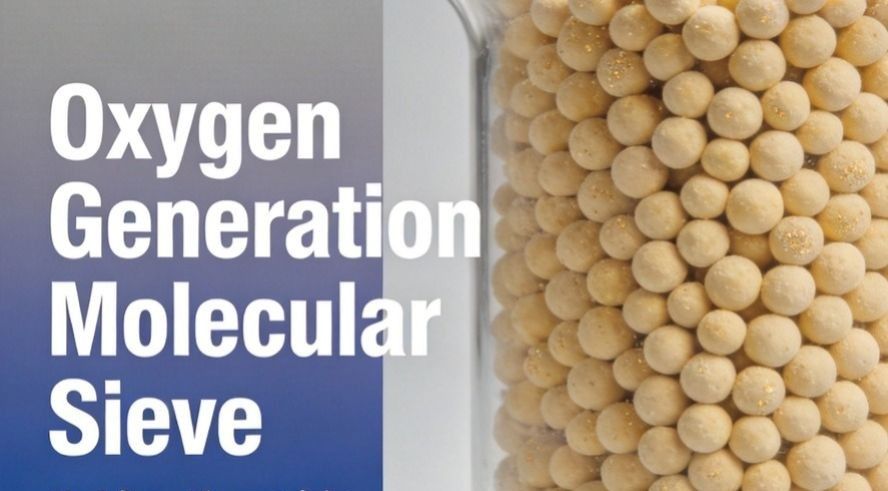
What is Oxygen Generator Molecular Sieve? Complete Guide for Oxygen Generators & Concentrators
Oxygen generator molecular sieve (13X & Li-LSX) is the core adsorbent behind PSA/VPSA oxygen production. This guide covers how it works, key types, applications, and how to choose the right one.