What is Oxygen Generator Molecular Sieve? Complete Guide for Oxygen Generators & Concentrators
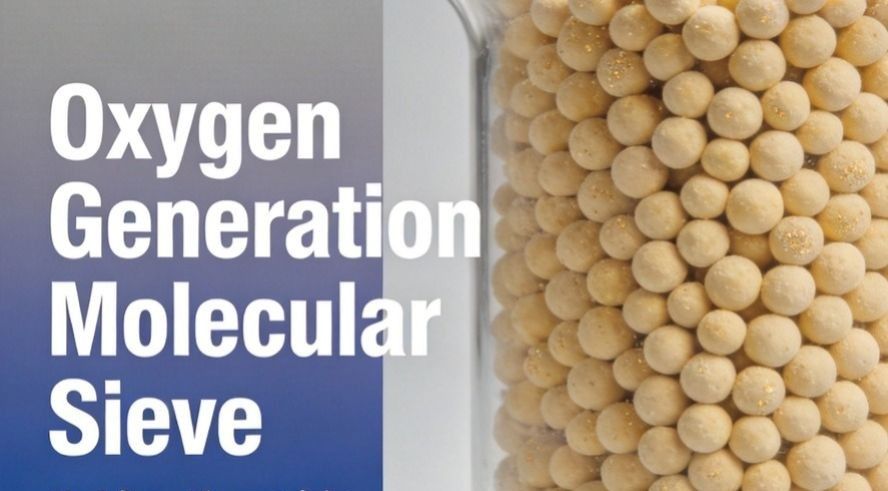
If you work with PSA oxygen generators, medical oxygen concentrators, or any system that relies on on-site oxygen production, you've likely come across oxygen generator molecular sieve — the core adsorbent technology behind modern oxygen generation. From large industrial VPSA plants to compact home oxygen concentrators, this specialized zeolite makes it possible to separate oxygen from air without any chemical reaction.
In this guide, we'll cover what oxygen generator molecular sieve is, how it works, the different types available, key specifications, common applications, and how to choose the right sieve for your system.
What is an Oxygen Generator Molecular Sieve?
Key Takeaways:
- How it Works: Separates nitrogen from air via Pressure Swing Adsorption (PSA) or VPSA without any chemical reactions.
- 13X vs Li-LSX: 13X is the standard for industrial applications, while Li-LSX offers higher nitrogen capacity (≥16% wt) for medical use.
- Lifespan Factors: Removing oil, water, and dust from inlet air is critical to achieving the standard 3-5 year service life.
An oxygen generator molecular sieve (also called oxygen concentrator sieve) is a crystalline aluminosilicate adsorbent designed to separate nitrogen from air to produce concentrated oxygen. Belonging to the X-type (faujasite) zeolite family, it has uniform micropores that selectively adsorb nitrogen while allowing oxygen to pass through.
Oxygen generator sieves are available in two main formulations: 13X sodium type and Li-LSX lithium type — two genuinely distinct materials, not two names for the same product. 13X is the workhorse for industrial oxygen generators, while Li-LSX (lithium-exchanged, low-silica X-type) is the premium choice for medical oxygen concentrators, offering higher nitrogen capacity (16-20% wt vs 10-12% wt) and better selectivity (3.5+ vs 3.0). A third option, 5A molecular sieve, can also be used for low-purity enrichment at lower cost, though its performance is well below the X-type sieves.
Basic composition:
- X-type (FAU) crystal structure
- Available in sodium form (13X) or lithium-exchanged form (Li-LSX)
- SiO₂/Al₂O₃ ratio: 2.0-3.0 (13X) / 2.0-2.5 (Li-LSX)
- Available as beads: 0.4-0.8mm, 1.0-1.6mm, 1.6-2.5mm
How Does It Work?
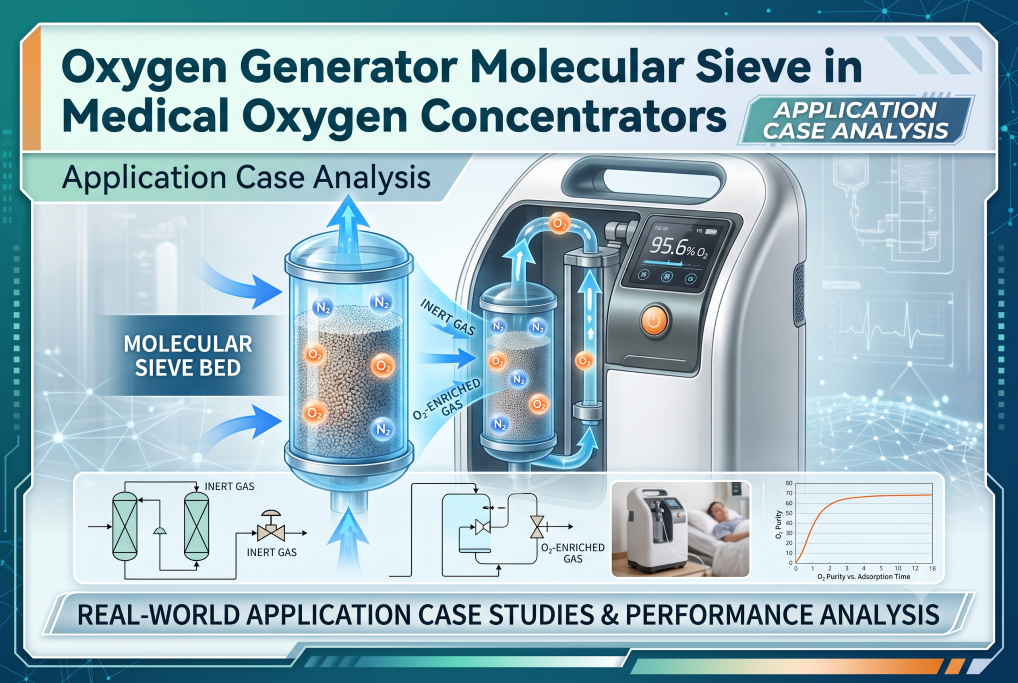
Oxygen generator molecular sieve works through selective adsorption in a Pressure Swing Adsorption (PSA) or Vacuum Pressure Swing Adsorption (VPSA) cycle:
- Adsorption: Compressed air enters a bed of molecular sieve beads. Nitrogen — more polar and with a stronger quadrupole moment than oxygen — is preferentially trapped inside the sieve's pores.
- Oxygen collection: Oxygen, being less strongly adsorbed, passes through and is collected as product gas.
- Regeneration: Once a bed is saturated, the system switches to a second bed. The saturated bed is depressurized (or pulled under vacuum in VPSA systems), releasing the adsorbed nitrogen.
- Repressurization: The regenerated bed is brought back online, ready for the next cycle.
This is a purely physical process — no chemical reaction occurs, and the sieve isn't consumed. With proper pretreatment and operation, oxygen generator molecular sieve typically lasts 3-5 years.
Why nitrogen gets adsorbed first: nitrogen has a stronger quadrupole moment than oxygen, so the zeolite's charged framework attracts it more strongly. Both molecules are small enough to enter the ~10 Å pores of X-type sieves, but the difference in polarity is what makes the separation possible.
Types Compared: 13X vs Li-LSX vs 5A
13X Sodium Molecular Sieve
- Best for: industrial oxygen generators, large VPSA systems, cost-sensitive projects
- Advantages: lower cost, good mechanical strength, proven performance at scale
Li-LSX Lithium Molecular Sieve
- Best for: medical oxygen concentrators, portable units, compact high-purity systems
- Advantages: higher capacity and selectivity than 13X, smaller footprint, lower energy consumption
5A Molecular Sieve
- Best for: low-purity enrichment, cost-sensitive applications tolerant of lower efficiency
- Advantages: lowest cost, though purity and capacity are well below both X-type sieves
For exact spec numbers on each type — nitrogen capacity, selectivity, and oxygen purity ranges — see our Oxygen Generator Molecular Sieve product page. For a deeper look at 13X specifically, our What is 13X Molecular Sieve guide covers its full range of applications beyond oxygen generation.
Applications
- Medical oxygen concentrators (home, hospital, portable, veterinary)
- Industrial PSA/VPSA oxygen generators (steel, glass, petrochemical, pulp & paper)
- Wastewater treatment aeration and ozone generation feed gas
- Aquaculture, high-altitude, and mining oxygen supply systems
How to Choose the Right Sieve
Choosing the right type comes down to three questions:
- Purity needed? 90-93% → 13X is usually sufficient. 93%+ (medical-grade) → Li-LSX is required.
- Space constrained? Li-LSX's higher capacity means less sieve volume for the same output — important for portable or compact concentrators.
- Budget-driven? 13X has the lower upfront cost; Li-LSX costs more but can lower long-term operating costs through better efficiency.
Bead size also matters: 0.4-0.8mm suits fast-cycling medical/portable units, while 1.6-2.5mm suits large industrial VPSA systems with lower pressure drop requirements. If you're sizing a full PSA oxygen plant rather than just selecting sieve type, our PSA oxygen sizing guide walks through the calculation.
Maintenance & Service Life
Inlet air quality is the single most important factor for sieve life in both industrial and medical systems: oil contamination coats the sieve surface and permanently reduces capacity, liquid water can cause degradation and particle breakage, and dust can clog bed distribution. With proper pretreatment (oil removal, water removal, dust filtration), typical service life is:
- Industrial oxygen generators: 3-5 years
- Medical oxygen concentrators (home use): 3-4 years
- Portable oxygen concentrators: 2-3 years (faster cycling and vibration shorten life)
Watch for these signs of a sieve nearing replacement: oxygen purity dropping and not recovering with adjustments, declining flow rate, increasing pressure drop across the bed, or visible sieve dust in outlet filters.
Recommended Products from Sorbsieve
- Oxygen Generator Molecular Sieve (13X & Li-LSX) — our full product line for PSA/VPSA oxygen generators and medical oxygen concentrators
- What is 5A Molecular Sieve — for buyers evaluating 5A as a lower-cost enrichment option
Frequently Asked Questions
Q: What oxygen purity can molecular sieve oxygen generators produce? A: Most PSA oxygen generators produce 90-95% oxygen. Standard 13X typically achieves 90-93%, while premium Li-LSX can reach 93-95% — the level required for medical-grade oxygen concentrators.
Q: How long does oxygen generator molecular sieve last? A: Under normal operating conditions with proper pretreatment and regular maintenance, it typically lasts 3-5 years. Poor inlet air quality is the most common cause of premature failure.
Q: What's the difference between PSA and VPSA oxygen generators? A: PSA systems adsorb above atmospheric pressure and regenerate by venting to atmospheric pressure. VPSA systems use a vacuum pump for more complete regeneration, improving efficiency for large-scale industrial systems.
Q: How should I store unused oxygen generator molecular sieve? A: Store in original sealed packaging in a cool, dry area (5-30°C, relative humidity <70%). The material is hygroscopic and will lose effective capacity if exposed to moisture before use.
Looking for Bulk Supply of Oxygen Generator Molecular Sieve?
Sorbsieve is a trusted bulk supplier of oxygen generator molecular sieve (13X & Li-LSX) and complete industrial adsorbents, serving industrial buyers across the Middle East.
We provide:
- ✅ Container-level supply (20'GP / 40'GP / 40'HQ)
- ✅ Full documentation (COA / TDS / SDS / COO)
- ✅ Multiple packaging options
- ✅ Technical support for sieve type and bead size selection
- ✅ Fast quote response for industrial inquiries
Contact our team for bulk pricing, product samples, and technical consultation.
Related Products
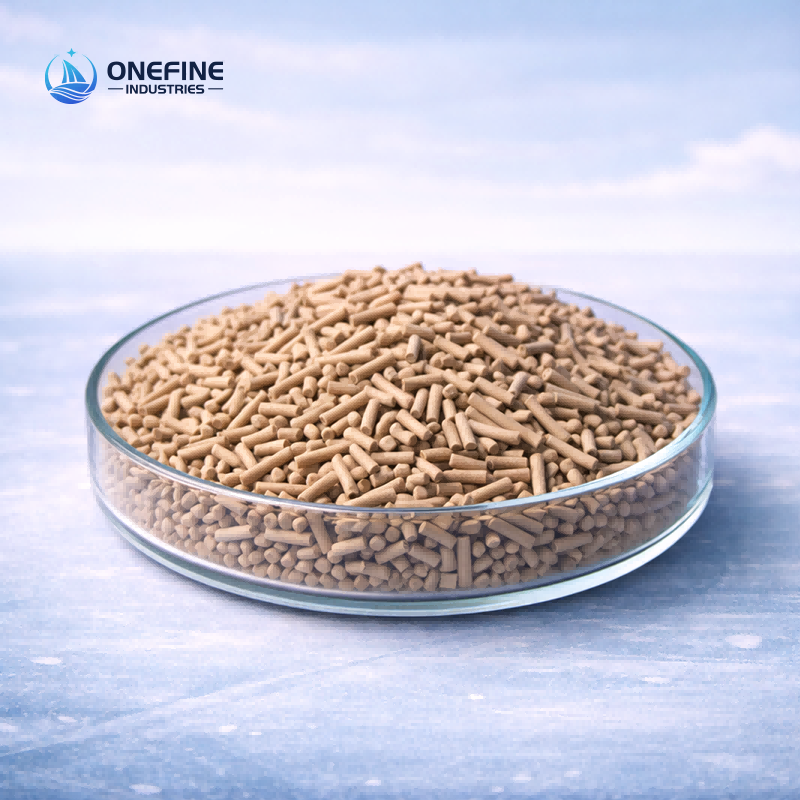
13X Molecular Sieve (Sodium X Type)
Sodium-type 13X molecular sieve with 10Å pore size for air separation pre-purification, natural gas sweetening, solvent recovery, and industrial gas drying. High adsorption capacity, industrial-grade performance.
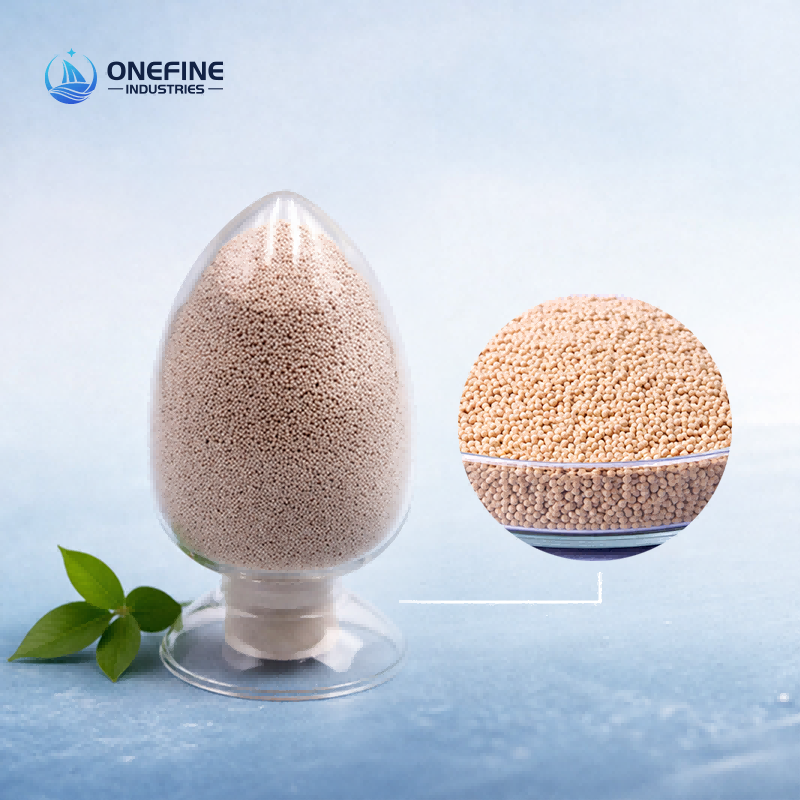
Oxygen Generator Molecular Sieve (13X & Li-LSX)
Premium oxygen generator molecular sieve for PSA/VPSA oxygen generators and medical oxygen concentrators. Available in 13X sodium type and Li-LSX lithium type — high N₂ adsorption capacity, excellent N₂/O₂ selectivity, and 3-5 year service life. Bulk supply with MOQ from 1 ton, serving industrial buyers across the Middle East.
Related Reading
How Much Molecular Sieve Do You Need for PSA Oxygen Plant?
Learn how to estimate molecular sieve quantity for PSA oxygen plants based on flow rate, purity, pressure, and adsorbent type. Includes practical ranges and a real-world sizing example.
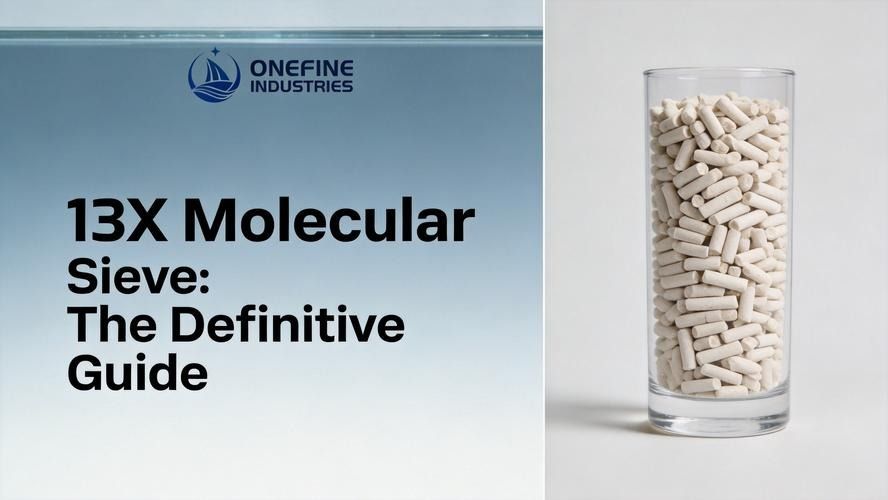
What is 13X Molecular Sieve? Uses, Specifications & How It Works
Everything you need to know about 13X molecular sieves: how they work, key properties, common applications in air separation pre-purification, natural gas sweetening, solvent recovery and industrial gas drying, plus regeneration methods and comparison with other sieve types.