How Do You Know When to Replace Molecular Sieve in an LPG Purification Unit?

Key Takeaways
- The clearest signal is a breakthrough test: product moisture (or sulfur) starts rising even though the bed is "fresh" out of regeneration — that's capacity loss, not a process upset.
- Rising pressure drop and shortening cycle times over months or years point to normal, cumulative capacity decline driven by thermal regeneration cycles, not calendar age.
- A sudden, sharp failure right after startup usually means something hit the bed — liquid carryover, foaming, or an upstream upset — not ordinary aging.
Operators running a molecular sieve bed for LPG dehydration or combined dehydration-plus-desulfurization eventually hit the same question: is this bed still doing its job, or is it just coasting through regeneration cycles without actually meeting spec anymore? The signals are mostly the same whether you're running a dehydration-only 5A bed or a combined 13X bed, but a few failure modes are specific to each. This piece walks through what those signals actually look like in service — not generic "every few years" advice.
Why 5A and 13X Beds Age Differently in LPG Service
As covered in our 5A vs 13X selection guide, a dehydration-only unit typically runs on 5A Molecular Sieve, while a combined dehydration-and-desulfurization duty usually calls for 13X Molecular Sieve because of its larger pore opening. That pore-size difference also shapes how each bed ages: a 5A bed in pure water-removal service mostly wears through ordinary thermal cycling, while a 13X bed carrying mercaptans and other sulfur species alongside water picks up an extra aging pathway — those adsorbed sulfur compounds can crack and leave carbonaceous deposits on the sieve during hot regeneration, gradually blocking the same micropores that do the adsorbing. So a 13X bed in LPG desulfurization duty is a reasonable candidate to watch more closely than a 5A dehydration-only bed running the same number of cycles.
The Direct Signal: Breakthrough Testing and Rising Product Moisture
The most unambiguous way to confirm a bed needs replacing — rather than just regenerating — is a breakthrough test: run the bed in adsorption and watch when the product's moisture (or sulfur) level starts climbing even though the bed just came out of regeneration. A rising trend across several consecutive cycles, not a single data point, is what actually confirms it.
What makes this tricky is that sieve life is a function of the number of regeneration cycles the bed has been through, not the calendar time it's been in service — two identical beds running different cycle frequencies can reach end-of-life years apart. Trade reporting on real operating plants bears this out: some units have needed bed replacement after fewer than 400 regenerations (roughly a year of service), while well-run units on the same type of duty have gone more than 2,000 regenerations — five years or more — before replacement became necessary. That's a wide range, and it's a direct function of how well liquid carryover, regeneration temperature, and flow distribution are controlled, which is why a one-size-fits-all replacement interval isn't realistic.
Physical Signs: Rising Pressure Drop and Bead Degradation
Separate from a breakthrough test, the pressure drop across the bed is a signal worth tracking on its own. A gradual, sustained rise in pressure drop over the life of the bed — not a one-time spike — is a recognized indicator of bead dusting and breakup: as beads physically wear down into fines, they pack tighter and restrict flow. If the unit runs multiple beds in parallel, an uneven pressure drop between vessels is also worth watching — flow naturally shifts toward whichever bed offers less resistance, and that bed can reach breakthrough early even while the others still look fine.
Alongside pressure drop trends, a visual check during a changeout (or whenever a bed is opened for any reason) is worth doing: excessive fines at the bottom of the vessel, discoloration, or beads that have visibly shrunk or fractured all point toward a bed that's mechanically past its working life, regardless of what the breakthrough data shows.
Process Upsets That Force Early Replacement
Not every replacement is a slow, predictable ending. Liquid carryover into the bed — from a separator or upstream treating step not performing as designed — is a well-documented way to damage molecular sieve abruptly rather than gradually. One real case from a propane (LPG) drying unit: carryover of caustic and amine from an upstream treating step contaminated the sieve, and the next hot regeneration cycle caused the contaminated bed to effectively solidify, requiring the vessel to be taken out of service and the bed removed by force. That kind of failure shows up as a sudden pressure spike or flow restriction, not a gradual trend — and it means the bed needs replacing regardless of how many regeneration cycles it had left.
The practical takeaway: if a replacement need shows up suddenly, right after a known upstream upset (foaming, a separator level excursion, a slug of liquid), treat it as a process problem to fix at the source — not just a sieve-aging event to shrug off and reload.
Recommended Products from Sorbsieve
- 5A Molecular Sieve — the standard choice for dehydration-only LPG purification, selected for its pore size that excludes co-adsorption of hydrocarbon molecules.
- 13X Molecular Sieve — used where dehydration and desulfurization (mercaptan/H₂S removal) are handled in the same bed.
FAQ
How often should molecular sieve in an LPG purification unit be replaced? There's no fixed interval that applies across the board — bed life depends on the number of regeneration cycles, liquid carryover history, and regeneration conditions, not calendar time. Breakthrough testing and pressure-drop trending are the reliable ways to confirm where a specific bed actually stands.
Can I just keep regenerating the sieve instead of replacing it? Regeneration restores most of a bed's working capacity each cycle, but that capacity declines a little with every thermal cycle the sieve goes through. Eventually regeneration can no longer bring the bed back to a working capacity that meets your moisture or sulfur spec — that's the point replacement becomes necessary, not a sudden "can't regenerate at all."
Does a combined dehydration-and-desulfurization 13X bed wear faster than a dehydration-only 5A bed? Generally, yes. Carrying mercaptans and other sulfur species alongside water gives a 13X bed an extra fouling pathway — those adsorbed sulfur compounds can crack and leave deposits during hot regeneration — that a 5A bed running water-only duty doesn't face.
How do I tell a sudden failure apart from normal aging? A sharp pressure-drop spike or moisture breakthrough right after startup, or right after a known upstream upset, points to liquid carryover or mechanical damage — a process problem, not ordinary wear. A pressure drop that climbs gradually and a cycle time that shortens over months or years is the normal signature of cumulative capacity decline from regeneration cycling.
Looking for Bulk Supply of Molecular Sieve for LPG Purification?
Sorbsieve is a trusted bulk supplier of 5A and 13X Molecular Sieve and complete industrial adsorbents, serving industrial buyers across the Middle East.
We provide:
- ✅ Container-level supply (20'GP / 40'GP / 40'HQ)
- ✅ Full documentation (COA / TDS / SDS / COO)
- ✅ Multiple packaging options
- ✅ Technical support for molecular sieve selection and system optimization
- ✅ Fast quote response for industrial inquiries
Contact our team for bulk pricing, product samples, and technical consultation.
Related Products
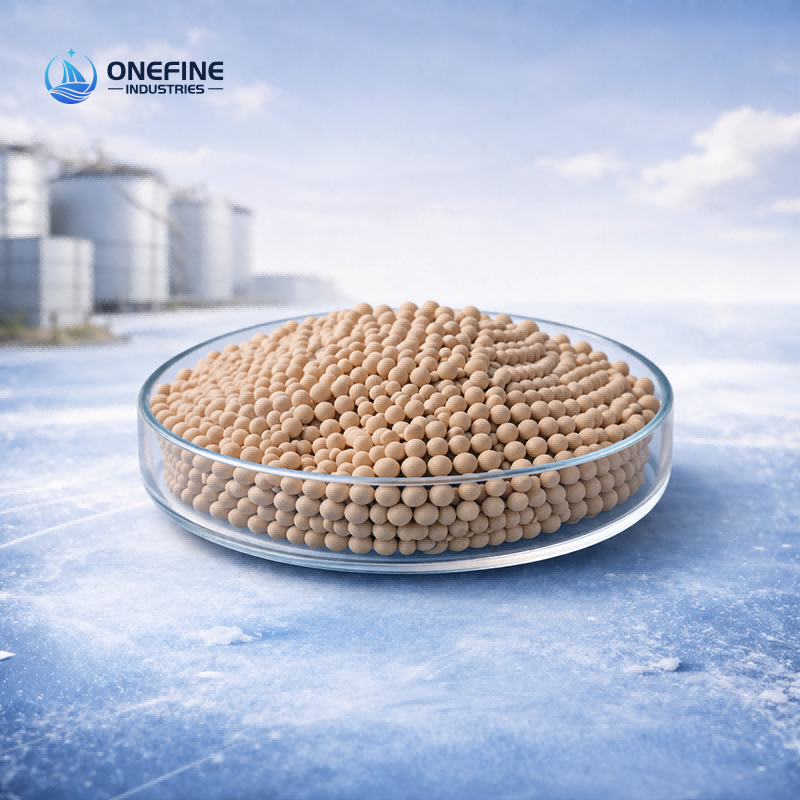
5A Molecular Sieve (Calcium Type)
Calcium-exchanged 5A molecular sieve for PSA oxygen enrichment, natural gas sweetening, n-isoparaffin separation, and simultaneous desulfurization & decarbonization. Bulk supply with MOQ from 1 ton, serving industrial buyers across the Middle East.
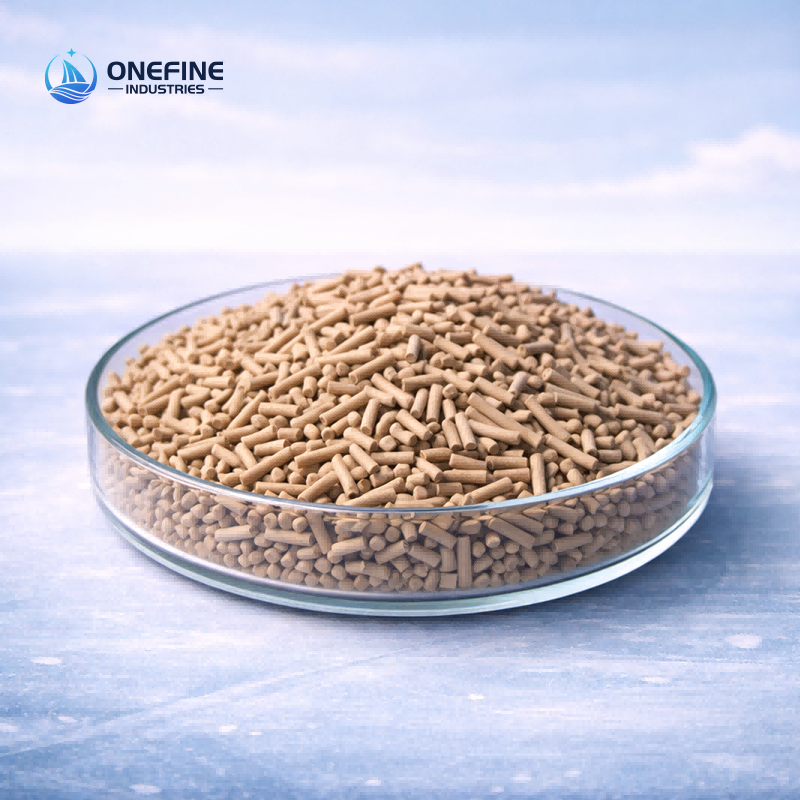
13X Molecular Sieve (Sodium X Type)
Sodium-type 13X molecular sieve with 10Å pore size for air separation pre-purification, natural gas sweetening, solvent recovery, and industrial gas drying. High adsorption capacity, industrial-grade performance.
Related Reading
5A vs 13X Molecular Sieve for LPG Purification: Which One Do You Need?
Choosing between 5A and 13X molecular sieve for LPG purification comes down to one question: are you removing moisture only, or moisture plus sulfur compounds? This guide walks through why that distinction decides the right sieve.
What is 13X Molecular Sieve? Uses, Specifications & How It Works
Everything you need to know about 13X molecular sieves: how they work, key properties, common applications in air separation pre-purification, natural gas sweetening, solvent recovery and industrial gas drying, plus regeneration methods and comparison with other sieve types.