Why Does Oil or Ammonia Contamination Destroy Molecular Sieve in a PSA Oxygen Generator?
Key Takeaways
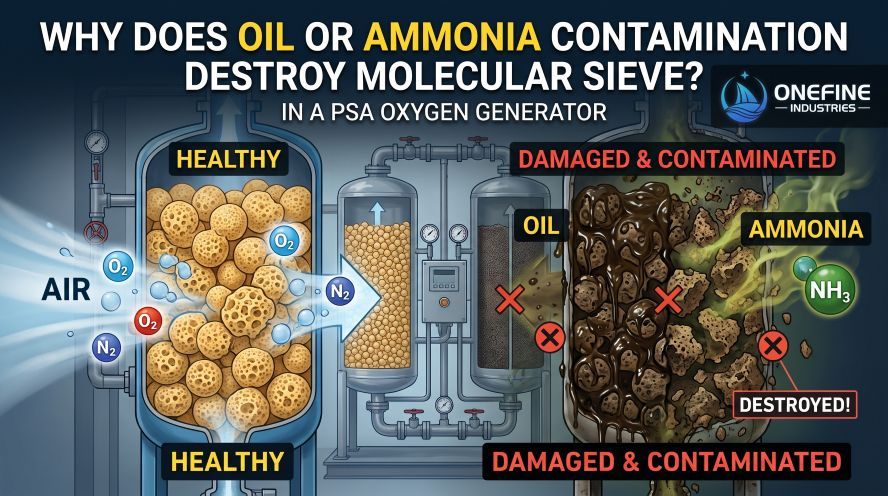
- Oil contamination causes irreversible structural damage by migrating past pore mouths and lodging inside the crystal lattice where thermal regeneration cannot reach it.
- Ammonia acts as a strong basic competitor for highly polar adsorption sites in 13X and Li-LSX sieves, permanently reducing nitrogen capacity.
- Unlike normal capacity fade which is gradual, contamination damage causes an abrupt purity drop that cannot be recovered through standard regeneration cycles.
- Prevention relies entirely on upstream feed-air quality, utilizing coalescing filters, activated carbon, and activated alumina guard beds before the air reaches the sieve.
A PSA oxygen generator separates oxygen from compressed air by cycling it through a bed of molecular sieve — typically 13X or Li-LSX — that selectively adsorbs nitrogen while letting oxygen pass through. Normal operation wears the sieve down gradually, over thousands of adsorption-regeneration cycles. Contamination is a different problem: when oil or certain reactive gases reach the bed, they can occupy adsorption sites in a way normal regeneration cannot reverse. This article covers how oil contamination destroys the sieve, why airborne ammonia is a related but far less common risk, and how to tell contamination damage from ordinary end-of-life wear.
How Oil Contamination Fouls and Then Destroys the Sieve
Oil carryover is one of the best-documented causes of molecular sieve failure in PSA systems, and the usual source is the feed-air compressor itself. Lubricated compressors can pass oil downstream as fine droplets or vapor, especially once seals or filtration start to wear.
The damage happens in two stages. First, oil forms a thin film across the external surface of the oxygen generator molecular sieve pellets and across the pore mouths — physically blocking nitrogen from reaching the adsorption sites inside. Oxygen purity drops, but this early-stage fouling can often still be addressed with upstream filtration and cleaner air going forward.
The second stage is what makes oil different from ordinary wear: with continued exposure, oil migrates past the pore mouths into the internal pore structure. Once lodged inside the crystal lattice, the standard thermal/pressure-swing regeneration cycle can't drive it back out — regeneration releases adsorbed nitrogen and moisture, not oil residue. That portion of the bed's capacity is gone for good. Industrial air-treatment sources describe this progression consistently: oil first blocks nitrogen adsorption, and prolonged exposure causes structural damage that doesn't reverse. Airborne hydrocarbons from a different source — industrial exhaust or fuel vapors drawn into the compressor intake — bind to the same sites and cause the same damage.
Why Ammonia Is a Less Common but Chemically Real Risk
Ammonia contamination isn't a commonly documented field failure the way oil fouling is — this is a smaller, less-reported risk, not an equally common one. But the underlying chemistry explains why it deserves attention at sites where it's plausibly present.
Zeolite molecular sieves like 13X and Li-LSX expose a highly polar, cation-rich internal surface — exactly what makes them good at pulling nitrogen out of air. The same polarity gives the framework a strong, built-in preference for other polar or basic molecules, the way it already does for water vapor. Ammonia is both strongly polar and strongly basic, so it competes directly for those same adsorption sites — and because the sieve's affinity for it is high, a portion may not fully desorb during a routine regeneration cycle, leaving those sites effectively unavailable afterward.
In practice, this mainly concerns oxygen generators drawing feed air near ammonia refrigeration equipment, fertilizer or chemical processing, or livestock facilities — not a general risk for a typical industrial or medical installation. Where it's a real possibility, treat it the same way as oil risk: a feed-air quality issue to solve upstream, not something the bed itself is expected to tolerate.
Contamination Damage vs Normal Capacity Fade: How to Tell Them Apart
Not every purity drop is contamination. Distinguishing the two matters because the fix is completely different — filtration and feed-air cleanup for contamination, versus planning a sieve replacement for normal fade.
Normal capacity fade shows up as a slow, steady decline in oxygen purity across months or years, and a regeneration cycle still recovers most of the bed's performance each time, just slightly less than before. This is the pattern covered in our guide on oxygen generator replacement signs — it's the expected end of a sieve's working life, not a malfunction.
Contamination damage looks different: purity drops more abruptly, the inlet-side layer is often affected first and worst, and a regeneration cycle fails to bring performance back the way it normally would. It's often accompanied by physical evidence — an oil sheen or odor in upstream filters and piping, or a maintenance log showing recent compressor service issues. A sudden rather than gradual purity drop alongside those signs points to contamination, not wear.
Prevention: Keep Contaminants Out of the Feed Air Before They Reach the Sieve
Because neither oil fouling nor ammonia adsorption reverses once it's set in, prevention is almost entirely about feed-air quality upstream of the bed, not about the sieve itself.
Standard practice is layered filtration ahead of the molecular sieve bed: coalescing filters to strip out oil droplets, followed by activated carbon to adsorb residual oil vapor and light hydrocarbons that droplet filters miss. A properly maintained, well-sealed compressor with its service schedule kept current is the first line of defense — most oil-contamination cases trace back to compressor wear or a skipped maintenance interval.
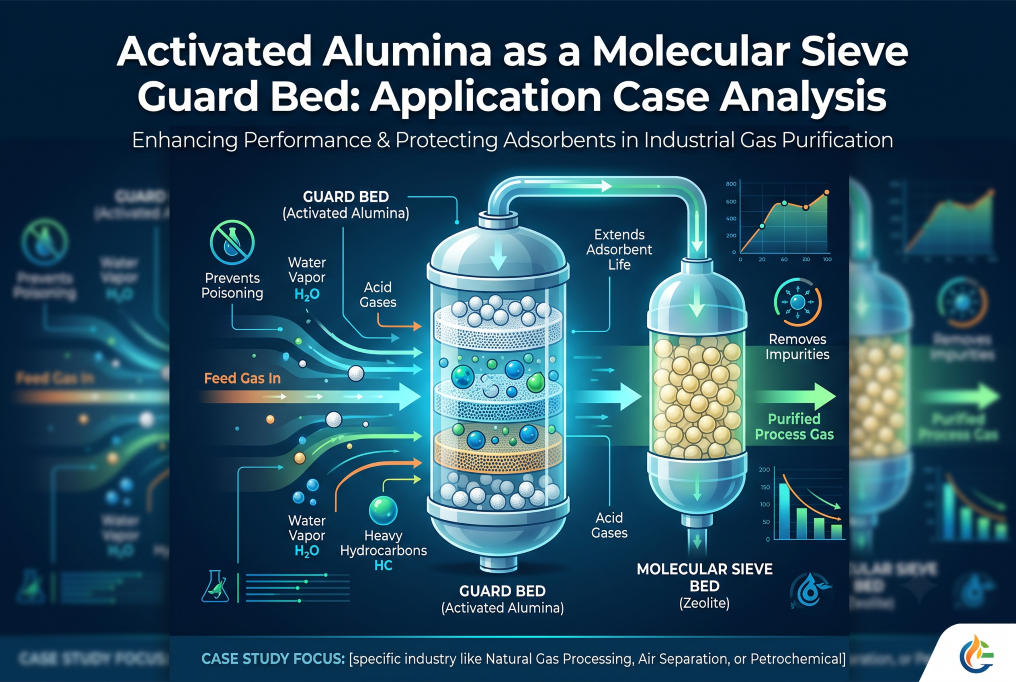
Activated alumina plays an established front-line role here, commonly installed as a molecular sieve guard bed that takes the brunt of moisture and light contamination before air reaches the sieve. For sites near ammonia sources specifically, the practical step is locating the compressor air intake away from that source — there's no standard guard-bed media that selectively strips ammonia the way alumina handles moisture and oil vapor.
Recommended Products from Sorbsieve
- Oxygen Generator Molecular Sieve (13X & Li-LSX) — purpose-built for PSA oxygen generation and concentrator applications
- Activated Alumina for Purification — widely used as a guard-bed adsorbent ahead of molecular sieve beds
FAQ
Can oil-contaminated molecular sieve be regenerated and reused? Surface fouling caught early can sometimes be partially addressed once the oil source is fixed and clean air resumes flowing. Once oil has migrated into the internal pore structure, that portion of the bed's capacity doesn't come back with regeneration — the affected sieve needs replacing.
How do I know if ammonia exposure is a real risk for my site? The main question is whether your compressor's air intake is near a source of airborne ammonia — refrigeration systems, fertilizer or chemical processing, or livestock operations. If there's no such source nearby, it's not a practical concern.
What's the difference between oil fouling and normal moisture saturation? Moisture saturation is an expected, reversible part of the adsorption-regeneration cycle. Oil fouling is not part of normal operation — it physically blocks and eventually damages adsorption sites in a way regeneration cannot undo.
How often should feed-air filtration be inspected to prevent this? Coalescing filters and activated carbon stages should be checked on the schedule your equipment supplier recommends, and inspected immediately if moisture or an oil sheen appears downstream — waiting for a purity drop means the sieve has likely already been exposed.
Looking for Bulk Supply of Oxygen Generator Molecular Sieve?
Sorbsieve is a trusted bulk supplier of Oxygen Generator Molecular Sieve and complete industrial adsorbents, serving industrial buyers across the Middle East.
We provide:
- ✅ Container-level supply (20'GP / 40'GP / 40'HQ)
- ✅ Full documentation (COA / TDS / SDS / COO)
- ✅ Multiple packaging options
- ✅ Technical support for molecular sieve selection and system optimization
- ✅ Fast quote response for industrial inquiries
Contact our team for bulk pricing, product samples, and technical consultation.
Related Products
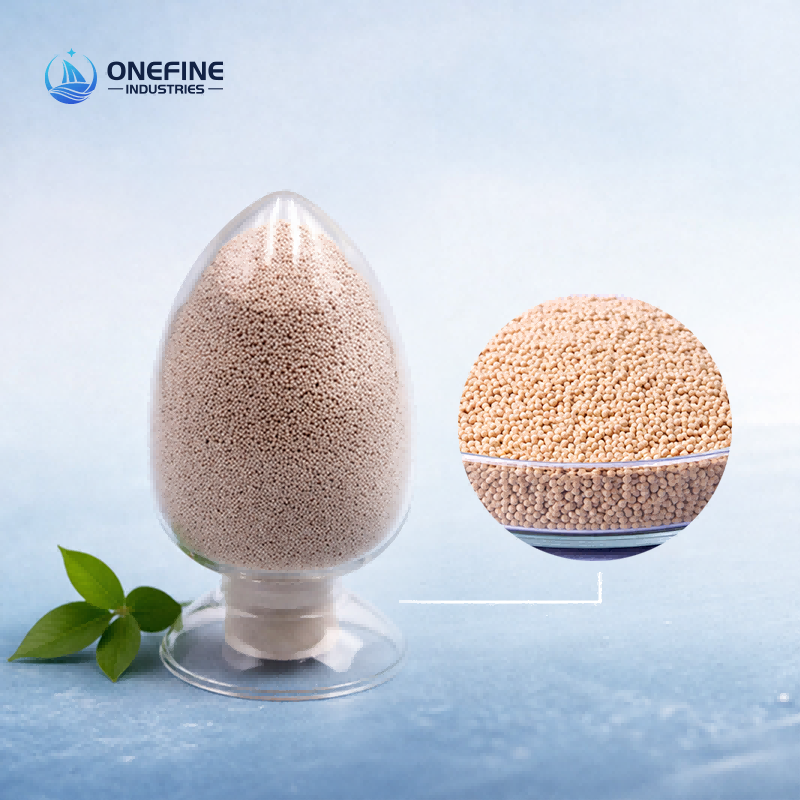
Oxygen Generator Molecular Sieve (13X & Li-LSX)
Premium oxygen generator molecular sieve for PSA/VPSA oxygen generators and medical oxygen concentrators. Available in 13X sodium type and Li-LSX lithium type — high N₂ adsorption capacity, excellent N₂/O₂ selectivity, and 3-5 year service life. Bulk supply with MOQ from 1 ton, serving industrial buyers across the Middle East.
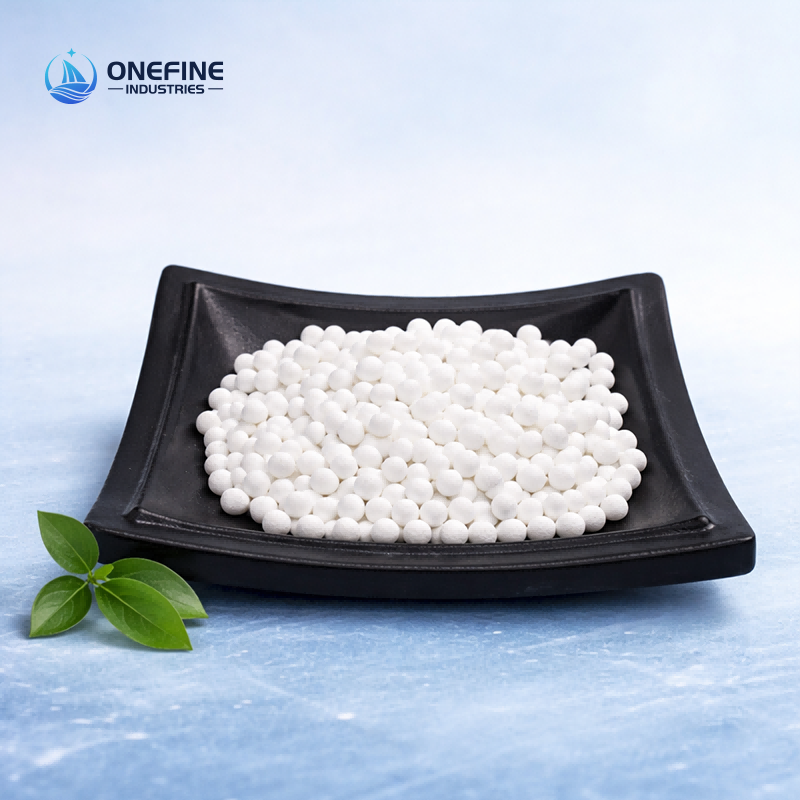
Activated Alumina for Purification
High-performance activated alumina (γ-Al₂O₃) adsorbent and desiccant for industrial gas/liquid drying, water defluoridation, and purification. White spherical beads with high surface area (≥300 m²/g), excellent crush strength, and full thermal regenerability. Available in multiple particle sizes for compressed air dryers, water treatment, and catalyst carrier applications.
Related Reading
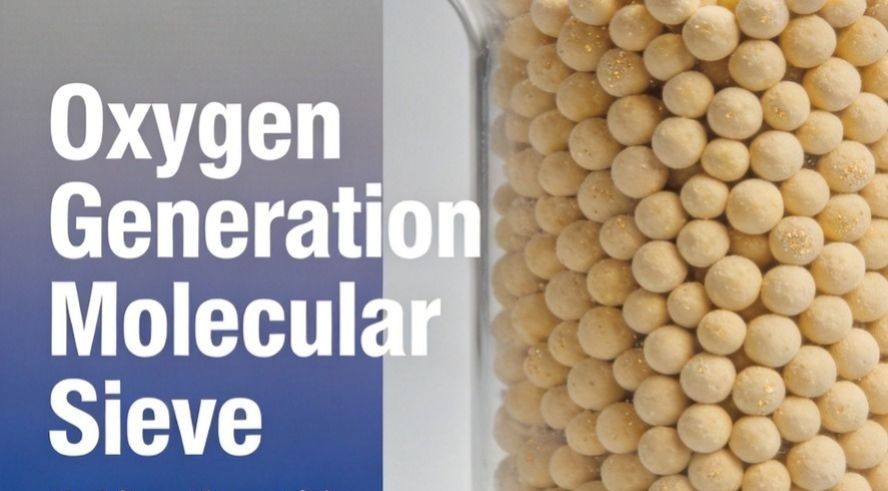
What is Oxygen Generator Molecular Sieve? Complete Guide for Oxygen Generators & Concentrators
Oxygen generator molecular sieve (13X & Li-LSX) is the core adsorbent behind PSA/VPSA oxygen production. This guide covers how it works, key types, applications, and how to choose the right one.

How Do You Know When to Replace Oxygen Generator Molecular Sieve in a PSA Oxygen Concentrator?
Learn the practical warning signs — from declining oxygen purity to bed attrition — that indicate it's time to replace Oxygen Generator Molecular Sieve in a PSA system.