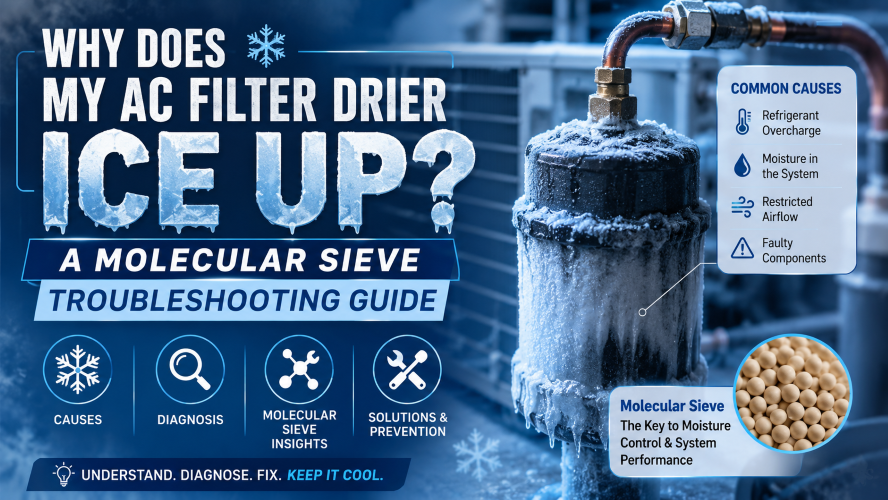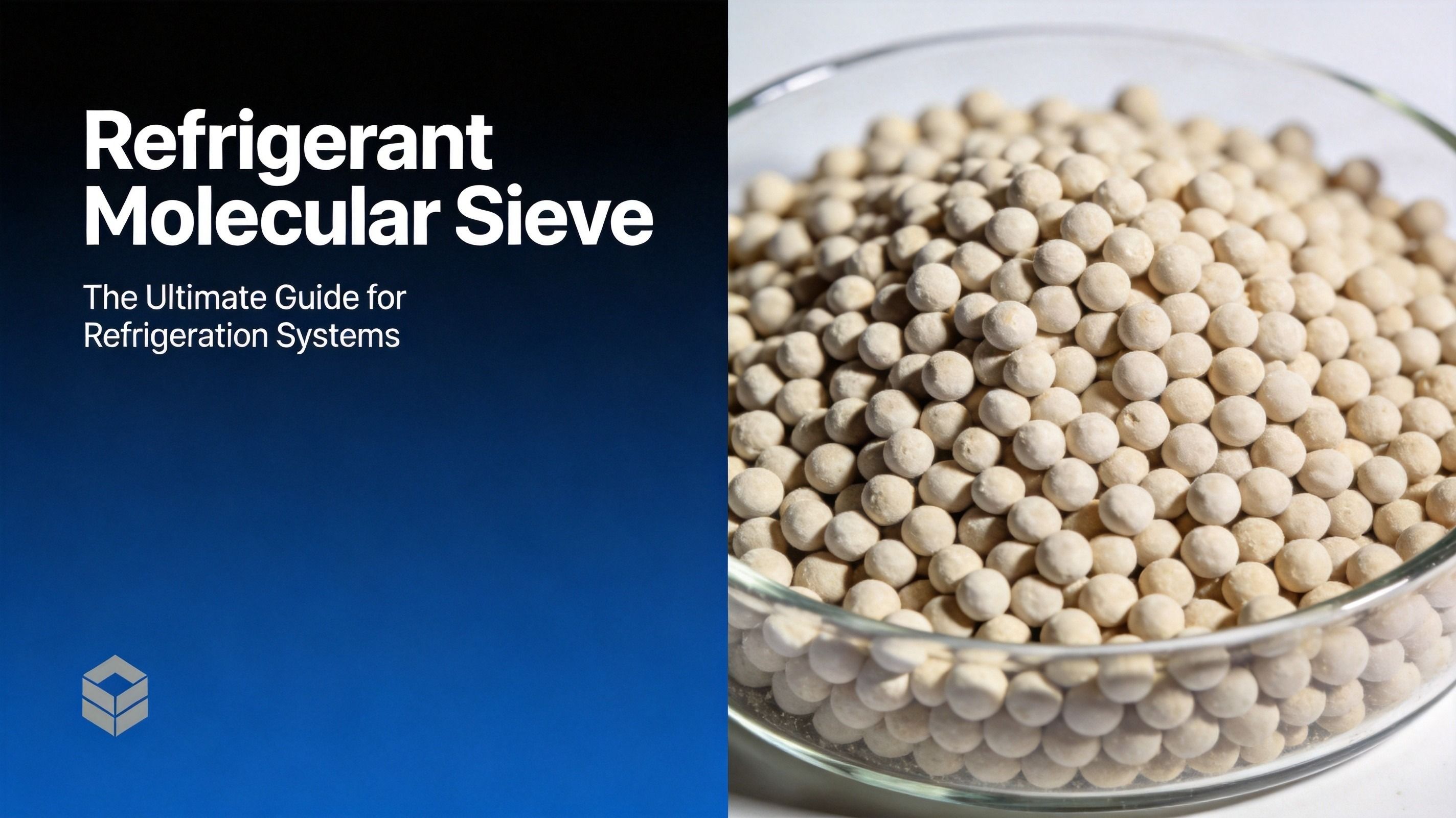
Moisture is one of the most dangerous contaminants in refrigeration and air conditioning systems. Even small amounts of water can cause ice formation at expansion valves, acid formation that corrodes system components, and reduced heat transfer efficiency. This is where XH Series refrigerant molecular sieves come in — the industry-standard desiccant for moisture removal in HVAC&R systems. This guide covers how the XH Series works, how to choose between grades, and what to know about installation and troubleshooting.
Key Takeaways
- XH Series sieves use ~3Å pores to selectively adsorb water while excluding refrigerant molecules and lubricant oils.
- Grade matching is strictly required: XH-7 for R134a, XH-9 for mixed non-R32 refrigerants, and XH-11 for R32-containing blends.
- Standard 3A or 4A molecular sieves engineered for general industrial drying must never be used in refrigerant circuits.
What Is a Refrigerant Molecular Sieve?
A refrigerant molecular sieve is a synthetic zeolite desiccant specifically formulated for drying refrigerants. Unlike general-purpose desiccants, refrigerant-grade molecular sieves are engineered with precise pore sizes and chemical compositions that selectively adsorb water while excluding refrigerant molecules, lubricants, and system additives.
The industry-standard type is the XH Series (XH-5, XH-7, XH-9, and XH-11 variants), with a pore diameter of approximately 3Å. Water molecules (≈2.8Å kinetic diameter) enter the pores and are adsorbed, while most refrigerant molecules (4-6Å) are excluded. Silica gel and activated alumina are also used as desiccants elsewhere, but they lack the size selectivity and low-moisture-level capacity that refrigerant circuits require — silica gel can co-adsorb refrigerant and additive molecules, and activated alumina has weaker capacity at the ppm moisture levels refrigerant systems demand.
It's also worth clarifying a common point of confusion: XH Series is not the same product as standard 3A or 4A molecular sieve used for general industrial drying. While XH-series pore size falls in a similar ~3Å class, the chemical formulation is engineered specifically for stable long-term contact with refrigerants and lubricant oils — standard 3A is not qualified for this duty, and 4A should never be used in refrigerant circuits under any circumstances.
How It Works
XH Series sieves adsorb water through two mechanisms: size exclusion (the ~3Å pore structure physically admits water while blocking larger refrigerant molecules) and electrostatic attraction (positively charged cations in the zeolite framework strongly attract polar water molecules, holding them even at low concentrations). Together these allow deep drying down to single-digit ppm moisture levels — something other desiccant types can't match. Inside a filter drier, water transfers from the refrigerant to the desiccant surface, diffuses into the pores, and accumulates until the bed saturates and moisture begins to break through — which is what determines replacement timing.
XH-7, XH-9, XH-5, and XH-11: Which Grade Do You Need?
XH-7 is the R134a specialist — the standard desiccant for R134a automotive AC, residential refrigerators, and commercial display cases, also compatible with R12, R1234yf, and most non-blend HFC/HCFC/HFO refrigerants.
XH-9 is the universal-compatibility grade, covering R12, R22, R134a, R404A, R500 series, R600a, and R1234yf — a good default for service fleets and mixed-refrigerant environments.
Critical limitation shared by both XH-7 and XH-9: neither is suitable for R32 or R32-containing blends (R410A, R407C, R404A alternatives with R32, R452B, R454B). Those require XH-11 instead — a distinct formulation for R32-blend high-pressure systems. This is one of the most common specification mistakes in the field, so always confirm your refrigerant before ordering.
XH-5 is the legacy grade for older R12/R22 systems with mineral oil; XH-9 is generally the recommended upgrade when replacing XH-5.
All grades are compatible with POE, PVE, mineral oil, and alkylbenzene (AB) lubricants, and share the same ~3Å pore class — there's no verified public data showing XH-7 and XH-9 differ in bead size, crush strength, or bulk density; the real distinguishing factor between them is refrigerant compatibility, not physical specification.
Selecting the Right Grade
- Identify your refrigerant. R134a alone → XH-7. Mixed non-R32 refrigerants → XH-9. Any R32-containing refrigerant (R410A, R407C, R452B, R454B) → XH-11.
- Check your lubricant. All XH grades are compatible with POE, PVE, mineral oil, and AB oil — lubricant type doesn't typically drive grade selection.
- Confirm bead form and size. Beads (1.6-2.5mm) are standard for most filter driers; pellets and pre-charged cores are also available.
- For blended/zeotropic refrigerants, grade selection matters even more — a mismatched desiccant can preferentially adsorb one blend component and shift the refrigerant's composition over time.
Installation and Handling
Molecular sieve is highly hygroscopic — keep it sealed until immediately before use and minimize exposure time during installation. Install the filter drier in the liquid line ahead of the expansion device, in the correct flow orientation, and properly evacuate the system after installation to remove air and residual moisture before charging. Replace filter driers on a routine schedule (typically every 2-5 years for well-maintained systems), immediately after any service work, and after a compressor burnout.
Common Issues
Ice at the expansion valve usually points to saturated desiccant, a system leak, or insufficient drier sizing — replace the filter drier and check for leaks before recharging.
Acid formation and corrosion (copper plating, discolored oil, compressor failure) results from high moisture reacting with refrigerant and oil. Replace the filter drier with the correctly specified XH grade and consider a suction line drier for additional protection.
High pressure drop across the drier usually means a clogged bed, incorrect sizing, or desiccant breakdown — verify sizing and bead size match your system's flow rate.
Desiccant dust contamination comes from low-quality material or drier damage — use only quality-controlled, low-dust refrigerant-grade XH Series sieve, and add strainers if needed.
Conclusion
XH-7 handles standard R134a duty, XH-9 covers most other non-R32 refrigerants, and XH-11 is required for any R32-containing blend — getting this grade selection right is the single most important decision when specifying a refrigerant filter drier. Beyond grade selection, proper installation, evacuation, and routine replacement are what keep a system protected from moisture damage over its service life.
Looking for Bulk Supply of Refrigerant Molecular Sieve?
Sorbsieve is a trusted bulk supplier of XH Series refrigerant molecular sieve and complete industrial molecular sieves, serving industrial buyers across the Middle East.
We provide:
- ✅ Container-level supply (20'GP / 40'GP / 40'HQ)
- ✅ Full documentation (COA / TDS / SDS / COO)
- ✅ Bulk and pre-charged filter drier core delivery options
- ✅ Technical support for grade selection and system compatibility
- ✅ Fast quote response for industrial inquiries
Contact our team for bulk pricing, product samples, and technical consultation.
Related Products
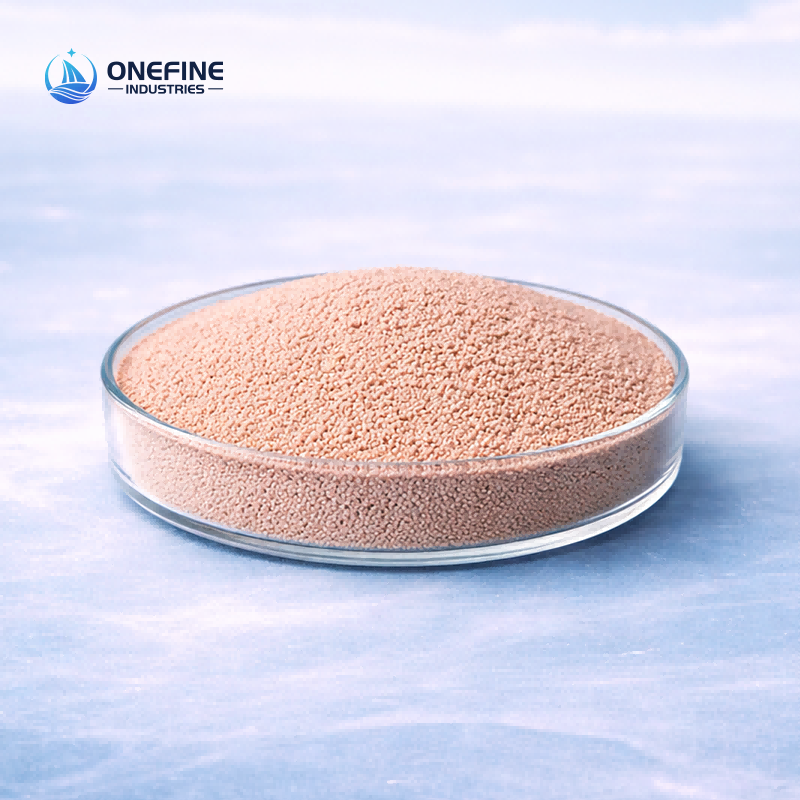
3A Molecular Sieve
High-efficiency 3A molecular sieve desiccant for ultra-deep industrial dehydration. Available in beads and pellets, 2-3 year service life with proper regeneration.
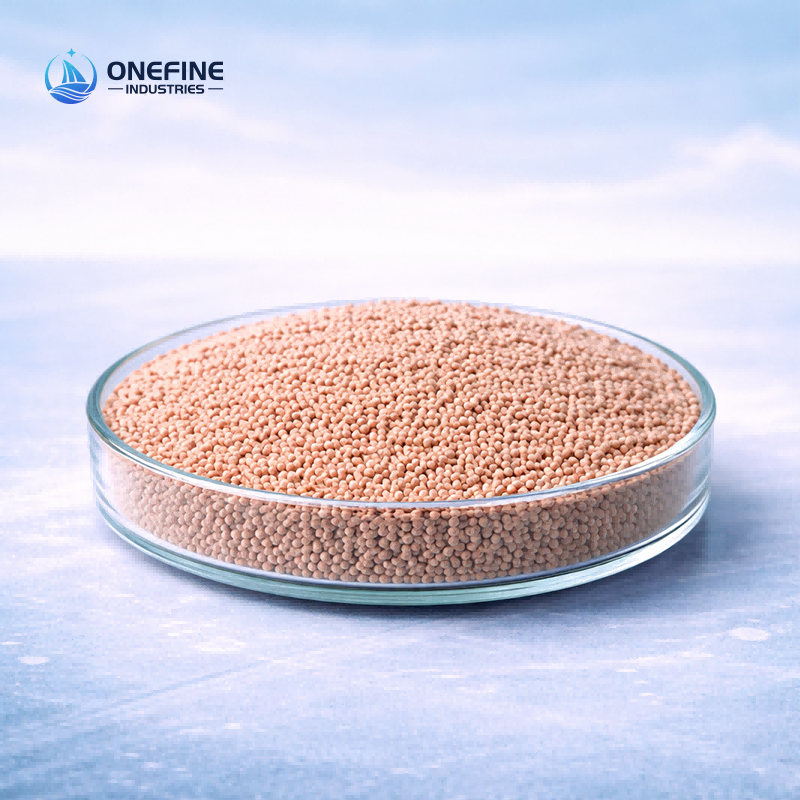
4A Molecular Sieve
General-purpose 4A molecular sieve desiccant for industrial air drying, solvent dehydration, CO2 removal, and static packaging applications. High capacity, long service life.
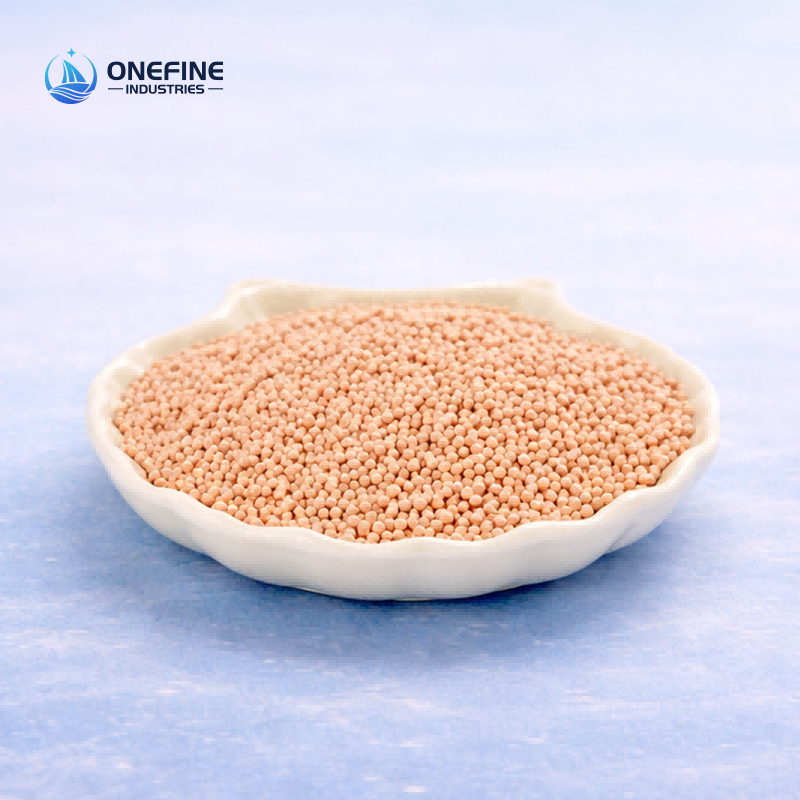
Refrigerant Molecular Sieve (XH Series)
XH Series refrigerant molecular sieves are high-performance zeolite desiccants engineered for deep moisture removal in refrigeration and air conditioning systems. XH-7 is the industry-standard grade for R134a and most HFC/HCFC/HFO systems, while XH-9 delivers universal compatibility across nearly all refrigerant types. XH-5 and XH-11 complete the range for legacy and next-generation applications. Available in beads, pellets, and pre-charged filter drier cores, with MOQ from 1 ton.