Why Does My AC Filter Drier Ice Up? A Molecular Sieve Troubleshooting Guide
Why Does My AC Filter Drier Ice Up? A Molecular Sieve Troubleshooting Guide
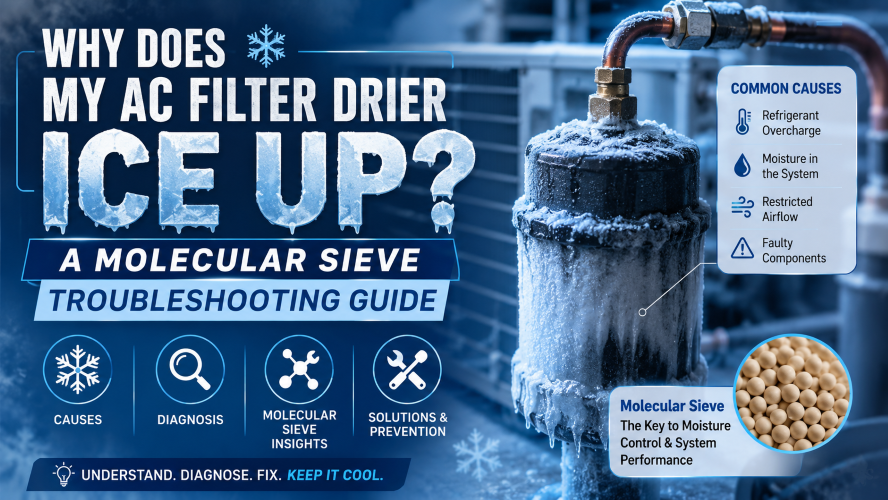
Ice forming on or around a filter drier is one of the most common — and most misunderstood — warning signs in a refrigeration or AC system. Some technicians assume it simply means "low refrigerant" and top up the charge, which can mask the real problem and lead to repeat failures. In most cases, icing at the filter drier points to a desiccant or moisture-related issue rather than a charge issue. This guide walks through what the ice actually means, the most common root causes, how to diagnose them correctly, and how to prevent the problem from coming back.
Key Takeaways
- Localized icing on a filter drier indicates a sudden pressure and temperature drop, typically caused by a restriction rather than a general system undercharge.
- The most common cause is a saturated desiccant bed that can no longer bind moisture, but undersized driers or physical blockages can also trigger external icing.
- Standard 4A molecular sieves must never be used in refrigeration; systems strictly require chemically engineered Refrigerant Molecular Sieves (XH Series).
What Ice on a Filter Drier Actually Means
Ice or heavy frost forming on the filter drier body — rather than at the evaporator coil — is usually a sign of a localized pressure drop and temperature drop across the drier itself. This typically happens when refrigerant flow through the desiccant bed is restricted, causing a sudden pressure loss (similar to what happens at an expansion valve) and enough of a temperature drop to freeze ambient moisture on the outside of the drier shell.
This is different from general system undercharge, which tends to produce frost more broadly along the suction line and evaporator rather than a sharp, localized cold spot right at the drier.
Common Causes of Filter Drier Icing
1. Saturated or Exhausted Desiccant
Once molecular sieve has adsorbed as much moisture as its capacity allows, it can no longer bind additional water molecules. Free moisture then begins to circulate and can freeze at any restriction point, including inside or just after the drier. This is the most common cause in systems that are otherwise correctly charged and leak-free but simply have an aging, saturated drier.
2. Physical Restriction or Blockage
A partially clogged or crushed drier core — from desiccant dust, debris, or manufacturing defects — reduces the internal flow path. Even without a moisture problem, this restriction alone can cause the pressure drop and cooling effect that leads to external icing.
3. Undersized Filter Drier for the System
If the filter drier's flow capacity is too small for the system's refrigerant charge and line size, it creates an artificial restriction under normal operating flow rates — essentially behaving like a clogged drier even when the desiccant itself is in good condition.
4. Wrong Molecular Sieve Type Installed
Using 4A Molecular Sieve in place of refrigerant-grade desiccant is a less obvious but real cause of drier problems. 4A's larger pore size can co-adsorb refrigerant or oil molecules, altering system chemistry and sometimes contributing to restriction or performance issues, even though the desiccant itself is technically "removing moisture." 4A molecular sieve should never be used for refrigerant or HVAC/R drying. Dedicated refrigerant filter driers require Refrigerant Molecular Sieve (XH Series) — see the full specifications for the correct grade.
5. High Initial Moisture Load from Poor Evacuation
If the system wasn't evacuated to a deep enough vacuum before charging, residual moisture can overwhelm even a correctly sized, fresh drier much faster than expected, leading to early saturation and icing well before the drier's rated service life.
How to Diagnose the Cause
A methodical check helps separate a simple desiccant issue from a more serious system fault:
- Check the temperature differential across the drier. A noticeably colder outlet than inlet (measured by touch or with a clamp thermometer) confirms a pressure drop is occurring at the drier itself.
- Check system pressures. Compare suction and discharge pressures against expected values for the refrigerant and ambient conditions — a properly charged but restricted system will often show abnormal pressure readings even though the charge amount is correct.
- Inspect the moisture indicator sight glass, if the system has one. A color change indicating "wet" confirms desiccant saturation rather than pure restriction.
- Consider the system's service history. Was the drier recently installed after a repair? Was the system freshly evacuated and charged, or has it been running for years without service? This context often points directly to the likely cause.
- When in doubt, don't just add refrigerant. If icing persists after ruling out an actual undercharge, adding refrigerant will not resolve a saturated or restricted drier and may mask the real problem.
Fixing It: Solutions by Cause
- Saturated desiccant → Replace the filter drier. This is a routine consumable replacement, not a system failure.
- Physical restriction or wrong sieve type → Replace the drier with a properly specified, refrigerant-grade XH series unit correctly sized for the system.
- Undersized drier → Replace with a correctly sized drier for the system's refrigerant charge and flow rate; consult equipment specifications or a system designer for correct sizing.
- Poor evacuation history → Replace the drier and re-evacuate the system properly to remove residual moisture before recharging, rather than simply replacing the drier and expecting the same issue not to recur.
For a full overview of drier selection, sizing, and other common troubleshooting scenarios beyond icing, see our Refrigerant Molecular Sieve guide.
Preventing Repeat Icing
- Use refrigerant-grade XH series molecular sieve specifically designated for your refrigerant and oil type — never substitute with general-purpose 3A/4A or wrong-pore-size desiccant
- Size the filter drier correctly for the system's refrigerant charge and flow rate from the start
- Follow proper evacuation procedures (deep vacuum, adequate hold time) before every recharge
- Replace the filter drier on a routine schedule and immediately after any system service, leak repair, or compressor replacement
- Keep desiccant sealed and minimize air exposure during any installation or replacement work
Frequently Asked Questions
Q: Is ice on the filter drier always a sign the drier needs replacing? A: Not always — physical restriction, incorrect sizing, or even a manufacturing defect can also cause localized icing. But in the large majority of cases, replacing the drier resolves the issue, since saturated desiccant is the most common root cause.
Q: If I see ice at the filter drier, should I just add refrigerant? A: No. Adding refrigerant addresses undercharge, not desiccant saturation or restriction. If the system pressures otherwise look normal for the charge level, adding refrigerant will not fix drier icing and can make diagnosis more confusing later.
Q: How urgent is it to fix filter drier icing? A: It's worth addressing promptly. A saturated or restricted drier no longer protects the system from moisture-related acid formation and ice-related blockages, so delaying replacement increases the risk of more expensive compressor or expansion valve damage.
Q: Can using the wrong type of molecular sieve cause icing even in a correctly charged system? A: Yes. If general-purpose 3A/4A sieve was installed instead of refrigerant-grade XH series, it can behave differently — including creating restriction or altering system chemistry — leading to icing symptoms even when the refrigerant charge itself is correct.
Recommended Products from Sorbsieve
If drier replacement is the fix, make sure the replacement is refrigerant-grade.
Refrigerant Molecular Sieve (XH Series) — purpose-built for HFC, HCFC, HFO, and natural refrigerant filter driers (full specifications and internal link earlier in this guide)
注:真实内链已在正文"Wrong Molecular Sieve Type Installed"小节放置,此处不重复放链接,避免同一目标页重复链。
Looking for Bulk Supply of Refrigerant Molecular Sieve?
Sorbsieve is a trusted bulk supplier of refrigerant molecular sieve and complete industrial adsorbents, serving industrial buyers across the Middle East.
We provide:
- ✅ Container-level supply (20'GP / 40'GP / 40'HQ)
- ✅ Full documentation (COA / TDS / SDS / COO)
- ✅ Multiple packaging options, including pre-charged filter drier cores
- ✅ Technical support for refrigerant molecular sieve selection and system troubleshooting
- ✅ Fast quote response for industrial inquiries
Contact our team for bulk pricing, product samples, and technical consultation.
Related Products
4A Molecular Sieve
General-purpose 4A molecular sieve desiccant for industrial air drying, solvent dehydration, CO2 removal, and static packaging applications. High capacity, long service life.
Refrigerant Molecular Sieve (XH Series)
XH Series refrigerant molecular sieves are high-performance zeolite desiccants engineered for deep moisture removal in refrigeration and air conditioning systems. XH-7 is the industry-standard grade for R134a and most HFC/HCFC/HFO systems, while XH-9 delivers universal compatibility across nearly all refrigerant types. XH-5 and XH-11 complete the range for legacy and next-generation applications. Available in beads, pellets, and pre-charged filter drier cores, with MOQ from 1 ton.
Related Reading
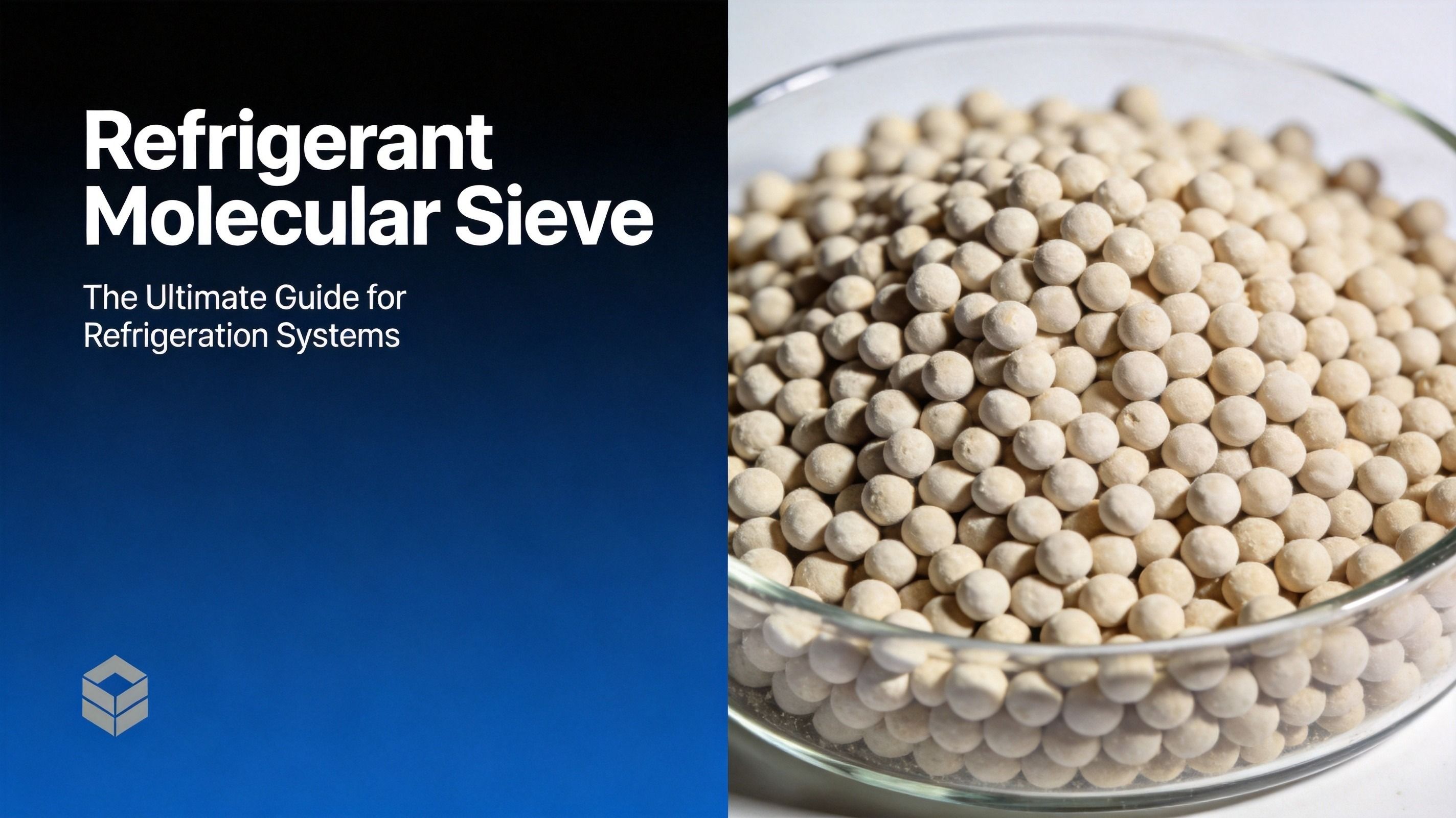
What Is a Refrigerant Molecular Sieve? XH Series | Sorbsieve
How XH Series refrigerant molecular sieves work, how to choose between XH-7, XH-9, and XH-11 grades, and how to install, maintain, and troubleshoot filter driers in HVAC&R systems.
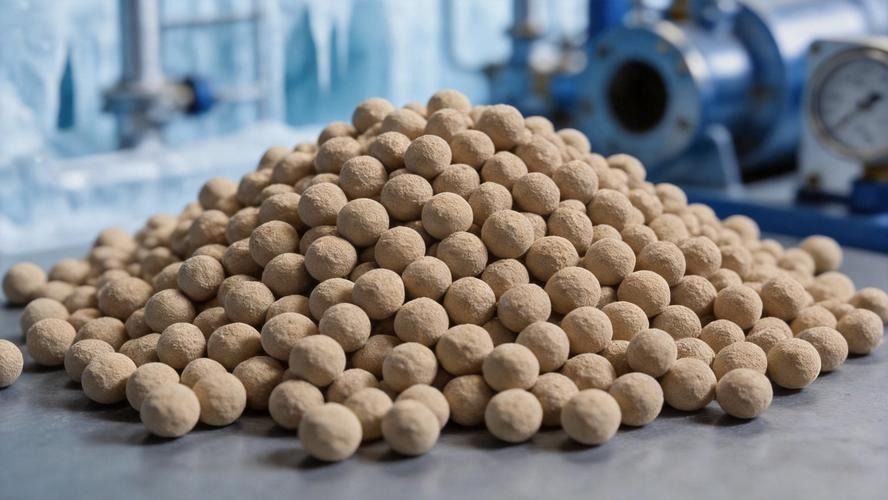
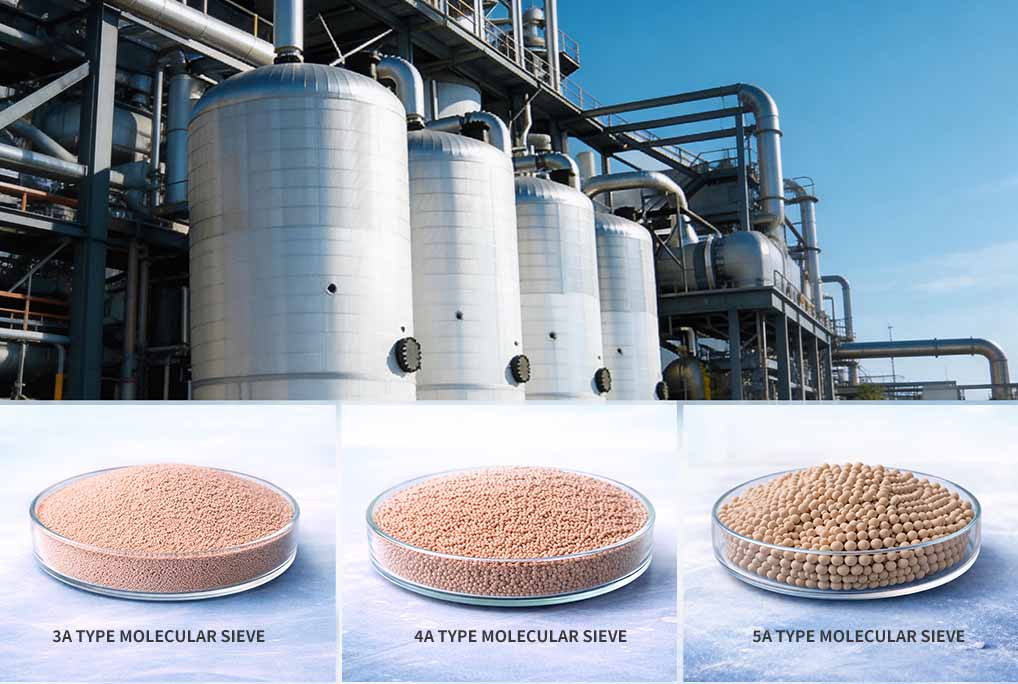
What is 3A Molecular Sieve? Uses, Specifications & How It Works
Everything you need to know about 3A molecular sieves: how they work, key properties, common applications in ethanol dehydration, natural gas processing & refrigeration, plus regeneration and selection tips.