What is 3A Molecular Sieve? Uses, Specifications & How It Works
Key Takeaways:
- 3A molecular sieve is a crystalline aluminosilicate desiccant with a uniform 3Å (0.3 nm) pore size that selectively adsorbs water while blocking all larger molecules — achieving residual moisture below 1 ppm.
- Primary industrial applications include fuel ethanol dehydration (≥99.5% purity), natural gas processing (dew points to -100°C), and instrument air systems.
- Fully regenerable via thermal or pressure swing methods, with a typical service life of 2–3 years under proper operating conditions.
What is a 3A Molecular Sieve?
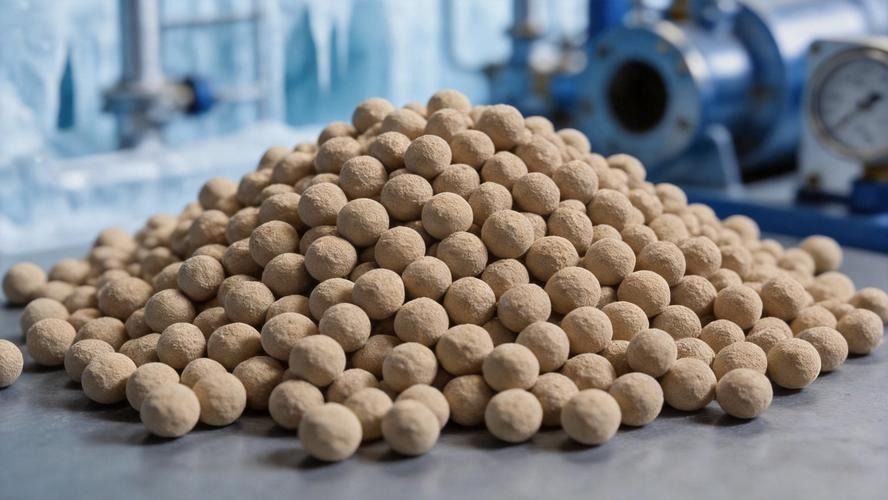
A 3A molecular sieve is a synthetic crystalline aluminosilicate desiccant with a precisely controlled pore diameter of 3 angstroms (0.3 nm). Its Type-A crystal structure is formed by potassium ion (K⁺) exchange, which reduces the effective pore opening from the 4Å of 4A zeolite to 3Å — creating a molecular-level filter that admits only the smallest molecules.
Molecular Size Comparison: Why 3Å Pores Are Selective
- Water (H₂O): 2.8 Å → ✅ Adsorbed (smaller than 3Å pore)
- 3A Pore Opening: 3.0 Å — the selectivity threshold
- Carbon Dioxide (CO₂): 3.3 Å → ❌ Excluded (larger than 3Å pore)
- Methane (CH₄): 3.8 Å → ❌ Excluded
- Ethanol (C₂H₅OH): 4.4 Å → ❌ Excluded
This size-selective mechanism means 3A molecular sieve removes water with surgical precision while preserving valuable product molecules — an advantage no conventional desiccant (silica gel, activated alumina, clay) can match.
Basic Composition:
- Type-A crystal structure (potassium-exchanged zeolite)
- K⁺ ions replace Na⁺ to create the smaller 3Å pore opening
- Available as beads (1.6–2.5 mm, 3–5 mm), pellets (1/16", 1/8"), or powder
- Synthetic zeolite with precise, uniform, and reproducible pore structure
How Do 3A Molecular Sieves Work?
3A molecular sieves operate through adsorption — a physical surface process, not a chemical reaction.
Adsorption mechanism in four steps:
- Wet gas or liquid flows through a packed bed of 3A molecular sieve
- Water molecules (kinetic diameter 2.8 Å) enter the 3Å pores and are trapped on the internal surface
- Larger molecules — ethanol, hydrocarbons — pass through unadsorbed
- The outlet stream exits at extremely low moisture content, typically <1 ppm
Because adsorption is a physical process, the sieve does not degrade or get consumed — it simply fills with water over time. Once saturated, it is fully regenerated by applying heat or reducing pressure, restoring it to near-original capacity for hundreds of cycles.
Why Selective Adsorption Matters in Industry: Conventional desiccants like silica gel adsorb water and all other condensable vapors indiscriminately. In ethanol dehydration or natural gas processing, this means losing product yield to the desiccant. 3A molecular sieves eliminate that problem — water is removed, but ethanol and methane molecules pass through untouched.
Key Properties Summary
- Pore Size: 3Å (0.3 nm)
- Water Adsorption Capacity: ≥20% by weight
- Max Operating Temperature: 400°C
- Regeneration Temperature: 200–350°C (TSA)
- Typical Service Life: 2–3 years
- Available Forms: Beads (1.6–2.5 mm, 3–5 mm), Pellets (1/16", 1/8")
- Selectivity: Water only — excludes all molecules >3Å
For complete technical specifications including bulk density, crushing strength, pH tolerance, and packaging options, see our 3A Molecular Sieve product page.
Common Applications of 3A Molecular Sieves
Fuel Ethanol & Biofuel Dehydration
3A molecular sieve is the industry-standard desiccant for fuel-grade ethanol production. Using Temperature Swing Adsorption (TSA), dual-bed systems dry ethanol to ≥99.5% (v/v) purity — the threshold required for fuel blending (E10, E85) and industrial solvent applications.
Why 3A is the only viable choice:
- Ethanol molecules (4.4 Å) exceed the 3Å pore → pass through unadsorbed → zero product loss
- Water molecules (2.8 Å) enter pores → adsorbed → <1 ppm residual moisture
- Dual-bed TSA enables continuous, uninterrupted operation with automatic cycle switchover
A Note on Refrigeration & HVAC Applications
3A molecular sieve shares a similar ~3Å pore size with the desiccant used in refrigerant filter driers, but dedicated HVAC/R duty requires a chemically distinct product engineered for stable long-term contact with refrigerants and lubricant oils. Standard 3A molecular sieve intended for general industrial dehydration is not qualified for refrigerant circuit service — for that application, see our Refrigerant Molecular Sieve (XH Series).
Natural Gas Processing & LNG
In natural gas treatment, 3A molecular sieve achieves dew points as low as -100°C — well below pipeline specifications and cryogenic processing thresholds.
Key hydrocarbon molecules all exceed 3Å pore size:
- Methane: 3.8 Å → excluded
- Ethane: 4.4 Å → excluded
- Propane: 5.0 Å → excluded
Water is removed without adsorbing any valuable hydrocarbons, making 3A essential for LNG feed gas drying, NGL recovery, and cryogenic gas processing where moisture freeze-out would block equipment.
Related: Molecular sieve for natural gas processing applications.
Instrument Air Drying
Pneumatic instrumentation requires extremely dry air (dew points ≤ -40°C) to prevent corrosion, valve malfunctions, and analyzer errors. 3A molecular sieve delivers consistent ultra-dry instrument air in cyclic PSA/TSA systems with long service life and compatibility with oil-free compressed air.
For compressed air pretreatment and removal of additional contaminants beyond moisture, see our Activated Alumina for Purification.
Cracker Gas Dehydration in Petrochemicals
In ethylene and propylene plants, 3A molecular sieves dry cracked gas streams before downstream cryogenic separation. The critical advantage: olefins (ethylene 4.2 Å, propylene 4.7 Å) pass through unadsorbed, preserving product yield while achieving the deep drying required for low-temperature fractionation.
Advantages of 3A Molecular Sieves
- High selectivity — Adsorbs only water; valuable product molecules pass through untouched
- Ultra-deep drying — Achieves dew points to -100°C and residual moisture <1 ppm
- Thermal stability — Operates continuously up to 400°C where other desiccants fail
- Long service life — 2–3 years of reliable service across hundreds of regeneration cycles
- Cost-effective — Higher initial cost offset by longer lifespan, resulting in lower total cost of ownership
- Environmentally inert — No hazardous waste; fully regenerable with thermal treatment
- Versatile forms — Beads, pellets, and powder available to match system design requirements
Regeneration Overview
3A molecular sieves are fully regenerable through two established methods:
Thermal Swing Adsorption (TSA):
- Heat saturated bed to 200–350°C using clean, dry purge gas
- Adsorbed water desorbs and is carried away from the bed
- Cool to operating temperature before returning to service
- Typical cycle: 2–6 hours
- Recommended for most industrial applications
Pressure Swing Adsorption (PSA):
- Reduce bed pressure while purging with product gas
- Water desorbs at lower partial pressure
- Typical cycle: 15–60 minutes
- Recommended for high-flow, continuous-duty operations
Critical Rule: Never exceed 400°C during regeneration — temperatures above this threshold cause permanent, irreversible damage to the crystal structure.
Best Practices for Maximum Lifespan:
- Use clean, dry regeneration gas free of oil and hydrocarbons
- Ensure uniform flow distribution across the adsorbent bed
- Increase temperature gradually to avoid thermal shock
- Monitor outlet dew point to confirm regeneration completion
- Schedule periodic bed inspections for channeling or attrition
How to Choose the Right 3A Molecular Sieve
Form Factor Selection
- Beads: Faster adsorption kinetics, better flow characteristics, most common choice for general applications
- Pellets (extrudates): Lower pressure drop, preferred for deeper beds and high-flow systems
- Powder: Specialized applications with space constraints
Particle Size Guide
- Beads 1.6–2.5 mm: Faster kinetics, moderate pressure drop — standard industrial duty
- Beads 3–5 mm: Lower pressure drop, slower kinetics — high-flow systems and longer beds
- Pellets 1/16": Very low pressure drop — deep beds and large-scale systems
- Pellets 1/8": Lowest pressure drop — maximum throughput applications
Application Grade
- Industrial grade: General dehydration (most common)
- Food grade: Ethanol dehydration, edible oils, beverage processing
- Pharmaceutical grade: Ultra-high purity for medical and pharmaceutical manufacturing
System Design Parameters
Before selecting your 3A molecular sieve, define:
- Feed gas/liquid composition and inlet moisture content
- Operating temperature and pressure range
- Required outlet dew point or residual moisture level
- Gas flow rate and desired cycle time
- Regeneration method (TSA vs. PSA) and available energy source
- Bed depth and vessel dimensions
Not sure which specification fits your system? Send your process parameters to our technical team for a tailored recommendation.
Recommended Products from Sorbsieve
3A Molecular Sieve — Available in beads (1.6–2.5 mm, 3–5 mm) and pellets (1/16", 1/8"). MOQ: 1 ton. Container-level bulk supply worldwide.
Related Products:
- 4A Molecular Sieve — General air and gas drying with slightly higher adsorption capacity
- Refrigerant Molecular Sieve (XH Series) — Chemically distinct product for dedicated HVAC/R filter drier duty, not a 3A variant
- 5A Molecular Sieve — PSA oxygen generation and hydrogen purification
Frequently Asked Questions
How long does 3A molecular sieve last?
Under normal operating conditions with proper regeneration, 3A molecular sieve provides 2–3 years of reliable service. Lifespan depends on:
- Operating temperature and pressure
- Feed composition and contaminant levels
- Presence of liquid water or oil carryover
- Regeneration frequency and quality
- Bed design and flow distribution
With optimal care, some installations report 4–5 years of service life.
Can 3A molecular sieve remove CO₂?
No. The 3Å pore is too small for CO₂ (kinetic diameter ~3.3 Å). For CO₂ removal, use 5A molecular sieve or 13X molecular sieve, which have larger pores (5 Å and 10 Å respectively) that accommodate CO₂ molecules.
What is the difference between adsorption and absorption?
Adsorption is a surface phenomenon — molecules adhere to the internal pore surface of the desiccant through physical van der Waals forces. It is reversible, which is why molecular sieves can be regenerated hundreds of times.
Absorption is a bulk phenomenon — molecules penetrate into the material's internal structure (like a sponge soaking up water). It often involves chemical changes and is generally not reversible.
Molecular sieves use adsorption, making them regenerable and reusable.
How should unused 3A molecular sieve be stored?
Store in sealed, original packaging in a cool, dry environment (below 50% RH if possible). Once opened, molecular sieve immediately begins adsorbing ambient moisture.
Storage best practices:
- Keep packaging sealed until ready to use
- Transfer opened material to airtight containers with minimal headspace
- Regenerate any material exposed to air for more than a few hours before use
Can 3A molecular sieve be regenerated indefinitely?
Not indefinitely. Each thermal cycle causes gradual crystal structure degradation:
- 1–200 cycles: Full adsorption capacity maintained
- 200–500 cycles: Gradual capacity decline (5–10%)
- 500–1,000 cycles: Noticeable reduction (10–20%)
- 1,000+ cycles: Replacement typically recommended
Proper regeneration technique — avoiding overheating, using clean purge gas, ensuring uniform heating — significantly extends usable life.
What is the difference between 3A and 4A molecular sieve?
The core difference is pore size:
- 3A: 3 Å pore — highly selective, adsorbs water only; ideal for ethanol dehydration and natural gas with heavy hydrocarbons
- 4A: 4 Å pore — broader adsorption, can co-adsorb water + small organics (CO₂, methanol, NH₃); ideal for general air drying and compressed air systems
For detailed comparison and selection guidance, see our complete 4A molecular sieve product page.
Conclusion
3A molecular sieve is the benchmark industrial desiccant for applications requiring ultra-deep, selective water removal. Its 3Å pore size creates a molecular-level filter that removes water to <1 ppm while preserving valuable product molecules — delivering performance that silica gel, activated alumina, and clay desiccants cannot achieve.
From fuel ethanol production (≥99.5% purity) to natural gas processing (-100°C dew points), 3A molecular sieve provides reliable, regenerable, cost-effective dehydration with a 2–3 year service life.
Looking for Bulk Supply of 3A Molecular Sieves?
Sorbsieve is a trusted bulk supplier of 3A molecular sieve and industrial desiccant solutions, serving B2B buyers across the Middle East — including UAE, Saudi Arabia, Egypt, Iraq, Qatar, Kuwait, and Oman.
What we provide:
- Container-level supply (20'GP / 40'GP / 40'HQ) from major Chinese ports
- Full documentation per batch: COA, TDS, SDS, COO, Form E (Middle East tariff benefits)
- Packaging options: 25 kg drums, 150 kg steel drums, 500 kg super sacks, 1000 kg jumbo bags
- Technical support for molecular sieve selection, bed sizing, and system optimization
- Quote response within 24 hours
- MOQ starting from 1 ton — suitable for trial orders and long-term supply agreements
Contact our team for bulk pricing, product samples, or technical consultation.
Related Products
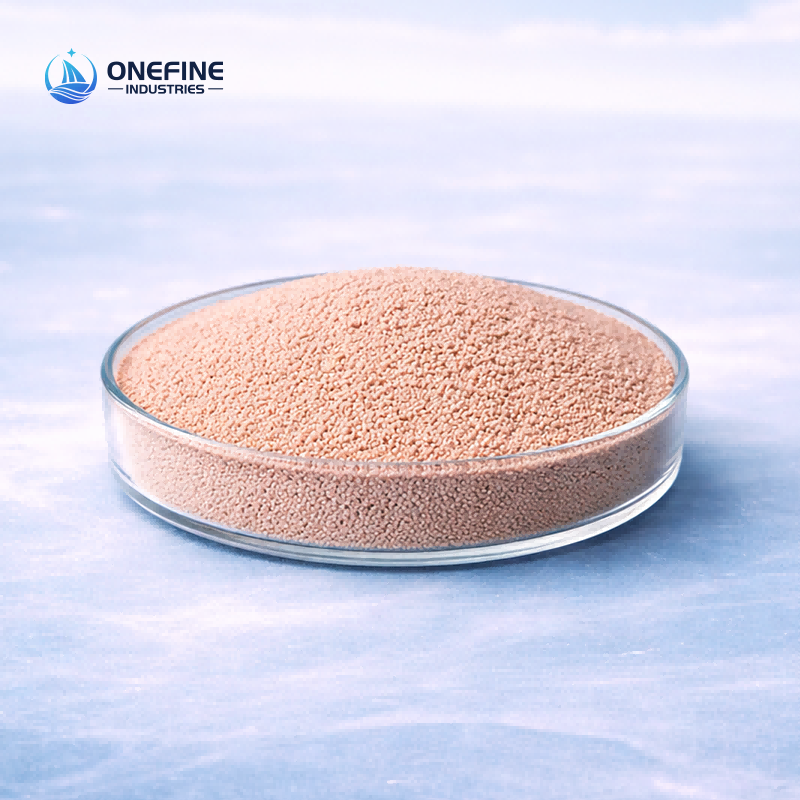
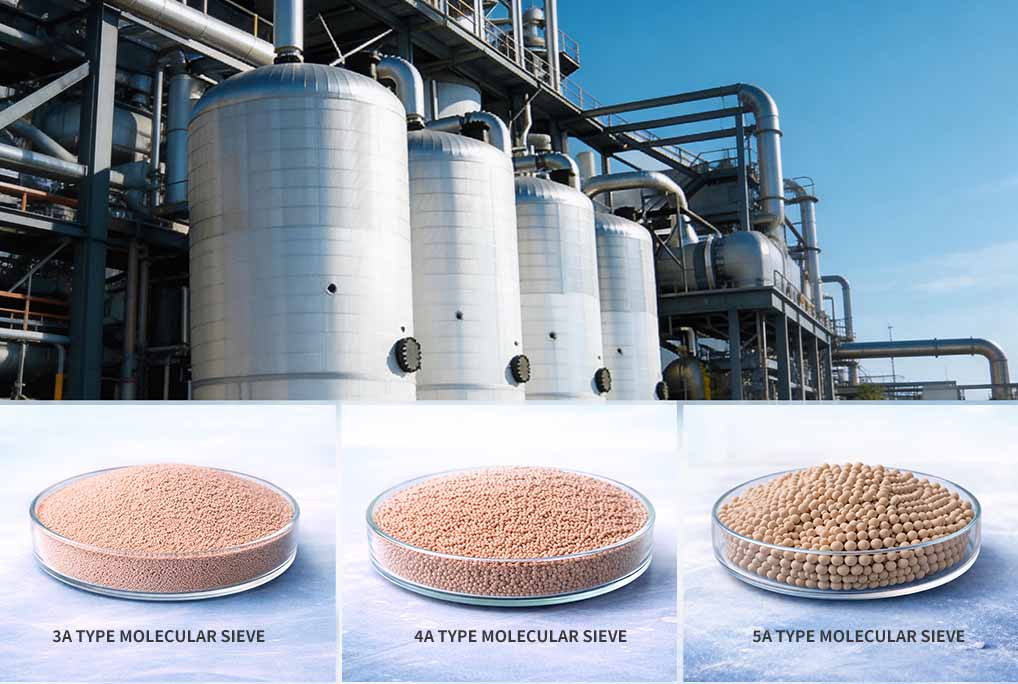
3A Molecular Sieve
High-efficiency 3A molecular sieve desiccant for ultra-deep industrial dehydration. Available in beads and pellets, 2-3 year service life with proper regeneration.
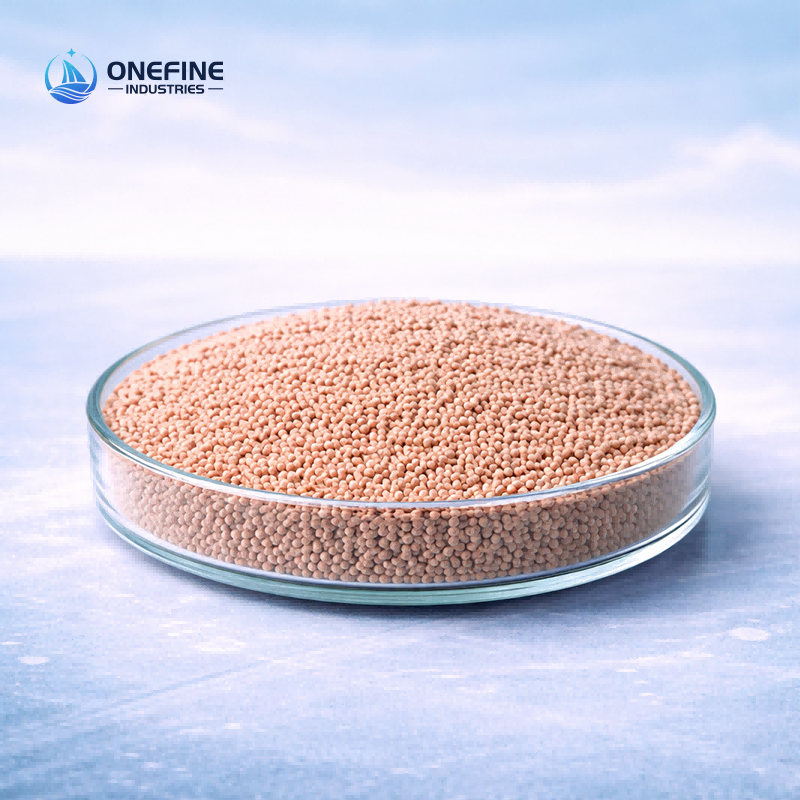
4A Molecular Sieve
General-purpose 4A molecular sieve desiccant for industrial air drying, solvent dehydration, CO2 removal, and static packaging applications. High capacity, long service life.
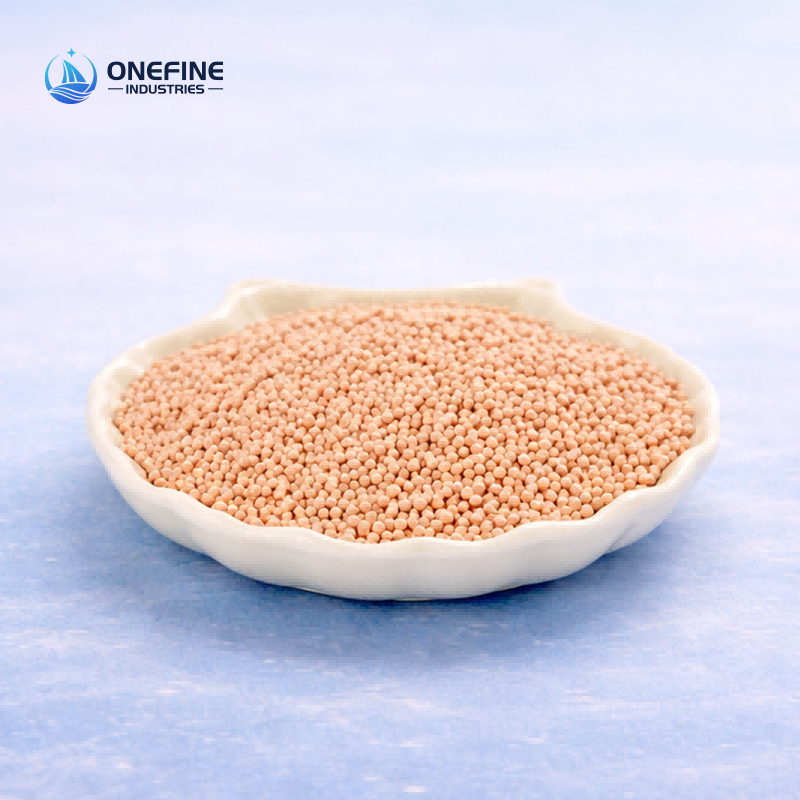
Refrigerant Molecular Sieve (XH Series)
XH Series refrigerant molecular sieves are high-performance zeolite desiccants engineered for deep moisture removal in refrigeration and air conditioning systems. XH-7 is the industry-standard grade for R134a and most HFC/HCFC/HFO systems, while XH-9 delivers universal compatibility across nearly all refrigerant types. XH-5 and XH-11 complete the range for legacy and next-generation applications. Available in beads, pellets, and pre-charged filter drier cores, with MOQ from 1 ton.
Related Reading
What Is a Refrigerant Molecular Sieve? XH Series | Sorbsieve
How XH Series refrigerant molecular sieves work, how to choose between XH-7, XH-9, and XH-11 grades, and how to install, maintain, and troubleshoot filter driers in HVAC&R systems.
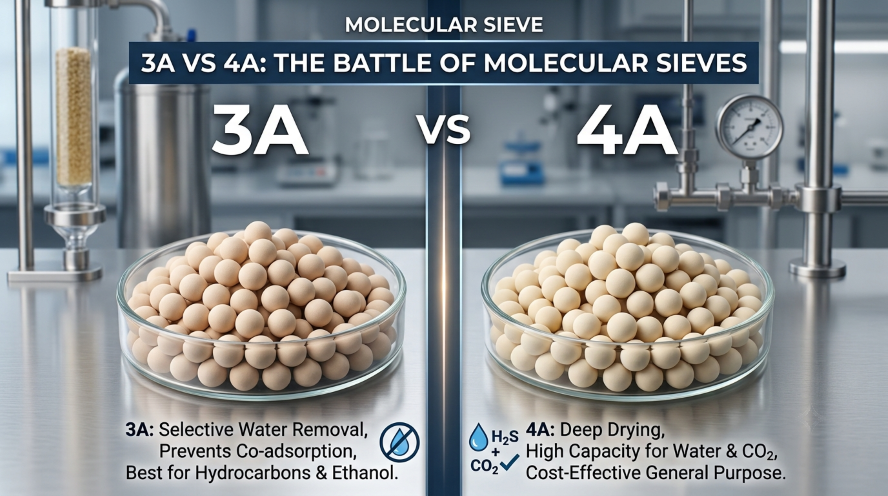
3A vs 4A Molecular Sieve: Key Differences & How to Choose
In-depth guide comparing 3A and 4A molecular sieves. Covers pore size differences, adsorption selectivity, capacity comparison, application scenarios for each type, and practical guidance on selecting the right molecular sieve for your industrial drying or gas separation needs.