The Essential Guide to Refrigerant Molecular Sieves in HVAC Systems
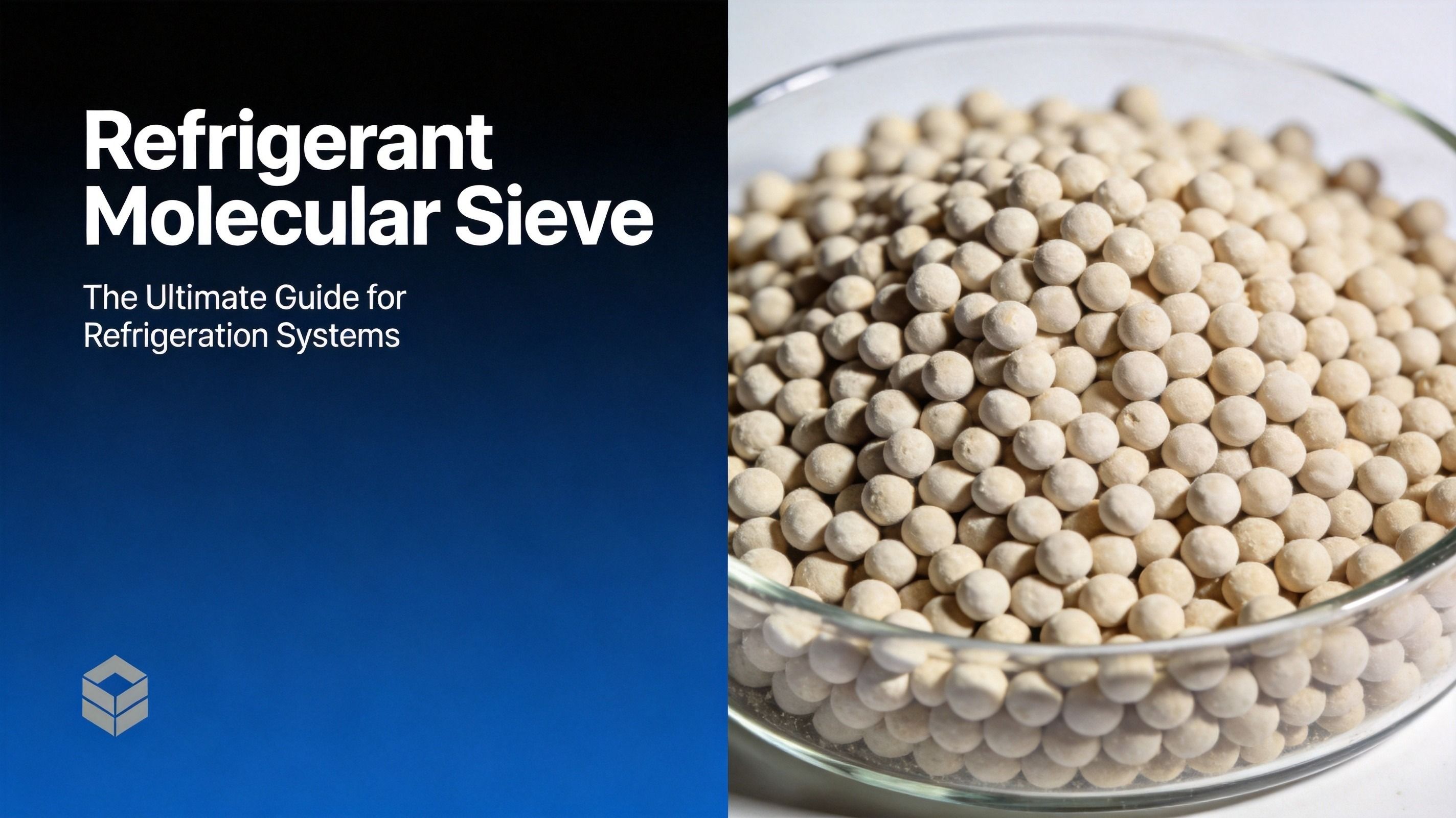
Moisture is one of the most dangerous contaminants in refrigeration and air conditioning systems. Even small amounts of water can cause significant damage, including ice formation at expansion valves, acid formation that corrodes system components, and reduced heat transfer efficiency. This is where refrigerant molecular sieves come in — specialized desiccants engineered for moisture removal in HVAC&R systems. This guide covers their working principles, refrigerant compatibility, selection criteria, and maintenance best practices.
Key Takeaways:
- Working Principle: Combines 3Å size exclusion and strong cation electrostatic attraction to remove ppm-level moisture without co-adsorbing refrigerants.
- Desiccant Comparison: Outperforms silica gel and activated alumina in deep drying capacity, chemical inertness, and resistance to acid buildup.
- Refrigerant Selectivity: Essential for zeotropic blends to prevent fractionation and composition shifts during system operation.
- Maintenance Best Practice: Always replace filter driers during service or after compressor burnouts; on-site thermal regeneration of sealed cores is not recommended.
What is a Refrigerant Molecular Sieve?
A refrigerant molecular sieve is a type of synthetic zeolite desiccant specifically formulated for drying refrigerants. Unlike general-purpose desiccants, refrigerant-grade molecular sieves are engineered with precise pore sizes and chemical compositions that selectively adsorb water molecules while excluding larger refrigerant molecules, lubricants, and system additives.
The most common type used in refrigeration applications is our 3A Molecular Sieve , which has a pore diameter of exactly 3 angstroms (Å). This size is critical because water molecules have a kinetic diameter of approximately 2.8 Å, allowing them to be easily adsorbed, while most refrigerant molecules range from 4-6 Å in diameter, keeping them outside the pore structure.
Why Not Other Desiccant Types?
While silica gel and activated alumina are also used as desiccants in some applications, they are less suitable for refrigerant drying:
- Silica gel has a broader pore size distribution and can co-adsorb refrigerant molecules and additives, potentially altering system chemistry
- Activated alumina has lower adsorption capacity for water at low concentrations and may react with certain refrigerants or oils
- Molecular sieves offer precise size selectivity, higher adsorption capacity at low moisture levels, and better chemical stability — making them ideal for refrigerant drying applications where ppm-level moisture control is required
How Refrigerant Molecular Sieves Work
Refrigerant molecular sieves operate on two fundamental principles: size exclusion and electrostatic attraction.
Size Exclusion (Molecular Sieving)
The crystalline structure of molecular sieves contains uniform, precisely-sized pores. Molecules smaller than the pore diameter (like water at 2.8 Å) enter the pores and are adsorbed, while molecules larger than the pore diameter (like refrigerants at 4-6 Å) pass through without being adsorbed. This selective adsorption ensures that only water is removed from the system, preserving the refrigerant charge and maintaining the proper oil-refrigerant ratio.
Electrostatic Attraction
Beyond size exclusion, molecular sieves use electrostatic forces to attract and hold polar molecules. Water is a highly polar molecule, and the zeolite framework contains positively charged cations that create strong electrostatic fields within the pores. These fields strongly attract polar water molecules, holding them tightly even at low concentrations and elevated temperatures — this is why molecular sieves can achieve deep drying down to single-digit ppm moisture levels.
Adsorption Dynamics
The adsorption process in a filter drier follows these general stages: as refrigerant flows through the drier, water molecules transfer from the liquid phase to the desiccant surface (mass transfer), diffuse into the pore structure and are adsorbed (adsorption), the desiccant eventually becomes saturated (saturation), and once saturated, moisture begins to pass through into the system (breakthrough). Service life depends on initial moisture load, system leak tightness, operating temperature, and desiccant quantity.
Types of Refrigerants and Compatibility
Different refrigerants have different properties, and not all molecular sieves are compatible with every refrigerant type.
HFC Refrigerants (R134a, R32, R410A, R404A, R507)
HFCs are the most common refrigerants in use today, typically paired with polyol ester (POE) lubricating oils, which are highly hygroscopic. 3A molecular sieve is the standard desiccant for HFC systems because it does not adsorb HFC molecules, is compatible with POE oils, and provides the deep drying required to prevent acid formation.
HCFC Refrigerants (R22, R123)
HCFCs are being phased out globally but are still found in many older systems, typically using mineral oil or alkylbenzene lubricants. 3A molecular sieve is also suitable for HCFC applications, though some older systems use 4A Molecular Sieve in specific cases.
HFO Refrigerants (R1234yf, R1234ze)
HFOs are the newest generation of refrigerants, with very low global warming potential, often used in automotive and commercial HVAC systems. Specialized 3A molecular sieve formulations may be required to ensure optimal compatibility, as some HFO molecules can be more prone to co-adsorption.
Natural Refrigerants (R600a, R290, CO₂, Ammonia)
R600a (isobutane) and R290 (propane) are hydrocarbons used in domestic and light commercial refrigeration, fully compatible with 3A molecular sieve. CO₂ (R744) systems operate at much higher pressures and temperatures, often requiring special high-density formulations. Ammonia (R717) systems typically use other drying methods, as ammonia can react with molecular sieves.
Blend Refrigerants and Fractionation
For zeotropic refrigerant blends, there is a concern about composition shift if one component is preferentially adsorbed by the desiccant. This is why 3A molecular sieve is critical — it ensures none of the refrigerant components are adsorbed, preserving blend composition and system performance. For a deeper comparison of how different pore sizes behave across applications, see our 3A vs 4A Molecular Sieve guide.
Applications Across HVAC&R
Refrigerant molecular sieves find use across the entire spectrum of heating, ventilation, air conditioning, and refrigeration applications — from residential split systems and ductless mini-splits, to commercial rooftop units and chillers, supermarket display cases and cold storage warehouses, automotive receiver driers and accumulators, industrial process refrigeration, and bi-flow heat pump systems that reverse refrigerant flow direction.
Selection Guide: Choosing the Right Molecular Sieve
Selecting the appropriate refrigerant molecular sieve involves considering several key factors.
1. Pore Size
The pore size is the most critical selection criterion. Always confirm the molecular sieve is explicitly labeled as refrigerant grade and 3A type — for full specifications, see our Refrigerant Molecular Sieve product page. Larger-pore types such as 4A or 5A are generally not recommended for refrigerant drying, as they can adsorb some refrigerant molecules and additives. For readers comparing 3A against 4A specifically, see What is 3A Molecular Sieve? .
2. Particle Size and Shape
Molecular sieves for refrigerant applications are typically available as beads (1.6-2.5 mm, the most common form), pellets, or powder for manufacturing desiccant cores. Smaller particles provide faster adsorption kinetics but create higher pressure drop; larger particles offer lower flow resistance but slower mass transfer.
3. Formulation and Additives
Refrigerant-grade molecular sieves often contain low-dust formulations, binder materials compatible with refrigerants and oils, and sometimes additives for acid removal.
4. System-Specific Considerations
Verify refrigerant type compatibility, lubricant type compatibility (POE, PVE, mineral oil), operating temperature range, system size for correct desiccant quantity, and relevant industry standards (ASHRAE, DIN, etc.).
Installation and Best Practices
Handling Precautions
Molecular sieve is highly hygroscopic and will quickly adsorb moisture from the air if left exposed. Keep desiccant containers sealed until immediately before use, minimize exposure time during installation, and never use desiccant from damaged or previously opened containers.
Installation Best Practices
Ensure the filter drier is appropriately sized for the system's refrigerant charge and flow rate. Install in the liquid line before the expansion device, following manufacturer flow direction indicators. Secure mounting to prevent vibration-related damage, and properly evacuate the system after installing a new drier.
Replacement and Maintenance
Follow manufacturer recommendations for replacement intervals (typically every 2-5 years for properly maintained systems). Always install a new filter drier whenever the system is opened for service, after a compressor burnout, or at signs of failure such as high pressure drop or moisture indication.
Common Issues and Troubleshooting
Ice Formation at Expansion Valve — usually caused by insufficient drying capacity, saturated desiccant, or system leaks. Solution: replace the filter drier with a properly sized unit and repair any leaks.
Acid Formation and System Corrosion — caused by high moisture levels reacting with refrigerant and oil to form organic acids. Solution: replace the filter drier with a high-acid-adsorption type and consider a suction line filter drier for added protection.
High Pressure Drop Across Drier — usually from a clogged desiccant bed or improper sizing. Solution: replace the drier and verify correct sizing for the application.
Desiccant Dust Contamination — caused by poor-quality desiccant or improper handling. Solution: use only high-quality, low-dust refrigerant-grade molecular sieve and ensure proper installation.
The Future of Refrigerant Molecular Sieves
As the HVAC&R industry evolves, the phase-down of high-GWP refrigerants is driving adoption of HFOs and natural refrigerants, requiring new molecular sieve formulations optimized for these fluids. Rising efficiency standards are also pushing toward formulations that deliver the same drying performance with less desiccant and lower pressure drop, alongside longer service life and — in some systems — integrated smart moisture monitoring for predictive maintenance.
Conclusion
Refrigerant molecular sieves quietly protect HVAC&R systems from the damaging effects of moisture. The 3A molecular sieve, with its precise pore size and selective adsorption, provides the deep drying necessary for reliable, efficient, and long-lasting refrigeration and air conditioning systems. Understanding how these desiccants work, which type to select, and how to properly install and maintain them is essential for anyone working with refrigeration systems.
Frequently Asked Questions
Q: What's the practical difference between using 3A, 4A, and 5A molecular sieve in refrigerant systems? A: 3A is the standard choice because its smaller pore size excludes refrigerant molecules and oil additives. 4A and 5A have larger pores that can co-adsorb parts of the refrigerant or oil system, which is why they're generally reserved for other drying applications like natural gas rather than refrigerant circuits.
Q: Does molecular sieve work the same way in both cooling and heating mode for heat pumps? A: The desiccant itself works the same way regardless of flow direction, but the filter drier housing needs to be a bi-flow design so refrigerant can pass through the desiccant bed correctly whichever direction it's flowing.
Q: How is refrigerant molecular sieve different from the desiccant used in general industrial drying? A: Refrigerant-grade material goes through tighter formulation and quality control specifically for chemical compatibility with refrigerants and lubricants, and for low dust generation — general industrial-grade molecular sieve isn't tested to the same standard for these systems.
Q: Can the same filter drier be used across different refrigerant types if I switch systems? A: Not necessarily — while 3A molecular sieve itself has broad refrigerant compatibility, the physical filter drier (housing, connections, pressure rating) needs to match the specific refrigerant and system design, so drier selection should always be checked against the new system's requirements.
Recommended Products from Sorbsieve
Looking for the right desiccant for your refrigeration or HVAC project? Sorbsieve supplies Refrigerant Molecular Sieve (3A Type) for HFC, HCFC, HFO, and natural refrigerant systems, and standard 3A Molecular Sieve for broader industrial drying applications (see full product specifications and internal links earlier in this guide).
Looking for Bulk Supply of Refrigerant Molecular Sieve?
Sorbsieve is a trusted bulk supplier of refrigerant molecular sieve and complete industrial adsorbents, serving industrial buyers across the Middle East.
We provide:
- ✅ Container-level supply (20'GP / 40'GP / 40'HQ)
- ✅ Full documentation (COA / TDS / SDS / COO)
- ✅ Multiple packaging options, including pre-charged filter drier cores
- ✅ Technical support for refrigerant molecular sieve selection and system compatibility
- ✅ Fast quote response for industrial inquiries
Contact our team for bulk pricing, product samples, and technical consultation.
Related Products
3A Molecular Sieve
High-efficiency 3A molecular sieve desiccant for ultra-deep industrial dehydration. Available in beads and pellets, 2-3 year service life with proper regeneration.
4A Molecular Sieve
General-purpose 4A molecular sieve desiccant for industrial air drying, solvent dehydration, CO2 removal, and static packaging applications. High capacity, long service life.
Refrigerant Molecular Sieve (XH Series)
High-performance XH Series refrigerant molecular sieve for HVAC&R system drying. Compatible with all major refrigerants including HFCs, HFOs, HCFCs, and natural refrigerants. Excellent moisture removal efficiency with long service life. Available in bulk quantities and pre-charged filter drier cores, with MOQ from 1 ton.
Related Applications
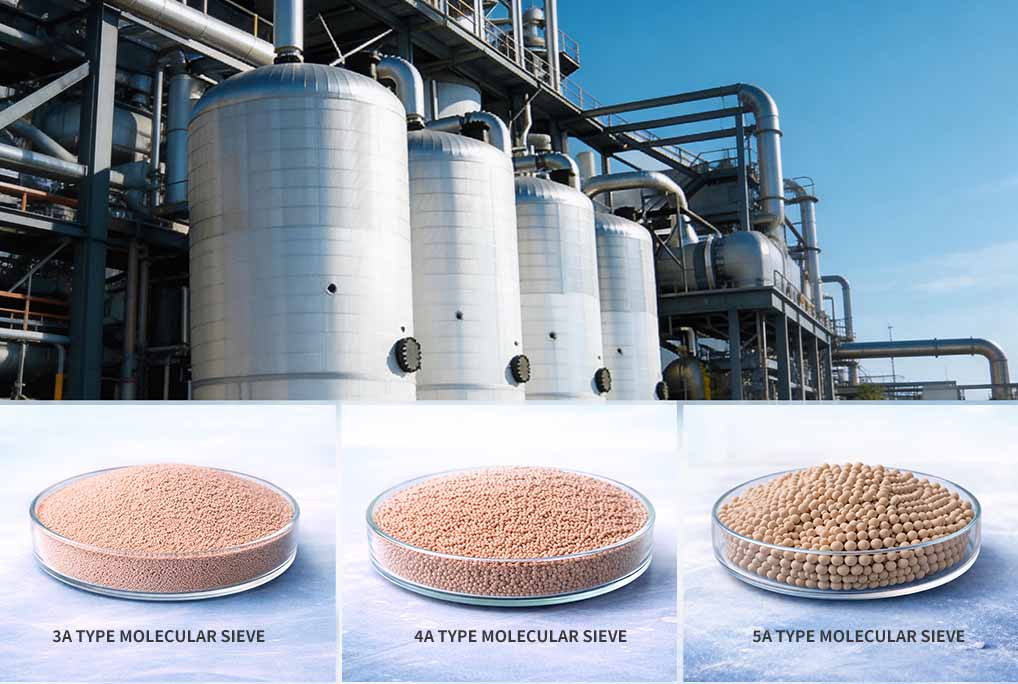
Molecular Sieve for Natural Gas: Applications in Dehydration, CO2 Removal, LNG Pre-Treatment, and Gas Purification
Natural gas requires molecular sieve at nearly every purification stage — from bulk dehydration to the ppm-level purity needed for LNG production. This case covers four core applications (dehydration, CO2/H2S removal, LNG pre-treatment, and gas purification) with the sieve type, specifications, and supply details for each.
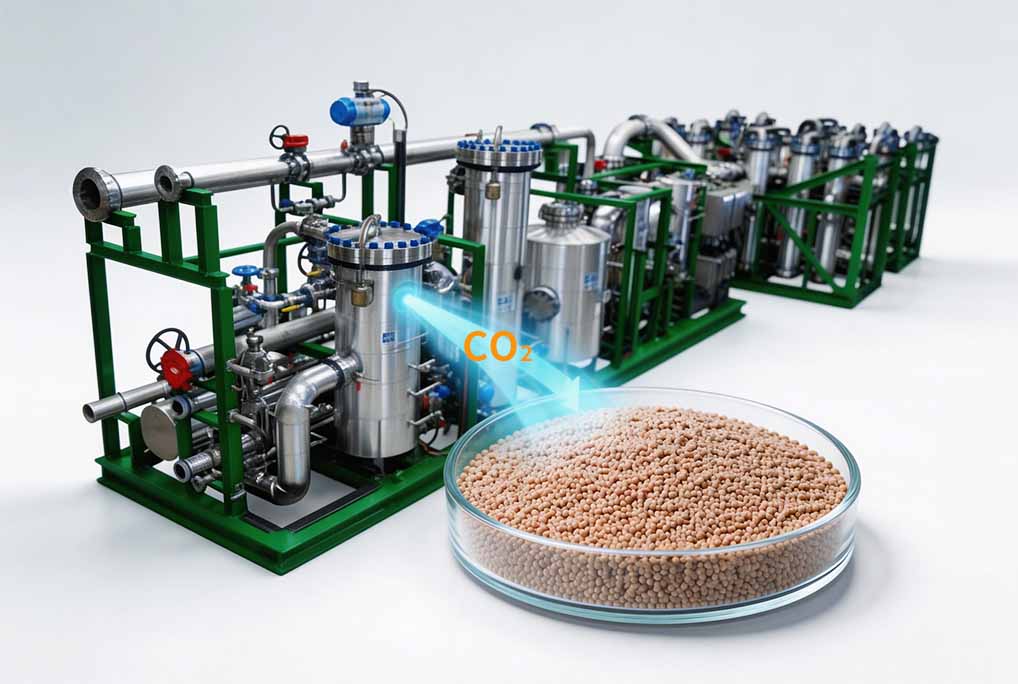
Molecular Sieve for CO2 Removal: Applications in Air Separation, Natural Gas Processing, and Biogas Upgrading
Molecular sieve enables CO2 removal across air separation, natural gas, and biogas systems, plus CO2 gas drying for liquefaction and food-grade use. This case focuses on biogas upgrading and CO2 drying — two applications not covered in our other case analyses.
Related Reading
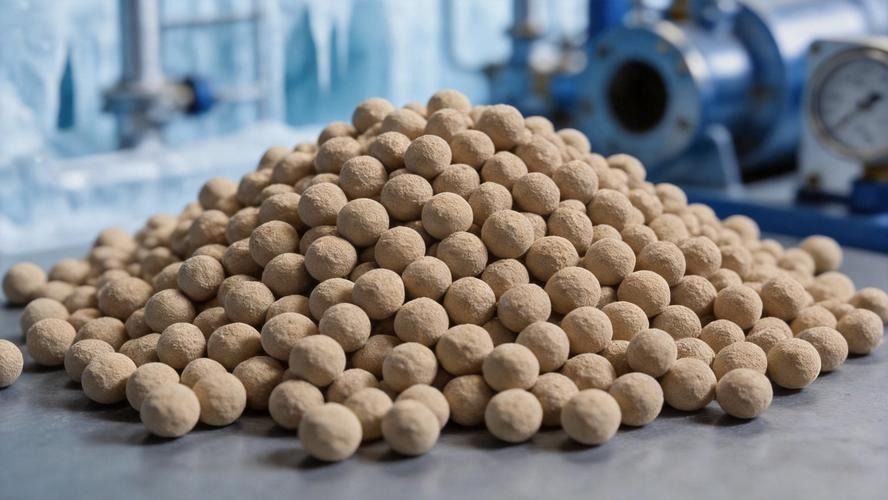
What is 3A Molecular Sieve? Uses, Specifications & How It Works
Everything you need to know about 3A molecular sieves: how they work, key properties, common applications in ethanol dehydration, natural gas processing & refrigeration, plus regeneration and selection tips.
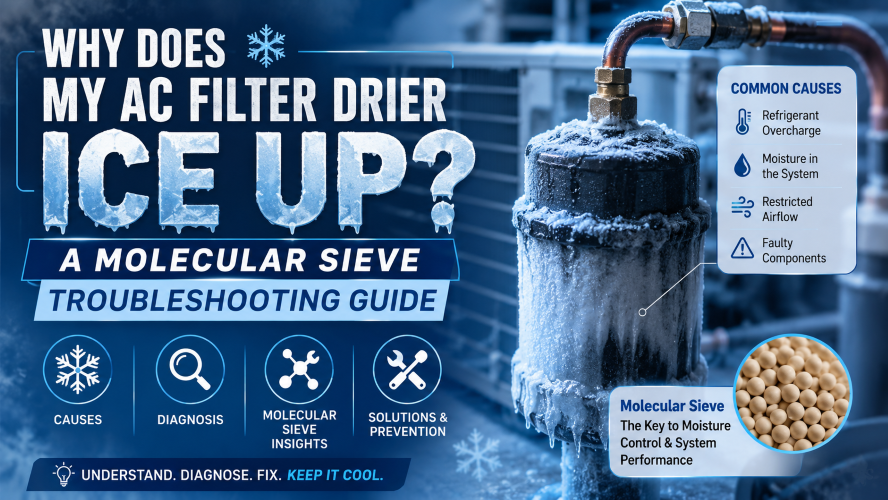
Why Does My AC Filter Drier Ice Up? A Molecular Sieve Troubleshooting Guide
A practical troubleshooting guide explaining why AC and refrigeration filter driers ice up — covering desiccant saturation, restriction, wrong molecular sieve type, and poor evacuation as root causes, plus step-by-step diagnosis and fixes.