3A vs 4A Molecular Sieve: Key Differences & How to Choose
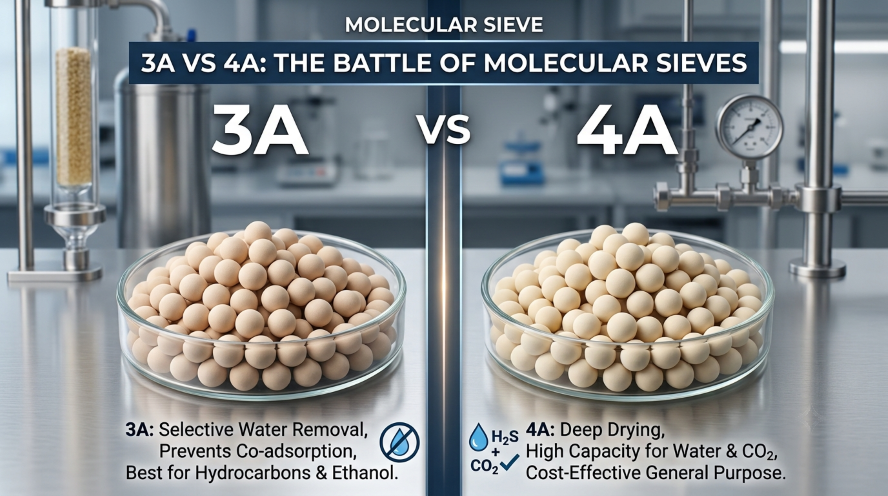
When it comes to industrial desiccants and gas separation, molecular sieves are among the most versatile and effective materials available. But with so many types and grades on the market, selecting the right one for your application can be confusing. Two of the most commonly used molecular sieves are 3A molecular sieve and 4A molecular sieve — and while they may sound similar, their differences are critical to performance.
In this comprehensive guide, we'll break down everything you need to know about 3A vs 4A molecular sieves: how they work, their key differences, typical applications, and how to choose the right one for your specific needs.
Key Takeaways
- 3A molecular sieve (~3Å pore) is highly selective for water only, making it essential to prevent product loss in ethanol and natural gas dehydration.
- 4A molecular sieve (~4Å pore) co-adsorbs water alongside CO₂, H₂S, and light hydrocarbons for multi-contaminant removal.
- For HVAC&R refrigerant circuits, neither 3A nor 4A is appropriate; systems strictly require the chemically engineered XH Series.
What is Molecular Sieve?
Before diving into the comparison, let's start with the basics. Molecular sieves are crystalline aluminosilicate materials with a highly porous structure containing uniform, precisely sized pores. These pores — measured in angstroms (Å) — allow molecules smaller than the pore size to be adsorbed while excluding larger molecules.
This selective adsorption property makes molecular sieves incredibly useful for:
- Drying gases and liquids
- Separating gas mixtures
- Purifying process streams
- Removing contaminants
- Catalysis support
The number in the molecular sieve name (3A, 4A, 5A, 13X) refers to the pore size in angstroms. So a 3A molecular sieve has pores that are approximately 3 angstroms in diameter, while a 4A molecular sieve has 4 angstrom pores.
What is 3A Molecular Sieve?
3A molecular sieve is the smallest pore size sieve commercially available (~3Å), highly selective for water only. It's created by exchanging sodium ions with potassium ions in the base 4A crystal structure, which shrinks the pore opening from 4Å to 3Å.
Key selling points:
- Excludes molecules larger than water (ethanol, CO₂, hydrocarbons)
- Best for selective drying where product preservation matters
- Common applications: ethanol dehydration, natural gas with heavy hydrocarbons, industrial solvent drying
For complete specifications, detailed applications, and regeneration procedures, see our full guide: What is 3A Molecular Sieve? Uses, Specifications & How It Works.
What is 4A Molecular Sieve?
4A molecular sieve is the sodium form of Type A zeolite with a ~4Å pore opening. It's the most widely used molecular sieve type and serves as the base material for 3A and 5A sieves.
Key selling points:
- Adsorbs water plus small polar molecules (CO₂, H₂S, methanol, ethanol vapor)
- Higher total adsorption capacity than 3A
- Common applications: general air drying, CO₂ removal, natural gas sweetening, detergent building
Key Differences Between 3A and 4A Molecular Sieve
Now let's compare these two molecular sieves side by side across the most important factors:
1. Pore Size & Selectivity
- 3A: ~3Å, highly selective for water only
- 4A: ~4Å, adsorbs water + many small molecules (CO₂, H₂S, light hydrocarbons, methanol, ethanol)
- Why it matters: 3A is best when you need to remove water without adsorbing other valuable components
2. Adsorption Capacity
- 3A: Lower total capacity due to smaller pores and higher selectivity
- 4A: Higher total capacity — more molecule types fit into the pores
- Why it matters: 4A removes more contaminants per unit, but may also adsorb product molecules you want to keep
3. Water Adsorption Rate
- 3A: Fast kinetics, often faster than 4A for water-only removal
- 4A: Slightly slower when competing molecules are present
- Why it matters: In water-only applications, 3A is more efficient per water molecule
4. Co-Adsorption
- 3A: Minimal co-adsorption of hydrocarbons, CO₂, and other larger molecules
- 4A: Significant co-adsorption of CO₂, H₂S, methanol, ammonia, light hydrocarbons
- Why it matters: In natural gas applications, 3A prevents loss of valuable product
5. Regeneration Energy
- 3A: Slightly less energy, since it primarily holds water
- 4A: May require more energy due to stronger adsorption of larger molecules
- Why it matters: Lower regeneration energy = lower operating cost
6. Temperature Resistance
- 3A: Excellent, withstands regeneration up to 300–350°C
- 4A: Also excellent, similar temperature range
- Why it matters: No significant difference — both handle standard regeneration well
7. Cost
- 3A: Generally more expensive (extra potassium exchange step)
- 4A: Typically less expensive — base form of Type A sieve
- Why it matters: 3A's higher upfront cost often pays off where selectivity prevents product loss
8. Typical Service Life
- 3A: Long (3–5 years) — fewer contaminants foul the pores
- 4A: Slightly shorter in some applications due to fouling risk
- Why it matters: 3A may need less frequent replacement in selective drying applications
Application Comparison: When to Use 3A vs 4A
The choice between 3A and 4A ultimately comes down to what you're trying to dry or separate. Here are common application scenarios:
Choose 3A Molecular Sieve When:
- Ethanol dehydration — removing water from ethanol for fuel grade or anhydrous production
- Natural gas with heavy hydrocarbons — drying while minimizing propane/butane loss
- Insulating glass manufacturing — drying the air space in double-glazed windows
- Any selective drying application — removing water without affecting other stream components
- Mixed solvent drying — drying a solvent without adsorbing the solvent itself
Choose 4A Molecular Sieve When:
- General compressed air drying — standard industrial drying where co-adsorption isn't a concern
- CO₂ removal — removing both water and carbon dioxide from gas streams
- Detergent manufacturing — phosphate-free detergent builder for water softening
- Multi-contaminant removal — removing water plus other small polar contaminants
- Pre-purification in air separation — removing water and CO₂ before cryogenic distillation
- Cost-sensitive applications — where budget is tight and selectivity isn't critical
- Static drying applications — packaging desiccants, shipping container drying
Neither 3A nor 4A — Refrigerant & HVAC/R Systems: Refrigerant circuit drying (HFCs, HFOs, natural refrigerants, hydrocarbon refrigerants) requires a chemically distinct product engineered for stable long-term contact with refrigerants and lubricant oils — not standard 3A or 4A. 4A molecular sieve should never be used for refrigerant drying. See our dedicated Refrigerant Molecular Sieve (XH Series) for HVAC/R filter drier applications.
Real-World Example: Natural Gas Dehydration
To illustrate the difference, consider natural gas dehydration — one of the most common bulk applications for both grades. See our full breakdown in Molecular Sieve for Natural Gas: Applications in Dehydration, CO2 Removal, LNG Pre-Treatment, and Gas Purification.
With 4A Molecular Sieve:
- Water removal: Effective
- Co-adsorption: Also adsorbs CO₂, H₂S, and light hydrocarbons (propane, butane)
- Regeneration frequency: Higher — more frequent regeneration needed
- Product value impact: Lost hydrocarbons reduce product value
- Cost profile: Lower upfront sieve cost, higher operating cost
With 3A Molecular Sieve:
- Water removal: Effective
- Co-adsorption: Removes only water (and methanol if present) — no hydrocarbon loss
- Regeneration frequency: Lower — longer cycle times between regenerations
- Product value impact: Product value preserved
- Cost profile: Higher sieve cost, better overall economics
This is why most modern natural gas dehydration plants use 3A molecular sieve — the selectivity pays for itself in reduced product loss.
How to Choose the Right Molecular Sieve
When selecting between 3A and 4A, ask yourself these questions:
1. What are you trying to remove?
- If it's only water → 3A is usually the better choice
- If it's water + other contaminants (CO₂, H₂S, etc.) → 4A may be more appropriate
2. What's in your process stream?
- If the stream contains valuable components larger than 3Å → 3A prevents product loss
- If the stream is mostly air or inert gas → 4A works fine and costs less
3. What's your operating temperature and pressure?
- Both sieves work across a wide range of conditions
- Higher temperatures generally favor 3A due to its stronger water adsorption
4. What's your budget?
- 4A has lower upfront cost
- 3A often provides better long-term value in selective applications
- Calculate total cost of ownership (sieve cost + regeneration cost + product loss)
5. Do you need help selecting?
- Get a sample: Test both types with your actual process stream
- Consult an expert: Molecular sieve suppliers can help model your specific application
- Consider a mixed bed: Some applications benefit from layered beds — see our comparison guide Silica Gel vs Molecular Sieve: Key Differences, Uses & Which to Choose
Recommended Products from Sorbsieve
Ready to source? Explore our bulk-grade molecular sieve products:
3A Molecular Sieve — Industrial-grade selective desiccant for ethanol dehydration and natural gas processing. Available in bulk with MOQ from 1 ton.
4A Molecular Sieve — Versatile desiccant for general air drying, CO₂ removal, and multi-contaminant applications. Available in bulk with MOQ from 1 ton.
Frequently Asked Questions
Q: Can I substitute 3A with 4A molecular sieve? A: It depends on the application. In general air drying, yes, 4A will work fine. But in applications like ethanol dehydration, using 4A instead of 3A can cause serious problems including product loss. Always verify compatibility before switching.
Q: Which molecular sieve is better for drying? A: For water-only drying, 3A is generally better because it's more selective and doesn't adsorb other materials. For drying plus removing other contaminants, 4A is more effective because it can remove a wider range of molecules. "Better" depends on your specific needs.
Q: Can 3A and 4A molecular sieves be mixed? A: Yes, in some applications a layered or mixed bed of 3A and 4A can provide optimal performance. For example, a 4A layer at the inlet removes bulk water and contaminants, while a 3A layer polishes the stream to very low dew points without adsorbing product.
Q: How do I regenerate molecular sieve? A: Molecular sieves are regenerated by either thermal swing (heating with a purge gas) or pressure swing (reducing pressure). Typical regeneration temperatures are 200-300°C for thermal swing systems. The exact regeneration procedure depends on your specific equipment and application.
Conclusion
Both 3A and 4A molecular sieves are excellent desiccants, but they serve different purposes:
3A molecular sieve is the selective specialist — it removes water and only water, making it ideal for applications where preserving other stream components is critical. Ethanol dehydration and natural gas processing are classic 3A applications.
4A molecular sieve is the versatile workhorse — it removes water plus a wide range of other contaminants, making it great for general-purpose drying and multi-contaminant removal. Compressed air drying, CO₂ removal, and detergent building are common 4A uses.
The key is matching the sieve to your specific application. When in doubt, consult with a knowledgeable supplier who can help you select the right type, size, and grade for your process. For complete specifications, see our full guide: What is 4A Molecular Sieve? Uses, Specifications & How It Works.
Looking for Bulk Supply of 3A or 4A Molecular Sieve?
Sorbsieve | ONEFINE Industries is a trusted bulk supplier of 3A and 4A molecular sieve and complete industrial adsorbents, serving industrial buyers across the Middle East.
We provide:
- ✅ Container-level supply (20'GP / 40'GP / 40'HQ)
- ✅ Flexible MOQ — from 1 ton trial orders to full container loads
- ✅ Full documentation (COA / TDS / SDS / COO)
- ✅ Multiple packaging options
- ✅ Technical support for molecular sieve selection and system optimization
- ✅ Fast quote response for industrial inquiries
Related Products
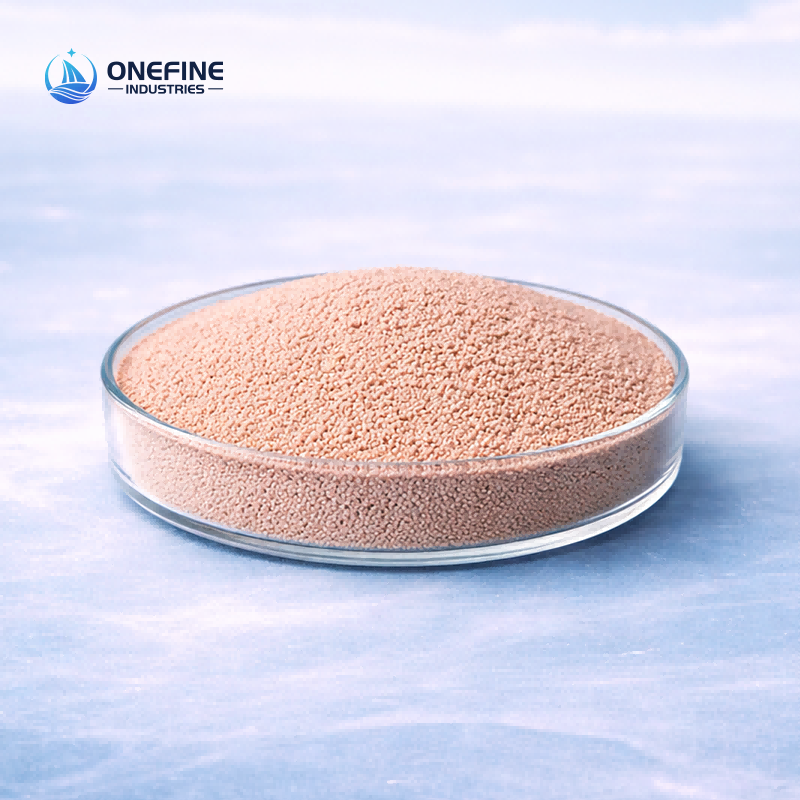
3A Molecular Sieve
High-efficiency 3A molecular sieve desiccant for ultra-deep industrial dehydration. Available in beads and pellets, 2-3 year service life with proper regeneration.
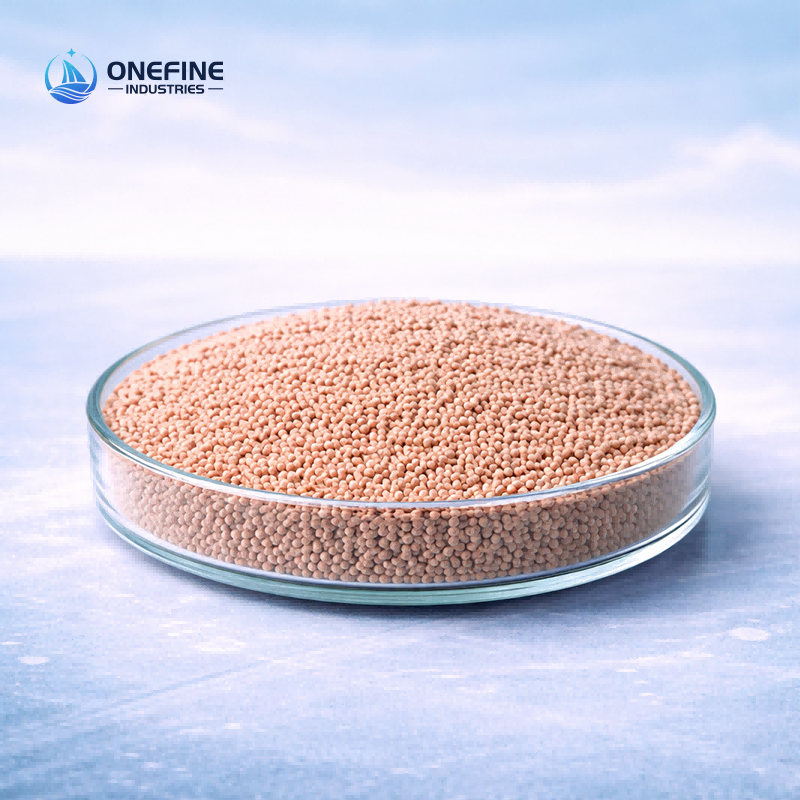
4A Molecular Sieve
General-purpose 4A molecular sieve desiccant for industrial air drying, solvent dehydration, CO2 removal, and static packaging applications. High capacity, long service life.
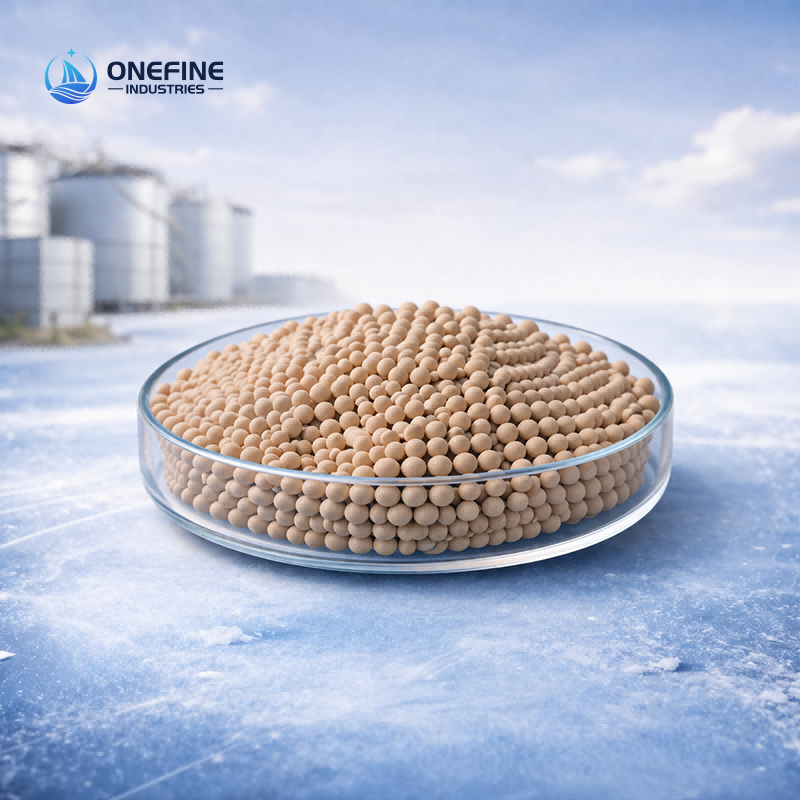
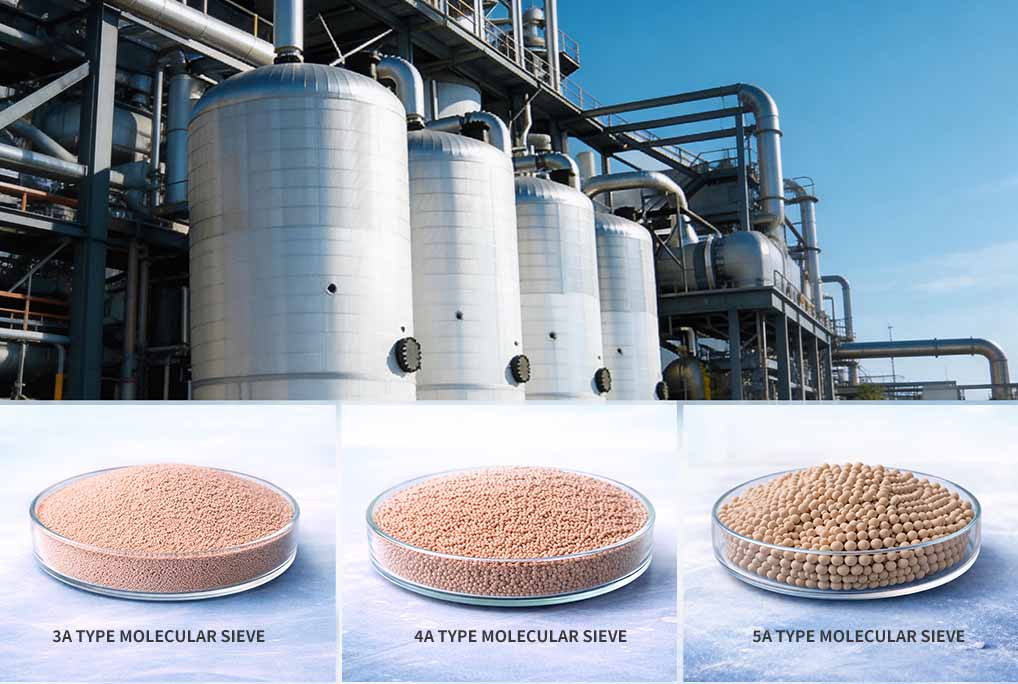
5A Molecular Sieve (Calcium Type)
Calcium-exchanged 5A molecular sieve for PSA oxygen enrichment, natural gas sweetening, n-isoparaffin separation, and simultaneous desulfurization & decarbonization. Bulk supply with MOQ from 1 ton, serving industrial buyers across the Middle East.
Related Reading
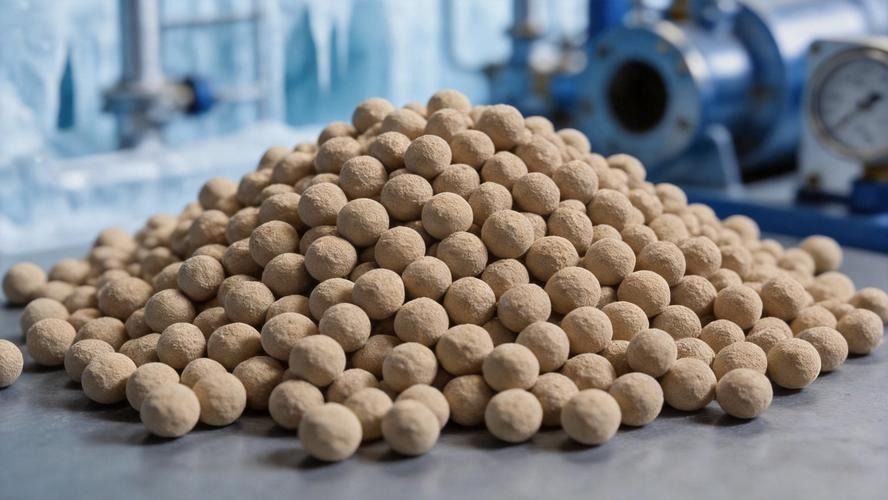
What is 3A Molecular Sieve? Uses, Specifications & How It Works
Everything you need to know about 3A molecular sieves: how they work, key properties, common applications in ethanol dehydration, natural gas processing & refrigeration, plus regeneration and selection tips.
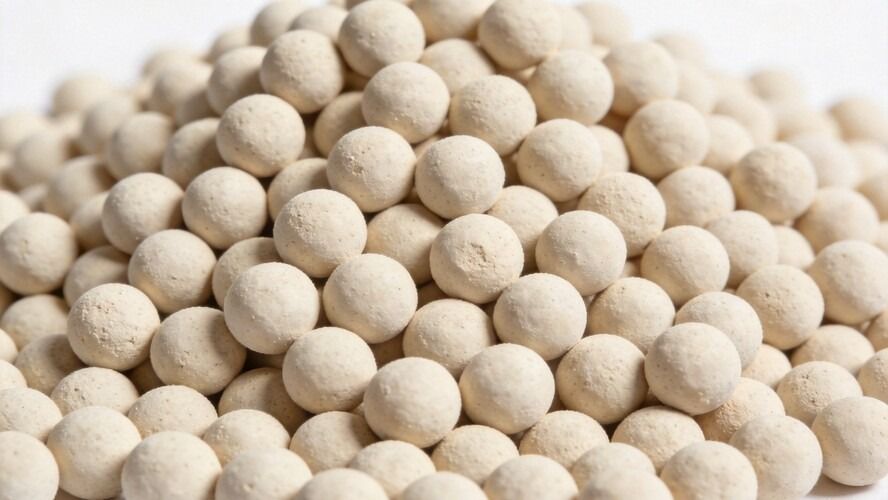
What is 4A Molecular Sieve? Uses, Specifications & How It Works
Everything you need to know about 4A molecular sieve: how it works, its 4Å pore size, physical adsorption process, and main industrial applications like air drying and CO2 removal.
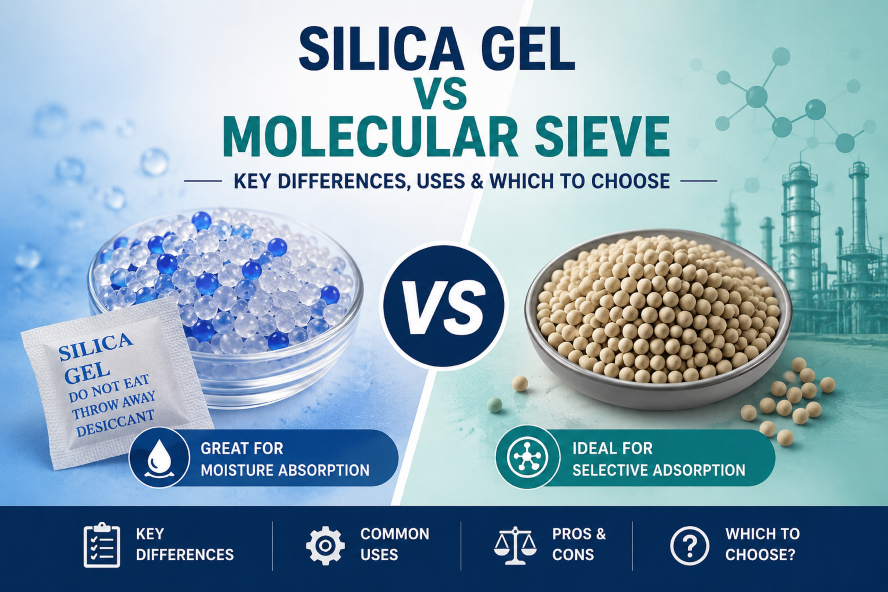
Silica Gel vs Molecular Sieve: Key Differences, Uses & Which to Choose
Silica gel and molecular sieve are both common desiccants, but they differ significantly in structure, adsorption performance, and ideal applications. This guide breaks down the key differences to help you choose the right one.