Comparison & Selection Guides
Side-by-side comparisons to help you choose the right molecular sieve type for your application.
How to Place a Trial Order: A Step-by-Step Guide for Molecular Sieve & Catalyst Buyers
A step-by-step guide to placing a trial order for molecular sieves and catalysts — inquiry, MOQ, documentation, lead time, and what happens after a successful trial.
How to Choose a Bulk Molecular Sieve Supplier in the Middle East: A Buyer's Checklist
A practical checklist for industrial buyers evaluating bulk molecular sieve suppliers in the Middle East — certifications, MOQ flexibility, packaging, logistics, and technical support.
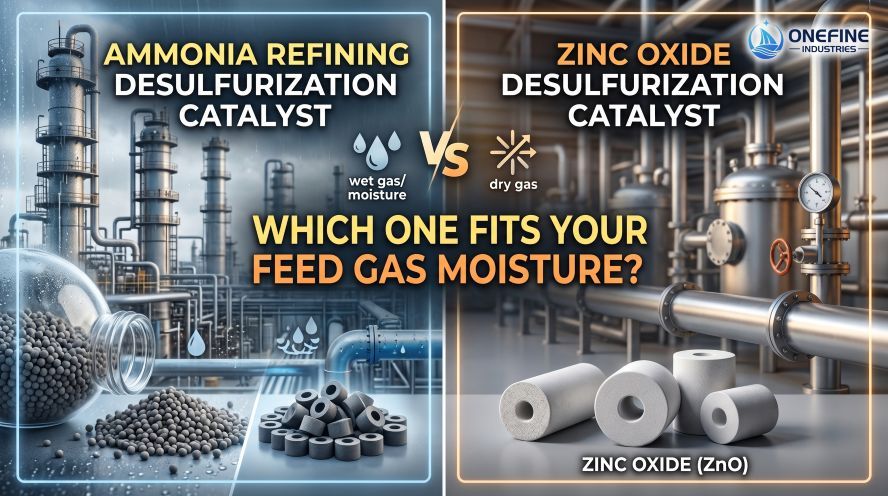
Ammonia Refining Desulfurization Catalyst vs Zinc Oxide Desulfurization Catalyst: Which One Fits Your Feed Gas Moisture?
Zinc oxide and Ammonia Refining Desulfurization Catalyst both pull H₂S out of process gas — but the real decision between them comes down to how wet your feed stream is, not which one is "better."
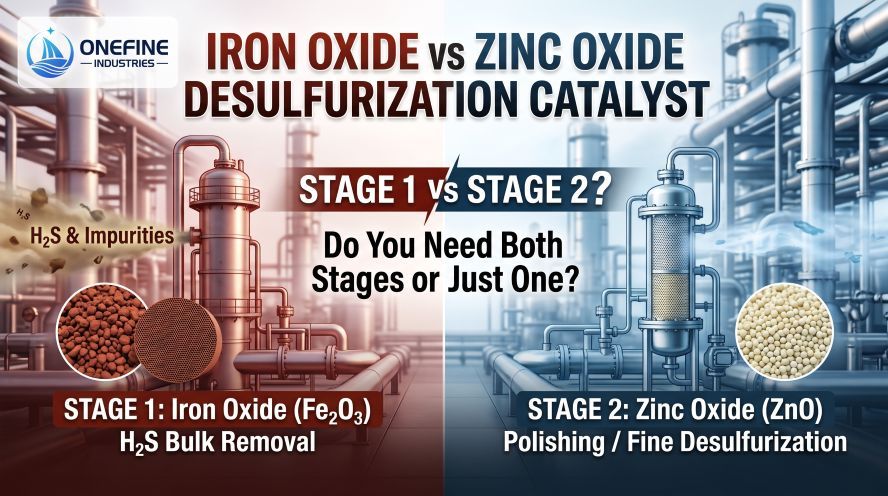
Iron Oxide vs Zinc Oxide Desulfurization Catalyst: Do You Need Both Stages or Just One?
Iron oxide and zinc oxide desulfurization catalysts are often paired in the same purification train, but they aren't interchangeable. This guide breaks down when one stage is enough and when a two-stage lead/lag system is the more cost-effective choice.
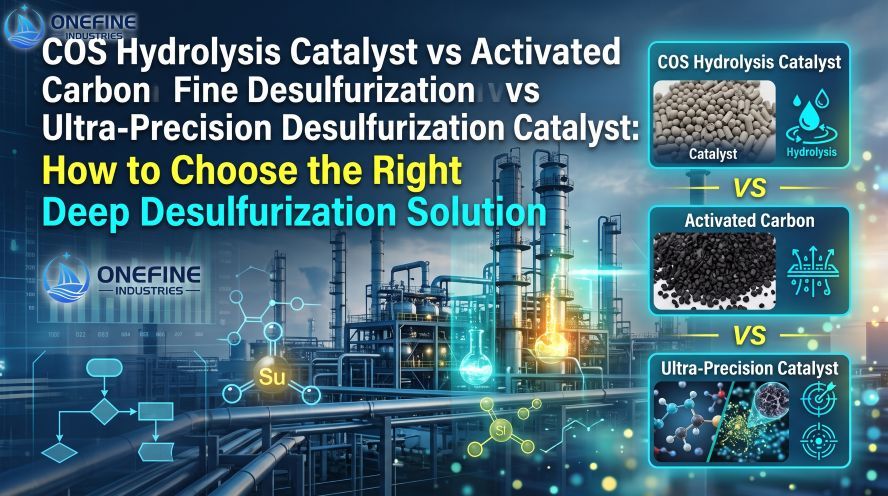
COS Hydrolysis Catalyst vs Activated Carbon Fine Desulfurization vs Ultra-Precision Desulfurization Catalyst: How to Choose the Right Deep Desulfurization Solution
Three deep desulfurization technologies, one real decision: standalone COS hydrolysis, activated carbon fine desulfurization, or a bifunctional ultra-precision catalyst. Here's how to choose based on feed gas, footprint, and maintenance — not marketing language.
Dry Adsorbent vs Activated Alumina: Which One Does Your Gas Stream Need?
Dry Adsorbent handles H₂S and moisture in a single bed, while Activated Alumina handles moisture on its own. Here's how to tell which one your gas stream actually needs.
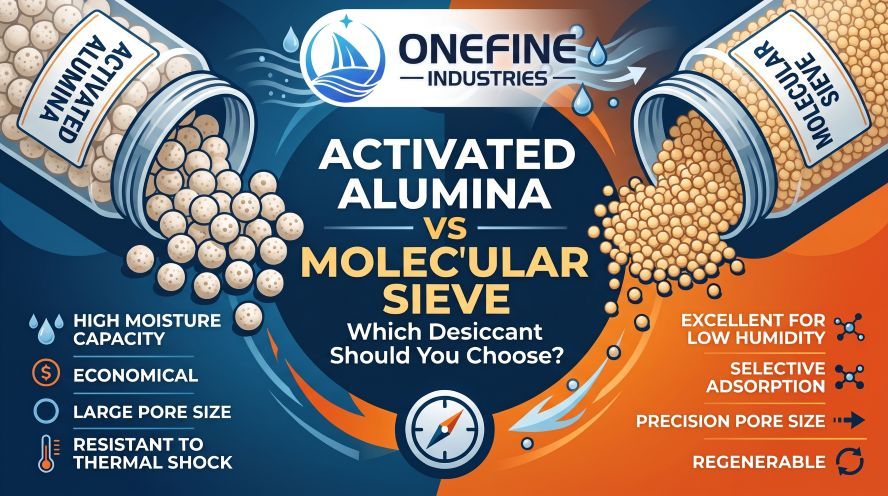
Activated Alumina vs Molecular Sieve: Which Desiccant Should You Choose?
Activated alumina and molecular sieve are both used to dry gas and liquid streams, but they work on different principles. Learn how each one performs, when to choose which, and when your process needs both.
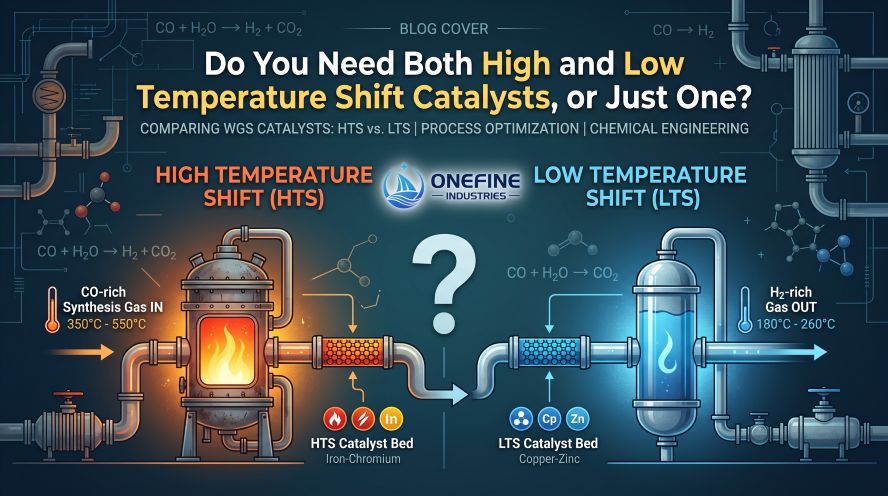
Do You Need Both High and Low Temperature Shift Catalysts, or Just One?
HTS and LTS aren't competing choices — they're two stages of the same reaction. Here's how to tell whether your process needs both or just one.
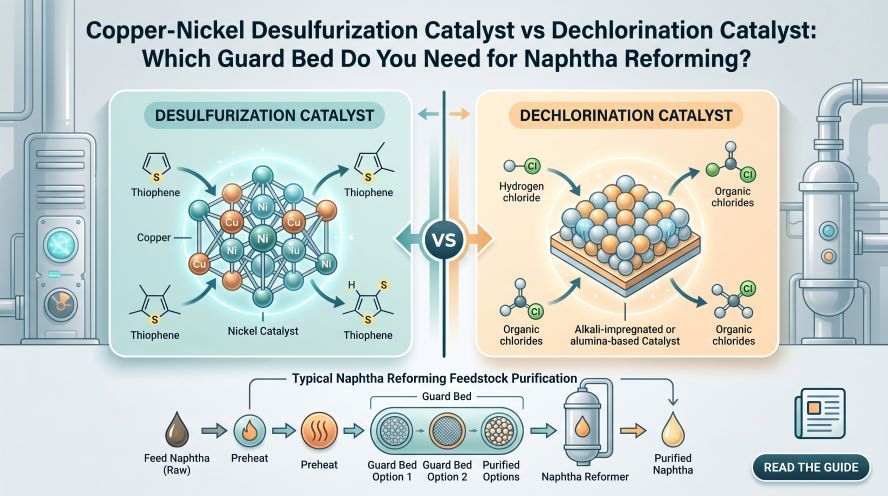
Copper-Nickel Desulfurization Catalyst vs Dechlorination Catalyst: Which Guard Bed Do You Need for Naphtha Reforming?
Sulfur and chloride threaten a naphtha reformer in different ways and from different directions. This guide explains what a copper-nickel desulfurization guard bed and a dechlorination guard bed each protect, where each one belongs, and when your unit needs both.
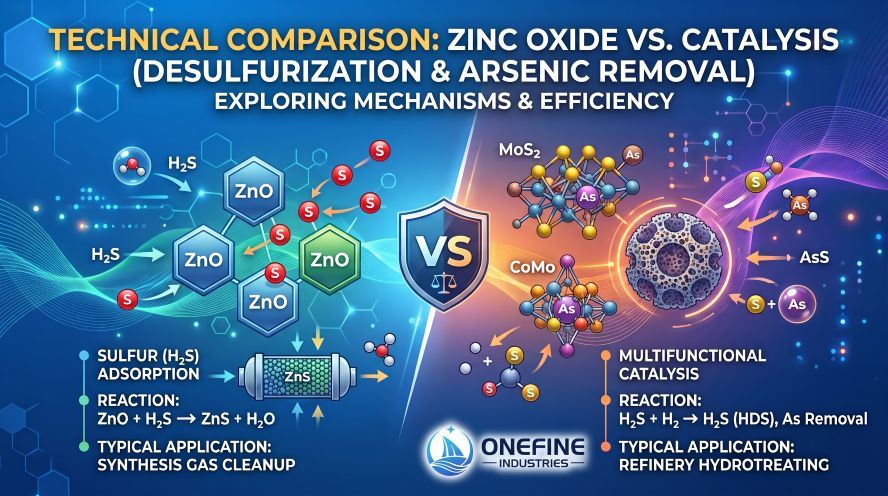
Zinc Oxide vs Desulfurization and Arsenic Removal Catalyst: A Deeper Technical Comparison
Zinc Oxide and Desulfurization/Arsenic Removal Catalyst solve different problems — here's how their chemistry, bed position, service life, and spent-catalyst handling actually differ once arsenic narrows your choice down to these two.
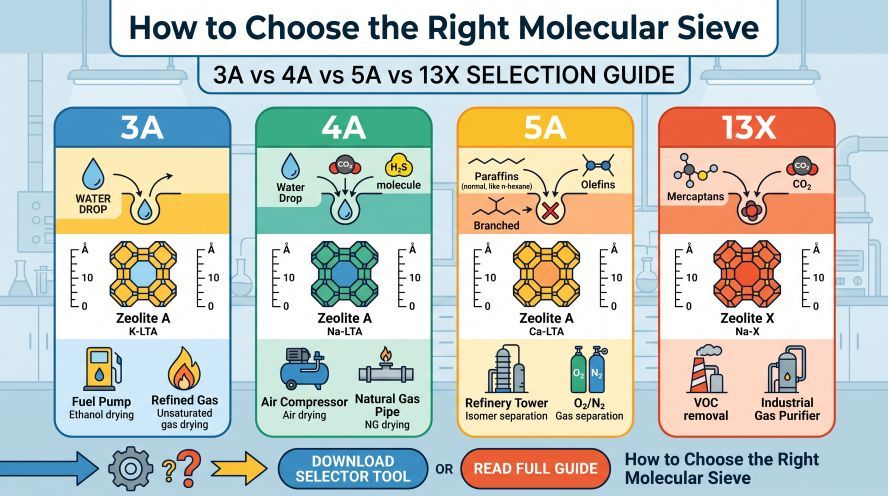
How to Choose the Right Molecular Sieve: 3A vs 4A vs 5A vs 13X Selection Guide
Choosing between 3A, 4A, 5A, and 13X molecular sieve comes down to pore size and what needs to stay in your stream versus what needs to come out. This guide walks through the selection logic by application and target contaminant, plus the most common costly mistakes buyers make when picking the wrong grade.
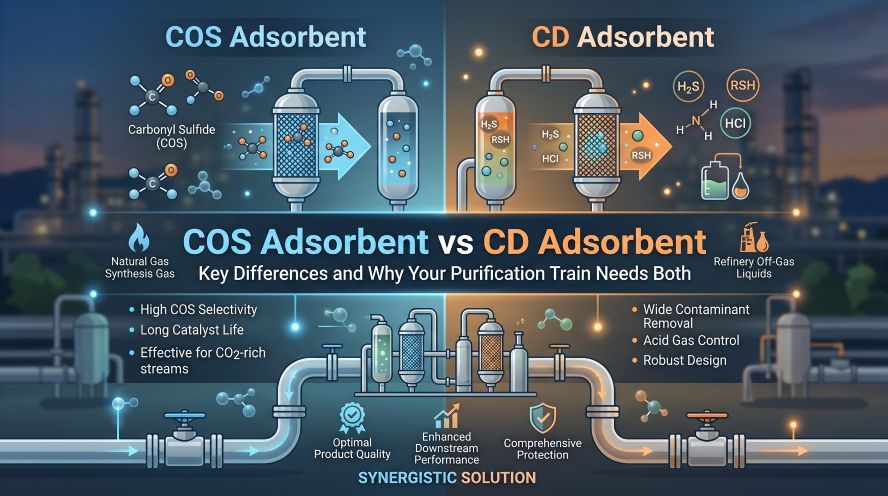
COS Adsorbent vs CD Adsorbent: Key Differences and Why Your Purification Train Needs Both
COS Adsorbent and CD Adsorbent are often mentioned together but aren't interchangeable — they're sequential stages in the same purification train, not competing alternatives. This guide explains what each product removes, why the sequence matters, and why "which one should I buy" is the wrong question to ask.