What is 4A Molecular Sieve? Uses, Specifications & How It Works
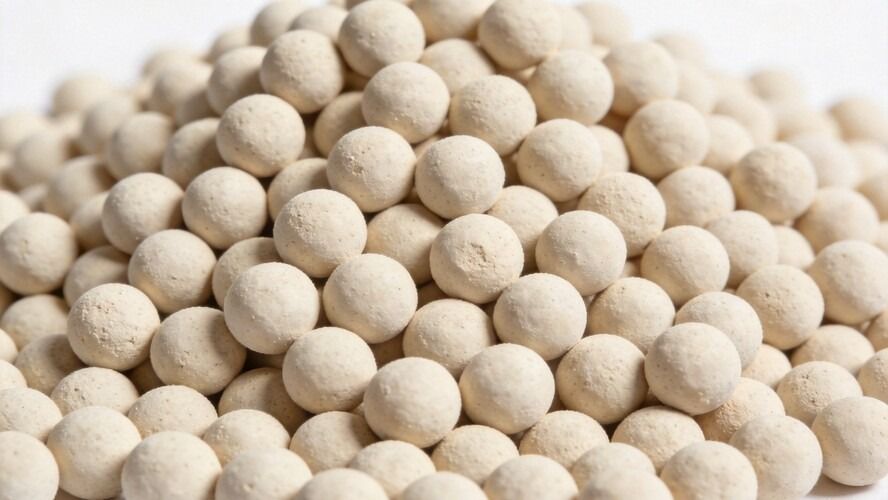
If you work in industrial processing, air separation, or gas purification, you've likely encountered 4A molecular sieves. They're the workhorse of general-purpose industrial drying — but what exactly makes them so versatile?
In this complete guide, we'll cover everything you need to know about 4A molecular sieves — from how they work to where they're used and how they compare to other molecular sieve types.
Key Takeaways:
- 4A molecular sieve has a 4Å pore size, larger than 3A but still small enough to exclude larger molecules like propane
- It works through physical adsorption, not a chemical reaction, and can be fully regenerated by heat or reduced pressure
- Main uses include compressed air drying, industrial solvent drying, static packaging dehydration, and CO₂ removal from biogas and syngas
What is a 4A Molecular Sieve?
A 4A molecular sieve is a type of crystalline sodium aluminosilicate desiccant with a pore size of approximately 4 angstroms (Å). That's about 0.0000000004 meters — incredibly small, but slightly larger than 3A molecular sieves.
To put that in perspective:
- A water molecule is about 2.8 Å in diameter
- A carbon dioxide molecule is about 3.3 Å
- A hydrogen sulfide molecule is about 3.6 Å
- A propane molecule is about 4.3 Å
This means the 4Å pores can adsorb water, CO₂, H₂S, and other small molecules, but still exclude larger molecules like propane and butane. This selective adsorption makes 4A molecular sieves the most versatile general-purpose desiccant.
Basic composition:
- Type A crystal structure
- Sodium-exchanged (Na⁺) form of Type A zeolite
- Available as beads, pellets, or powder
How Do 4A Molecular Sieves Work?
4A molecular sieves work through a process called adsorption (not absorption — there's a difference!).
Here's the simple version:
- Wet gas or liquid flows through a bed of 4A molecular sieve beads
- Molecules smaller than 4Å (water, CO₂, H₂S, etc.) get trapped inside the pores
- Larger molecules pass through without being adsorbed
- The result is dry, purified product
This is a physical process, not a chemical reaction. The sieve doesn't get used up — it just fills up with adsorbates. Once saturated, you can regenerate it by applying heat or reducing pressure, and it's as good as new.
Key Properties at a Glance
4A molecular sieve offers a strong balance of capacity and versatility — up to 22% water adsorption by weight, effective removal of CO₂, H₂S, and SO₂ alongside water, and reliable performance up to 400°C continuous operating temperature. For the full technical specification table (bulk density, crushing strength, attrition rate, and more), see our 4A Molecular Sieve product page.
Why these properties matter:
- Higher capacity: Slightly higher water adsorption capacity than 3A molecular sieves
- Versatile adsorption: Can adsorb water, CO₂, H₂S, SO₂, and other small polar molecules
- High temperature resistance: Works where silica gel and alumina would break down
- Long service life: Can be regenerated hundreds of times with proper care
Common Applications of 4A Molecular Sieves
1. Air Drying & Air Separation
This is one of the biggest uses of 4A molecular sieves. They're used in compressed air systems and air separation plants to dry air before it enters cryogenic distillation processes.
The 4Å pore size is perfect for drying air without adsorbing nitrogen or oxygen, making it ideal for pre-treatment in air separation units (ASUs).
2. Industrial Solvent Drying
4A molecular sieves are used to dry a wide range of industrial solvents, including methanol, ethanol, isopropyl alcohol, acetone, and various hydrocarbons.
They're especially useful for solvents where water contamination would affect product quality or cause problems in downstream processes.
3. Static Dehydration & Packaging
4A molecular sieve is widely used for static dehydration in closed systems:
- Pharmaceutical packaging
- Electronic components
- Food packaging
- Insulating glass (double glazing)
- Automotive brake systems
Small sachets of 4A molecular sieve are placed inside packaging to absorb moisture and prevent damage during storage and transport.
4. Natural Gas Dehydration & Sweetening
For natural gas processing, 4A sieves can remove both water and some sulfur compounds like hydrogen sulfide (H₂S).
They're often used in applications where both dehydration and partial sweetening are needed, providing a cost-effective single-step solution.
5. Carbon Dioxide Removal
4A molecular sieves are effective at adsorbing CO₂ from gas streams. This makes them useful for:
- Biogas upgrading (removing CO₂ to produce biomethane)
- Syngas purification
- Flue gas treatment
- Breathing air purification
⚠️ Important Note: Why 4A is NOT for Refrigerants While 4A is highly versatile, it should not be used for HVAC or refrigerant drying. Its 4Å pore size is large enough to co-adsorb certain refrigerants and compressor oils, which can alter system chemistry and cause blockages. For air conditioning and refrigeration systems, always use highly selective 3A molecular sieves or specialized grades. See our Refrigerant Molecular Sieve for HVAC-specific solutions.
Advantages of 4A Molecular Sieves
✅ High adsorption capacity — higher water capacity than 3A sieves
✅ Versatile — adsorbs water, CO₂, H₂S, and other small molecules
✅ Cost-effective — lower cost than specialized molecular sieves
✅ Long lifespan — hundreds of regeneration cycles
✅ Ultra-deep drying — dew points as low as -70°C
✅ High temperature resistance — works where other desiccants fail (up to 400°C)
✅ Environmentally friendly — no hazardous waste
How to Regenerate 4A Molecular Sieves
When the sieve becomes saturated, you need to regenerate it:
- Heat the sieve bed to 200-320°C
- Purge with dry gas (nitrogen, natural gas, or dry air)
- Hold at temperature for several hours
- Cool down before returning to adsorption mode
Pro tip: Don't exceed 400°C continuous operating temperature — higher temperatures can shorten crystal structure life.
For CO₂ and other gas adsorption applications, pressure swing regeneration (PSA) is often used instead of thermal regeneration.
4A vs Other Molecular Sieve Types
Choosing the right molecular sieve depends on your specific application. In short:
- 3A (3Å, potassium-based): most selective, adsorbs only water — best for selective dehydration like ethanol or refrigerants. See What is 3A Molecular Sieve?for the full breakdown.
- 4A (4Å, sodium-based): general purpose, adsorbs water + CO₂ + H₂S — best for air drying and multi-contaminant removal
- 5A (5Å, calcium-based): medium pore, adsorbs larger molecules including n-paraffins — best for gas separation and PSA oxygen
- 13X (10Å, sodium-based): largest pore, broadest adsorption — best for deep purification and desulfurization
The key principle: choose the smallest pore size that still adsorbs your target contaminant. Smaller pores = higher selectivity = more efficient operation.
For a full head-to-head breakdown, see our detailed guide: 3A vs 4A Molecular Sieve: Key Differences & How to Choose.
How to Choose the Right 4A Molecular Sieve
Consider these factors:
- Form: Beads vs. pellets vs. powder
- Size: Smaller = faster adsorption but higher pressure drop
- Grade: Industrial vs. food vs. pharmaceutical
- Packaging: Bulk bags, drums, super sacks, or small sachets
Not sure which type you need? Our technical team can help you select the exact product for your application.
Recommended Products from Sorbsieve
- 4A Molecular Sieve — general-purpose desiccant, bulk supply from 1 ton
- 3A Molecular Sieve — selective water removal for ethanol, refrigerants & natural gas
Frequently Asked Questions
What's the difference between 3A and 4A molecular sieve?
3A has a smaller 3Å pore and only adsorbs water, making it ideal for selective dehydration (e.g., ethanol, refrigerants). 4A has a slightly larger 4Å pore and adsorbs water plus CO₂, H₂S, and other small polar molecules, making it the better choice for general-purpose air drying and multi-contaminant removal. See the comparison section above for a fuller breakdown of all four sieve types.
How long does 4A molecular sieve last?
With proper regeneration, 4A molecular sieve typically provides 2-3 years of reliable service, and can be regenerated hundreds of times under normal operating conditions.
Can 4A molecular sieve be used for natural gas dehydration?
Yes. 4A molecular sieve is effective for natural gas dehydration and can also provide partial sweetening by removing some H₂S, making it a cost-effective single-step solution for moderate-sulfur gas streams.
What's the maximum operating temperature for 4A molecular sieve?
4A molecular sieve maintains reliable performance up to 400°C continuous operating temperature, and can be regenerated at 200-320°C during thermal swing cycles.
Conclusion
4A molecular sieves are the most versatile general-purpose industrial desiccant. Their 4Å pore size strikes the perfect balance between adsorption capacity and selectivity, making them suitable for everything from air drying to solvent purification to packaging.
Whether you need to dry compressed air, remove CO₂ from biogas, or protect sensitive components during shipping, 4A molecular sieves deliver reliable, cost-effective performance.
Looking for Bulk Supply of 4A Molecular Sieve?
Sorbsieve is a trusted bulk supplier of 4A molecular sieve and complete industrial desiccant adsorbents, serving industrial buyers across the Middle East.
We provide:
- ✅ Container-level supply (20'GP / 40'GP / 40'HQ)
- ✅ Full documentation (COA / TDS / SDS / COO)
- ✅ Multiple packaging options
- ✅ Technical support for molecular sieve selection and system optimization
- ✅ Fast quote response for industrial inquiries
Contact our team for bulk pricing, product samples, and technical consultation.
Related Products
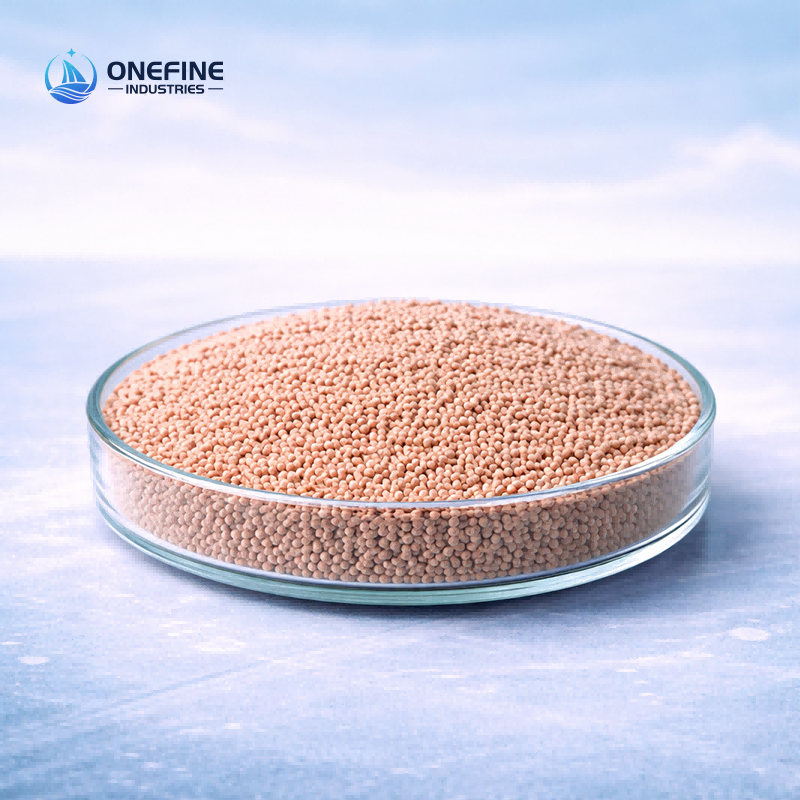
4A Molecular Sieve
General-purpose 4A molecular sieve desiccant for industrial air drying, solvent dehydration, CO2 removal, and static packaging applications. High capacity, long service life.
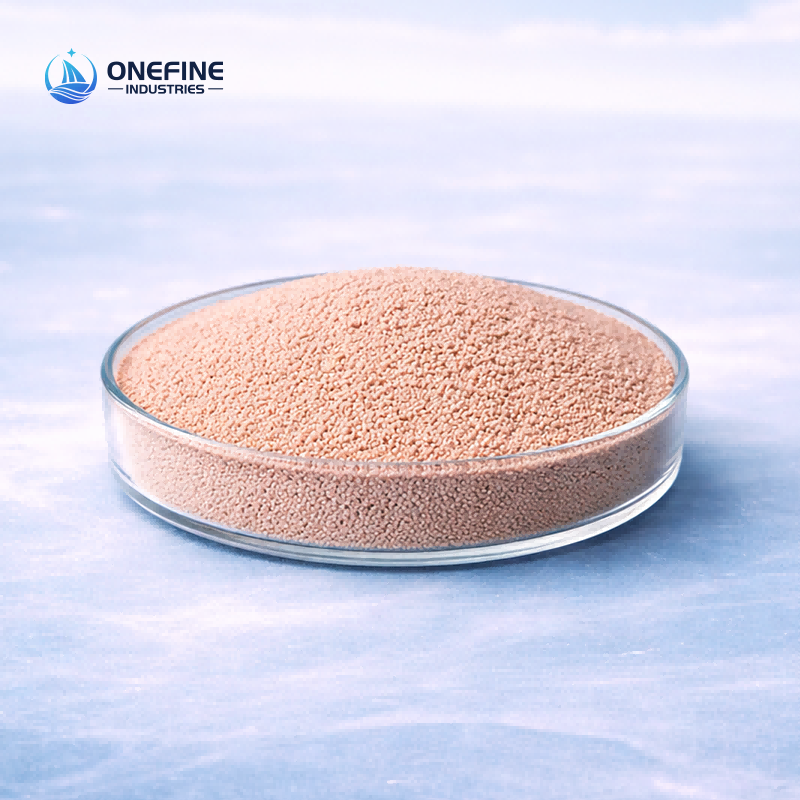
3A Molecular Sieve
High-efficiency 3A molecular sieve desiccant for ultra-deep industrial dehydration. Available in beads and pellets, 2-3 year service life with proper regeneration.
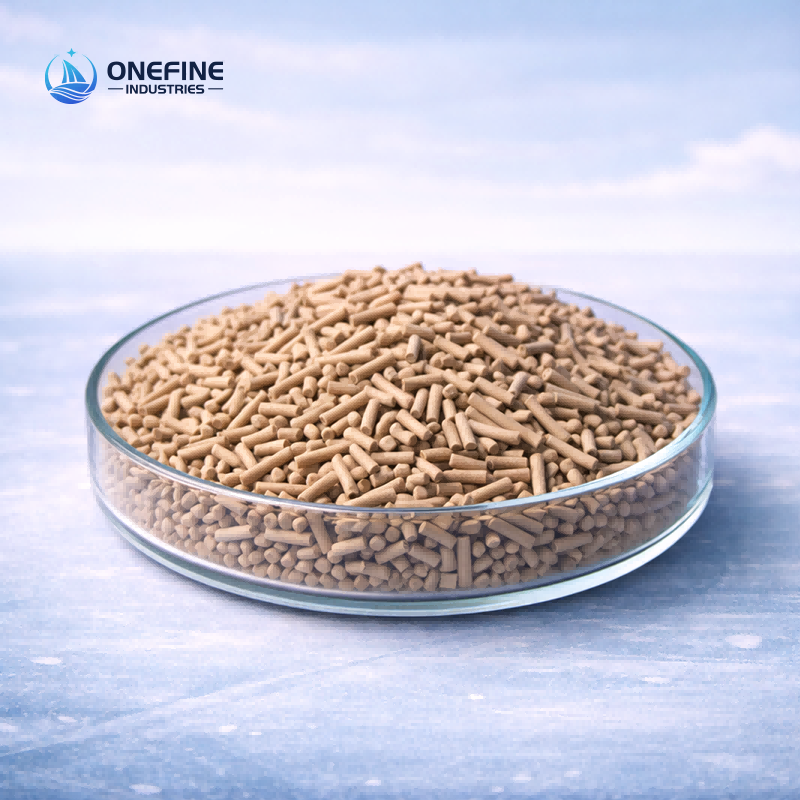
13X Molecular Sieve (Sodium X Type)
Sodium-type 13X molecular sieve with 10Å pore size for air separation pre-purification, natural gas sweetening, solvent recovery, and industrial gas drying. High adsorption capacity, industrial-grade performance.
Related Applications
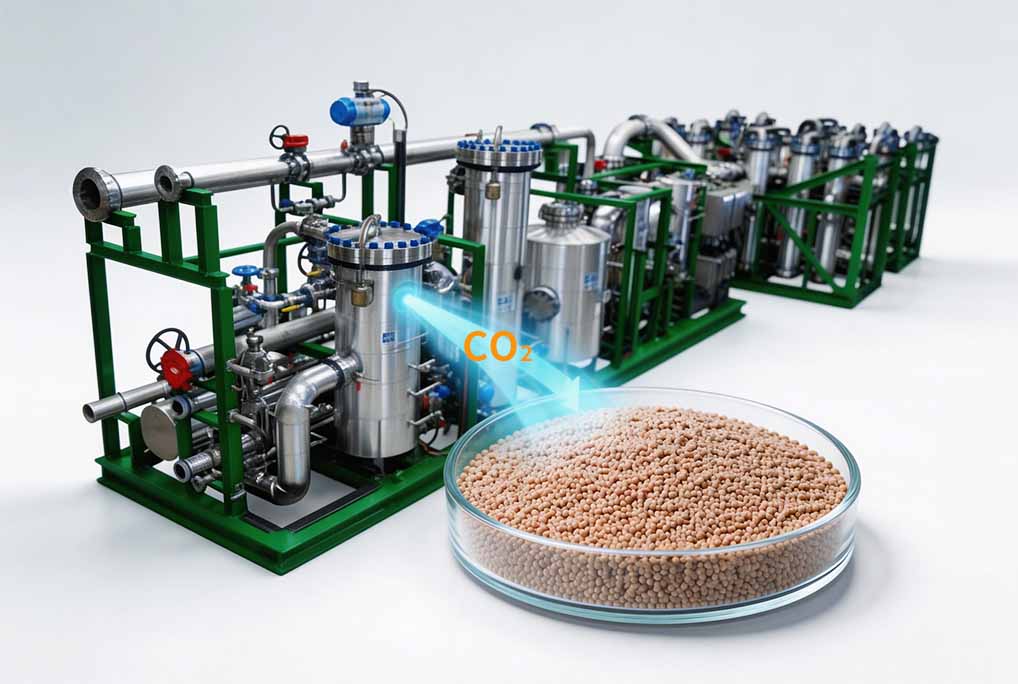
Molecular Sieve for CO2 Removal: Applications in Air Separation, Natural Gas Processing, and Biogas Upgrading
Molecular sieve enables CO2 removal across air separation, natural gas, and biogas systems, plus CO2 gas drying for liquefaction and food-grade use. This case focuses on biogas upgrading and CO2 drying — two applications not covered in our other case analyses.
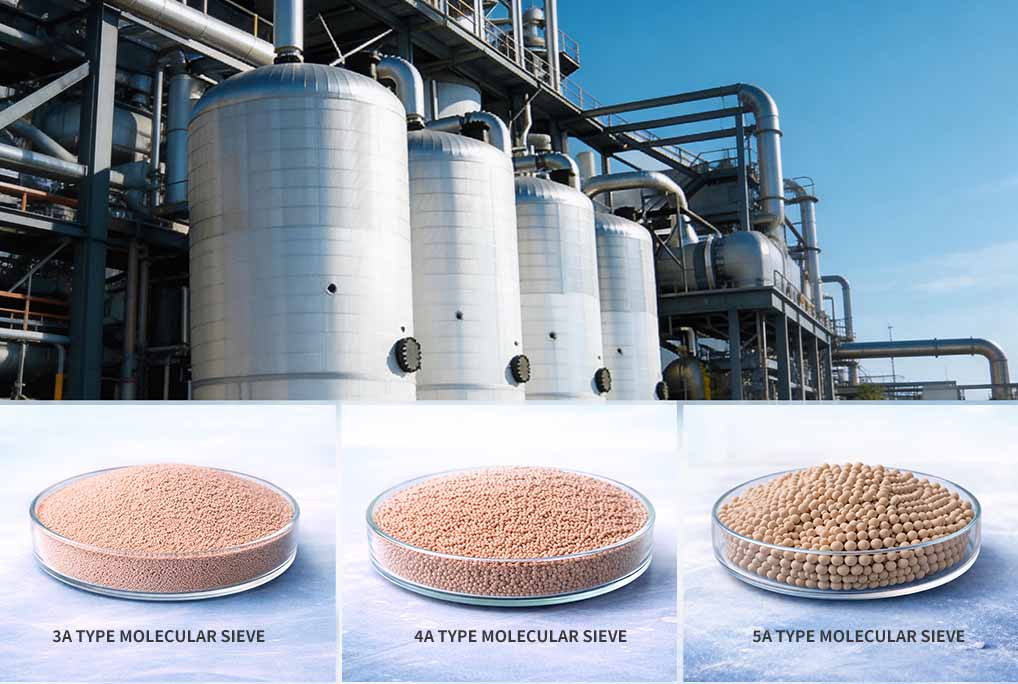
Molecular Sieve for Natural Gas: Applications in Dehydration, CO2 Removal, LNG Pre-Treatment, and Gas Purification
Natural gas requires molecular sieve at nearly every purification stage — from bulk dehydration to the ppm-level purity needed for LNG production. This case covers four core applications (dehydration, CO2/H2S removal, LNG pre-treatment, and gas purification) with the sieve type, specifications, and supply details for each.
Related Reading
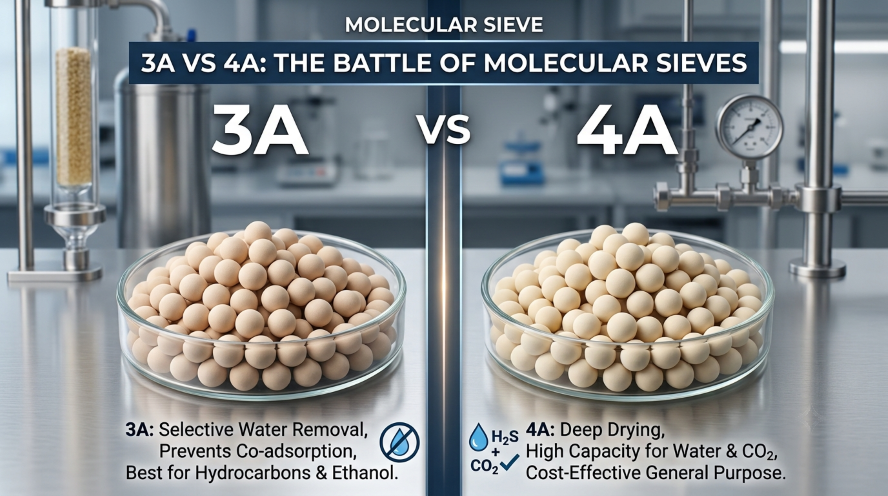
3A vs 4A Molecular Sieve: Key Differences & How to Choose
In-depth guide comparing 3A and 4A molecular sieves. Covers pore size differences, adsorption selectivity, capacity comparison, application scenarios for each type, and practical guidance on selecting the right molecular sieve for your industrial drying or gas separation needs.
What is 3A Molecular Sieve? Uses, Specifications & How It Works
Everything you need to know about 3A molecular sieves: how they work, key properties, common applications in ethanol dehydration, natural gas processing & refrigeration, plus regeneration and selection tips.