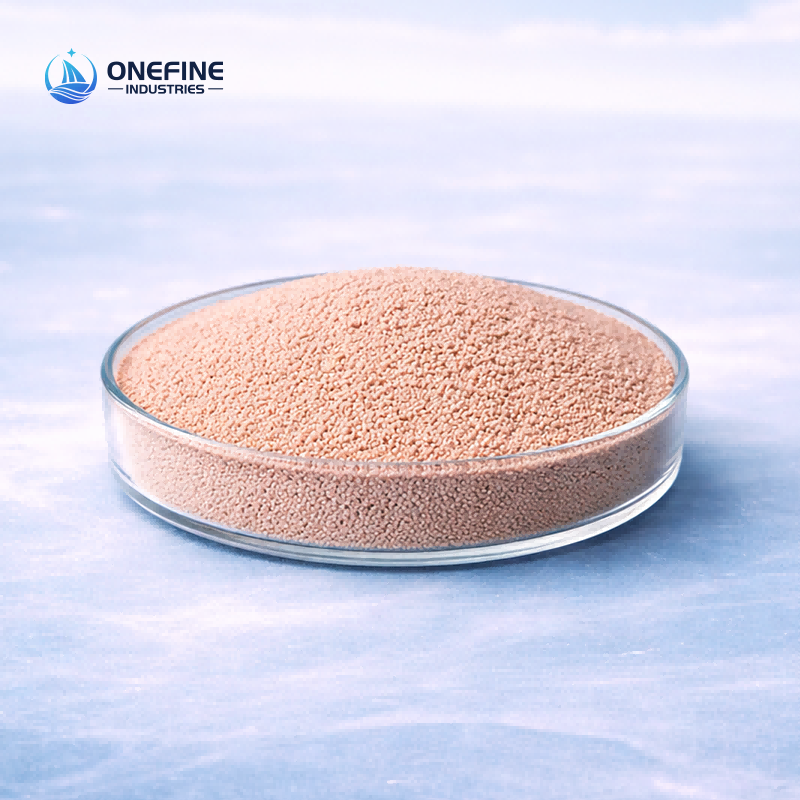
3A Molecular Sieve
High-efficiency 3A molecular sieve desiccant for ultra-deep industrial dehydration. Available in beads and pellets, 2-3 year service life with proper regeneration.
Get QuoteKey Attributes
- Ultra-deep drying down to <1ppm residual moisture
- 2-3 year service life with proper regeneration
- Available in beads and pellets for different applications
- High crushing strength resists attrition in high-pressure systems
- Fully regenerable for cost-effective operation
- Uniform particle size for consistent flow and low pressure drop
- Excellent thermal stability up to 400°C continuous use
Applications
- Ethanol & biofuel dehydration
- Natural gas processing & LNG production
- Refrigeration & AC system drying
- Industrial solvent drying
- Insulating glass manufacturing
- Compressed air drying systems
- Pharmaceutical manufacturing
- Petrochemical processing
- Air separation plants
- Electronic component manufacturing
Product Description
What is 3A Molecular Sieve?
Key Takeaways
- Ultra-Deep Drying: Achieves residual moisture levels below 1ppm, making it essential for moisture-sensitive and cryogenic applications.
- High Selectivity: The uniform 3Å (0.3 nm) pore size selectively adsorbs water while excluding larger valuable molecules.
- Long Service Life: Delivers 2-3 years of reliable performance and is fully regenerable via TSA or PSA methods to reduce system downtime.
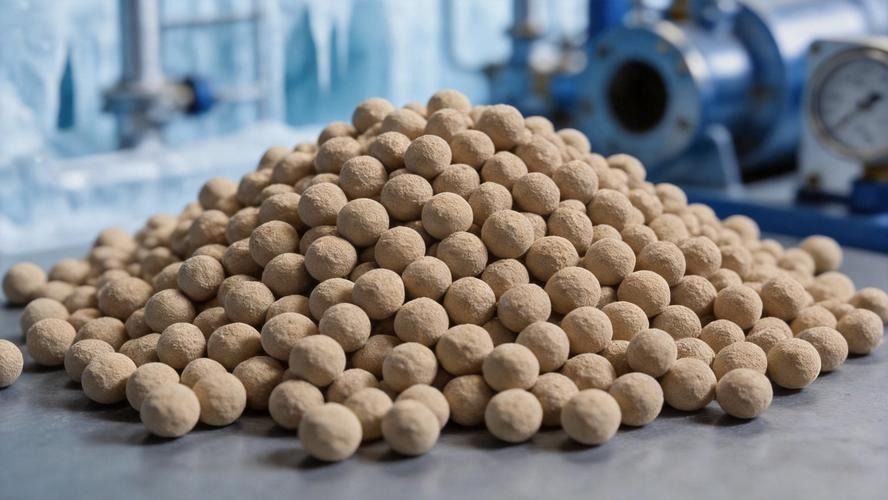
3A molecular sieve is a high-performance alkali metal aluminosilicate desiccant specifically designed for deep dehydration applications. Its uniform 3 angstrom (0.3 nm) pore size selectively adsorbs water molecules while excluding larger molecules, making it ideal for drying gases and liquids that contain valuable larger molecules that should not be adsorbed. The 3A type is the most widely used molecular sieve for industrial drying due to its excellent selectivity, high adsorption capacity, and long service life. It is the preferred choice for applications where ultra-deep moisture removal is critical to product quality and process efficiency. For a deeper technical dive into how it works, see our guide: What is 3A Molecular Sieve? Uses, Specifications & How It Works.
Key Benefits
- Ultra-deep drying performance: Achieves residual moisture levels below 1ppm, essential for cryogenic processing and moisture-sensitive applications
- High selectivity: Only adsorbs small molecules like water, preserving product yield and purity
- Long service life: 2-3 years of reliable performance with proper regeneration
- Cost-effective: Fully regenerable, reducing replacement costs and system downtime
- Versatile forms: Available in multiple bead and pellet sizes to suit different system designs
- Excellent thermal stability: Withstands continuous operating temperatures up to 400°C
- Low pressure drop: Uniform particle size ensures consistent flow characteristics
Applications
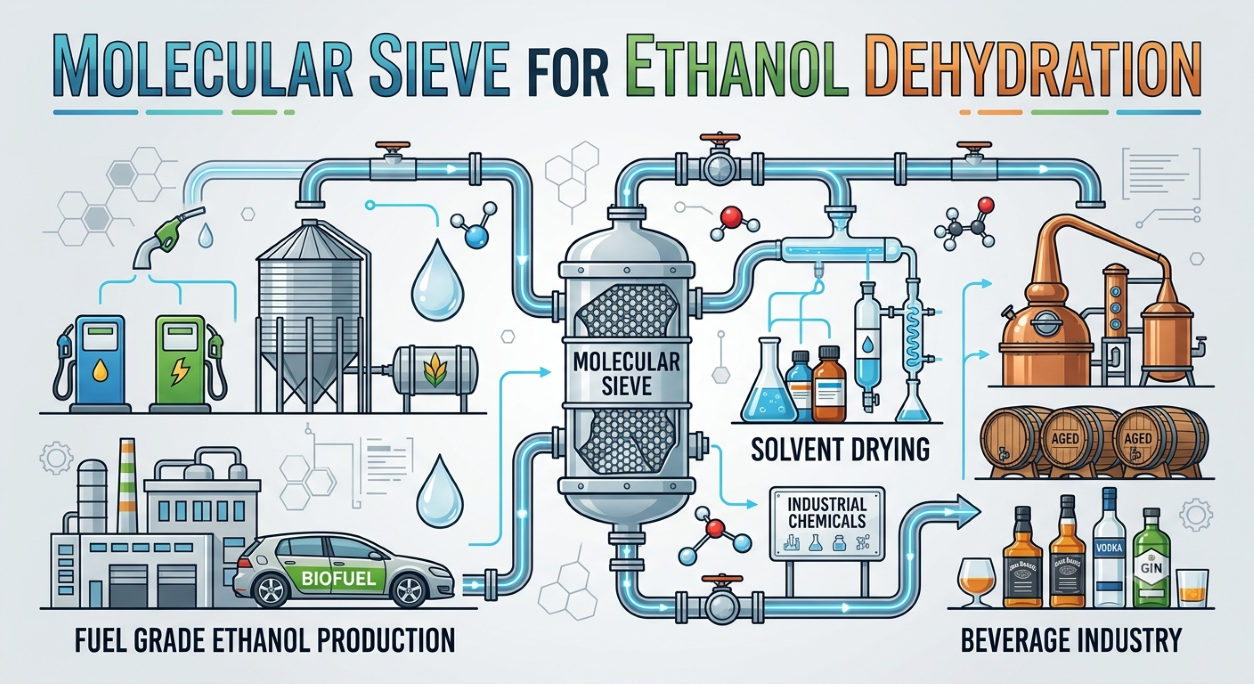
Ethanol & Biofuel Dehydration 3A molecular sieve is the industry standard for fuel ethanol production. It efficiently removes water from ethanol-water mixtures to produce fuel-grade ethanol (≥99.5% purity) using temperature swing adsorption (TSA) technology. Dual bed systems provide continuous operation for maximum throughput and efficiency. See our Ethanol Dehydration case study for a detailed look at fuel-grade ethanol, solvent drying, and beverage industry applications.
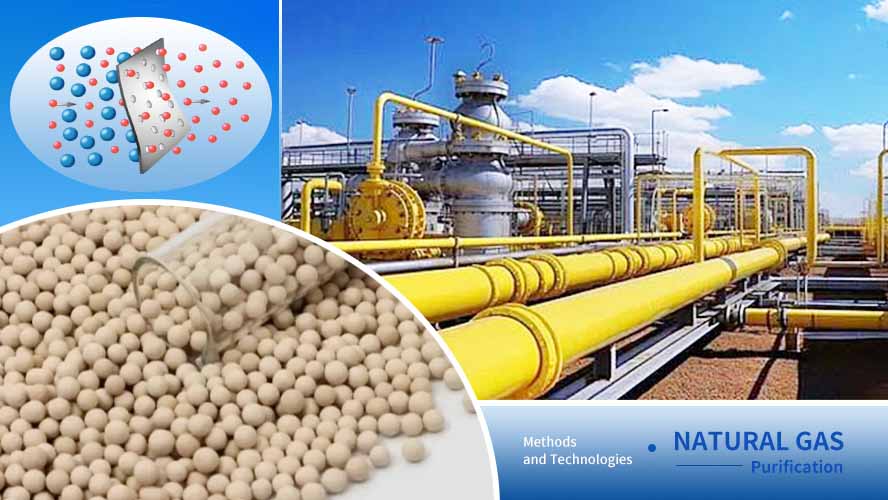
Natural Gas Processing Used in natural gas treatment plants to remove water vapor, preventing pipeline corrosion, hydrate formation, and equipment damage. Achieves dew points as low as -100°C, making it essential for cryogenic gas processing, LNG production, and natural gas liquid (NGL) recovery.
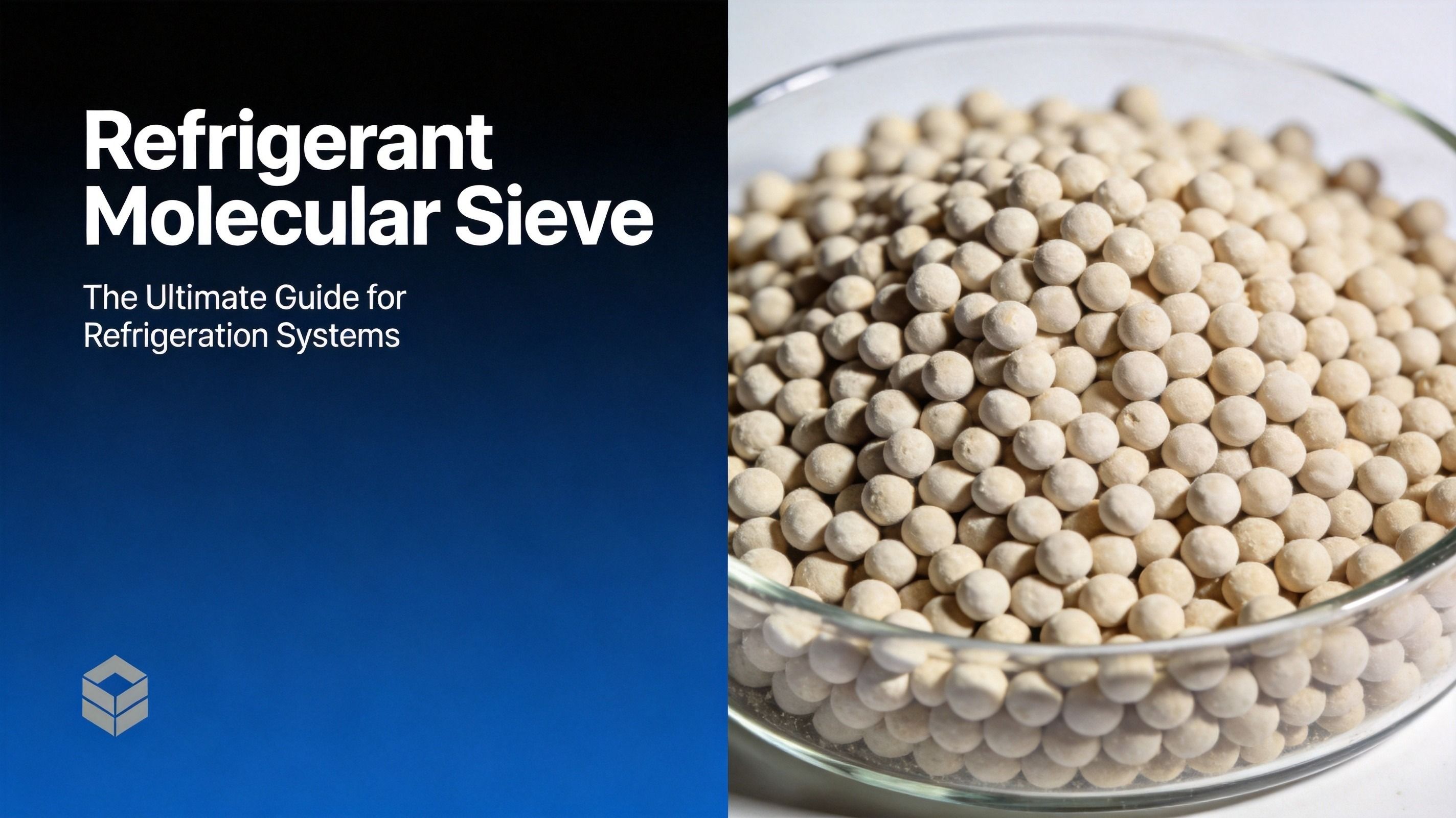
Refrigeration & Air Conditioning: Not a 3A Application While 3A molecular sieve shares a similar ~3Å pore size with the desiccant used in refrigerant filter driers, dedicated HVAC/R filter drier duty requires a chemically distinct product engineered for stable long-term contact with refrigerants and lubricant oils. Standard 3A molecular sieve intended for general industrial dehydration is not qualified for refrigerant circuit service — for that application, see our Refrigerant Molecular Sieve (XH Series).
Industrial Solvent Drying Effectively dries a wide range of industrial solvents including methanol, ethanol, isopropyl alcohol, acetone, various hydrocarbons, and polymer solvents. Precise moisture control ensures consistent product quality in manufacturing processes.
Other Applications
- Insulating glass manufacturing (double and triple glazing)
- Compressed air drying systems
- Pharmaceutical manufacturing dehydration
- Petrochemical processing
- Air separation plants
- 3A molecular sieve is also used ahead of Oxygen Generator Molecular Sieve systems for moisture removal before the separation process
- Electronic component manufacturing
Packaging & Shipping
We offer flexible packaging and shipping options to suit your project scale and logistics requirements.
Standard Packaging:
- 25 kg drums (moisture-proof, suitable for trial orders and small batches)
- 150 kg steel drums (standard bulk packaging for industrial orders)
- 500 kg super sacks (most popular for industrial bulk orders)
- 1000 kg jumbo bags (for large-scale projects)
- Custom packaging available on request
Minimum Order Quantity (MOQ):
- 1 ton (entry-level orders accepted — perfect for first-time customers)
- 5+ tons (standard bulk orders)
- Container-level supply for long-term partnerships
Container Loading Capacity:
- 20'GP container: 18-20 tons (palletized)
- 40'GP container: 22-24 tons (palletized)
- 40'HQ container: 24-26 tons
Loading Ports: We ship from major Chinese ports based on your requirements: Shanghai Port (East China), Qingdao Port (Shandong, North China), Tianjin Port (North China), Ningbo Port (East China), Shenzhen Port (South China).
Lead Time:
- Stock orders: 7-15 days from payment confirmation
- Made-to-order: 20-30 days
Shipping Terms: FOB / CIF / CFR / EXW — flexible based on your destination and preferences.
Documents & Certificates
We provide complete documentation for every order:
📄 Technical Data Sheet (TDS) — Confirmed with you during product selection, ensuring exact specifications match your application requirements.
📄 Safety Data Sheet (SDS) — Provided before shipment, meeting all international transportation and handling standards.
📄 Certificate of Analysis (COA) — Issued for each production batch, delivered with your shipment for full quality traceability.
Additional documents available on request: Certificate of Origin (COO), Packing List, Commercial Invoice, Third-party Inspection Report (SGS / BV), Form E (for Middle East destinations with applicable tariff benefits).
Regeneration Guide
3A molecular sieve can be fully regenerated through thermal swing or pressure swing processes. Proper regeneration is essential for maintaining adsorption performance and maximizing service life.
Thermal Swing Regeneration (TSA): The most common regeneration method. The saturated molecular sieve bed is heated to 200-350°C using a dry purge gas. As temperature increases, adsorbed water molecules desorb and are carried away. After heating, the bed is cooled to operating temperature before being returned to service. Typical regeneration cycle: 2-6 hours.
Pressure Swing Regeneration (PSA): Regeneration occurs at reduced pressure. At lower pressures, water molecules desorb from the molecular sieve and are purged from the system. PSA systems typically operate with much shorter cycle times (15-60 minutes) and are ideal for high-flow, continuous operations.
Regeneration Best Practices:
- Use clean, dry regeneration gas free of contaminants
- Ensure uniform flow distribution across the entire adsorbent bed
- Gradually increase temperature to avoid thermal shock to the crystals
- Monitor outlet moisture levels to confirm regeneration completion
- Follow the specific manufacturer's guidelines for your product
- Schedule periodic bed inspections to check for channeling or degradation
Frequently Asked Questions
How long does 3A molecular sieve last? Under normal operating conditions with proper regeneration, 3A molecular sieve typically provides 2-3 years of reliable service. Actual service life depends on several factors including operating temperature, feed composition, presence of contaminants, regeneration frequency, and system design.
What's the difference between 3A and 4A molecular sieve? The primary difference is pore size. 3A molecular sieve has a 3Å (0.3nm) pore opening, while 4A molecular sieve has a 4Å (0.4nm) opening. This means 3A is more selective, adsorbing only smaller molecules like water while excluding larger ones. 4A has a slightly higher total adsorption capacity but is less selective.
How do you activate 3A molecular sieve? Most commercial 3A molecular sieve is supplied pre-activated and ready for immediate use. If reactivation is needed, heat the material to 250-350°C under flowing dry gas or vacuum for 2-4 hours to remove adsorbed water and contaminants. Cool in a dry environment before use.
Can 3A molecular sieve remove CO₂? No, 3A molecular sieve is not effective for CO₂ removal. The 3Å pore size is too small for CO₂ molecules (approximately 3.3Å kinetic diameter). For CO₂ removal applications, 4A or 13X molecular sieves are more suitable.
Which form is better: beads or pellets? Beads are the most common form, offering faster adsorption kinetics, good flow characteristics, and moderate pressure drop. Pellets (extrudates) typically have slightly lower pressure drop and are preferred for deeper beds but may have slower adsorption. The optimal choice depends on your specific application and system design.
Need a Custom Drying Solution?
For bulk pricing and system design recommendations, please send your moisture content requirements and gas flow rate to us. Our technical team will get back to you within 24 hours with a tailored solution.
Technical Specifications
| Pore Diameter | 3Å (0.3 nm) |
| SiO₂/Al₂O₃ Ratio | 2.0 |
| Bulk Density (Beads) | 0.68-0.72 g/cm³ |
| Bulk Density (Pellets) | 0.65-0.70 g/cm³ |
| Crushing Strength (Beads) | ≥25 N per bead |
| Crushing Strength (Pellets) | ≥30 N/cm |
| Water Adsorption Capacity | ≥20% wt (25°C, RH 50%) |
| Loss on Ignition | ≤1.5% |
| Attrition Rate | ≤0.1% wt |
| Max Operating Temperature | 400°C |
| PH Value | 8-10 |
| Available Forms | Beads, Pellets |
Related Products
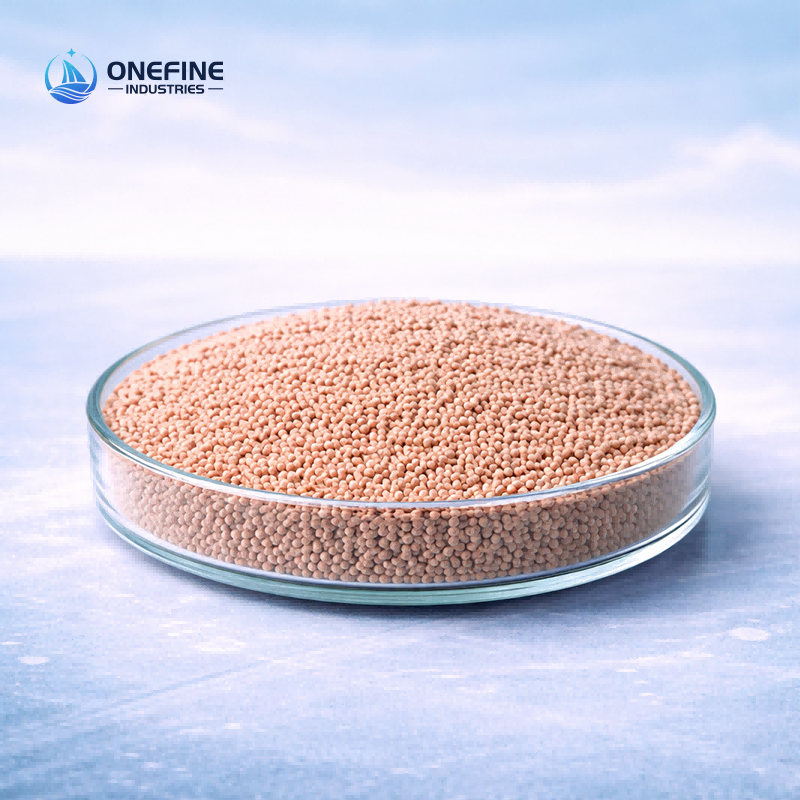
4A Molecular Sieve
General-purpose 4A molecular sieve desiccant for industrial air drying, solvent dehydration, CO2 removal, and static packaging applications. High capacity, long service life.
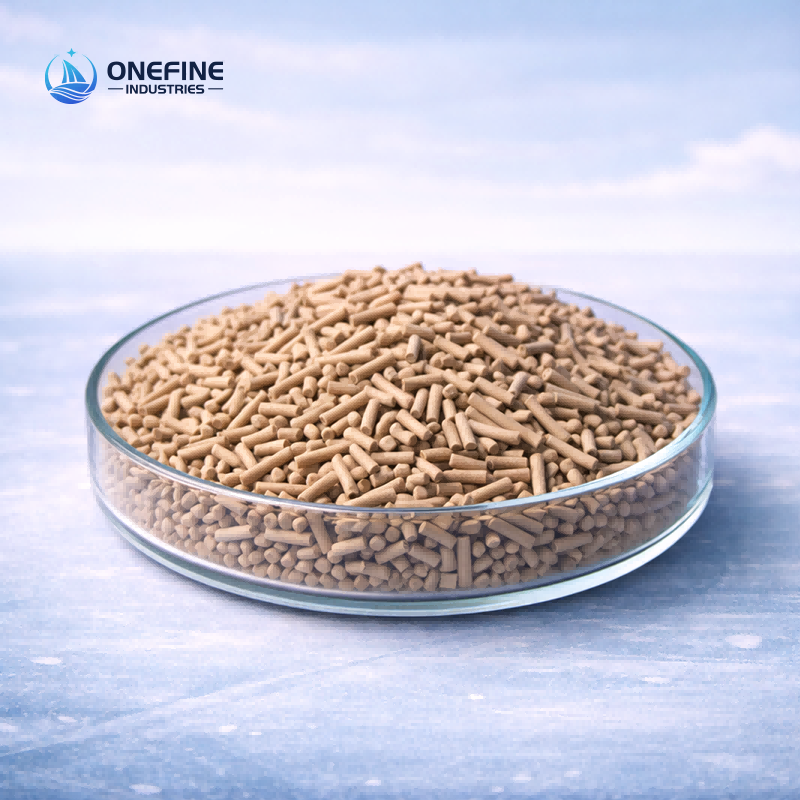
13X Molecular Sieve (Sodium X Type)
Sodium-type 13X molecular sieve with 10Å pore size for air separation pre-purification, natural gas sweetening, solvent recovery, and industrial gas drying. High adsorption capacity, industrial-grade performance.
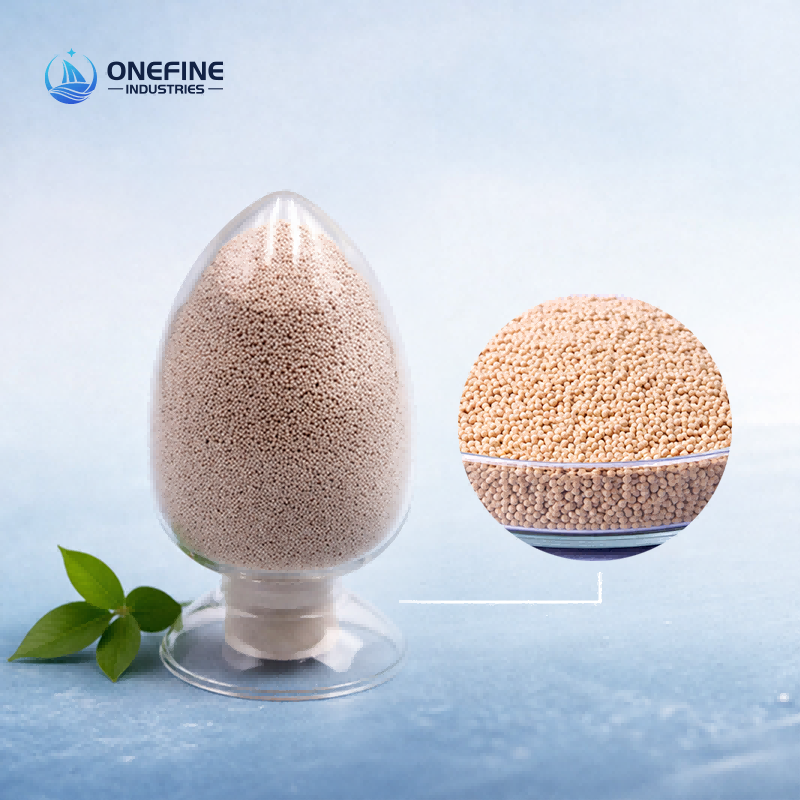
Oxygen Generator Molecular Sieve (13X & Li-LSX)
Premium oxygen generator molecular sieve for PSA/VPSA oxygen generators and medical oxygen concentrators. Available in 13X sodium type and Li-LSX lithium type — high N₂ adsorption capacity, excellent N₂/O₂ selectivity, and 3-5 year service life. Bulk supply with MOQ from 1 ton, serving industrial buyers across the Middle East.
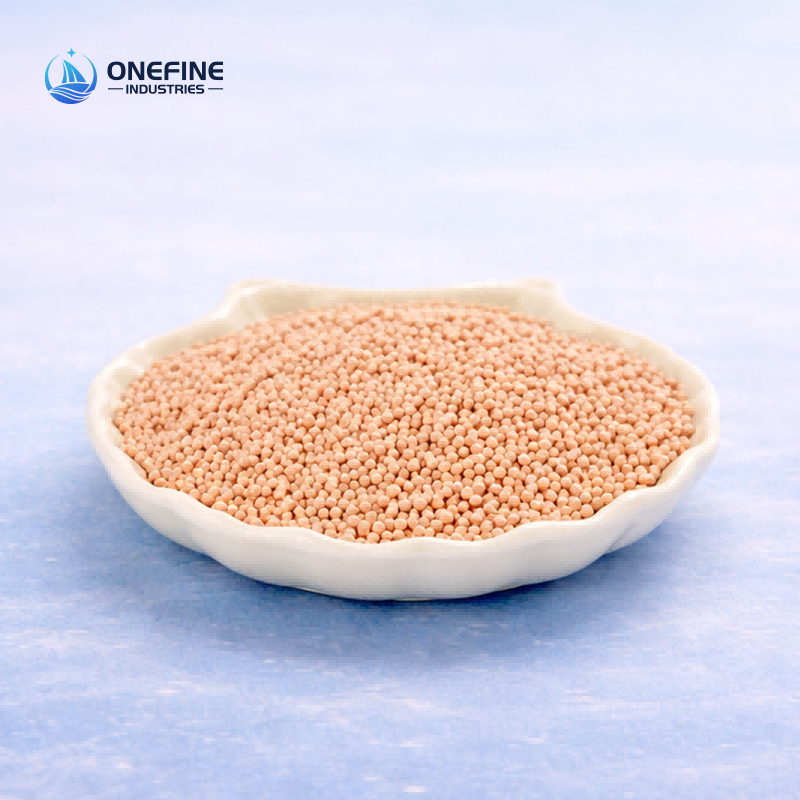
Refrigerant Molecular Sieve (XH Series)
XH Series refrigerant molecular sieves are high-performance zeolite desiccants engineered for deep moisture removal in refrigeration and air conditioning systems. XH-7 is the industry-standard grade for R134a and most HFC/HCFC/HFO systems, while XH-9 delivers universal compatibility across nearly all refrigerant types. XH-5 and XH-11 complete the range for legacy and next-generation applications. Available in beads, pellets, and pre-charged filter drier cores, with MOQ from 1 ton.