Liquid Carryover Damage to Molecular Sieve Beds in Gas Dehydration Units: Application Case Analysis
Industry Context
Key Takeaways
- Liquid water hitting molecular sieve beads causes rapid, localized heating and physical impact that cracks and crumbles the top layer, rather than just saturating it.
- Damage typically manifests as a sudden spike in differential pressure and downstream dust, unlike the gradual breakthrough trend seen in normal bed aging.
- Adding an Activated Alumina guard layer helps absorb the physical impact of occasional liquid slugs, though repairing upstream separation equipment is the only true root-cause fix.
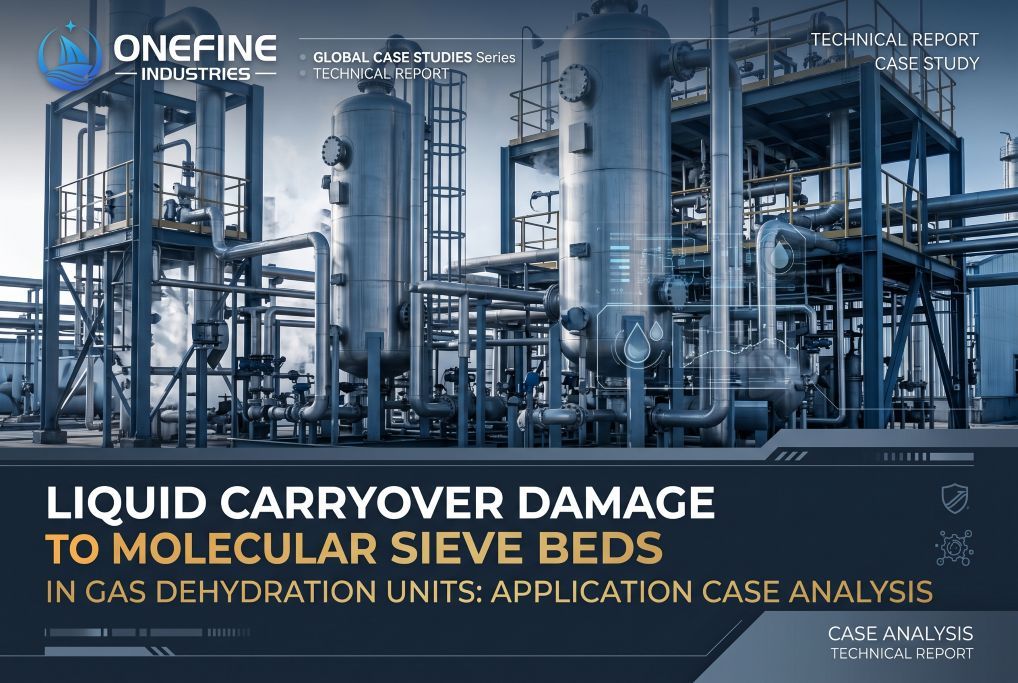
Molecular sieve dehydration beds are designed to adsorb water vapor, not liquid water. When a slug of liquid — water, hydrocarbon condensate, or compressor oil carryover — reaches the top of the bed, the damage is often mechanical rather than a simple loss of adsorption capacity. This case looks at why that happens, how operators typically notice it, and what a front-end guard layer can and can't do about it.
Why Liquid Does More Damage Than Vapor
A molecular sieve bead adsorbs water vapor gradually, and the heat of adsorption is released and carried away across the whole bed over time. Liquid water arriving directly on the bead surface is a different event: the adsorption reaction happens almost instantly and locally, releasing a concentrated burst of heat right at the point of contact. That rapid, localized heating — combined with the physical impact of liquid slugs or droplets hitting the top layer — is what cracks and crumbles the beads, rather than the water itself being "too much" for the bed's rated capacity.
The result is dust and bead fragments concentrated in the top few inches of the 4A Molecular Sieve bed, not a uniform loss of capacity across the whole column. This is a different failure mode from the gradual capacity decline covered in the Molecular Sieve for Natural Gas application case, which deals with dehydration performance under normal operating conditions.
Where the Liquid Actually Comes From
Liquid carryover into a dehydration bed is almost always an upstream separation problem rather than a dehydration-system problem:
- Separator or coalescer underperformance — a knockout drum or coalescing filter that's undersized, fouled, or running past its rated liquid-handling capacity
- Slug flow from the gathering system — pipeline liquid slugs arriving faster than the separator can handle, common in fields with variable flow or long, low-lying gathering lines
- Foaming — glycol or amine carryover from an upstream treating unit can foam and pass liquid droplets through separation equipment that would otherwise catch them
- Startup and shutdown transients — condensation inside idle vessels and piping, which then gets swept into the bed when the unit comes back online
Because the root cause sits upstream of the molecular sieve unit, fixing the bed without addressing the separation issue generally means the same damage happens again on the next upset.
What It Looks Like in Operation
Liquid carryover damage tends to show a specific pattern rather than the slow trend of normal aging:
- A sudden jump in differential pressure across the bed, often tied to a specific upset event rather than a gradual climb
- Fine dust or bead fragments showing up in downstream filters or at the bottom of the vessel on inspection
- Early moisture breakthrough that doesn't match the bed's expected remaining service life based on hours in service
- Visible caking or clumping in the top layer when the bed is opened for inspection, while lower layers still look intact
That combination — sudden pressure drop increase plus dust downstream — is usually enough to distinguish liquid damage from ordinary end-of-life saturation, which instead shows a gradual breakthrough trend without the dust.
Limiting the Damage: A Guard Layer, Not a Fix for the Root Cause
A common mitigation is a layer of Activated Alumina loaded on top of the molecular sieve, the same guard-bed role described in the Activated Alumina as a Molecular Sieve Guard Bed application case. Activated Alumina is mechanically tougher than molecular sieve and can absorb some of the impact and bulk moisture from an occasional liquid slug before it reaches the sieve layer underneath, which reduces how often small upsets turn into bed damage.
What a guard layer doesn't do is replace proper upstream separation. It buys some tolerance for occasional carryover, not protection against a separator or coalescer that's genuinely failing or undersized for the service. Where carryover events are frequent rather than occasional, the more durable fix is upstream — resizing or repairing the separation equipment — rather than continuing to absorb the damage in the guard layer.
Looking for Bulk Supply of Molecular Sieve or Activated Alumina?
Sorbsieve is a trusted bulk supplier of molecular sieve, activated alumina, and complete industrial adsorbents, serving industrial buyers across the Middle East.
We provide:
- ✅ Container-level supply (20'GP / 40'GP / 40'HQ)
- ✅ Full documentation (COA / TDS / SDS / COO)
- ✅ Multiple packaging options
- ✅ Technical support for bed design and guard-layer sizing
- ✅ Fast quote response for industrial inquiries
Contact our team for bulk pricing, product samples, and technical consultation.
Related Products
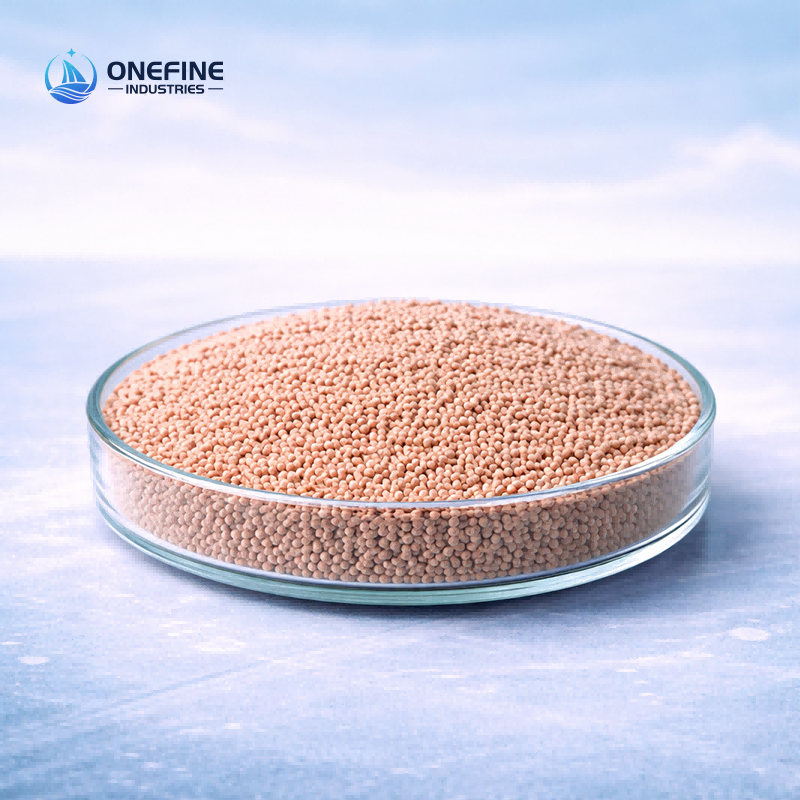
4A Molecular Sieve
General-purpose 4A molecular sieve desiccant for industrial air drying, solvent dehydration, CO2 removal, and static packaging applications. High capacity, long service life.
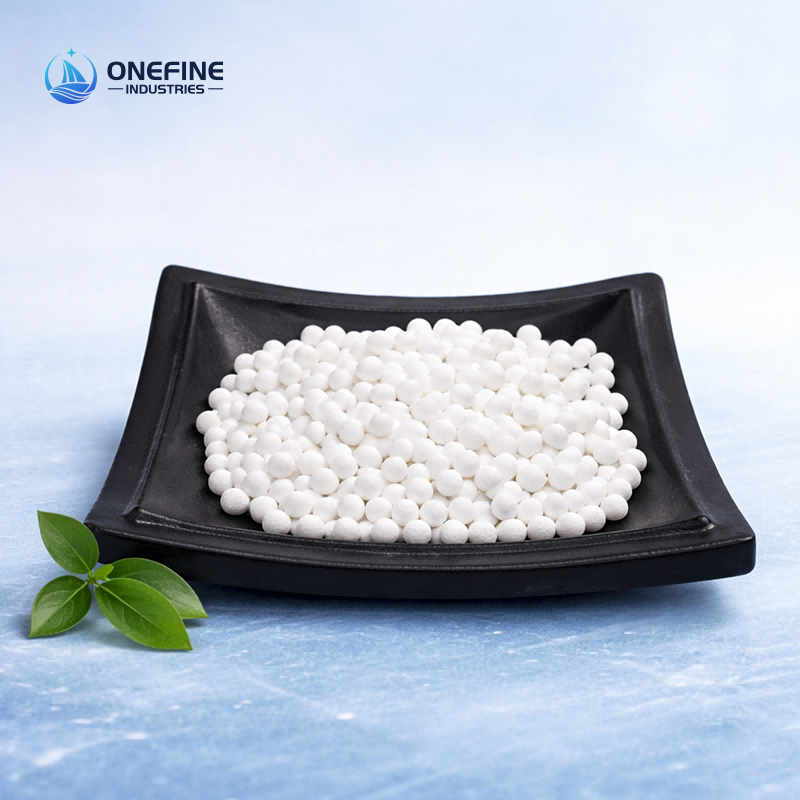
Activated Alumina for Purification
High-performance activated alumina (γ-Al₂O₃) adsorbent and desiccant for industrial gas/liquid drying, water defluoridation, and purification. White spherical beads with high surface area (≥300 m²/g), excellent crush strength, and full thermal regenerability. Available in multiple particle sizes for compressed air dryers, water treatment, and catalyst carrier applications.
Related Applications
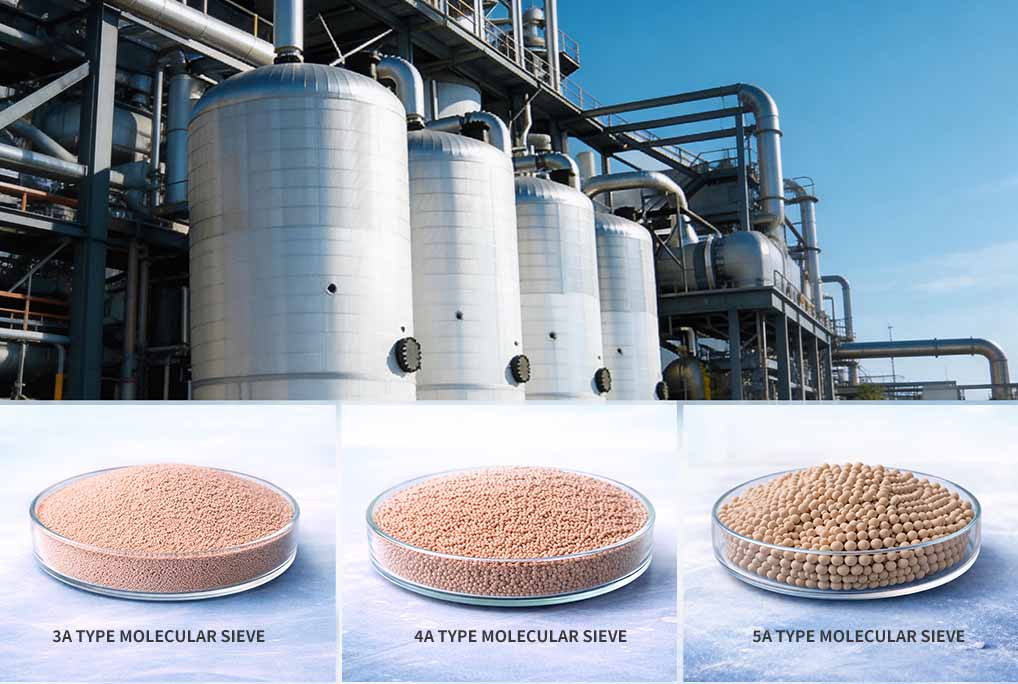
Molecular Sieve for Natural Gas: Applications in Dehydration, CO2 Removal, LNG Pre-Treatment, and Gas Purification
Natural gas requires molecular sieve at nearly every purification stage — from bulk dehydration to the ppm-level purity needed for LNG production. This case covers four core applications (dehydration, CO2/H2S removal, LNG pre-treatment, and gas purification) with the sieve type, specifications, and supply details for each.
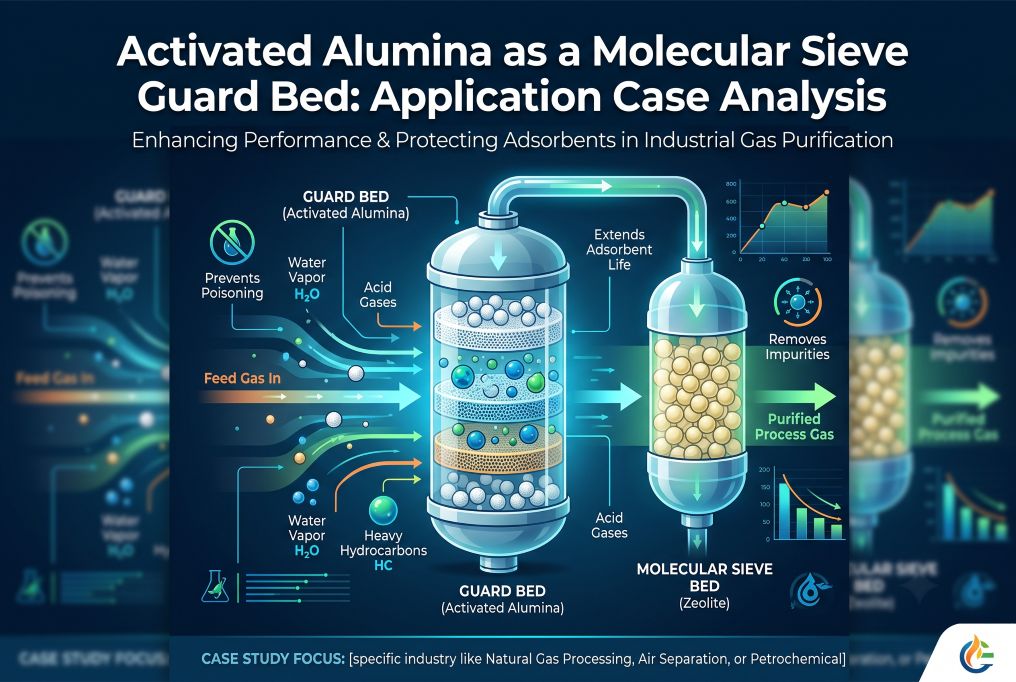
Activated Alumina as a Molecular Sieve Guard Bed: Application Case Analysis
How activated alumina protects downstream molecular sieve beds — CMS, Oxygen Generator Molecular Sieve, and 4A — across PSA nitrogen, PSA oxygen, and general drying systems.
Related Reading
How to Choose Molecular Sieve for Air Drying
A practical guide to selecting the right molecular sieve for compressed air drying applications — covering dew point targets, contaminant removal, form factor, regeneration method, and common selection mistakes to avoid.
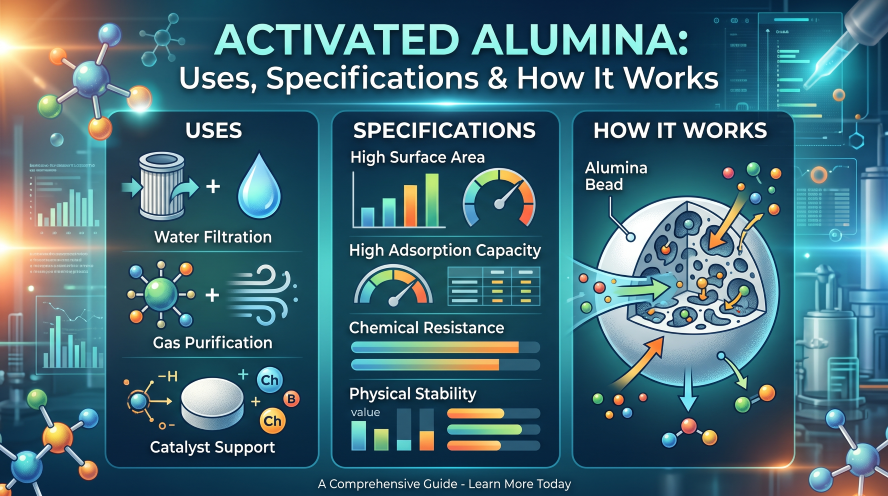
What is Activated Alumina? Uses, Specifications & How It Works
A practical guide to activated alumina (γ-Al₂O₃)—how it adsorbs moisture and fluoride, how it compares to silica gel and molecular sieve, and how to choose the right grade for your application.