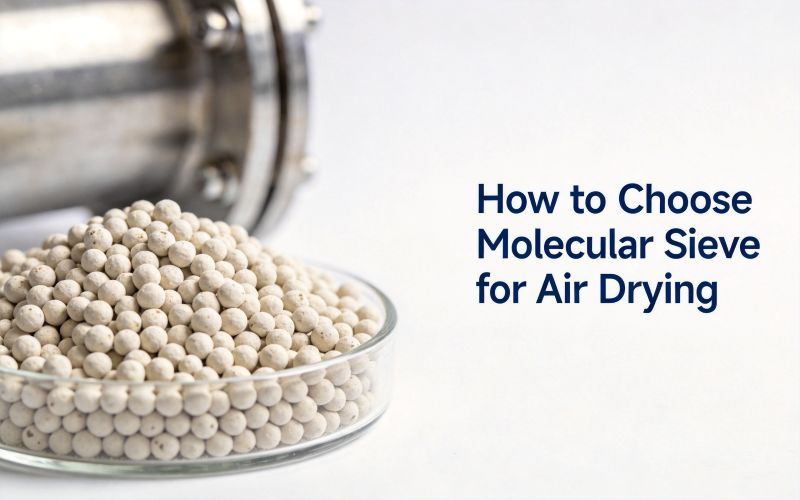
Compressed air drying is one of the most common industrial applications for molecular sieve, but not every molecular sieve type is suited to it. Picking the wrong pore size or form factor can mean poor dew point performance, wasted regeneration energy, or premature bed replacement.
This guide walks through the key factors to consider when selecting molecular sieve for air drying — so you can match the right product to your dryer design and target dew point, rather than guessing.
Key Takeaways
- 4A molecular sieve is the standard for compressed air drying, capable of achieving dew points down to -70°C while co-adsorbing CO₂.
- 3A molecular sieve provides selective water-only drying, which is essential when CO₂ co-adsorption must be avoided to protect sensitive downstream processes.
- Proper bed sizing and regeneration matching (TSA vs. PSA) are critical; undersizing the bed leads to underperformance during peak humidity loads.
Why Molecular Sieve Is Used for Air Drying
Compressed air always contains water vapor picked up during compression. Left untreated, this moisture causes corrosion, freezing in pneumatic lines, and contamination of downstream processes.
Molecular sieve removes this moisture through adsorption: water molecules are physically trapped inside the sieve's uniform crystalline pores as air passes through the bed. Unlike silica gel or activated alumina, molecular sieve can achieve very low dew points — down to -70°C or lower — which is why it's the standard choice for heatless (PSA), heat-reactivated, and blower purge air dryers.
Key Factors to Consider When Choosing
1. Target Dew Point
This is the single biggest driver of your molecular sieve selection.
- Standard compressed air drying (dew point around -40°C): general-purpose molecular sieve is sufficient
- Deep drying / cryogenic pre-treatment (dew point -70°C or lower): requires a molecular sieve with high water capacity and consistent pore uniformity, typically paired with a longer bed or two-stage design
2. What Else Needs to Be Removed
Air drying isn't always just about water. If your air stream also carries CO₂, H₂S, or other small polar molecules (common in air separation unit pre-treatment), you need a sieve that adsorbs those contaminants too — not just water.
3. Operating Temperature & Pressure
Check your system's operating temperature range and regeneration temperature against the molecular sieve's rated limits. Running consistently near or above a sieve's maximum operating temperature will shorten its service life.
4. Form Factor
- Beads: faster adsorption kinetics, common in most standard dryers
- Pellets: slightly lower pressure drop, often preferred for deep beds
- Bead/pellet size also affects pressure drop — smaller particles adsorb faster but increase resistance to airflow
5. Regeneration Method
- Thermal Swing Adsorption (TSA): heat-based regeneration, standard for most air dryers
- Pressure Swing Adsorption (PSA): pressure-based regeneration, common in heatless dryers with shorter cycle times
Make sure the molecular sieve you choose is rated for the regeneration method your dryer uses.
Which Molecular Sieve Type Is Right for Air Drying?
4A Molecular Sieve — The Standard Choice
For most compressed air drying and air separation pre-treatment applications, 4A molecular sieve is the default recommendation. Its 4Å pore size adsorbs water plus CO₂ and other small polar molecules, giving it high capacity (up to 22% water by weight) and broad contaminant removal — exactly what's needed when air also carries CO₂ ahead of cryogenic air separation. See our full 4A Molecular Sieve guide for detailed specifications.
3A Molecular Sieve — For Selective Drying Only
If your application requires drying air or gas without adsorbing anything else — for example, where CO₂ removal is undesirable or where you're protecting sensitive downstream catalysts from co-adsorption effects — 3A molecular sieve is the more selective option. Its smaller 3Å pore excludes CO₂ and larger molecules, adsorbing only water. Full comparison in our 3A vs 4A Molecular Sieve guide.
5A and 13X Molecular Sieve — For Specialized Air Separation Needs
For some air separation and PSA gas separation applications, 5A (calcium-based, larger pore) or 13X (sodium X-type, largest pore) molecular sieves may be specified — typically where the process also requires separating larger molecules such as n-paraffins, or where deeper pre-purification ahead of cryogenic distillation is needed. These are more specialized choices; our technical team can help confirm whether 5A or 13X fits your specific air separation design better than standard 4A.
Common Mistakes to Avoid
- Choosing based on price alone: A cheaper sieve with lower adsorption capacity often means more frequent replacement and higher total cost of ownership
- Ignoring co-adsorbed contaminants: Selecting 3A when your air stream also carries CO₂ (or vice versa) leads to underperformance
- Undersizing the bed: A bed sized only for average conditions will underperform during peak humidity or flow periods
- Skipping regeneration compatibility checks: Using a sieve rated for one regeneration method in a dryer designed for another shortens service life
- Not accounting for co-adsorbed oil or particulates: Pre-filtration matters — oil aerosols and dust can foul the sieve bed and reduce effective capacity
How to Select the Right Size and Form
Once you've identified the right molecular sieve type, narrow down the physical specification:
- Bead vs. pellet vs. powder — match to your existing bed/vessel design
- Particle size — smaller particles for faster kinetics, larger particles for lower pressure drop in deep beds
- Bulk density and crushing strength — check these against your vessel's mechanical loading and flow requirements
- Packaging format — bulk bags, drums, or super sacks depending on your order volume and handling setup
Not sure which specification fits your dryer? Send us your target dew point, flow rate, and operating pressure, and our technical team can recommend the right product.
Recommended Products from Sorbsieve
- 4A Molecular Sieve — general-purpose air drying and CO₂ co-removal, bulk supply from 1 ton
- 3A Molecular Sieve — selective water-only drying for CO₂-sensitive or catalyst-sensitive systems
Frequently Asked Questions
What's the best molecular sieve for compressed air dryers? 4A molecular sieve is the standard choice for most compressed air drying systems, offering high water adsorption capacity plus the ability to remove CO₂ and other small polar molecules. 3A is preferred only when CO₂ co-adsorption is undesirable.
Can I use the same molecular sieve for both drying and CO₂ removal? Yes — this is one of the main advantages of 4A molecular sieve. Its 4Å pore adsorbs both water and CO₂ in a single bed, which is why it's widely used ahead of cryogenic air separation units.
How often does molecular sieve need to be replaced in an air dryer? With proper regeneration, molecular sieve typically lasts 2-3 years in air drying service. Actual lifespan depends on operating conditions, contaminant load, and regeneration consistency.
Does bead size affect air dryer performance? Yes. Smaller beads adsorb faster but create higher pressure drop across the bed; larger beads or pellets lower pressure drop but adsorb more slowly. The right choice depends on your flow rate and allowable pressure drop.
Conclusion
Choosing the right molecular sieve for air drying comes down to matching pore size and capacity to what's actually in your air stream — not just targeting a dew point in isolation. For most compressed air and air separation pre-treatment applications, 4A molecular sieve is the reliable default; 3A is worth considering when selective water-only removal matters more than broad contaminant capture.
Looking for Bulk Supply of Molecular Sieve for Air Drying?
Sorbsieve is a trusted bulk supplier of 4A, 3A, and other industrial molecular sieve grades, serving industrial buyers across the Middle East.
We provide:
- ✅ Container-level supply (20'GP / 40'GP / 40'HQ)
- ✅ Full documentation (COA / TDS / SDS / COO)
- ✅ Multiple packaging options
- ✅ Technical support for molecular sieve selection and system optimization
- ✅ Fast quote response for industrial inquiries
Contact our team for bulk pricing, product samples, and technical consultation.
Related Products
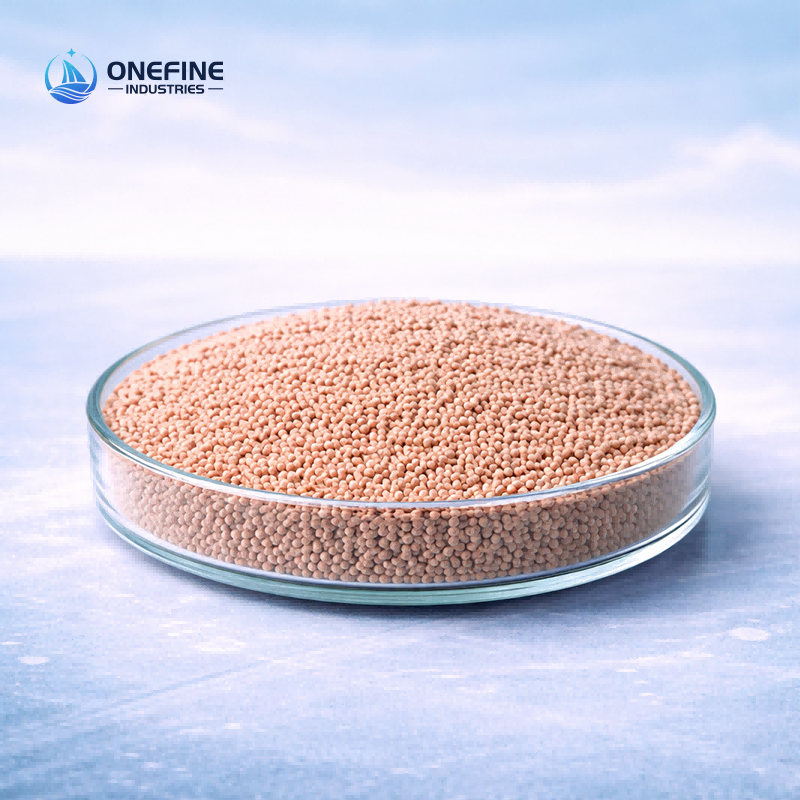
4A Molecular Sieve
General-purpose 4A molecular sieve desiccant for industrial air drying, solvent dehydration, CO2 removal, and static packaging applications. High capacity, long service life.
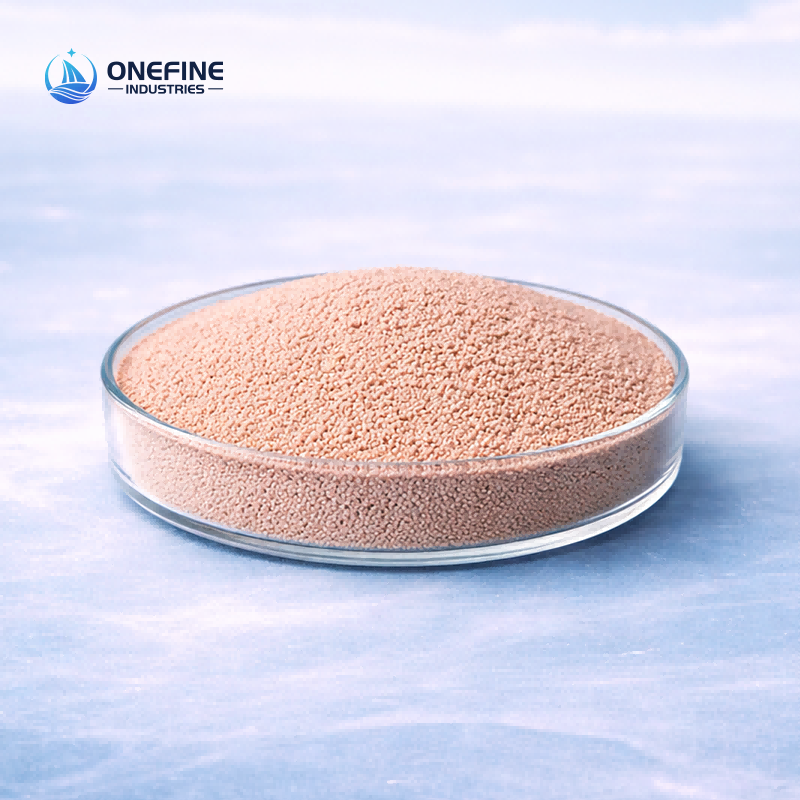
3A Molecular Sieve
High-efficiency 3A molecular sieve desiccant for ultra-deep industrial dehydration. Available in beads and pellets, 2-3 year service life with proper regeneration.
Related Reading
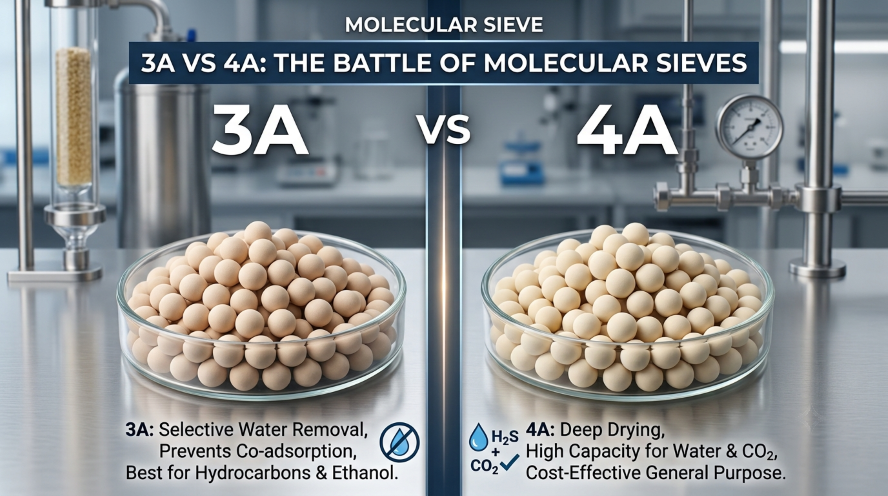
3A vs 4A Molecular Sieve: Key Differences & How to Choose
In-depth guide comparing 3A and 4A molecular sieves. Covers pore size differences, adsorption selectivity, capacity comparison, application scenarios for each type, and practical guidance on selecting the right molecular sieve for your industrial drying or gas separation needs.
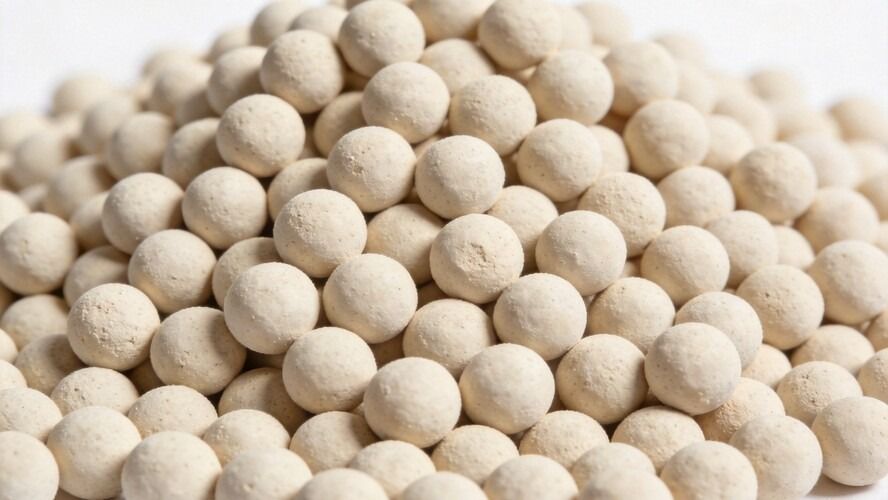
What is 4A Molecular Sieve? Uses, Specifications & How It Works
Everything you need to know about 4A molecular sieve: how it works, its 4Å pore size, physical adsorption process, and main industrial applications like air drying and CO2 removal.
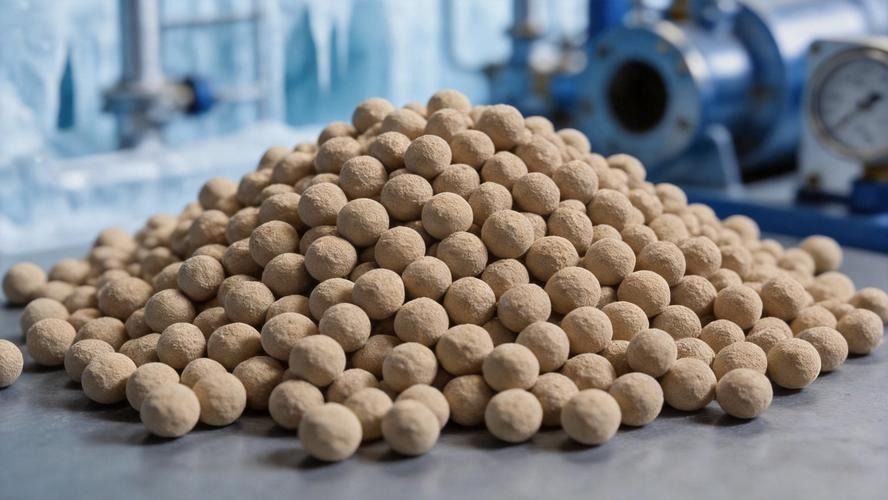
What is 3A Molecular Sieve? Uses, Specifications & How It Works
Everything you need to know about 3A molecular sieves: how they work, key properties, common applications in ethanol dehydration, natural gas processing & refrigeration, plus regeneration and selection tips.