Activated Alumina in Compressed Air Dryers: How It Works
Key Takeaways
- Activated alumina serves as the primary desiccant in compressed air dryers, reliably delivering a standard -40°C pressure dew point for plant and instrument air.
- Alumina desorbs at roughly 150–200°C, requiring substantially lower regeneration energy than molecular sieves (250–350°C) in heat-reactivated systems.
- For ultra-deep dew points (-70°C or lower), a cost-effective layered bed combines bulk water removal by alumina with a top polishing layer of 13X molecular sieve.
- Upstream coalescing filtration is critical, as activated alumina only adsorbs water vapor; liquid oil aerosols and particulates will foul the desiccant bed.
Introduction
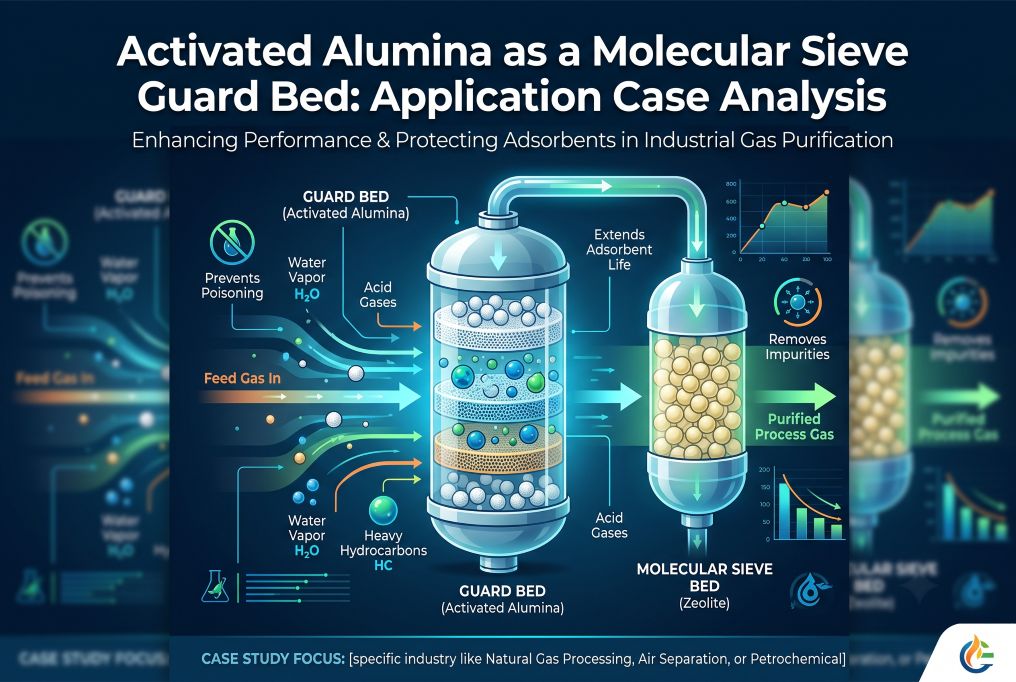
Compressed air systems in refineries, petrochemical plants, and general manufacturing facilities depend on desiccant air dryers to keep moisture out of downstream pneumatics, instrumentation, and process lines. In the vast majority of these systems, Activated Alumina is the desiccant doing the drying — not as a protective layer ahead of something else, but as the primary adsorbent carrying the full moisture load. This is a different role from the one covered in our Activated Alumina as a Molecular Sieve Guard Bed application case, where alumina sits upstream to protect a downstream molecular sieve bed in gas separation systems. Here, alumina is the workhorse itself, and the only question is whether it needs help from a molecular sieve layer to reach a deeper dew point.
Where Activated Alumina Fits in a Compressed Air Dryer
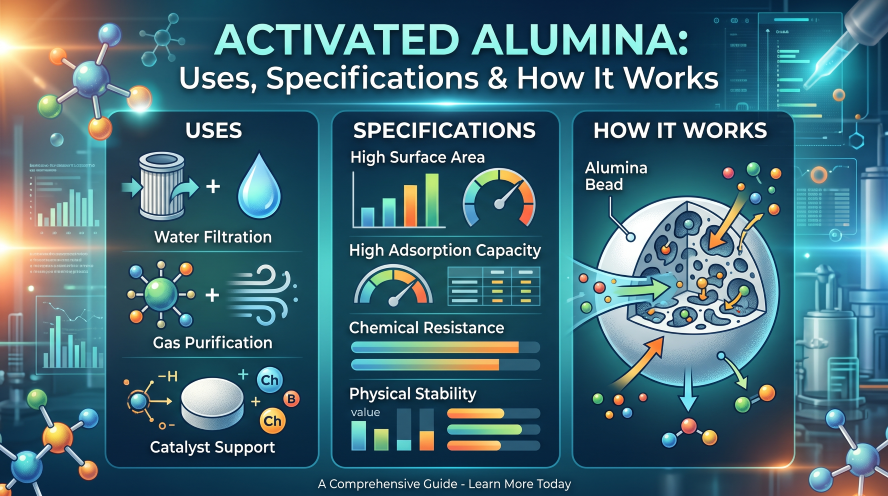
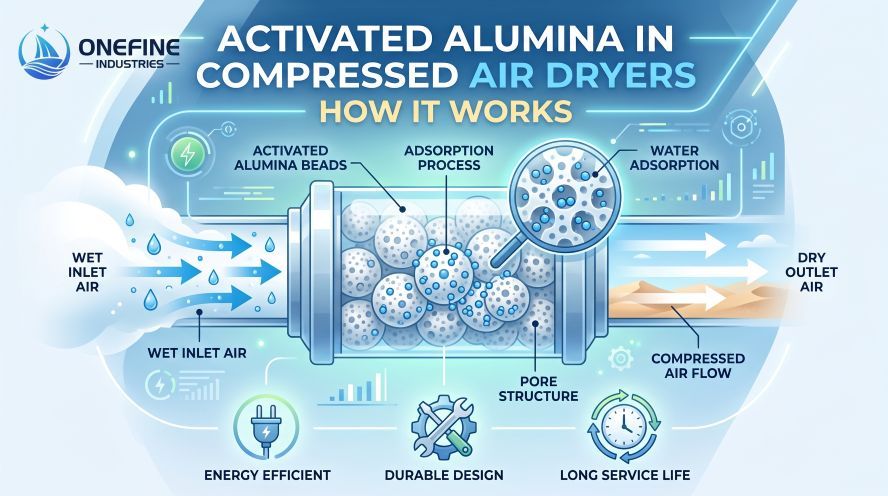
Desiccant compressed air dryers — whether heatless (pressure swing) or heat-reactivated (blower purge) designs — remove water vapor by adsorption rather than refrigeration, which is what lets them reach pressure dew points well below freezing. Activated alumina is the standard adsorbent for this job because it combines a few things a compressed air system actually needs:
- High water capacity at the pressures and temperatures typical of plant air — roughly in the 12-14% weight range under saturated conditions near 7 bar and ambient plant temperatures, enough to carry a full drying cycle between regenerations
- Mechanical toughness to survive thousands of pressurization, adsorption, and regeneration cycles without breaking down into fines that would foul downstream filters
- Tolerance to the moisture swings and occasional liquid carryover that real compressed air systems see, which is a condition molecular sieve handles poorly
- Lower regeneration energy than molecular sieve, since alumina desorbs at roughly 150-200°C versus the 250-350°C molecular sieve typically needs — a meaningful difference in a heat-reactivated dryer running continuously
Under these conditions, a well-sized activated alumina bed reliably brings compressed air down to around -40°C pressure dew point, which is the benchmark most instrument air and general plant air specifications are written around.
When a Layered Bed Adds Molecular Sieve on Top
Not every compressed air application stops at -40°C. Some downstream processes — certain pneumatic conveying lines, specific instrumentation, or air used directly in a sensitive process step — call for a deeper dew point, sometimes down toward -70°C or lower. Pure activated alumina beds start to lose efficiency as the target dew point gets that aggressive, because alumina's adsorption capacity falls off at very low relative humidity.
The common engineering answer, documented across dryer OEMs and adsorbent suppliers, is a layered bed: activated alumina handles the bulk moisture load in the lower or first section of the tower, and a thin top layer of 13X Molecular Sieve polishes the air down to the deeper dew point. This is a genuine two-stage configuration, not a substitution — alumina still does most of the work by volume, and the molecular sieve layer only needs to handle the residual moisture alumina leaves behind. It's a more cost-effective way to hit an ultra-low dew point spec than filling the entire tower with molecular sieve, since alumina costs a fraction of what molecular sieve does and needs less regeneration energy to boot.
Buyers should treat this as a genuine either/or decision based on the actual dew point requirement, not a default upgrade:
- -40°C spec (standard instrument air, general plant air, pneumatic tools, paint spraying): activated alumina alone is the conventional, cost-effective choice
- Deeper than -40°C, or a process with zero tolerance for moisture excursions: a layered alumina + molecular sieve bed, sized for the specific dew point target
Why Alumina Stays the Default for General Compressed Air
It's worth being direct about why molecular sieve isn't simply used everywhere for compressed air drying, since it does achieve lower dew points on paper. Molecular sieve is significantly more expensive per unit volume, requires higher regeneration temperatures that raise the energy cost of every cycle, and is considerably more sensitive to liquid water carryover and heavy hydrocarbon contamination — both of which show up in real compressed air systems more often than in a clean gas-separation process. For a system that only needs to hit -40°C, spending on full molecular sieve capacity buys dew point performance the application will never use, while adding regeneration cost and contamination risk that alumina tolerates better.
This is the same cost-versus-performance logic that governs adsorbent selection across our other guard bed and gas-drying content, applied here to the compressed air side of a plant rather than the process gas side.
FAQ
Does activated alumina remove oil or particulates from compressed air, or only water? Activated alumina beds are sized and rated for water vapor adsorption. Oil aerosols and particulates need to be removed upstream with coalescing filters before the air reaches the desiccant tower — carryover of either will foul the alumina bed and shorten its service life.
Can an existing alumina-only dryer be retrofitted with a molecular sieve top layer later? In many cases yes, since it's a matter of re-loading the tower with a layered charge rather than replacing the vessel — but tower height, regeneration cycle timing, and blower/heater sizing all need to be checked against the deeper dew point target before making the change.
How often does the desiccant need to be replaced in this kind of dryer? Service life depends heavily on inlet air quality (oil and liquid water carryover being the main culprits) and regeneration practice, so we don't quote a fixed number — see How Often Should You Replace Activated Alumina in a Molecular Sieve Guard Bed? for the breakthrough signs to watch for, which apply to compressed air dryer service as well.
Looking for Bulk Supply of Activated Alumina?
Sorbsieve is a trusted bulk supplier of activated alumina and complete industrial adsorbents, serving industrial buyers across the Middle East.
We provide:
- ✅ Container-level supply (20'GP / 40'GP / 40'HQ)
- ✅ Full documentation (COA / TDS / SDS / COO)
- ✅ Multiple packaging options
- ✅ Technical support for activated alumina selection and system optimization
- ✅ Fast quote response for industrial inquiries
Contact our team for bulk pricing, product samples, and technical consultation.
Related Products
Activated Alumina for Purification
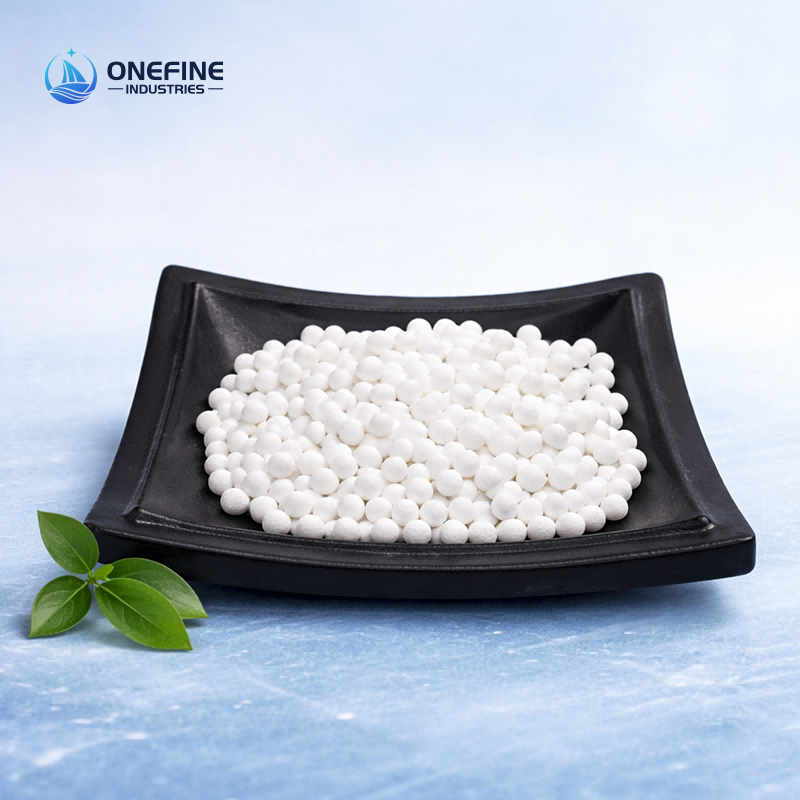
High-performance activated alumina (γ-Al₂O₃) adsorbent and desiccant for industrial gas/liquid drying, water defluoridation, and purification. White spherical beads with high surface area (≥300 m²/g), excellent crush strength, and full thermal regenerability. Available in multiple particle sizes for compressed air dryers, water treatment, and catalyst carrier applications.
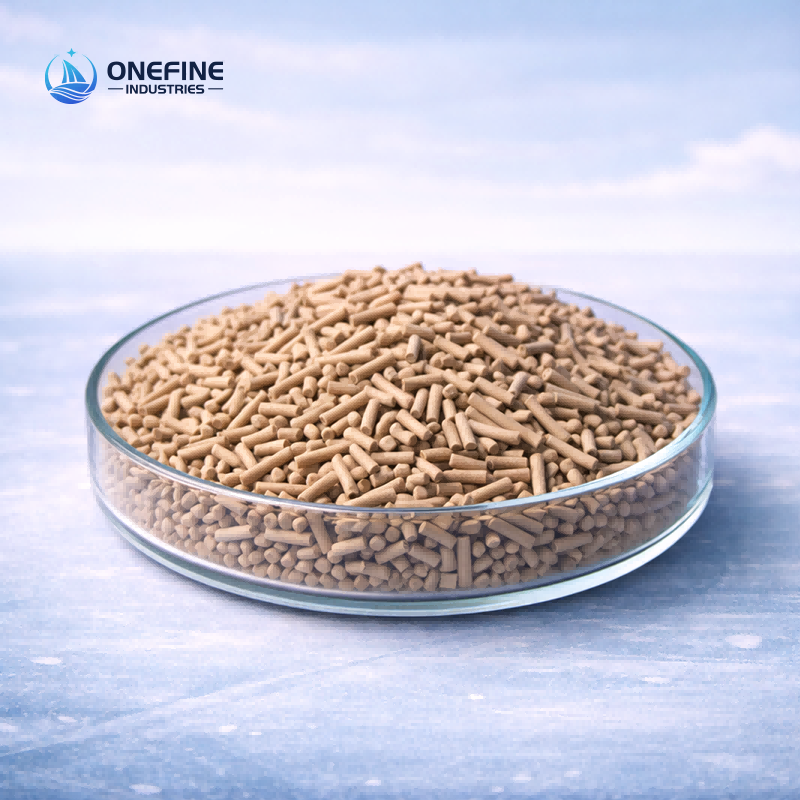
13X Molecular Sieve (Sodium X Type)
Sodium-type 13X molecular sieve with 10Å pore size for air separation pre-purification, natural gas sweetening, solvent recovery, and industrial gas drying. High adsorption capacity, industrial-grade performance.