Carbon Molecular Sieve: The Ultimate Guide to PSA Nitrogen Generation
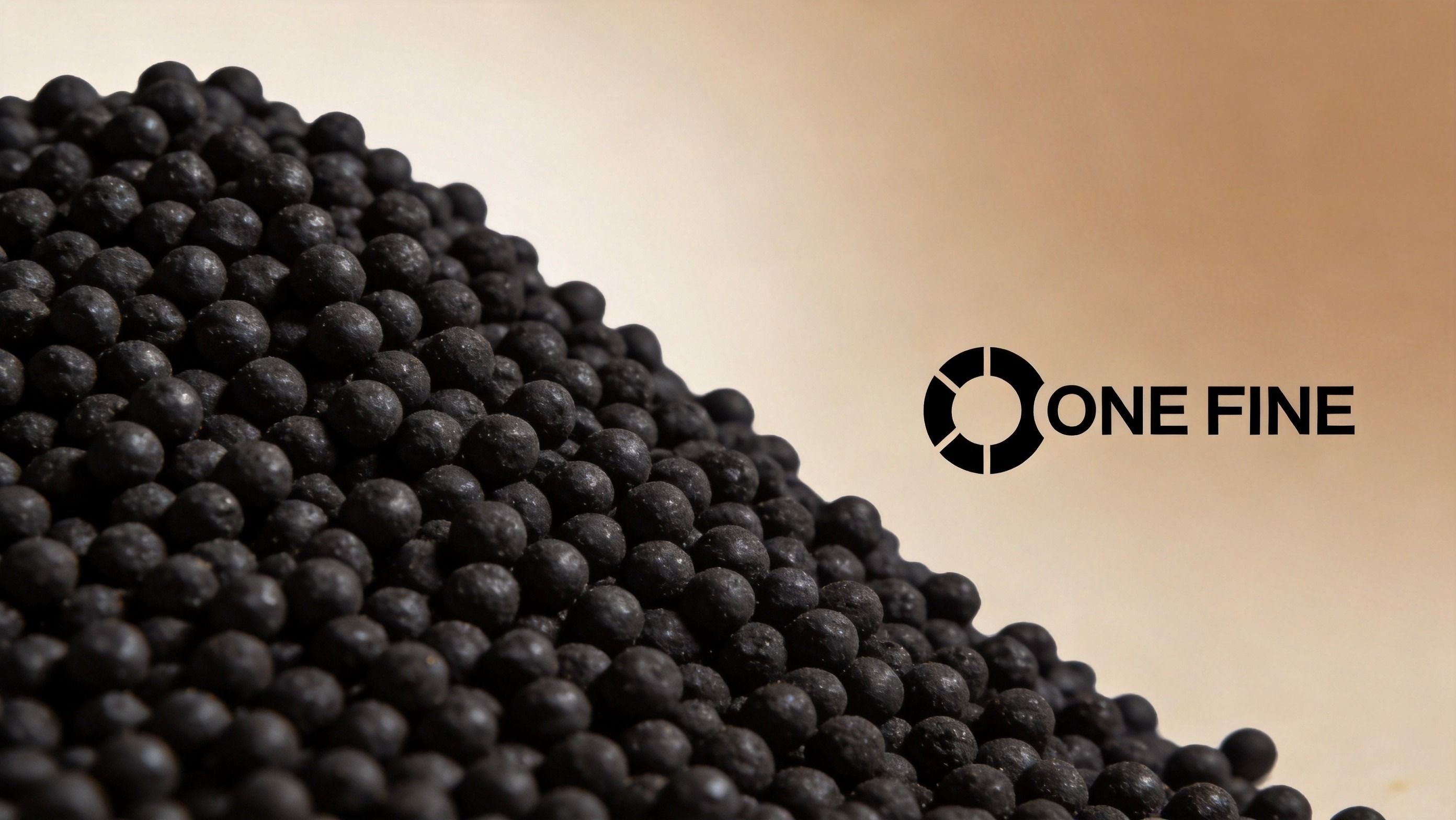
In today's industrial landscape, reliable and cost-effective nitrogen supply is essential for countless applications, from food preservation to electronics manufacturing. While traditional methods like cylinder nitrogen or liquid nitrogen delivery have been the standard for decades, more and more businesses are turning to on-site nitrogen generation using carbon molecular sieves (CMS) for greater efficiency, lower costs, and improved operational flexibility.
This comprehensive guide explores everything you need to know about carbon molecular sieves, how they work in pressure swing adsorption (PSA) nitrogen generation systems, their benefits, applications, and how to select and maintain the right CMS for your operation.
What is Carbon Molecular Sieve?
Key Takeaways:
- Kinetic vs. Equilibrium: Unlike zeolites, carbon molecular sieves separate gases via kinetic diffusion—oxygen (3.46 Å) enters pores 30-40x faster than nitrogen (3.64 Å).
- Non-Polar Carbon Structure: Specifically manufactured with 3-5 Å micropores optimized for efficient oxygen-nitrogen separation in PSA systems.
- Cost-Effective Production: CMS-based PSA generation cuts nitrogen costs by 50-90% compared to traditional cylinder or liquid supply.
- Crucial Maintenance: Proper feed air pretreatment (removing oil and moisture) is the most critical factor in achieving the typical 3-5 year CMS lifespan.
Carbon molecular sieve is a specialized adsorbent material made from carbonaceous precursors such as coal, coconut shell, or resin through a series of manufacturing processes including carbonization, activation, and pore size adjustment. The result is a material with a highly developed porous structure and uniform micropore size distribution, typically ranging from 0.3 to 0.5 nanometers (3-5 angstroms).
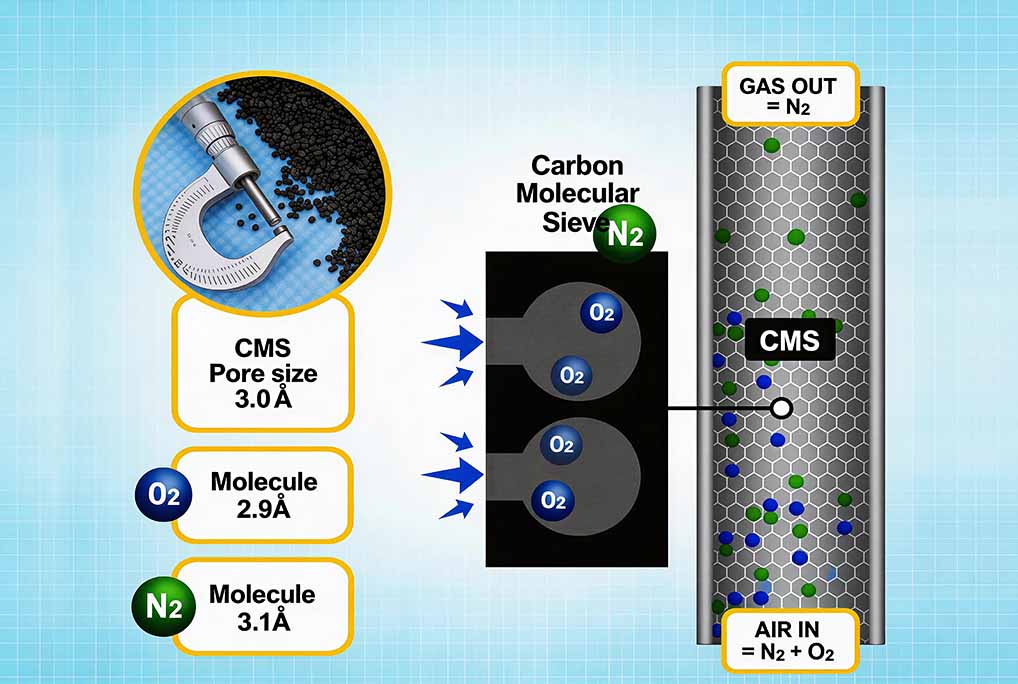
Unlike traditional adsorbents, carbon molecular sieve has a unique pore structure that allows it to separate molecules based on their size and diffusion rate. The micropores in CMS are precisely sized to allow smaller oxygen molecules (kinetic diameter ~3.46 Å) to diffuse into the pore structure more quickly, while larger nitrogen molecules (kinetic diameter ~3.64 Å) move more slowly and remain in the bulk gas phase. This size-selective adsorption property makes CMS ideal for separating nitrogen from compressed air.
Key Characteristics of High-Quality Carbon Molecular Sieve:
- Uniform pore size distribution: Ensures consistent separation performance and reliable nitrogen purity
- High adsorption capacity: Maximizes nitrogen yield per unit of sieve material
- Fast adsorption kinetics: Enables shorter cycle times and higher system productivity
- High mechanical strength: Reduces attrition and extends service life
- Low wear rate: Minimizes dust formation and maintains bed integrity
- Good regeneration properties: Maintains performance over thousands of adsorption-desorption cycles
The quality of carbon molecular sieve directly impacts the performance and operating costs of a nitrogen generation system. Higher-quality CMS may have a higher upfront cost but typically delivers better efficiency, longer service life, and lower total cost of ownership. For complete technical specifications, see our Carbon Molecular Sieve product page.
How Does Carbon Molecular Sieve Work for Nitrogen Generation?
The separation mechanism of carbon molecular sieve is based on the kinetic difference in diffusion rates between oxygen and nitrogen molecules in the microporous carbon structure. Here's a more detailed look at the process:
The Diffusion-Based Separation Mechanism
When compressed air enters a bed filled with carbon molecular sieve, gas molecules begin to diffuse into the micropores of the CMS. Because oxygen molecules are slightly smaller than nitrogen molecules, they diffuse into the micropores much faster—typically about 30-40 times faster than nitrogen. This means that during the initial stage of the adsorption cycle, oxygen is preferentially adsorbed onto the internal surface area of the carbon molecular sieve, while nitrogen molecules largely remain in the gas phase.
As the adsorption cycle continues, the amount of adsorbed oxygen increases until the carbon molecular sieve approaches its adsorption capacity. At this point, the bed must be regenerated to release the adsorbed oxygen and prepare for the next cycle.
Why Carbon and Not Zeolite?
You might be wondering why carbon molecular sieve is used for nitrogen generation instead of traditional zeolite molecular sieves. The answer lies in the separation mechanism and the properties of the materials:
- Separation mechanism: Zeolite molecular sieves separate molecules based on equilibrium adsorption (thermodynamic difference), while carbon molecular sieves separate based on kinetic diffusion rate difference. For oxygen and nitrogen, which have very similar sizes and adsorption properties, kinetic separation with CMS is more efficient and cost-effective.
- Pore size control: Carbon materials allow for more precise control of micropore sizes in the 3-5 Å range, which is critical for effective oxygen-nitrogen separation.
- Regeneration: Carbon molecular sieves can be regenerated more easily with simple pressure reduction, making them well-suited for PSA processes.
- Cost: CMS-based nitrogen generation systems are generally more cost-effective for producing nitrogen at purities between 95% and 99.999%, which covers most industrial applications.
The PSA Process Explained
Pressure swing adsorption (PSA) is the most common technology used with carbon molecular sieves for nitrogen generation. The PSA process uses two or more adsorbent beds that alternate between adsorption and regeneration phases to produce a continuous flow of nitrogen.
The Basic PSA Cycle
A typical PSA nitrogen generation cycle consists of four main steps:
- Adsorption (Pressurization): Compressed, purified air enters the bottom of one adsorbent bed and flows upward through the carbon molecular sieve. As the air passes through the CMS bed, oxygen, water vapor, and other impurities are preferentially adsorbed, while nitrogen passes through and is collected as product gas from the top of the bed.
- Pressure Equalization: After the adsorption phase is complete, the pressurized gas from the top of the saturated bed is transferred to the second bed that has just completed regeneration. This pressure equalization step improves the energy efficiency of the system by recovering pressurized gas that would otherwise be vented.
- Desorption (Depressurization): The saturated bed is depressurized to near atmospheric pressure, which causes the adsorbed oxygen and other impurities to be released (desorbed) from the carbon molecular sieve. The desorbed gas, called tail gas or waste gas, is vented to the atmosphere.
- Purging: A small portion of the product nitrogen is used to purge the regenerating bed in a counter-current direction, which helps to further remove any remaining adsorbed oxygen and prepare the bed for the next adsorption cycle.
This alternating cycle of adsorption and regeneration allows PSA systems to produce a continuous supply of high-purity nitrogen with minimal moving parts and low maintenance requirements.
Factors Affecting PSA Performance
Several factors influence the performance and efficiency of a CMS-based PSA nitrogen generator: operating pressure, cycle time, feed air quality, temperature, and CMS quality and quantity.
Key Benefits of Using Carbon Molecular Sieve for Nitrogen Generation
Significant Cost Savings — On-site nitrogen generation using carbon molecular sieve typically costs 50-90% less than purchasing cylinder or liquid nitrogen, with payback periods often ranging from 12 to 24 months.
Continuous, Reliable Supply — The system operates continuously, producing nitrogen on demand whenever you need it.
High Purity and Consistent Quality — Modern CMS-based PSA systems can produce nitrogen with purity levels ranging from 95% to 99.999%.
Environmental Benefits — Eliminates transportation emissions and reduces energy waste from liquid nitrogen evaporation.
Low Maintenance Requirements — Relatively few moving parts, with typical service life of 3-5 years or more.
Scalability and Flexibility — Available in a wide range of sizes and capacities.
Applications of CMS Nitrogen Generators
Food and Beverage Industry: Modified atmosphere packaging, beverage dispensing, edible oil processing, grain storage.
Chemical and Petrochemical Industry: Tank blanketing, pipeline purging, chemical reactions, refinery operations.
Electronics Manufacturing: Soldering processes, semiconductor manufacturing, PCB fabrication, component packaging.
Pharmaceutical and Medical Industry: Drug manufacturing, hospital central gas supply, medical device packaging, cryopreservation.
Metallurgy and Heat Treatment: Heat treatment, metal powder production, aluminum processing.
Mining and Coal Industry: Fire prevention, explosion suppression, mine fire extinguishing.
How to Choose the Right Carbon Molecular Sieve
Required Nitrogen Purity — Standard CMS grades (95-99.5%), high-purity grades (99.9-99.999%), ultra-high purity CMS (99.999%+).
System Operating Parameters — Operating pressure, cycle time, feed air composition.
Particle Size — Typically 0.4-0.8mm up to 2-3mm; most industrial PSA systems use 1.2-2.0mm.
Mechanical Strength and Attrition Resistance — Higher strength sieve resists crushing and attrition; low wear rate reduces dust formation.
Supplier Quality and Support — Consistent product quality, technical support, performance guarantees, replacement availability.
Maintenance Tips to Extend CMS Service Life
Ensure Proper Feed Air Treatment — Contaminants in the feed air are the number one cause of premature CMS degradation. Adequate air pretreatment (particulate filters, oil removal filters, dryers, regular filter replacement) is essential.
Operate Within Design Parameters — Pressure, temperature, and flow rate should stay within design limits.
Monitor System Performance — Nitrogen purity, flow rate, pressure drop, cycle time.
Proper Sieve Handling and Loading — Careful handling, proper loading procedures, appropriate PPE, avoid contamination.
Regular System Inspections — Check for leaks, inspect valves and actuators, verify safety devices.
Comparing Carbon Molecular Sieve with Other Nitrogen Generation Methods
Carbon Molecular Sieve PSA vs. Membrane Nitrogen Generation — CMS PSA offers higher purity range (95-99.999% vs 95-99.5% for membrane) and lower operating cost, though membranes have simpler maintenance and smaller footprint.
Carbon Molecular Sieve PSA vs. Cryogenic Air Separation — CMS PSA has lower capital cost and faster startup for small-to-medium scale (up to ~5000 Nm³/h), while cryogenic systems are better suited to very large-scale applications.
Carbon Molecular Sieve vs. Zeolite Molecular Sieve for Nitrogen — Carbon sieve is used for nitrogen generation (O₂/N₂ separation) via kinetic diffusion rate difference, while zeolite molecular sieve — available in various pore sizes such as 5A and 13X — is used for oxygen generation, drying, and gas purification via equilibrium adsorption affinity.
Recommended Products from Sorbsieve
If you're evaluating carbon molecular sieve for your PSA nitrogen generation system, explore our industrial-grade product range:
🔹 Carbon Molecular Sieve for Nitrogen Generation (CMS) — Premium-grade CMS for PSA systems. Available in multiple particle sizes (0.8-2.0mm), delivering 95-99.999% nitrogen purity with 3-5 year service life.
🔹 Activated Alumina for Air Pretreatment — essential pretreatment to protect your CMS from moisture damage
🔹 Oxygen Generator Molecular Sieve (13X & Li-LSX) — for PSA oxygen generation, perfectly complementary to our nitrogen CMS for facilities needing both N₂ and O₂ supply.
Frequently Asked Questions
How much carbon molecular sieve do I need for my PSA nitrogen generator? The amount of CMS required depends on your target nitrogen flow rate, purity requirement, and PSA system design. As a rough estimate, producing 100 Nm³/h of 99.5% nitrogen typically requires 800-1500 kg of CMS. Always consult your equipment manufacturer or our technical team for accurate sizing.
Can carbon molecular sieve be regenerated and reused after years of service? Carbon molecular sieve is self-regenerated during each PSA cycle through pressure swing, which is why it can last 3-5 years. However, once the sieve has lost adsorption capacity due to physical degradation or contamination, it cannot be restored to original condition and must be replaced.
What causes premature failure of carbon molecular sieve? The most common causes are: (1) oil contamination from inadequate air pretreatment, (2) moisture damage from failed dryers, (3) mechanical attrition from improper handling or system over-pressurization, and (4) particulate contamination from missing or clogged filters. Proper air pretreatment is the #1 factor in CMS longevity.
What's the typical lead time for bulk carbon molecular sieve orders? For stock orders, lead time is typically 7-15 days. For made-to-order or customized specifications, lead time is 20-30 days. We provide full COA, TDS, and SDS documentation with every shipment.
Conclusion
Carbon molecular sieve technology has revolutionized industrial nitrogen generation, offering businesses a cost-effective, reliable, and flexible alternative to traditional nitrogen supply methods. With their unique kinetic separation mechanism, uniform micropore structure, and long service life, CMS materials enable PSA nitrogen generators to produce high-purity nitrogen on-site with minimal operating and maintenance costs.
Whether you're in food and beverage, chemical processing, electronics manufacturing, pharmaceuticals, or any other industry that requires a reliable nitrogen supply, carbon molecular sieve-based PSA systems offer numerous benefits that can improve your operations and reduce costs.
When selecting a carbon molecular sieve for your nitrogen generation system, consider factors such as required purity, operating parameters, particle size, and mechanical quality. And remember, proper maintenance—especially feed air treatment—is crucial to maximizing the service life and performance of your CMS investment.
Looking for Bulk Supply of Carbon Molecular Sieve?
Sorbsieve is a trusted bulk supplier of carbon molecular sieve and complete PSA system adsorbents, serving industrial buyers across the Middle East.
We provide:
- ✅ Container-level supply (20'GP / 40'GP / 40'HQ)
- ✅ Full documentation (COA / TDS / SDS / COO)
- ✅ Multiple packaging options
- ✅ Technical support for CMS selection and system optimization
- ✅ Fast quote response for industrial inquiries
Contact our team for bulk pricing, product samples, and technical consultation.
Related Products
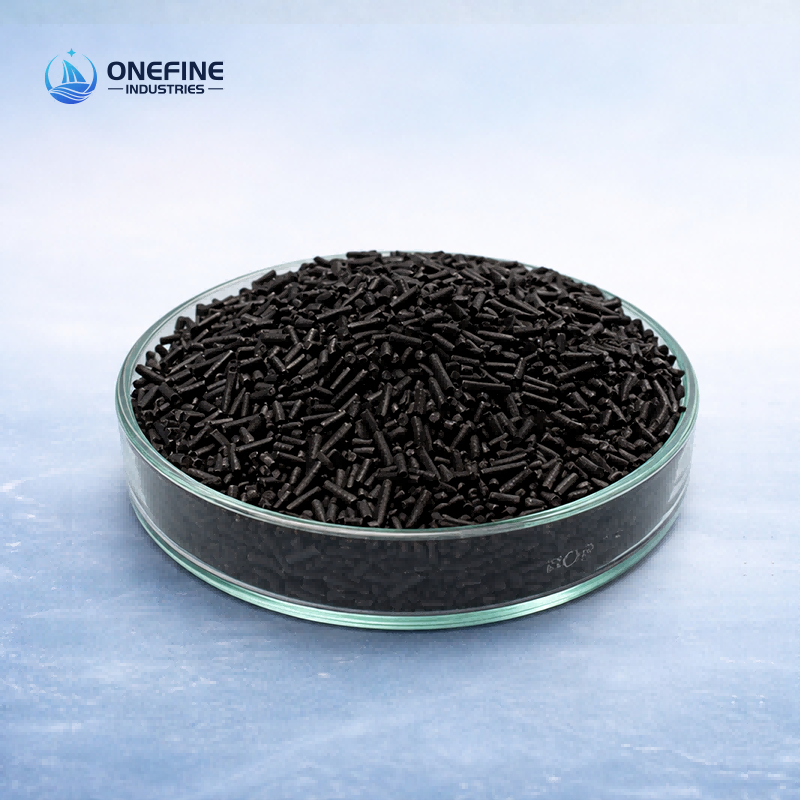
Carbon Molecular Sieve for Nitrogen Generation (CMS)
High-performance carbon molecular sieve (CMS) for PSA nitrogen generators. Uniform micropore distribution (0.3-0.5nm) ensures efficient oxygen-nitrogen separation. Delivers 95-99.999% nitrogen purity with 3-5 year service life. Bulk supply for industrial buyers worldwide.
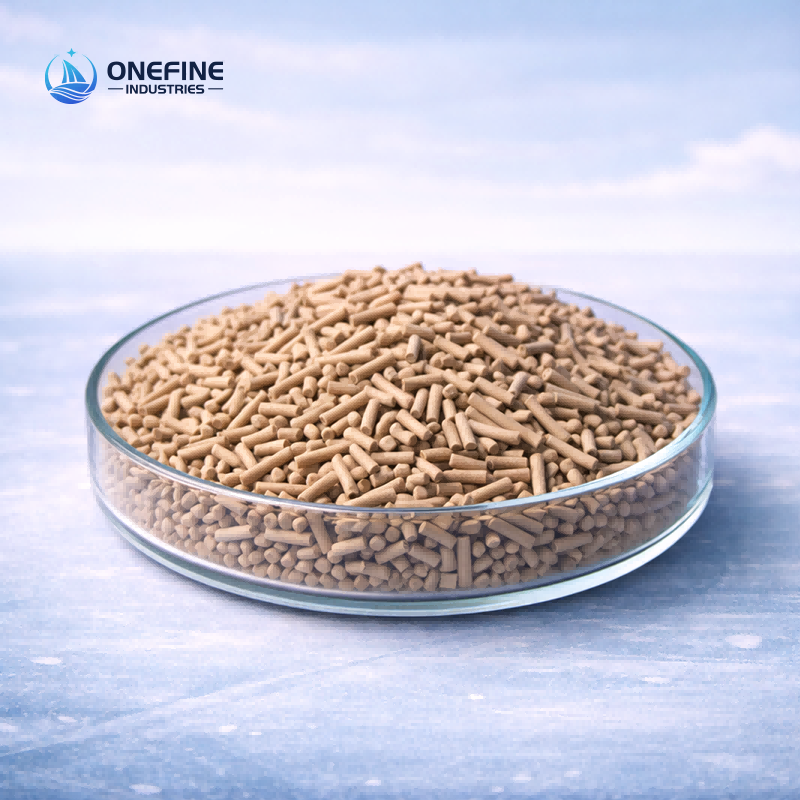
13X Molecular Sieve (Sodium X Type)
Sodium-type 13X molecular sieve with 10Å pore size for air separation pre-purification, natural gas sweetening, solvent recovery, and industrial gas drying. High adsorption capacity, industrial-grade performance.
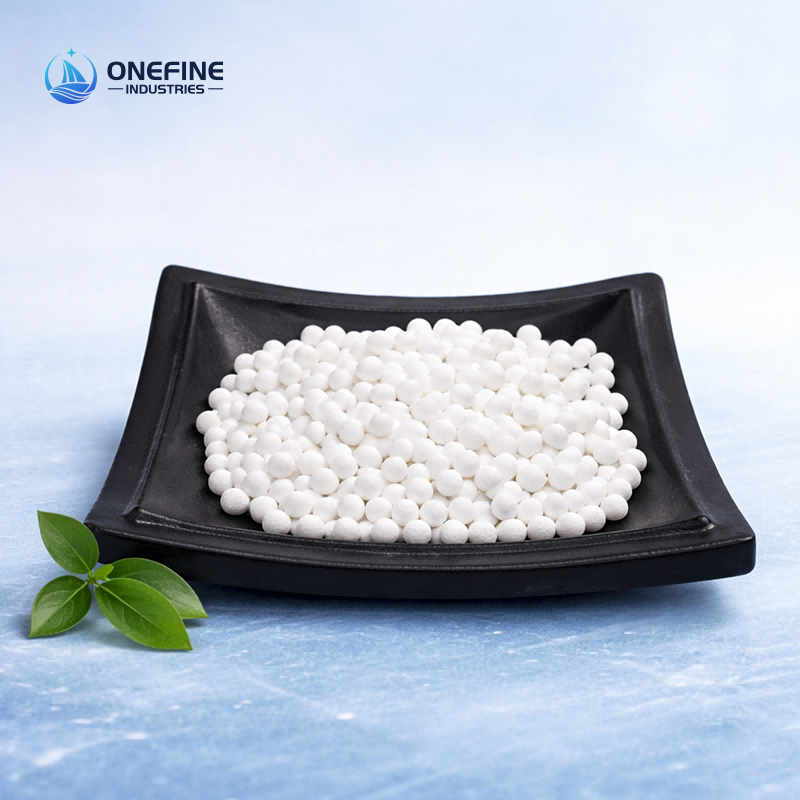
Activated Alumina for Purification
High-performance activated alumina (γ-Al₂O₃) adsorbent and desiccant for industrial gas/liquid drying, water defluoridation, and purification. White spherical beads with high surface area (≥300 m²/g), excellent crush strength, and full thermal regenerability. Available in multiple particle sizes for compressed air dryers, water treatment, and catalyst carrier applications.
Related Reading
What is 13X Molecular Sieve? Uses, Specifications & How It Works
Everything you need to know about 13X molecular sieves: how they work, key properties, common applications in air separation pre-purification, natural gas sweetening, solvent recovery and industrial gas drying, plus regeneration methods and comparison with other sieve types.
What is Oxygen Generator Molecular Sieve? Complete Guide for Oxygen Generators & Concentrators
Oxygen generator molecular sieve (13X & Li-LSX) is the core adsorbent behind PSA/VPSA oxygen production. This guide covers how it works, key types, applications, and how to choose the right one.