Molecular Sieve in Petrochemical Industry: Case Analysis for Hydrocarbon Separation, Dehydration, and Catalyst Protection
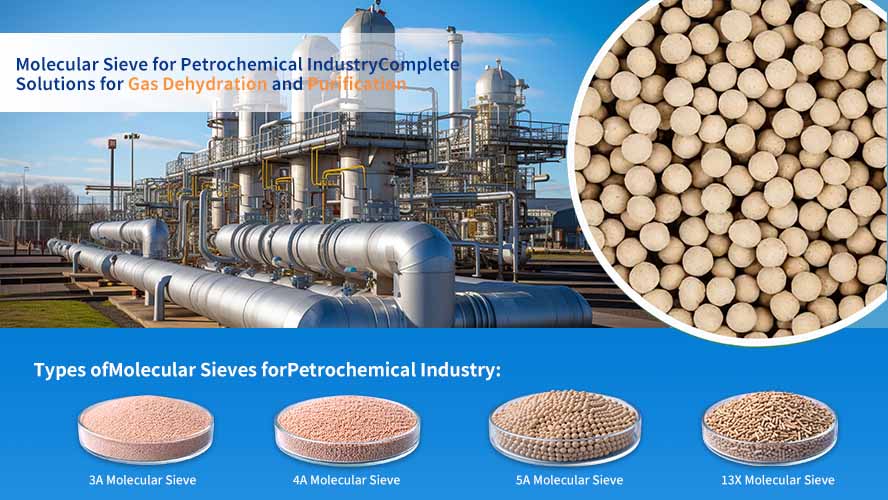
Molecular sieve is a critical adsorbent in the petrochemical and refining industry, widely used for hydrocarbon separation, gas drying, catalyst protection, CO2/H2S removal, and olefin/paraffin separation. Its uniform pore structure, high adsorption capacity, and selective adsorption properties make it an essential material for improving process efficiency, product quality, and equipment longevity.
Petrochemical feedstocks and process streams often contain:
- Water vapor
- Carbon dioxide (CO2)
- Hydrogen sulfide (H2S)
- Heavy hydrocarbons
- Trace polar compounds
Untreated impurities can cause:
- Catalyst deactivation
- Corrosion of equipment
- Reduced product quality
- Process inefficiency
- Operational downtime
Molecular sieves are deployed in adsorption units, TSA/PSA systems, and process beds to selectively remove impurities, protecting high-value catalysts, optimizing separation, and ensuring safe and efficient production.
This case analysis walks through a representative petrochemical application, illustrating typical system design and operational outcomes.
Key Takeaways
- Molecular sieves protect sensitive downstream catalysts (like ZSM-5 and SAPO-34) by reducing moisture to below 1 ppm and removing acid gases.
- A multi-sieve layered system often utilizes 4A for deep dehydration, 13X for acid gas removal, and 5A for olefin/paraffin separation.
- Optimized TSA/PSA cycles and robust upstream pretreatment are essential to prevent fouling and maximize molecular sieve service life.
Case Background: Olefin Plant Hydrocarbon Drying and Purification
A representative olefin production facility faces common challenges in feed gas treatment:
- High moisture and CO2 content in feed gas
- Potential deactivation of downstream ZSM-5 and SAPO-34 catalysts in the dehydration and cracking units
- Ensuring stable ethylene and propylene yields
- Meeting product specifications for polymer-grade feedstocks
Conventional desiccants and chemical scrubbing methods carry well-known drawbacks in this context:
- Frequent replacement cycles
- High energy and chemical consumption
- Limited efficiency at high pressure and temperature
- Inconsistent feed quality
The solution: installing molecular sieve adsorption beds tailored for drying, acid gas removal, and hydrocarbon separation.
Molecular Sieve Solution
A layered, multi-sieve system addresses each contaminant type with the sieve best suited to it:
- 4A Molecular Sieve — for deep dehydration of feed gas and process streams
- 13X Molecular Sieve — for CO2 and H2S removal, ensuring catalyst protection
- 5A Molecular Sieve — for olefin/paraffin separation in downstream NGL recovery units
Key design features:
- Optimized bed height and cycle timing for TSA operation
- High mechanical strength beads for high-pressure feed
- Layered configuration to maximize water, acid gas, and hydrocarbon separation
This approach allows simultaneous dehydration, purification, and hydrocarbon fractionation, ensuring stable and high-purity feed for catalytic cracking and polymerization units. For a deeper comparison of how 4A and 13X divide these roles, see our 4A vs 13X comparison guide.
Process Operation
Step-by-Step:
- Feed Gas Pretreatment
- Particulate and liquid hydrocarbon removal
- Stabilized pressure and temperature
- Adsorption Tower A
- 4A molecular sieve removes water vapor
- 13X molecular sieve adsorbs CO2 and H2S
- Adsorption Tower B
- Regeneration cycle while Tower A is online
- Product Stream
- Dry, purified feed enters catalytic cracking and polymerization units
- Hydrocarbon Separation
- 5A molecular sieve selectively separates linear hydrocarbons for NGL recovery
This layered molecular sieve system enables continuous, high-efficiency processing with minimal downtime. For more on how 13X achieves deep CO2/H2S removal at this scale, see our What is 13X Molecular Sieve guide.
Performance Outcomes
Systems designed this way typically achieve:
- Moisture content reduced to below 1 ppm, protecting sensitive catalysts
- CO2 and H2S reduced to trace concentrations, preventing corrosion and catalyst poisoning
- Stable ethylene and propylene yields
- Continuous operation without feed interruptions
- Reduced chemical consumption and operating costs
Operational benefits:
- Longer catalyst life in dehydration and cracking units
- Improved NGL recovery efficiency
- Energy savings from optimized TSA cycles
- Fewer maintenance interruptions
- Stable product quality meeting polymer-grade specifications
Key Advantages of Molecular Sieve in Petrochemical Applications
- Deep dehydration — achieves ultra-low moisture to protect catalysts and equipment
- Acid gas removal — CO2 and H2S adsorption prevents corrosion and catalyst deactivation
- Hydrocarbon separation — 5A sieve enables selective separation of linear vs. branched hydrocarbons
- High mechanical strength — resistant to high-pressure feed and attrition
- Energy efficiency — optimized adsorption/desorption cycles reduce operational energy use
- Long service life — high-quality molecular sieves minimize replacement and downtime
- Flexible design — multi-layer beds tailored for specific petrochemical processes
Lessons Learned from This Case
- Pretreatment is critical — oil, dust, and liquid hydrocarbons must be removed to prevent fouling
- Layered sieve beds improve efficiency — combining 4A, 5A, and 13X maximizes water and acid gas removal while enabling hydrocarbon fractionation
- Cycle optimization matters — proper TSA/PSA control minimizes energy consumption and prolongs sieve life
- Mechanical strength is essential — high-pressure feed streams require robust beads to maintain long-term performance
Petrochemical Industries Using Molecular Sieve
- Olefin production (ethylene, propylene)
- Polymer-grade NGL recovery
- Catalytic cracking units
- Aromatics and petrochemical feed purification
- Ammonia and methanol feed gas treatment
- Refinery hydrogen and hydrocarbon purification
In all these applications, molecular sieve ensures high-quality feed, reduced contaminants, catalyst protection, and reliable, continuous operation.
Choosing the Right Molecular Sieve for Petrochemical Applications
Considerations include:
- Feed composition: water, CO2, H2S, heavy hydrocarbons
- Operating temperature and pressure
- Required product purity
- Cycle type: PSA or TSA
- Mechanical strength and attrition resistance
- Energy efficiency and regeneration method
- Maintenance frequency and service life
Typical selection:
- 4A → dehydration
- 13X → CO2/H2S removal
- 5A → hydrocarbon separation
Layered or mixed-bed configurations often provide the most effective solution for complex petrochemical feed streams.
Recommended Products from Sorbsieve
- 4A Molecular Sieve — general-purpose dehydration for petrochemical feed gas
- 13X Molecular Sieve — deep CO2/H2S removal and catalyst protection
- 5A Molecular Sieve — olefin/paraffin separation for NGL recovery
Contact our team for bulk pricing, grade recommendation, and availability based on your feed composition and process design.
Frequently Asked Questions
Q: Can one type of molecular sieve handle all petrochemical feed contaminants? A: Generally no — different contaminants require different pore sizes. 4A handles dehydration well but has limited capacity for larger acid gas molecules; 13X's larger pore captures CO2/H2S and mercaptans; 5A's pore size is tuned for linear hydrocarbon separation. Most real-world systems use a layered combination rather than a single sieve type.
Q: How often does a layered molecular sieve bed need regeneration? A: This depends on feed contaminant loading, cycle design, and whether the system runs TSA or PSA — typical TSA cycles range from hours to a full day, while PSA cycles for gas separation duties run on the order of minutes. Your system design engineer or our technical team can help size cycle timing for your specific feed.
Q: What causes premature molecular sieve failure in petrochemical service? A: The most common causes are inadequate feed pretreatment (oil, liquid hydrocarbons, or particulates reaching the sieve bed), operating outside design pressure/temperature limits, and incomplete regeneration cycles that leave residual contaminants on the sieve surface.
Looking for Bulk Supply of Molecular Sieve for Petrochemical Applications?
Sorbsieve is a trusted bulk supplier of 4A, 13X, and 5A molecular sieve for petrochemical dehydration, acid gas removal, and hydrocarbon separation, serving industrial buyers across the Middle East.
We provide:
- ✅ Container-level supply (20'GP / 40'GP / 40'HQ)
- ✅ Full documentation (COA / TDS / SDS / COO)
- ✅ Multiple packaging options
- ✅ Technical support for layered bed design and molecular sieve selection
- ✅ Fast quote response for industrial inquiries
Contact our team for bulk pricing, grade confirmation, and technical consultation.
Related Products
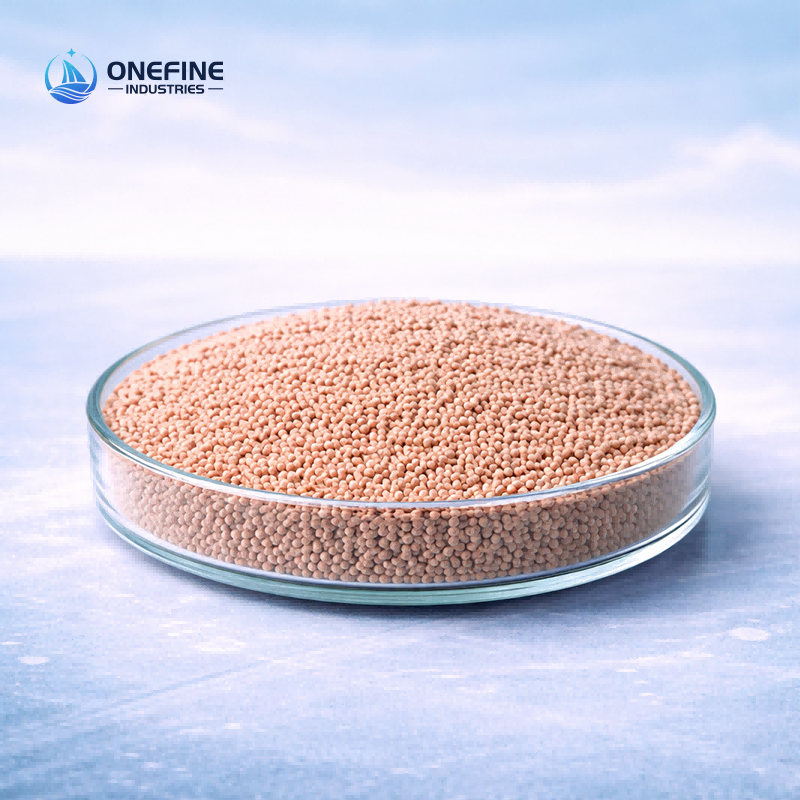
4A Molecular Sieve
General-purpose 4A molecular sieve desiccant for industrial air drying, solvent dehydration, CO2 removal, and static packaging applications. High capacity, long service life.

5A Molecular Sieve (Calcium Type)
Calcium-exchanged 5A molecular sieve for PSA oxygen enrichment, natural gas sweetening, n-isoparaffin separation, and simultaneous desulfurization & decarbonization. Bulk supply with MOQ from 1 ton, serving industrial buyers across the Middle East.
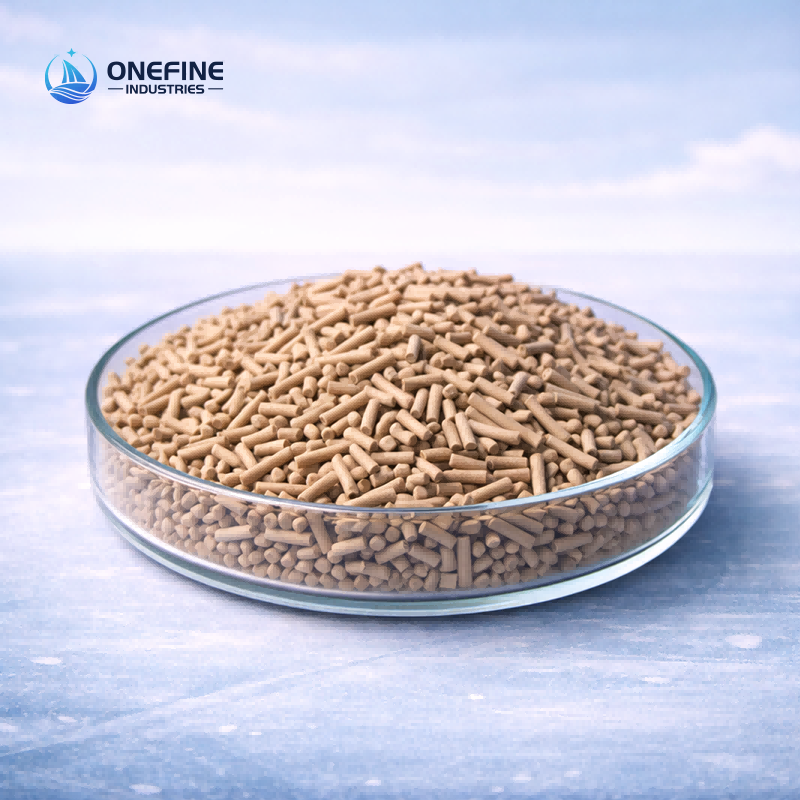
13X Molecular Sieve (Sodium X Type)
Sodium-type 13X molecular sieve with 10Å pore size for air separation pre-purification, natural gas sweetening, solvent recovery, and industrial gas drying. High adsorption capacity, industrial-grade performance.
Related Reading
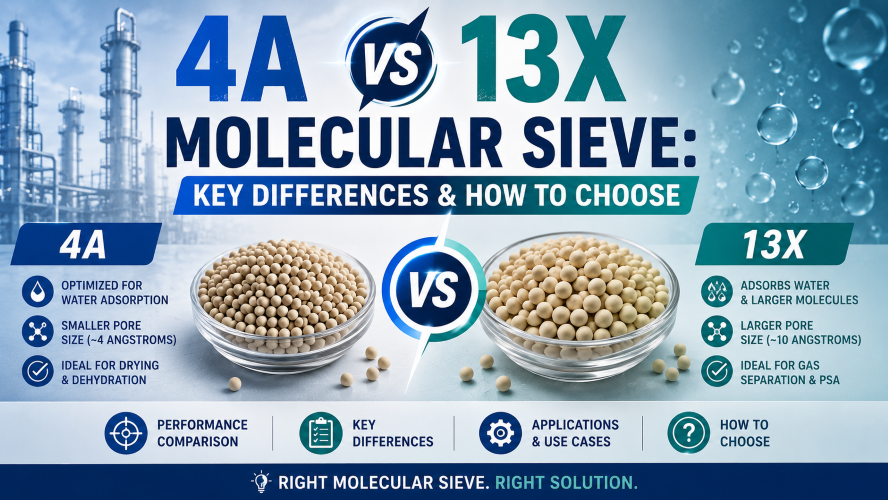
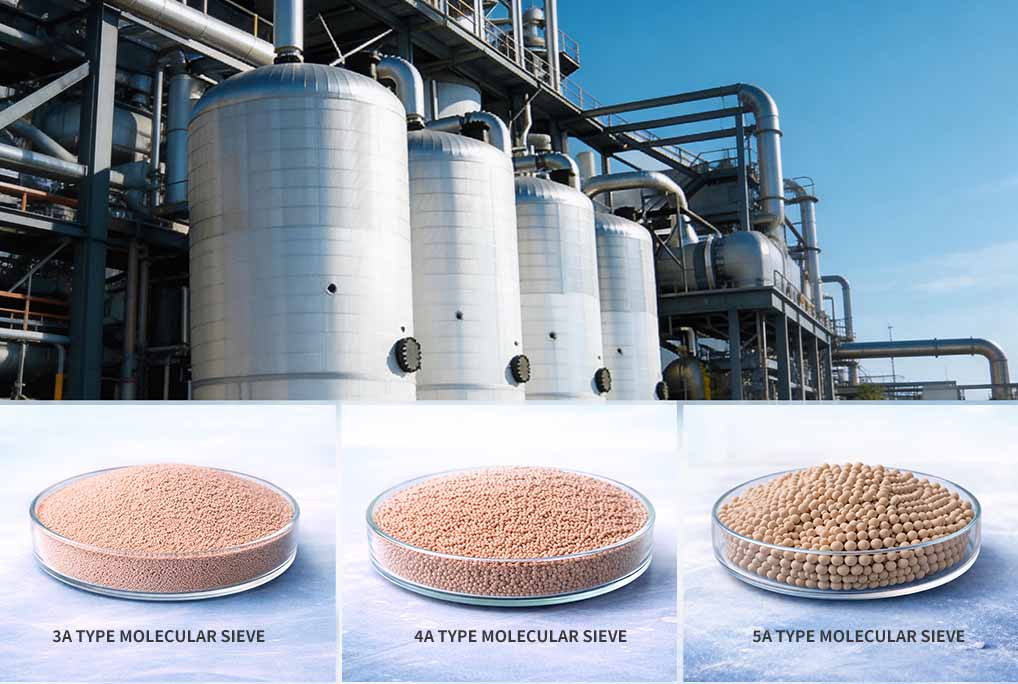
4A vs 13X Molecular Sieve: Key Differences & How to Choose
4A and 13X are two of the most widely used molecular sieve types, but they're built for different jobs. This guide breaks down the pore size, capacity, and application differences to help you choose correctly.
What is 13X Molecular Sieve? Uses, Specifications & How It Works
Everything you need to know about 13X molecular sieves: how they work, key properties, common applications in air separation pre-purification, natural gas sweetening, solvent recovery and industrial gas drying, plus regeneration methods and comparison with other sieve types.