4A vs 13X Molecular Sieve: Key Differences & How to Choose
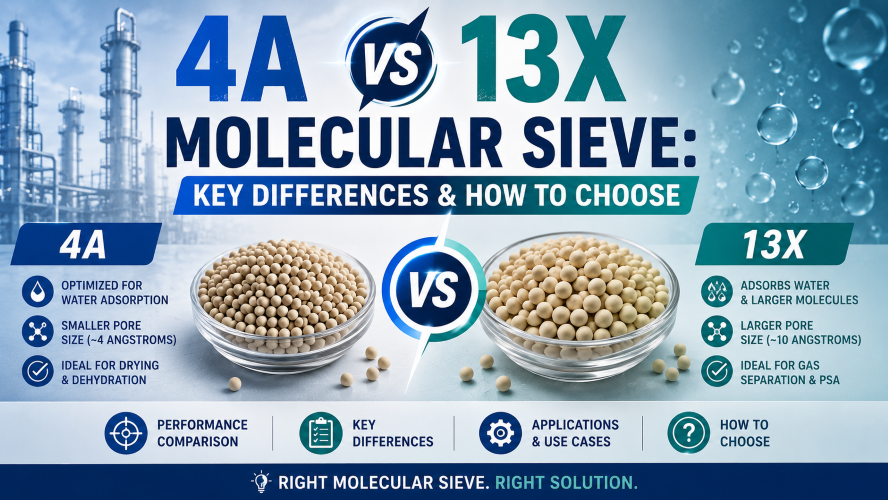
4A and 13X are both sodium-form molecular sieves and both extremely common in industrial gas and liquid drying — which is exactly why they get confused. But their pore sizes differ by more than double (4Å vs ~10Å), and that difference determines what each one can and can't do. Using the wrong one doesn't just underperform; in gas separation applications it can fail to work at all.
This guide compares 4A and 13X molecular sieve directly, so you can specify the right one the first time.
Key Takeaways
- 4A molecular sieve (~4Å pore) adsorbs small polar molecules like water, CO₂, and H₂S, making it ideal for general-purpose industrial drying.
- 13X molecular sieve (~10Å pore) captures larger molecules, including mercaptans and heavier hydrocarbons that 4A cannot adsorb.
- Use 13X for deep purification processes like natural gas sweetening and Air Separation Unit (ASU) pre-purification.
The Core Difference: Pore Size
4A Molecular Sieve has a pore diameter of approximately 4 angstroms (Å) — the sodium form of Type A zeolite. It adsorbs water, and to a lesser extent CO₂, H₂S, and other small polar molecules, but excludes larger hydrocarbons.
13X Molecular Sieve has a much larger pore diameter of approximately 10 Å — the sodium form of X-type (faujasite) zeolite. This larger pore admits a much wider range of molecules: water, CO₂, H₂S, mercaptans, and larger hydrocarbon molecules that 4A's smaller pores simply exclude.
This single difference in pore geometry is what drives almost every practical difference between the two types.
Key Differences at a Glance
Pore Size
- 4A: ~4 Å
- 13X: ~10 Å
What They Adsorb
- 4A: Water, CO₂, H₂S — smaller polar molecules only
- 13X: Water, CO₂, H₂S, mercaptans, and larger molecules up to ~10Å
Adsorption Capacity
- 4A: Good general-purpose capacity, particularly for water
- 13X: Higher overall capacity, especially for CO₂ and larger contaminants, due to greater pore volume
Typical Applications
- 4A: General industrial drying, air drying, static dehydration — see our What is 4A Molecular Sieve guide
- 13X: Deep purification, natural gas desulfurization, air separation pre-purification, PSA oxygen generation (secondary role) — see our What is 13X Molecular Sieve guide
Cost
- 4A: Generally lower cost
- 13X: Higher cost, reflecting its broader adsorption range and higher capacity
When to Use 4A Molecular Sieve
4A is the right choice when:
- You need general-purpose drying and the contaminant stream is simple (mostly water, with only trace CO₂/H₂S)
- Cost efficiency matters and 13X's broader adsorption range isn't needed
- The application is static dehydration — packaging, insulating glass, paint and coatings, compressed air drying
- You don't need to remove larger sulfur compounds like mercaptans
For a deeper look at where 4A fits against its closest neighbor, see our 3A vs 4A comparison guide .
When to Use 13X Molecular Sieve
13X is the right choice when:
- The gas stream contains larger contaminant molecules — mercaptans, heavier hydrocarbons — that 4A's smaller pores can't adsorb
- You need deep purification for natural gas sweetening or LNG pre-treatment
- The application is air separation plant (ASU) pre-purification, where a wide range of trace contaminants must be removed before cryogenic distillation
- Higher overall adsorption capacity is worth the additional cost for your system's economics
A Note on Overlapping Applications
Both types can technically remove water and CO₂, which is where the confusion usually starts. The deciding factor isn't "can it remove X" but what else is in the gas stream and how deep does the purification need to be. If your feed gas is relatively clean and you only need standard drying, 4A is typically the more cost-effective choice. If your feed gas has a broader contaminant profile or you need to meet tighter downstream specifications, 13X's wider adsorption range earns its higher cost.
When in doubt, providing your feed gas composition and target specification to a technical team is the fastest way to confirm which type — and which specific grade — fits your system.
Recommended Products from Sorbsieve
- 4A Molecular Sieve Product Page — general-purpose industrial drying
- 13X Molecular Sieve Product Page — deep purification and natural gas sweetening
Frequently Asked Questions
Q: Can I substitute 13X for 4A if I already have it on hand? A: Technically 13X can adsorb everything 4A does, so it will work functionally for basic drying. But it's a more expensive material for a job that doesn't need its extra capacity — not usually worth it as a standing substitution, though fine as a one-off if 4A isn't available.
Q: Can I substitute 4A for 13X? A: No, not if your application requires removing larger molecules like mercaptans or heavier hydrocarbons — 4A's smaller pores simply can't adsorb them, so substitution can mean the contaminant passes straight through untreated.
Q: Which one is used for PSA oxygen generation? A: Neither is the primary choice — 5A and specialty X-type sieves like Li-LSX are used for PSA oxygen generation due to their nitrogen/oxygen selectivity. 13X can play a supporting pre-purification role in some system designs, but it's not the main oxygen-separating adsorbent.
Q: Does 13X regenerate the same way as 4A? A: Both can be regenerated via thermal swing (TSA) or pressure swing (PSA) methods depending on the application, though specific temperature ranges and cycle times vary by system design and contaminant load — check your system documentation or consult our technical team for application-specific guidance.
Looking for Bulk Supply of Molecular Sieve?
Sorbsieve is a trusted bulk supplier of 4A, 13X, and complete industrial molecular sieve products, serving industrial buyers across the Middle East.
We provide:
- ✅ Container-level supply (20'GP / 40'GP / 40'HQ)
- ✅ Full documentation (COA / TDS / SDS / COO)
- ✅ Multiple packaging options
- ✅ Technical support for molecular sieve type and grade selection
- ✅ Fast quote response for industrial inquiries
Contact our team for bulk pricing, product samples, and technical consultation.
Related Products
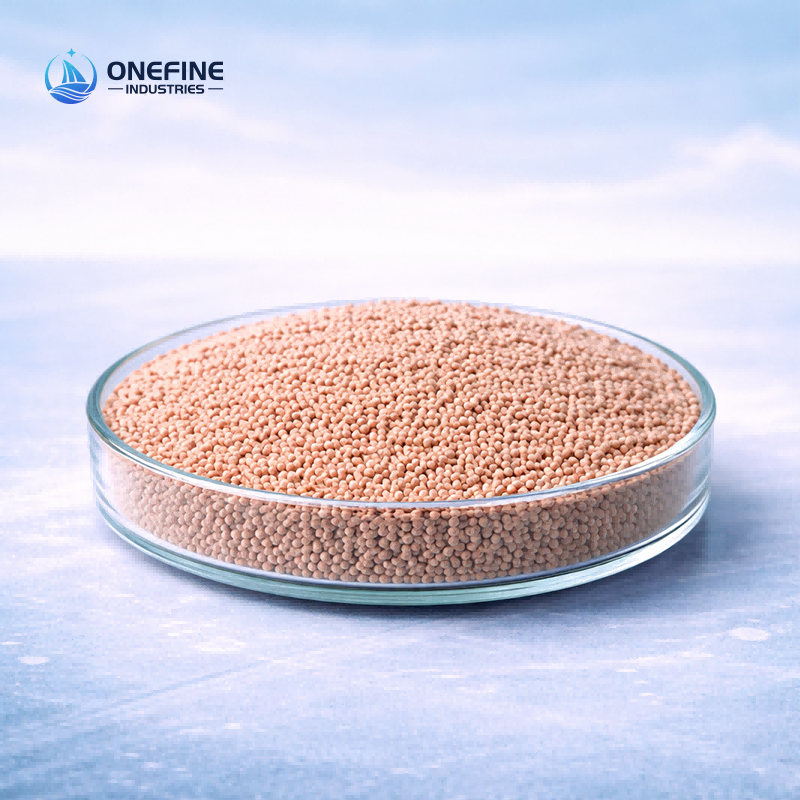
4A Molecular Sieve
General-purpose 4A molecular sieve desiccant for industrial air drying, solvent dehydration, CO2 removal, and static packaging applications. High capacity, long service life.
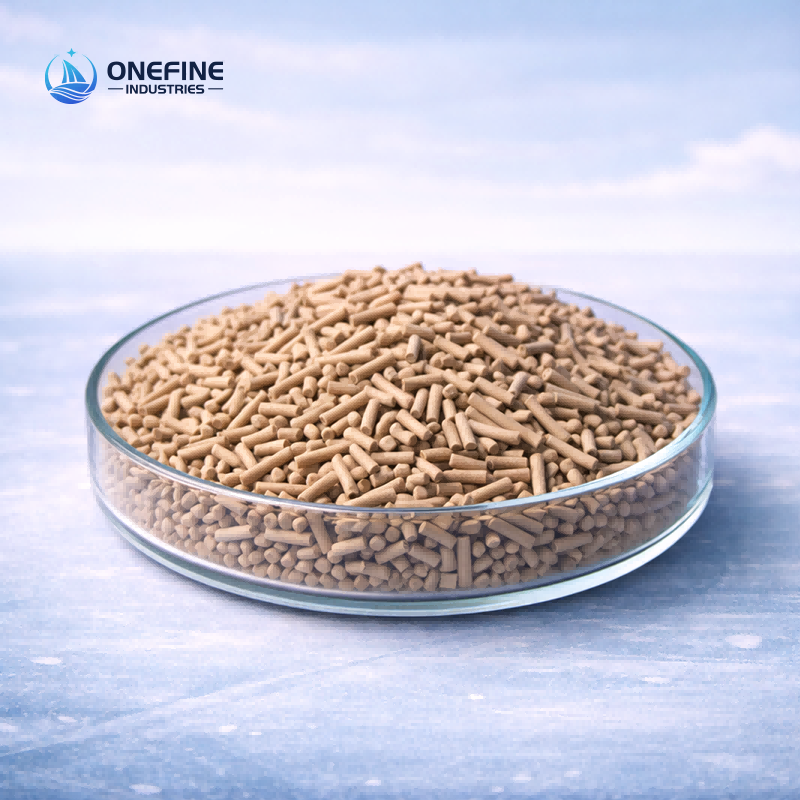
13X Molecular Sieve (Sodium X Type)
Sodium-type 13X molecular sieve with 10Å pore size for air separation pre-purification, natural gas sweetening, solvent recovery, and industrial gas drying. High adsorption capacity, industrial-grade performance.
Related Reading
What is 13X Molecular Sieve? Uses, Specifications & How It Works
Everything you need to know about 13X molecular sieves: how they work, key properties, common applications in air separation pre-purification, natural gas sweetening, solvent recovery and industrial gas drying, plus regeneration methods and comparison with other sieve types.
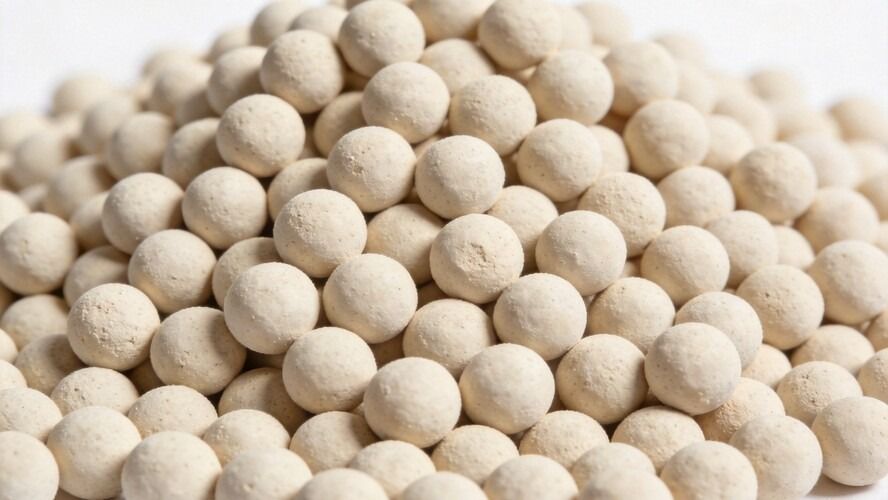
What is 4A Molecular Sieve? Uses, Specifications & How It Works
Everything you need to know about 4A molecular sieve: how it works, its 4Å pore size, physical adsorption process, and main industrial applications like air drying and CO2 removal.