How Molecular Sieve Enhances Petrochemical Processing Efficiency
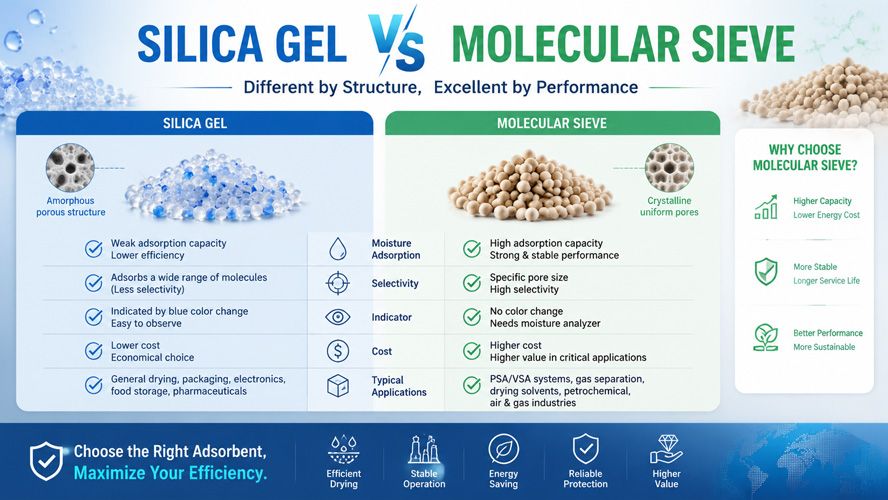
Molecular sieve is a critical adsorbent in the petrochemical and refining industry, widely used for hydrocarbon separation, gas drying, catalyst protection, CO2/H2S removal, and olefin/paraffin separation. Its uniform pore structure, high adsorption capacity, and selective adsorption properties make it an essential material for improving process efficiency, product quality, and equipment longevity.
Petrochemical feedstocks and process streams often contain:
- Water vapor
- Carbon dioxide (CO2)
- Hydrogen sulfide (H2S)
- Heavy hydrocarbons
- Trace polar compounds
Untreated impurities can cause:
- Catalyst deactivation
- Corrosion of equipment
- Reduced product quality
- Process inefficiency
- Operational downtime
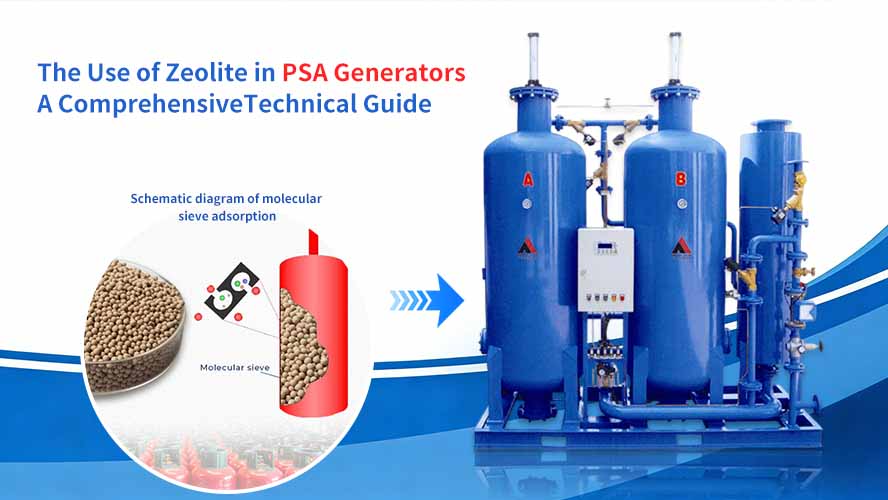
Molecular sieves are deployed in adsorption units, TSA/PSA systems, and process beds to selectively remove impurities, protecting high-value catalysts, optimizing separation, and ensuring safe and efficient production.
This article presents a practical case analysis of molecular sieve in petrochemical applications, highlighting real-world benefits, system design, and operational outcomes.
Case Background: Olefin Plant Hydrocarbon Drying and Purification
A large olefin production facility faced challenges with:
- High moisture and CO2 content in feed gas
- Potential deactivation of downstream ZSM-5 and SAPO-34 catalysts in the dehydration and cracking units
- Ensuring stable ethylene and propylene yields
- Meeting product specifications for polymer-grade feedstocks
Previous operations relied on conventional desiccants and chemical scrubbing, but these methods had drawbacks:
- Frequent replacement cycles
- High energy and chemical consumption
- Limited efficiency at high pressure and temperature
- Inconsistent feed quality
To solve these problems, the plant installed molecular sieve adsorption beds tailored for drying, acid gas removal, and hydrocarbon separation.
Molecular Sieve Solution
The plant selected a customized multi-layer molecular sieve system:
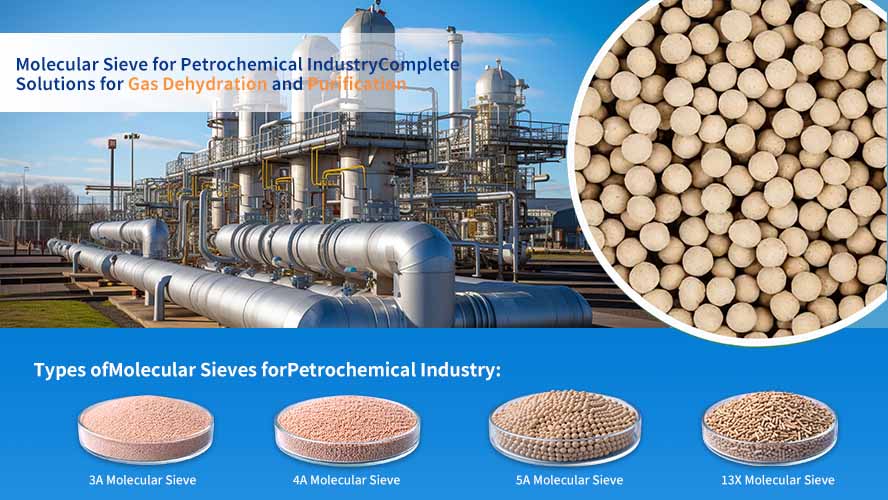
- 4A Molecular Sieve – for deep dehydration of feed gas and process streams.
- 13X Molecular Sieve – for CO2 and H2S removal, ensuring catalyst protection.
- 5A Molecular Sieve – for olefin/paraffin separation in downstream NGL recovery units.
Key design features:
- Optimized bed height and cycle timing for TSA operation
- High mechanical strength beads for high-pressure feed
- Layered configuration to maximize water, acid gas, and hydrocarbon separation
This approach allowed simultaneous dehydration, purification, and hydrocarbon fractionation, ensuring stable and high-purity feed for catalytic cracking and polymerization units.
Process Operation
Step-by-Step:
- Feed Gas Pretreatment:
- Particulate and liquid hydrocarbon removal
- Stabilized pressure and temperature
- Adsorption Tower A:
- 4A molecular sieve removes water vapor
- 13X molecular sieve adsorbs CO2 and H2S
- Adsorption Tower B:
- Regeneration cycle while Tower A is online
- Product Stream:
- Dry, purified feed enters catalytic cracking and polymerization units
- Hydrocarbon Separation:
- 5A molecular sieve selectively separates linear hydrocarbons for NGL recovery
This layered molecular sieve system enables continuous, high-efficiency processing with minimal downtime.
Performance Results
After implementing the molecular sieve solution, the plant observed:
- Moisture content reduced to <1 ppm, protecting sensitive catalysts
- CO2 and H2S levels reduced to trace concentrations, preventing corrosion and catalyst poisoning
- Stable ethylene and propylene yields
- Continuous operation without feed interruptions
- Reduced chemical consumption and operating costs
Operational Benefits:
- Longer catalyst life in dehydration and cracking units
- Improved NGL recovery efficiency
- Energy savings due to optimized TSA cycles
- Fewer maintenance interruptions
- Stable product quality meeting polymer-grade specifications
The plant confirmed that molecular sieve performance was the key factor in improving overall system reliability and profitability.
Key Advantages of Molecular Sieve in Petrochemical Applications
- Deep Dehydration – Achieves ultra-low moisture to protect catalysts and equipment
- Acid Gas Removal – CO2 and H2S adsorption prevents corrosion and catalyst deactivation
- Hydrocarbon Separation – 5A sieve enables selective separation of linear vs branched hydrocarbons
- High Mechanical Strength – Resistant to high-pressure feed and attrition
- Energy Efficiency – Optimized adsorption/desorption cycles reduce operational energy use
- Long Service Life – High-quality molecular sieves minimize replacement and downtime
- Flexible Design – Multi-layer beds tailored for specific petrochemical processes
Lessons Learned from This Case
- Pretreatment is critical: Oil, dust, and liquid hydrocarbons must be removed to prevent fouling.
- Layered sieve beds improve efficiency: Combining 4A, 5A, and 13X maximizes water and acid gas removal while enabling hydrocarbon fractionation.
- Cycle optimization matters: Proper TSA/PSA control minimizes energy consumption and prolongs sieve life.
- Mechanical strength is essential: High-pressure feed streams require robust beads to maintain long-term performance.
Petrochemical Industries Using Molecular Sieve
- Olefin production (ethylene, propylene)
- Polymer-grade NGL recovery
- Catalytic cracking units
- Aromatics and petrochemical feed purification
- Ammonia and methanol feed gas treatment
- Refinery hydrogen and hydrocarbon purification
In all these applications, molecular sieve ensures:
- High-quality feed
- Reduced contaminants
- Catalyst protection
- Reliable, continuous operation
Choosing the Right Molecular Sieve for Petrochemical Applications
Considerations include:
- Feed composition: Water, CO2, H2S, heavy hydrocarbons
- Operating temperature and pressure
- Required product purity
- Cycle type: PSA or TSA
- Mechanical strength and attrition resistance
- Energy efficiency and regeneration method
- Maintenance frequency and service life
Typical selection:
- 4A → dehydration
- 13X → CO2/H2S removal
- 5A → hydrocarbon separation
Layered or mixed-bed configurations often provide the most effective solution.