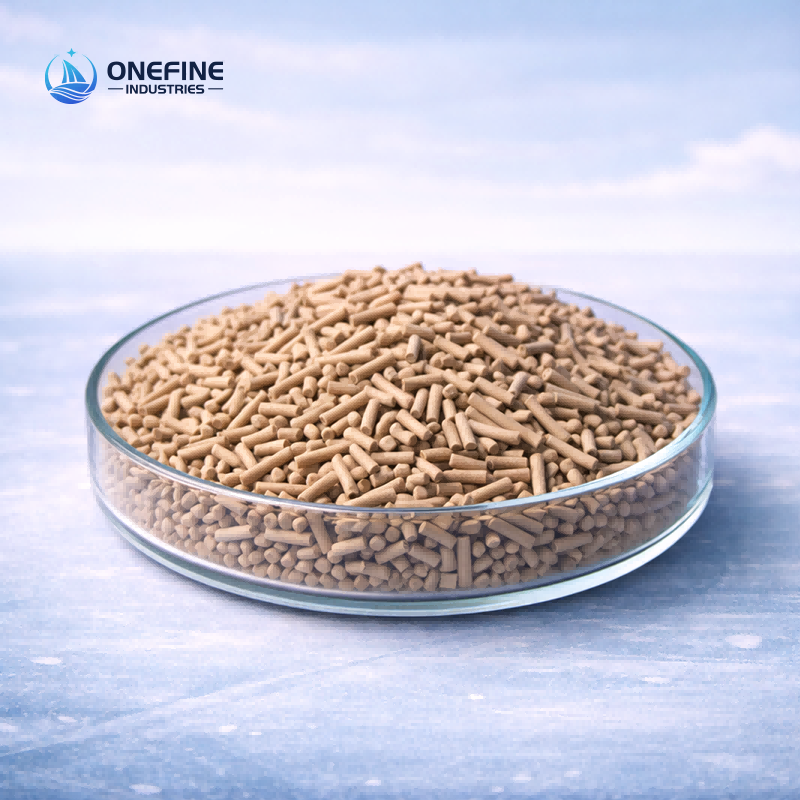
Product Description
What is Molecular Sieve 13X?
Molecular Sieve 13X is a synthetic crystalline sodium aluminosilicate with a uniform pore size of approximately 10 angstroms (1.0 nm). It belongs to the X-type molecular sieve family and is known for its large pore opening, high adsorption capacity, and excellent selectivity for polar and unsaturated molecules.
Because of its larger pore structure compared with 3A, 4A, and 5A molecular sieves, 13X molecular sieve can adsorb a broader range of molecules, including water, carbon dioxide, hydrogen sulfide, sulfur dioxide, ammonia, methanol, and certain aromatic or branched hydrocarbons. This makes it one of the most versatile adsorbents for deep drying, gas purification, air separation, oxygen generation, solvent dehydration, and industrial PSA systems.
Compared with conventional desiccants such as silica gel, activated alumina, or clay desiccants, Molecular Sieve 13X offers higher adsorption capacity, stronger selectivity, faster adsorption kinetics, and superior performance in low humidity and high-demand industrial applications.
Key Features of Molecular Sieve 13X
1. Large 10 Angstrom Pore Size
The 13X pore opening of approximately 10 Å allows adsorption of a wide range of molecules smaller than this diameter, including:
- Water (H₂O)
- Carbon dioxide (CO₂)
- Hydrogen sulfide (H₂S)
- Sulfur dioxide (SO₂)
- Ammonia (NH₃)
- Methanol
- Some hydrocarbons and organic compounds
This broad adsorption capability makes 13X molecular sieve highly suitable for gas purification, deep dehydration, and molecular separation.
2. High Adsorption Capacity
Molecular Sieve 13X has a larger pore volume and strong affinity for polar molecules, enabling it to adsorb significant amounts of water and other impurities. It is widely recognized for its high capacity in industrial drying systems.
3. Excellent Performance at Low Humidity
Like other molecular sieves, 13X molecular sieve desiccant performs exceptionally well under low relative humidity and low partial pressure conditions, where traditional desiccants often lose efficiency.
4. Fast Adsorption Kinetics
Its large pore size and high internal surface area allow rapid mass transfer, improving adsorption speed and making it suitable for continuous processing and PSA applications.
5. Regenerable and Reusable
Molecular Sieve 13X can be regenerated through thermal desorption or pressure swing adsorption (PSA), making it a cost-effective and sustainable adsorbent for long-term industrial use.
6. Strong Thermal and Mechanical Stability
This material offers excellent stability under demanding industrial conditions, including high temperatures, repeated adsorption/desorption cycles, and challenging gas compositions.
Applications of Molecular Sieve 13X
1. Air Separation and Oxygen Generation
Molecular Sieve 13X is one of the most widely used adsorbents in PSA oxygen generation systems. It is used to selectively adsorb nitrogen, moisture, and trace impurities from air, allowing the production of oxygen-enriched gas.
It is commonly used in:
- PSA oxygen concentrators
- Medical oxygen systems
- Industrial oxygen plants
- On-site oxygen generation units
2. Gas Drying and Purification
13X molecular sieve is widely used for deep drying and gas purification of:
- Compressed air
- Natural gas
- Hydrogen
- Nitrogen
- Syngas
- Process gases
- Industrial gas streams
It removes:
- Water vapor
- CO₂
- H₂S
- Sulfur compounds
- Other polar impurities
3. Natural Gas Processing
In natural gas treatment, Molecular Sieve 13X is used to remove:
- Moisture
- Carbon dioxide
- Hydrogen sulfide
- Mercaptans and sulfur impurities (depending on system design)
This helps prevent:
- Corrosion
- Hydrate formation
- Freezing
- Reduced gas quality
- Downstream catalyst poisoning
4. PSA and VPSA Systems
Molecular Sieve 13X is widely applied in:
- PSA oxygen systems
- VPSA oxygen plants
- Hydrogen purification units
- Air pretreatment systems
- Industrial adsorption towers
Its fast adsorption/desorption performance makes it ideal for cyclic separation processes.
5. Solvent and Liquid Drying
13X molecular sieve desiccant can be used for dehydration of solvents and liquid chemicals, especially where low residual water content is required.
6. Removal of CO₂ and Sulfur Compounds
Because of its strong affinity for acid gases, Molecular Sieve 13X is suitable for selective removal of:
- Carbon dioxide
- Hydrogen sulfide
- Sulfur dioxide
- Other acidic impurities
7. General Industrial Adsorption
13X molecular sieve is also used in:
- Catalyst protection systems
- Petrochemical purification
- Air dryer units
- Chemical process purification
- Specialized adsorption beds
Advantages of Molecular Sieve 13X Over Other Desiccants
Compared with traditional desiccants such as silica gel, activated alumina, and clay desiccants, Molecular Sieve 13X offers major performance advantages:
- Higher adsorption capacity for water and polar molecules
- Large pore size for broader molecular adsorption
- Excellent CO₂ and acid gas removal
- Strong performance at low humidity
- Fast adsorption and desorption rates
- Low residual moisture after drying
- Suitable for PSA and VPSA systems
- Stable under high temperatures and cyclic regeneration
- Reusable and cost-effective for long-term operation
For industrial applications that require deep drying, air separation, gas purification, or oxygen generation, 13X molecular sieve is often the preferred adsorbent.
Available Forms of Molecular Sieve 13X
To suit different industrial systems, Molecular Sieve 13X is commonly available in the following forms:
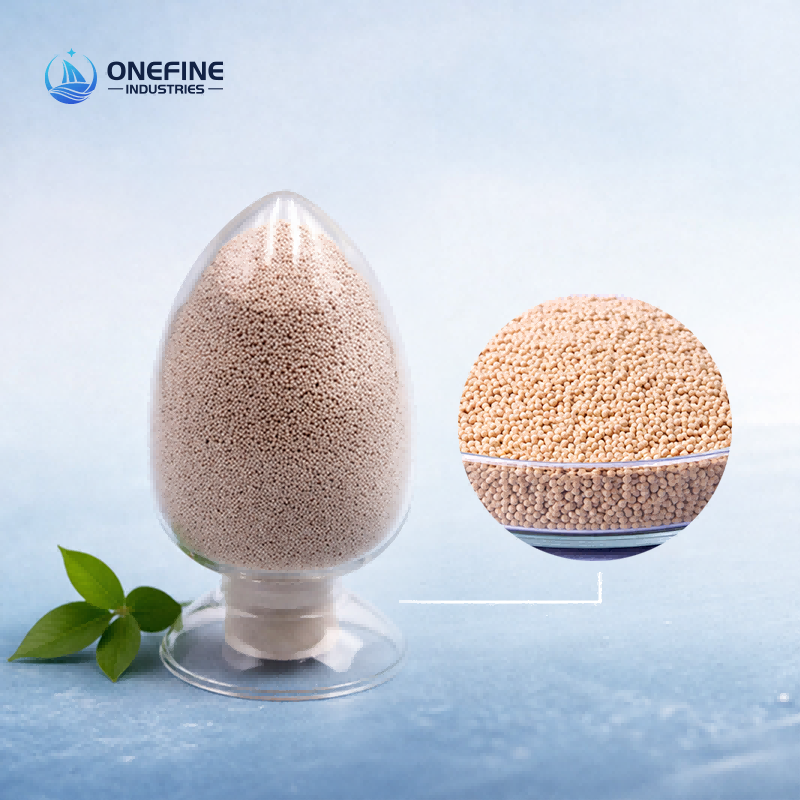
- 13X molecular sieve beads
- 13X molecular sieve pellets
Common Sizes
- 1.6–2.5 mm
- 3.0–5.0 mm
- 4.0–6.0 mm
- 1/16" pellets
- 1/8" pellets
The ideal particle size depends on:
- System design
- Flow rate
- Pressure drop requirements
- Cycle time
- Bed depth and adsorption tower configuration
Typical Technical Specification of Molecular Sieve 13X
Below is a typical reference specification for Molecular Sieve 13X beads:
- Type: Sodium aluminosilicate (X-type)
- Pore Size: 10 Å
- Shape: Beads / Pellets
- Bulk Density: ≥ 0.62 g/ml
- Static Water Adsorption: ≥ 25%
- CO₂ Adsorption: High
- Crush Strength: Depends on particle size
- Attrition Loss: Low
- Moisture Content (as packed): ≤ 1.5%
- Regeneration Temperature: 200–350°C (depending on process conditions)
Note: Technical specifications may vary based on grade, application, and customer requirements.
How Does Molecular Sieve 13X Work?
The adsorption mechanism of Molecular Sieve 13X is based on selective physical adsorption. Its large and uniform 10-angstrom pore openings allow a wide variety of molecules to enter the internal crystal structure, where they are strongly retained by electrostatic forces.
Because of this structure, 13X molecular sieve is highly effective for:
- deep moisture removal
- CO₂ adsorption
- acid gas removal
- air separation
- oxygen generation
- industrial gas purification
- solvent dehydration
Its broad adsorption range makes it one of the most versatile materials in industrial adsorption and separation technology.
Why Choose Molecular Sieve 13X for Industrial Applications?
If your application requires:
- high-capacity moisture adsorption
- CO₂ and sulfur compound removal
- air separation
- oxygen generation
- gas purification
- PSA / VPSA system efficiency
- deep dehydration of industrial gases
then Molecular Sieve 13X is an excellent choice.
It is especially recommended for:
- PSA oxygen concentrators
- industrial oxygen generation plants
- natural gas purification
- compressed air drying
- hydrogen and nitrogen purification
- chemical and petrochemical processing
- catalyst protection systems
By choosing a trusted Molecular Sieve 13X manufacturer and supplier, you can improve adsorption efficiency, extend equipment life, and reduce moisture- and impurity-related operational problems.
Frequently Asked Questions (FAQ)
What is the difference between Molecular Sieve 5A and 13X?
The main difference is the pore size and adsorption range:
- Molecular Sieve 5A: 5 angstrom pore size, suitable for deep drying, gas purification, and normal paraffin separation
- Molecular Sieve 13X: 10 angstrom pore size, suitable for broader molecular adsorption, CO₂ removal, air separation, and PSA oxygen generation
Can Molecular Sieve 13X be regenerated?
Yes. Molecular Sieve 13X can be regenerated by heating or pressure swing methods, making it reusable and suitable for continuous industrial applications.
What is Molecular Sieve 13X used for?
It is commonly used for:
- PSA oxygen generation
- air separation
- gas drying
- natural gas purification
- CO₂ removal
- acid gas adsorption
- solvent dehydration
- industrial adsorption systems
Is Molecular Sieve 13X suitable for oxygen concentrators?
Yes. 13X molecular sieve is widely used in PSA oxygen concentrators and oxygen generation systems because of its strong adsorption of nitrogen, moisture, and trace impurities from air.
Related Products
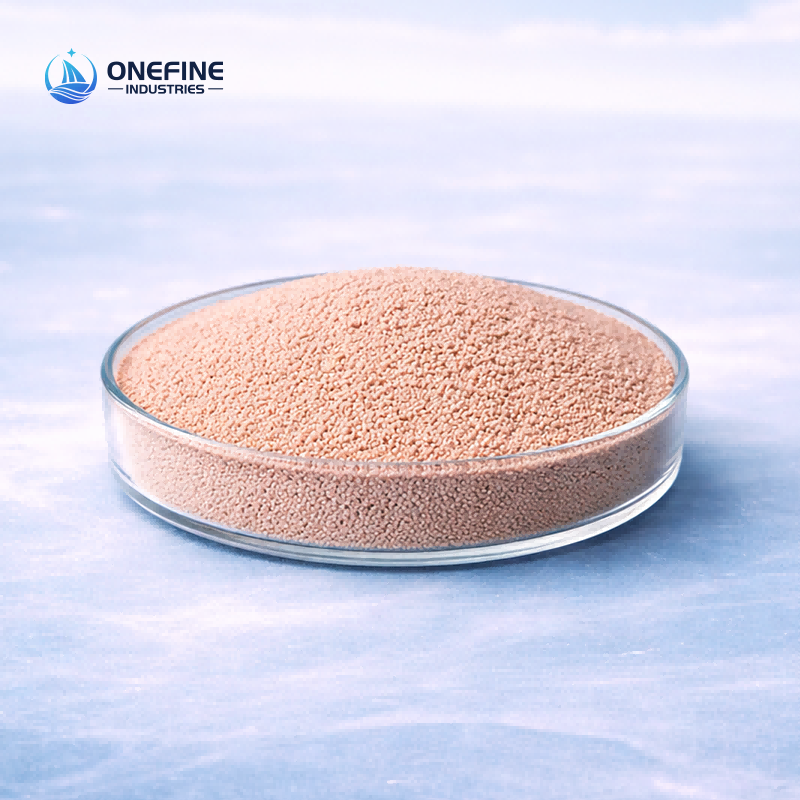
Molecular Sieve 3A
Molecular Sieve 3A – High-Performance Desiccant for Deep Moisture Removal
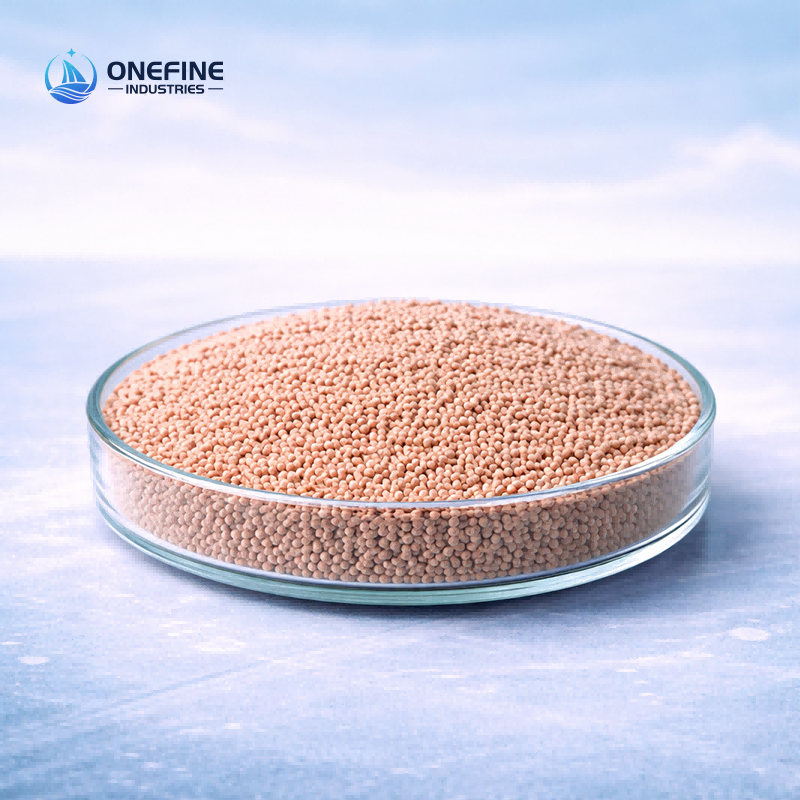
Molecular Sieve 4A
Molecular Sieve 4A – High-Efficiency Desiccant for Moisture Adsorption and Gas Drying
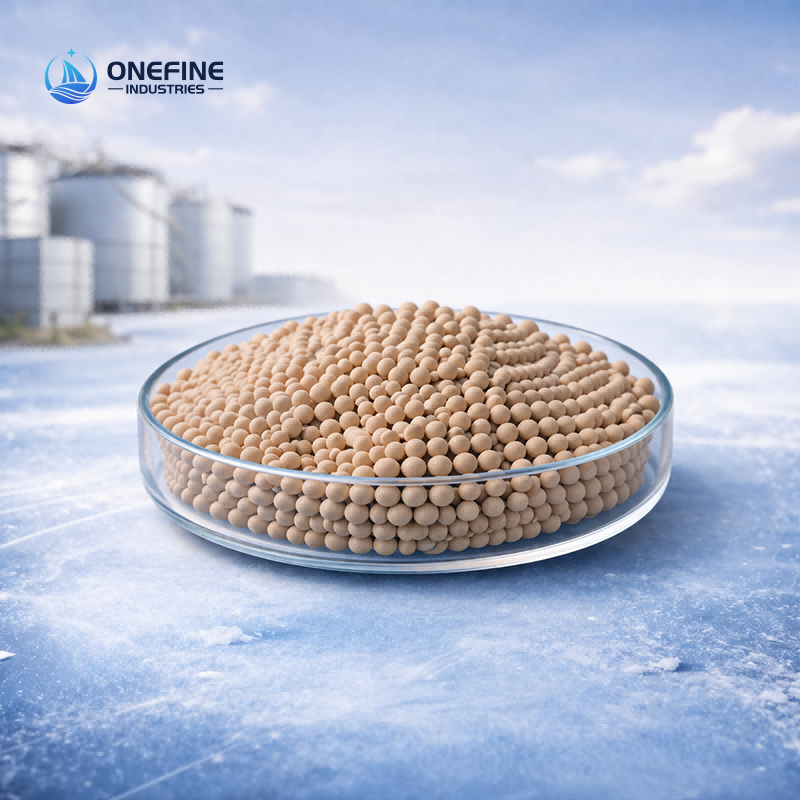
Molecular Sieve 5A
Molecular Sieve 5A – High-Performance Adsorbent for Deep Drying and Hydrocarbon Separation
Oxygen Generation Molecular Sieve
Oxygen Generation Molecular Sieve – High-Performance Adsorbent for PSA Oxygen Concentrators and Air Separation Systems