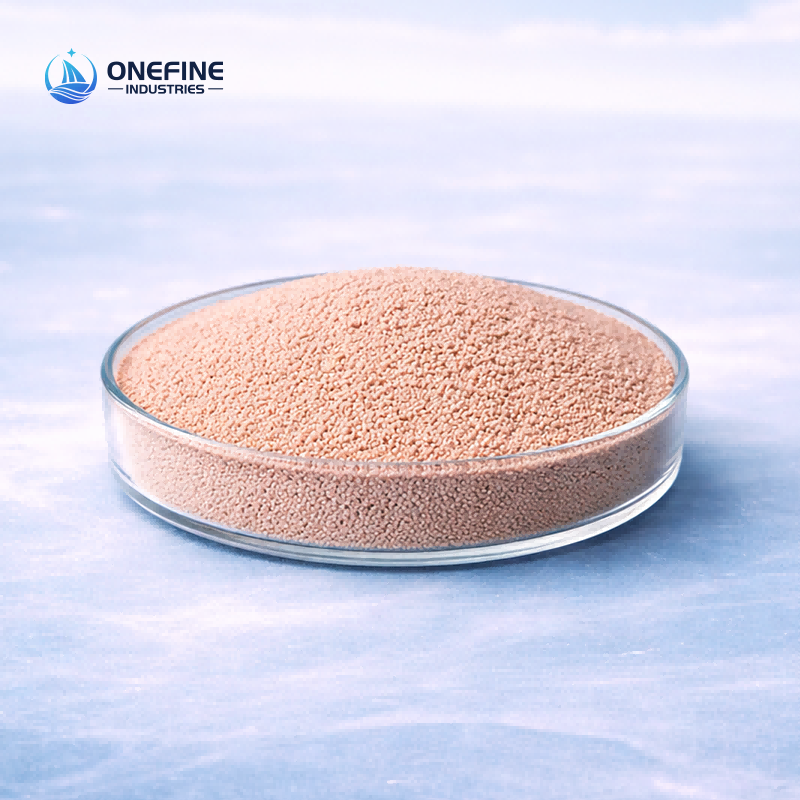
Product Description
What is Molecular Sieve 3A?
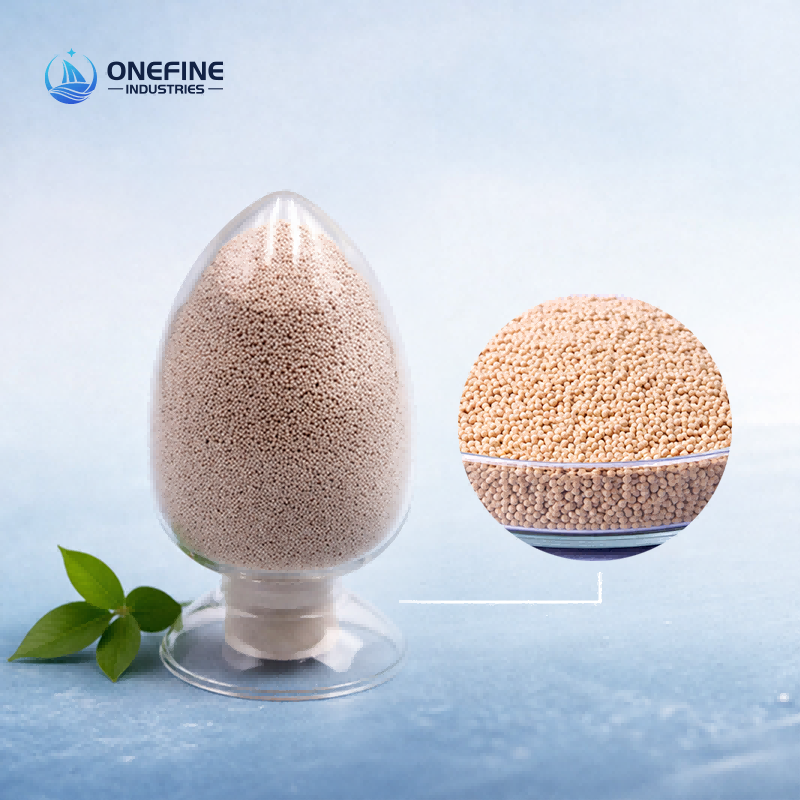
Molecular Sieve 3A is a synthetic crystalline alkali metal aluminosilicate with a pore size of approximately 3 angstroms (0.3 nm). It is specially designed to adsorb water molecules while excluding larger molecules, making it one of the most efficient desiccants for deep drying and moisture control in industrial applications.
Compared with conventional desiccants, 3A molecular sieve offers stronger water adsorption capacity, faster drying performance, and excellent regeneration ability, even under low humidity and high-temperature conditions. It is widely used in petroleum refining, natural gas dehydration, refrigeration systems, insulating glass, pharmaceuticals, chemicals, and air drying systems.
If you are looking for a reliable desiccant for removing trace moisture, Molecular Sieve 3A desiccant is an ideal solution.
Key Features of Molecular Sieve 3A
1. Selective Adsorption of Water
The 3A pore opening allows only small molecules such as H₂O to enter, while excluding larger molecules like unsaturated hydrocarbons. This makes it highly suitable for selective water removal without affecting the composition of surrounding materials.
2. Excellent Moisture Adsorption at Low Humidity
Unlike silica gel or activated alumina, Molecular Sieve 3A can maintain strong adsorption performance even in very low relative humidity environments, making it highly effective for deep dehydration.
3. Fast Adsorption Rate
Thanks to its uniform pore structure and high internal surface area, 3A molecular sieve beads quickly capture water vapor, helping reduce drying time and improve process efficiency.
4. High Regeneration Capability
Molecular Sieve 3A can be regenerated by heating or pressure swing processes, allowing repeated use and lowering long-term operational costs.
5. Thermal and Chemical Stability
This desiccant performs reliably under high temperatures and in demanding industrial environments, offering excellent durability and stable adsorption performance.
Applications of Molecular Sieve 3A
1. Drying of Unsaturated Hydrocarbons
3A molecular sieve is commonly used for drying cracked gas, ethylene, propylene, and butadiene, because it selectively adsorbs water without adsorbing olefins.
2. Natural Gas and Industrial Gas Dehydration
It is widely used in natural gas drying, compressed air systems, and industrial gas purification to prevent corrosion, freezing, and equipment damage caused by moisture.
3. Refrigerant Drying
In refrigeration and air-conditioning systems, Molecular Sieve 3A desiccant is used to remove water from refrigerants and protect compressors, valves, and pipelines from ice formation and acid generation.
4. Insulating Glass Desiccant
For double glazing and insulating glass units, 3A molecular sieve is an excellent desiccant that helps prevent internal condensation and extends the service life of windows.
5. Pharmaceutical and Chemical Packaging
Molecular Sieve 3A packets can be used in packaging applications where strict moisture control is required to protect moisture-sensitive raw materials, APIs, intermediates, and specialty chemicals.
6. Solvent and Liquid Drying
It is also suitable for drying polar liquids, such as ethanol and methanol, when deep moisture removal is required in chemical processing.
Advantages of Molecular Sieve 3A Over Other Desiccants
When compared with other common desiccants, Molecular Sieve 3A provides several unique benefits:
- Higher water adsorption capacity at low humidity
- Stronger selective adsorption for water molecules
- Better deep drying performance
- Lower residual moisture levels
- Reusable through regeneration
- Stable performance under high temperatures
- Ideal for critical industrial drying processes
For applications that require ultra-low dew point or trace moisture removal, 3A molecular sieve desiccant is often superior to silica gel and activated alumina.
Available Forms of Molecular Sieve 3A
To meet different industrial needs, Molecular Sieve 3A is commonly available in several forms:
- 3A molecular sieve beads
- 3A molecular sieve pellets
- Powder form for specialized applications
Common Sizes
- 1.6–2.5 mm
- 3.0–5.0 mm
- 4.0–6.0 mm
- 1/16" pellets
- 1/8" pellets
The choice of size depends on the flow rate, pressure drop requirements, and adsorption system design.
Typical Technical Specification of Molecular Sieve 3A
Below is a typical specification reference for Molecular Sieve 3A beads:
- Type: Potassium-based sodium aluminosilicate
- Pore Size: 3 Å
- Shape: Beads / Pellets
- Bulk Density: ≥ 0.70 g/ml
- Crush Strength: Depends on size
- Static Water Adsorption: ≥ 20%
- Attrition Loss: Low
- Moisture Content (as packed): ≤ 1.5%
- Regeneration Temperature: 200–300°C (depending on process conditions)
Note: Specifications may vary based on product grade and application requirements.
How Does Molecular Sieve 3A Work?
The working principle of Molecular Sieve 3A is based on physical adsorption. Its precisely controlled 3-angstrom pore openings act like a molecular filter. Water molecules, which are small enough, enter the pores and are trapped inside the crystal structure. Larger molecules cannot enter, so the sieve selectively removes moisture while preserving valuable process components.
This makes 3A molecular sieve desiccant highly effective for:
- deep drying
- trace water removal
- selective dehydration
- gas and liquid purification
Why Choose Molecular Sieve 3A for Moisture Control?
If your process requires high-efficiency moisture adsorption, low dew point performance, and selective water removal, Molecular Sieve 3A is one of the best desiccant choices available.
It is especially recommended for:
- sensitive gas drying systems
- refrigeration components
- insulating glass manufacturing
- petrochemical dehydration
- pharmaceutical moisture protection
- industrial packaging requiring strict humidity control
By choosing a high-quality 3A molecular sieve supplier, businesses can improve product stability, reduce moisture-related failures, and enhance long-term process reliability.
(FAQ)
What is the difference between Molecular Sieve 3A and 4A?
The main difference is the pore size.
- 3A molecular sieve has a 3 angstrom pore size and mainly adsorbs water.
- 4A molecular sieve has a 4 angstrom pore size and can adsorb water, methanol, ammonia, CO₂, and other small molecules.
Can Molecular Sieve 3A be regenerated?
Yes. Molecular Sieve 3A can be regenerated by heating or pressure swing methods, making it a cost-effective reusable desiccant.
Is Molecular Sieve 3A suitable for refrigerants?
Yes. It is widely used for refrigerant drying because it effectively removes water while minimizing unwanted adsorption of refrigerant molecules.
What industries use Molecular Sieve 3A?
It is commonly used in:
- oil and gas
- petrochemical
- refrigeration
- insulating glass
- pharmaceutical
- chemical processing
- industrial packaging
Related Products
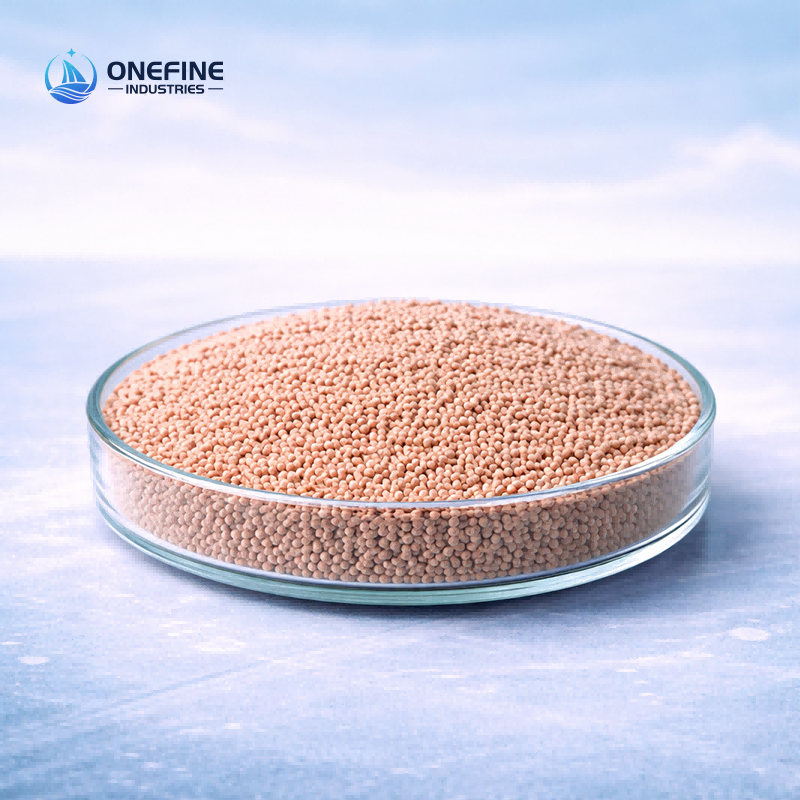
Molecular Sieve 4A
Molecular Sieve 4A – High-Efficiency Desiccant for Moisture Adsorption and Gas Drying
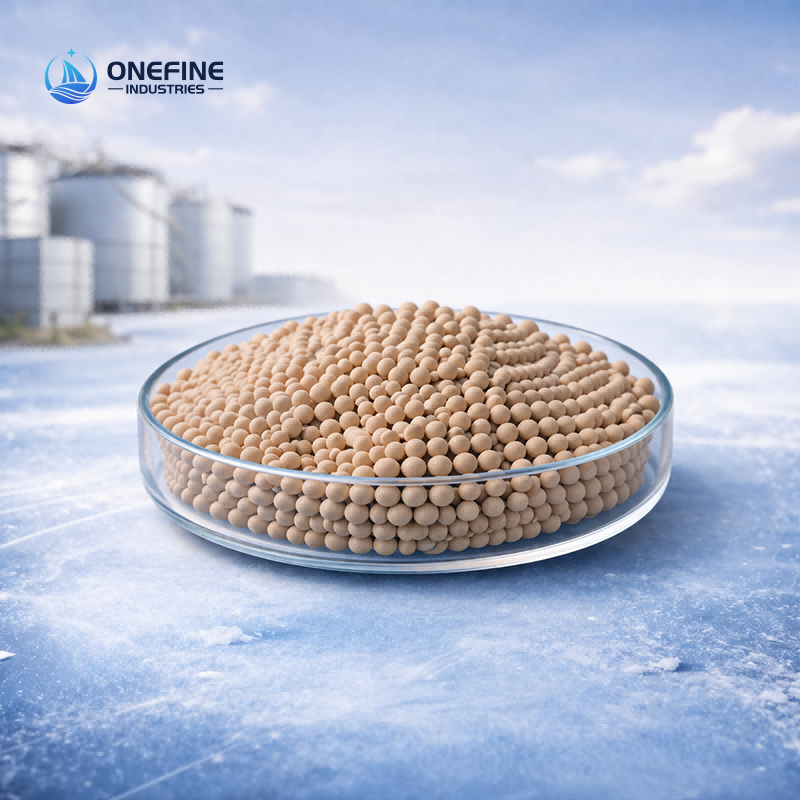
Molecular Sieve 5A
Molecular Sieve 5A – High-Performance Adsorbent for Deep Drying and Hydrocarbon Separation
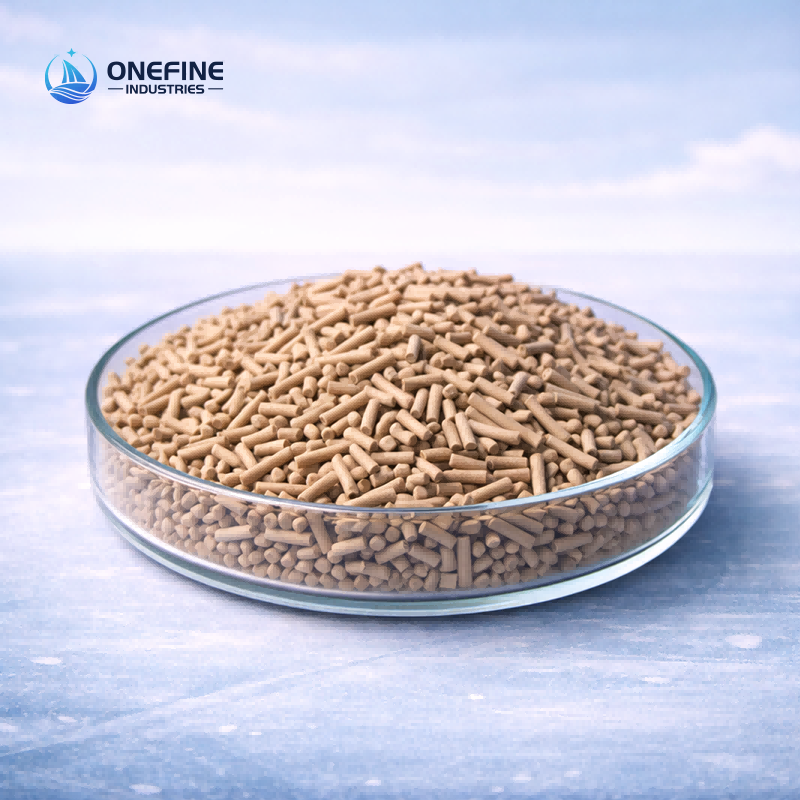
Molecular Sieve 13X
Molecular Sieve 13X – High-Capacity Adsorbent for Deep Drying, Air Separation, and Gas Purification
Oxygen Generation Molecular Sieve
Oxygen Generation Molecular Sieve – High-Performance Adsorbent for PSA Oxygen Concentrators and Air Separation Systems