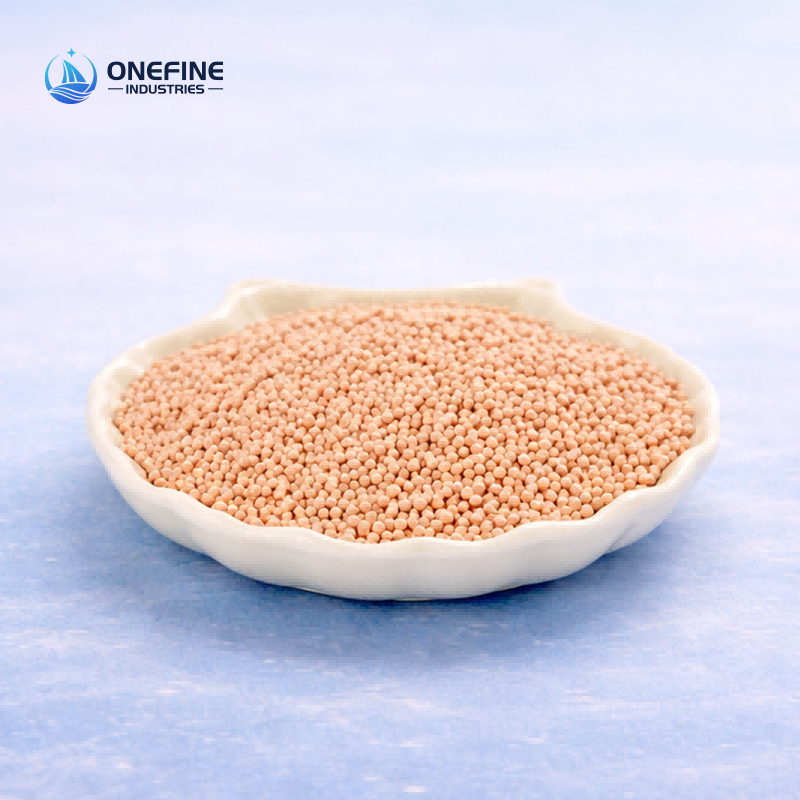
Product Description
What is Refrigerant Molecular Sieve?
Refrigerant Molecular Sieve is a high-performance desiccant specially designed for moisture removal in refrigeration and air conditioning systems. It is commonly based on 3A molecular sieve or other optimized molecular sieve formulations that selectively adsorb water molecules while minimizing the adsorption of refrigerant molecules.
In refrigeration circuits, even trace amounts of moisture can cause serious problems such as:
- Ice formation at expansion valves
- Acid formation
- Corrosion of metal components
- Compressor damage
- Reduced cooling efficiency
- System failure
Because of its uniform pore structure, strong water adsorption capacity, and excellent performance at low humidity, refrigerant molecular sieve is widely used in filter driers, refrigerant dryers, air conditioner components, automotive AC systems, and sealed refrigeration units.
Compared with conventional desiccants such as silica gel or activated alumina, refrigeration molecular sieve offers deeper moisture removal, lower residual water content, better chemical compatibility, and more reliable protection for refrigerant systems.
Key Features of Refrigerant Molecular Sieve
1. Selective Adsorption of Water
Refrigerant molecular sieve is designed to selectively adsorb moisture while avoiding excessive adsorption of refrigerants such as:
- R-134a
- R-22
- R-410A
- R-407C
- R-32
- HFC, HCFC, and some HFO refrigerants (depending on formulation)
This helps preserve refrigerant composition while efficiently removing harmful water.
2. Excellent Moisture Removal at Trace Levels
In refrigeration systems, even very small amounts of water can lead to operational issues. Molecular sieve for refrigerants is highly effective in removing trace moisture, making it ideal for systems that require deep drying and low residual water content.
3. Prevents Ice Formation and Blockage
Moisture can freeze in low-temperature sections of the system, especially near capillary tubes, expansion valves, and orifices. Refrigerant desiccant molecular sieve helps prevent:
- Ice blockage
- Flow restriction
- Pressure instability
- Reduced cooling performance
4. Protects Against Acid Formation
Water can react with refrigerants and lubricants to form acids, which can damage:
- Compressors
- Copper tubing
- Valves
- Seals
- Bearings
- Motor windings
Refrigerant molecular sieve desiccant helps reduce acid-related failures and extends system life.
5. High Mechanical Strength and Low Dusting
For use in filter driers and sealed components, the desiccant must have:
- High crush strength
- Low attrition
- Stable particle integrity
- Minimal dust generation
This ensures clean system operation and prevents contamination.
6. Strong Compatibility with Refrigeration Systems
Refrigeration molecular sieve is suitable for use in:
- Hermetic systems
- Residential air conditioners
- Commercial refrigeration
- Automotive AC
- Heat pump systems
- Refrigerant drying components
Applications of Refrigerant Molecular Sieve
1. Refrigerant Filter Driers
One of the most common uses of refrigerant molecular sieve is in filter driers, where it removes moisture and protects the refrigeration circuit.
Used in:
- Liquid line filter driers
- Suction line driers
- Replaceable core driers
- Sealed refrigeration dryer units
2. Air Conditioning Systems
Molecular sieve for air conditioning refrigerants is widely used in:
- Residential AC systems
- Commercial HVAC systems
- Split air conditioners
- Central air conditioning equipment
- Heat pump systems
3. Automotive Air Conditioning
Refrigerant molecular sieve desiccant is commonly used in:
- Automotive receiver driers
- Automotive accumulator driers
- Vehicle air conditioning systems
- EV and hybrid thermal management systems
4. Refrigeration Equipment
It is used in:
- Domestic refrigerators
- Freezers
- Commercial refrigerators
- Cold storage units
- Ice machines
- Display coolers
- Industrial refrigeration systems
5. Compressor Protection
Moisture is one of the main causes of compressor failure. Refrigeration molecular sieve helps protect:
- Hermetic compressors
- Semi-hermetic compressors
- Scroll compressors
- Rotary compressors
- Reciprocating compressors
6. OEM Refrigeration Components
Refrigerant molecular sieve is widely supplied to manufacturers of:
- Filter driers
- Receiver driers
- Accumulators
- Dryer cores
- Refrigeration components
- HVAC spare parts
Advantages of Refrigerant Molecular Sieve Over Other Desiccants
Compared with silica gel, activated alumina, and general-purpose desiccants, refrigerant molecular sieve provides major advantages:
- Selective water adsorption with minimal refrigerant loss
- Excellent trace moisture removal
- Lower residual water content
- Better low-temperature performance
- Reduced risk of ice blockage
- Improved acid prevention
- High compatibility with refrigeration oils and refrigerants
- Strong mechanical strength for filter drier use
- Long-term system protection and reliability
For critical refrigeration and air conditioning systems, molecular sieve desiccant for refrigerants is often the preferred solution.
Available Forms of Refrigerant Molecular Sieve
To meet different refrigeration component requirements, refrigerant molecular sieve is commonly available in the following forms:
- Beads
- Pellets
- Crushed granules (for certain drier core applications)
Common Sizes
- 0.5–1.0 mm
- 1.0–1.5 mm
- 1.5–2.5 mm
- Custom grades for filter driers and receiver driers
The most suitable size depends on:
- Filter drier design
- Flow resistance requirements
- Dryer core structure
- Refrigerant type
- Pressure drop limits
- OEM component specifications
Typical Technical Specification of Refrigerant Molecular Sieve
Below is a typical reference specification for refrigerant molecular sieve desiccant:
- Type: 3A molecular sieve / Refrigeration-grade molecular sieve
- Shape: Beads / Pellets / Granules
- Pore Size: 3 Å (typical for refrigerant drying)
- Bulk Density: ≥ 0.70 g/ml
- Static Water Adsorption: High
- Refrigerant Compatibility: Excellent
- Crush Strength: High
- Attrition Loss: Low
- Dust Content: Low
- Moisture Content (as packed): ≤ 1.5%
- Application: Refrigerant drying, filter driers, AC systems, refrigeration protection
Note: Specifications may vary depending on refrigerant type, OEM requirements, and product formulation.
How Does Refrigerant Molecular Sieve Work?
The working principle of refrigerant molecular sieve is based on selective physical adsorption.
Inside a refrigeration system:
- Refrigerant and lubricant circulate through the system.
- Trace moisture enters or remains in the circuit during manufacturing, servicing, leakage, or contamination.
- The molecular sieve desiccant inside the filter drier or receiver drier selectively adsorbs water molecules.
- Because of its carefully controlled pore size, it minimizes unwanted adsorption of refrigerant molecules.
- The system remains dry, stable, and protected from ice formation, acid generation, and corrosion.
This makes refrigeration molecular sieve essential for long-term system reliability.
Why Choose Refrigerant Molecular Sieve for Refrigeration Systems?
If your application requires:
- deep moisture removal
- protection of compressors and valves
- prevention of ice blockage
- reduction of acid formation
- stable refrigerant system performance
- high compatibility with modern refrigerants
then refrigerant molecular sieve is the ideal desiccant.
It is especially recommended for:
- refrigerant filter driers
- receiver driers
- automotive AC systems
- residential and commercial air conditioners
- refrigeration OEM components
- compressor protection systems
- heat pump equipment
Choosing a reliable refrigerant molecular sieve manufacturer and supplier helps improve system performance, reduce warranty failures, and extend equipment service life.
Frequently Asked Questions (FAQ)
What is refrigerant molecular sieve used for?
It is mainly used for:
- refrigerant drying
- filter driers
- receiver driers
- automotive AC systems
- air conditioning systems
- refrigeration units
- compressor protection
Why is 3A molecular sieve commonly used for refrigerants?
3A molecular sieve is often preferred because its 3 angstrom pore size is highly effective for adsorbing water molecules while helping reduce unwanted adsorption of larger refrigerant molecules.
What problems does refrigerant molecular sieve prevent?
It helps prevent:
- ice formation
- capillary blockage
- acid formation
- corrosion
- compressor wear
- reduced cooling performance
- premature system failure
Can refrigerant molecular sieve be used in automotive AC systems?
Yes. It is widely used in automotive receiver driers, accumulator driers, and vehicle air conditioning systems, including modern EV thermal management systems.
Related Products
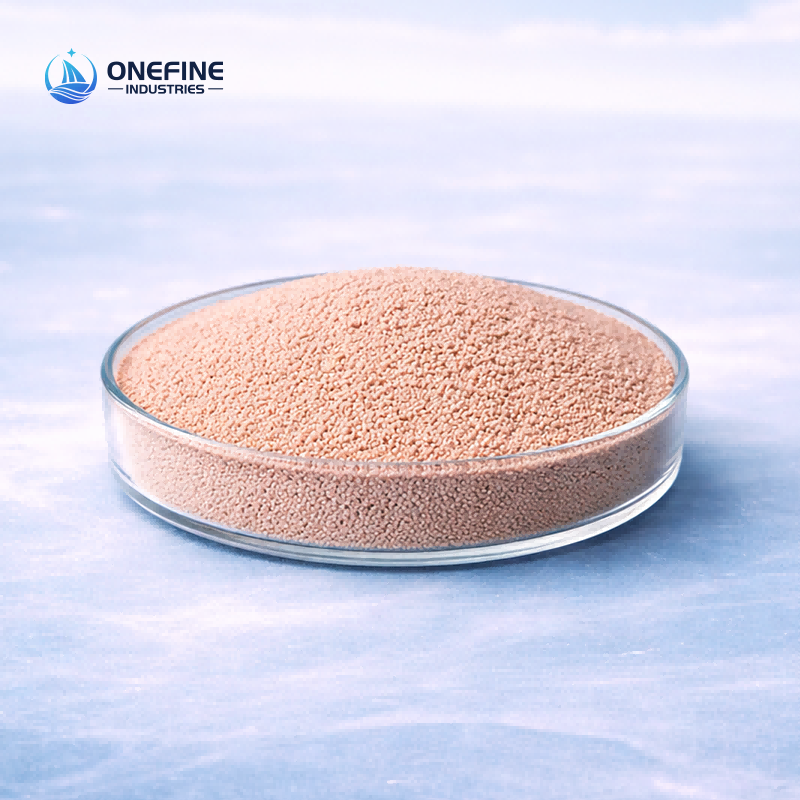
Molecular Sieve 3A
Molecular Sieve 3A – High-Performance Desiccant for Deep Moisture Removal
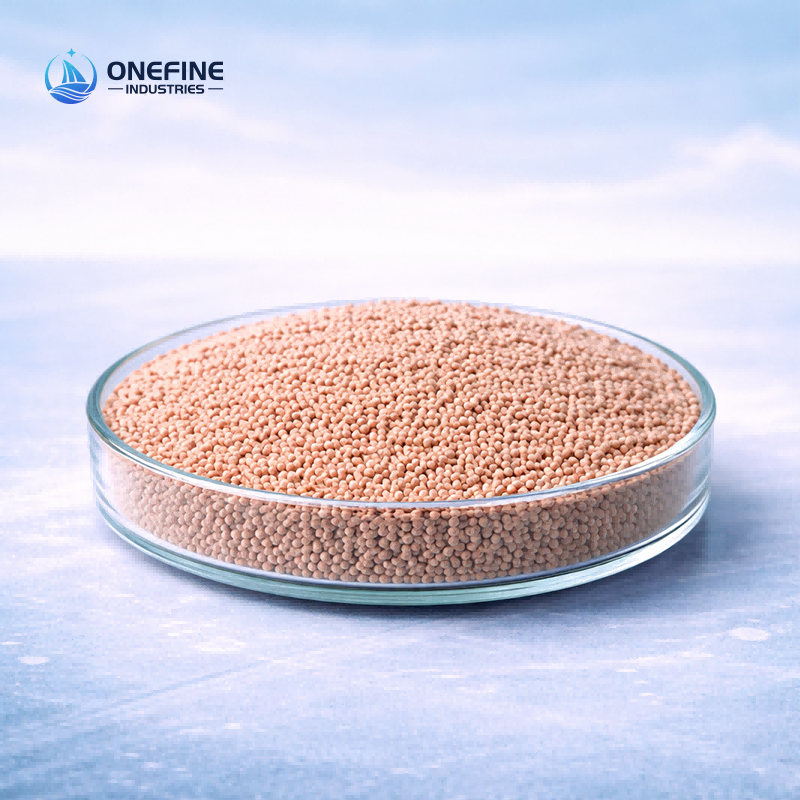
Molecular Sieve 4A
Molecular Sieve 4A – High-Efficiency Desiccant for Moisture Adsorption and Gas Drying
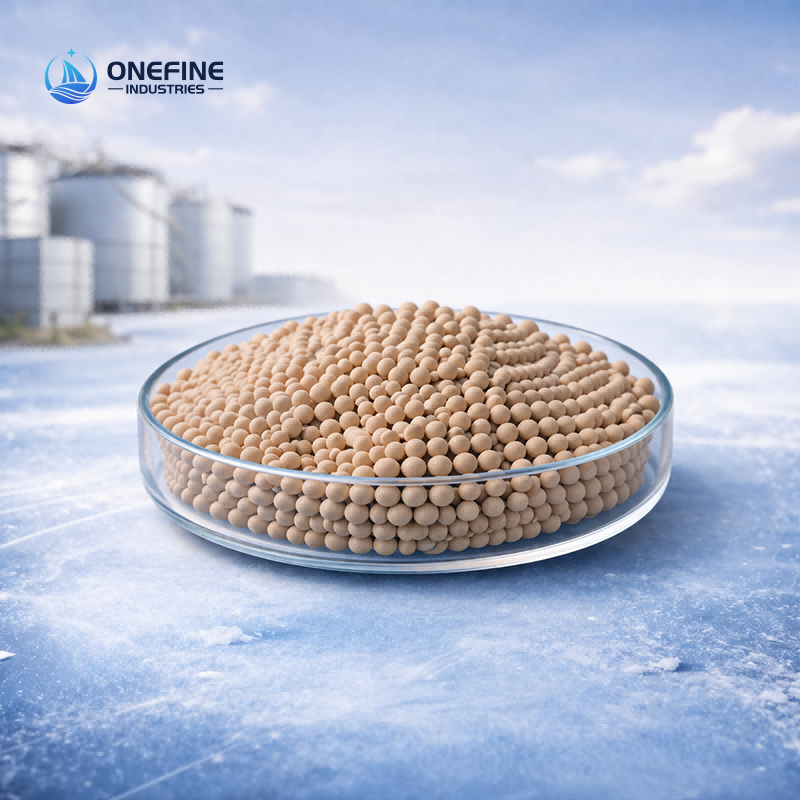
Molecular Sieve 5A
Molecular Sieve 5A – High-Performance Adsorbent for Deep Drying and Hydrocarbon Separation
Molecular Sieve 13X
Molecular Sieve 13X – High-Capacity Adsorbent for Deep Drying, Air Separation, and Gas Purification