13X vs 5A Molecular Sieve: Key Differences & How to Choose
Introduction
13X and 5A molecular sieve are two of the most widely used industrial adsorbents — and they're also two of the most frequently confused. Both remove water and other small molecules, both are common in gas purification systems, and both show up in PSA (pressure swing adsorption) processes. But they're built for fundamentally different jobs.
In this guide, we'll break down the real differences between 13X molecular sieve and 5A molecular sieve, explain why one dramatically outperforms the other for PSA oxygen generation, and help you decide which one your system actually needs.
Key Takeaways
- 5A molecular sieve (calcium form, ~5Å) is the primary adsorbent for PSA oxygen generation due to its exceptionally high N₂/O₂ selectivity.
- 13X molecular sieve (sodium form, ~10Å) lacks selective oxygen/nitrogen discrimination and is instead used as a front-end pre-purification layer to protect the 5A bed.
- 13X excels at multi-contaminant removal (mercaptans, aromatics), whereas 5A is strictly for targeted separation.
Quick Overview: 13X vs 5A at a Glance
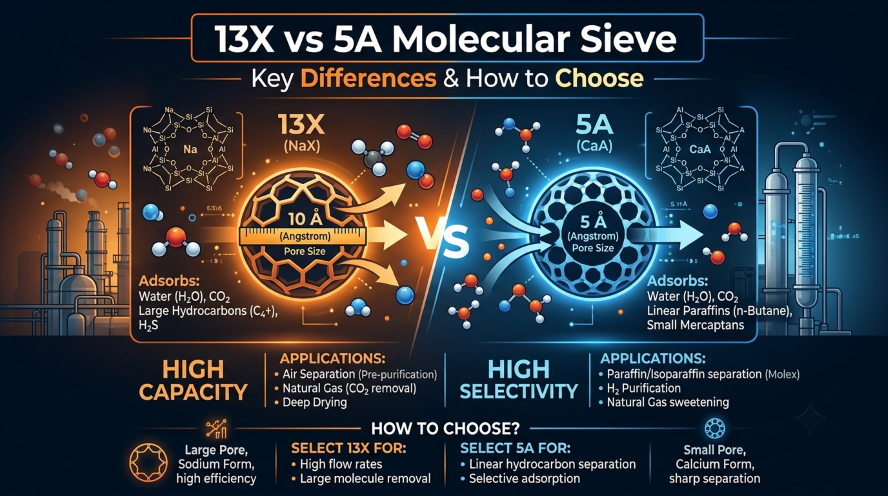
13X Molecular Sieve
- Crystal type: Type X (FAU framework), sodium form
- Pore size: ~10 Å — the largest among common industrial molecular sieves
- Core strength: Wide molecular coverage — adsorbs water, CO₂, H₂S, mercaptans, aromatics, and larger hydrocarbons in a single bed
- Typical role: Air separation pre-purification, natural gas sweetening, solvent recovery
5A Molecular Sieve
- Crystal type: Type A (LTA framework), calcium-exchanged form
- Pore size: ~5 Å
- Core strength: High N₂/O₂ selectivity and n-paraffin separation
- Typical role: PSA oxygen generation, iso-paraffin/n-paraffin separation in petrochemical processes
Pore Size & Crystal Structure
The two sieves belong to entirely different zeolite families, which is the root cause of every performance difference between them.
5A molecular sieve is built on the Type A (LTA) framework with calcium as the exchangeable cation. The calcium ions create a pore opening of approximately 5 Å — large enough for straight-chain (n-paraffin) hydrocarbons and small polar molecules like water, CO₂, and H₂S, but too small for branched or ring-structured molecules.
13X molecular sieve is built on the Type X (FAU) framework with sodium as the exchangeable cation. This framework naturally forms a much larger pore opening of approximately 10 Å — roughly double that of 5A — allowing it to adsorb significantly larger molecules, including mercaptans, aromatics (like benzene), and bulkier hydrocarbon chains.
This pore size gap is the single most important factor in deciding between the two.
Adsorption Performance: Where Each One Wins
Where 5A molecular sieve has the advantage:
- Significantly higher N₂/O₂ selectivity, which is essential for efficient PSA oxygen production
- Selective separation of straight-chain (n-paraffin) hydrocarbons from branched and cyclic isomers — a capability 13X does not have
- Slightly faster adsorption kinetics for small polar molecules in some PSA cycle designs
Where 13X molecular sieve has the advantage:
- Much broader molecular coverage — it can adsorb mercaptans, aromatics, and larger hydrocarbons that 5A's smaller pores exclude entirely
- Higher overall water and CO₂ working capacity, making it more efficient for high-loading drying and pre-purification duties
- Ability to remove multiple contaminant types (water, CO₂, H₂S, mercaptans) in a single bed, reducing the need for multi-stage treatment
For exact adsorption capacity figures, crushing strength, and bulk density for each product, refer to the respective product pages — specifications differ by production batch and grade.
Why 5A Dominates PSA Oxygen Generation
This is the question we get asked most often: if 13X has higher overall capacity, why isn't it used for PSA oxygen generation instead of 5A?
The answer comes down to selectivity, not capacity. PSA oxygen generation works by selectively adsorbing nitrogen from air while letting oxygen pass through as the product gas. This requires a sieve with strong preferential affinity for N₂ over O₂ — and 5A's LTA framework and calcium cation sites are specifically suited to this kind of selective nitrogen adsorption.
13X's larger, more open pore structure adsorbs a wider range of molecules, but it does not discriminate between N₂ and O₂ nearly as effectively. Using 13X as the primary PSA bed would result in poor oxygen purity and lower recovery efficiency. That's why in most PSA oxygen systems, 13X is used only as a pre-purification layer — removing water, CO₂, and heavier contaminants from the feed air — while 5A does the actual nitrogen/oxygen separation downstream.
Application-Based Decision Guide
Choose 5A molecular sieve when:
- You're building or supplying a PSA oxygen generation system
- Your process requires n-paraffin/iso-paraffin separation
- You need high N₂/O₂ selectivity as the core function of the system
Not sure how 5A works in more depth? See our complete 5A molecular sieve guide
Choose 13X molecular sieve when:
- You need to remove mercaptans, aromatics, or other larger sulfur/organic compounds
- Your application requires simultaneous removal of multiple impurity types in one bed
- You're running air separation pre-purification (ASU front-end) or natural gas sweetening
- High water and CO₂ working capacity is more important than N₂/O₂ selectivity
Using both together: Many industrial PSA oxygen systems actually use both sieves in a layered bed configuration — 13X molecular sieve as the front-end pre-purification layer to protect against water and CO₂, followed by 5A molecular sieve as the primary nitrogen-adsorbing layer. This combination extends the service life of the more selective (and often more costly) 5A layer while maintaining separation efficiency.
For a deeper look at how these layered systems are sized, see our PSA oxygen sizing guide.
Regeneration Considerations
Both 13X and 5A molecular sieve are regenerable via thermal swing adsorption (TSA) or pressure swing adsorption (PSA), depending on system design. In practice, regeneration approach is typically dictated by the system's overall process design rather than which sieve is used — PSA oxygen systems regenerate on a pressure-swing cycle measured in seconds to minutes, while TSA-based drying and sweetening systems regenerate on a much longer heat-based cycle.
Because the two sieves are often used together in layered beds, their regeneration cycles are generally synchronized to the same overall system cycle rather than run independently. For exact regeneration temperature ranges and best practices for each sieve, refer to the Regeneration Guide sections on their respective product pages.
Frequently Asked Questions
Can 13X molecular sieve be used instead of 5A for PSA oxygen generation? Not effectively as the primary adsorbent. While 13X has higher overall adsorption capacity, its larger pore structure does not provide the N₂/O₂ selectivity that 5A offers. Using 13X alone for PSA oxygen generation typically results in lower oxygen purity and reduced recovery efficiency. 13X is commonly used alongside 5A as a pre-purification layer instead.
Which is more expensive, 13X or 5A molecular sieve? Pricing depends on production grade, form factor, and order volume rather than a fixed rule between the two types. Contact our team for current bulk pricing on either product.
Can 5A molecular sieve remove mercaptans like 13X can? No. 5A's ~5 Å pore size is too small to adsorb mercaptans and other larger sulfur compounds. This is one of the key reasons 13X, not 5A, is the standard choice for natural gas sweetening applications where mercaptan removal is required.
Do 13X and 5A molecular sieve require different regeneration equipment? Generally no — both are regenerable via standard TSA or PSA methods, and in layered-bed systems they typically share the same regeneration equipment and cycle. Specific temperature and pressure parameters should be confirmed against each product's technical data sheet.
Recommended Products from Sorbsieve
- 13X Molecular Sieve (Sodium X Type) — Industrial-grade beads, pellets, and powder. MOQ 1 ton. Full documentation included.
- 5A Molecular Sieve (Calcium Type) — For PSA oxygen generation and n-paraffin separation
- Carbon Molecular Sieve (CMS) — For PSA nitrogen systems
Not sure which one fits your system? Read our full 13X molecular sieve guide for a deeper technical breakdown, or contact our team for a tailored recommendation.
Conclusion
Choosing between 13X and 5A molecular sieve comes down to one question: does your system need broad multi-contaminant removal, or does it need precise N₂/O₂ selectivity? 13X wins on pore size and overall capacity, making it the right choice for air separation pre-purification, natural gas sweetening, and applications where mercaptans or aromatics need to be removed. 5A wins on selectivity, making it the standard choice for PSA oxygen generation and n-paraffin separation.
In many real-world systems, the answer isn't "either/or" — layered beds using both sieves together are common, with 13X protecting the more selective 5A layer from water and CO₂ contamination. Whichever configuration your system needs, matching the adsorbent to your specific operating conditions is always the first step.
Looking for Bulk Supply of 13X or 5A Molecular Sieve?
Sorbsieve is a trusted bulk supplier of 13X molecular sieve, 5A molecular sieve, and complete industrial adsorbents, serving industrial buyers across the Middle East.
We provide:
- ✅ Container-level supply (20'GP / 40'GP / 40'HQ)
- ✅ Full documentation (COA / TDS / SDS / COO)
- ✅ Multiple packaging options (25kg bags / 150kg drums / 500kg super sacks / 1000kg jumbo bags)
- ✅ Technical support for molecular sieve selection and system optimization
- ✅ Fast quote response for industrial inquiries
Contact our team for bulk pricing, product samples, and technical consultation.
Related Products
5A Molecular Sieve (Calcium Type)
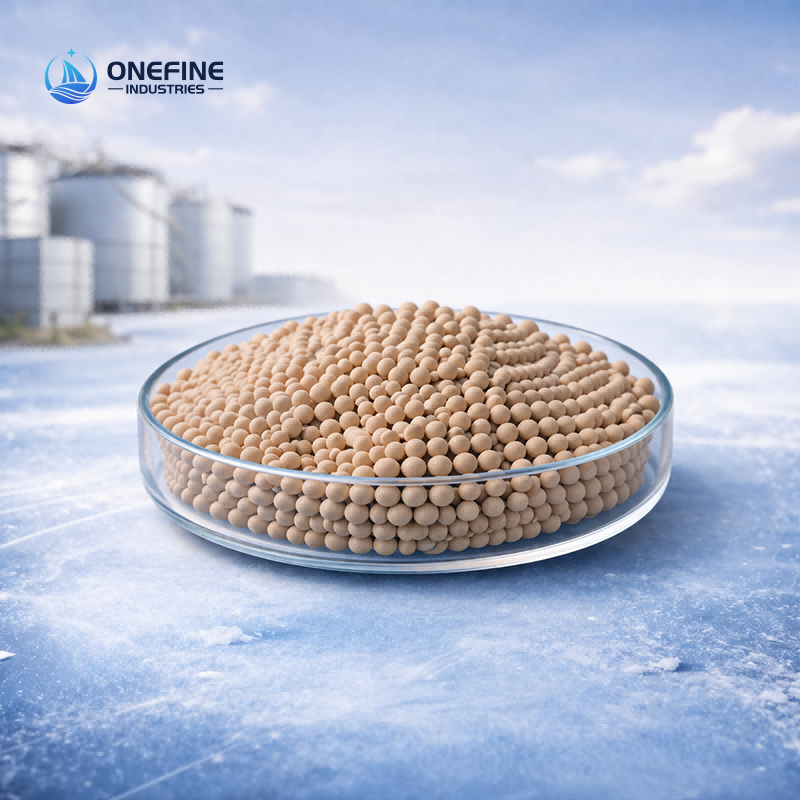
Calcium-exchanged 5A molecular sieve for PSA oxygen enrichment, natural gas sweetening, n-isoparaffin separation, and simultaneous desulfurization & decarbonization. Bulk supply with MOQ from 1 ton, serving industrial buyers across the Middle East.
13X Molecular Sieve (Sodium X Type)
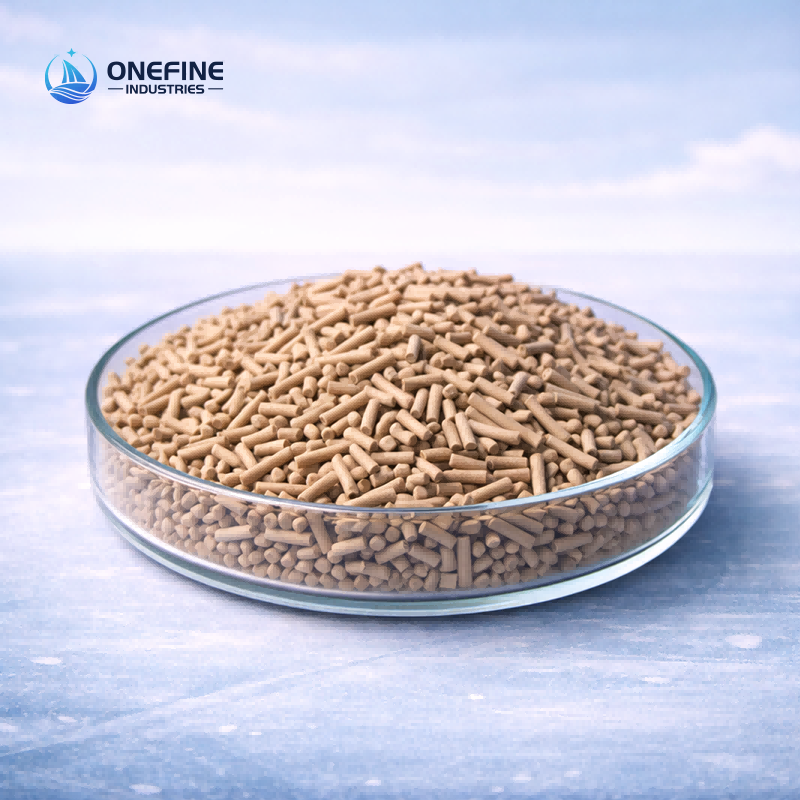
Sodium-type 13X molecular sieve with 10Å pore size for air separation pre-purification, natural gas sweetening, solvent recovery, and industrial gas drying. High adsorption capacity, industrial-grade performance.
Carbon Molecular Sieve for Nitrogen Generation (CMS)
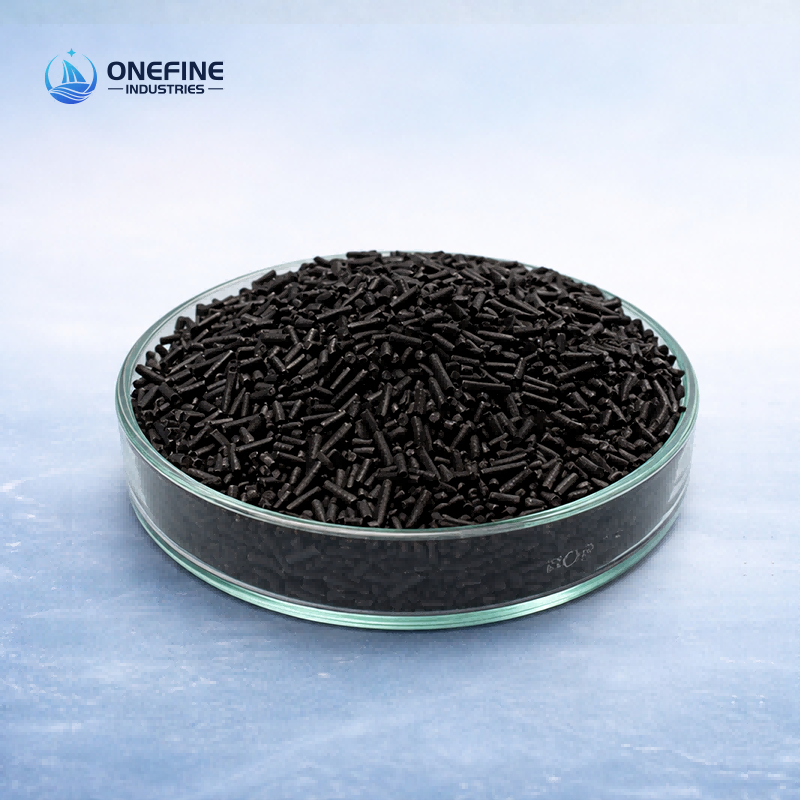
High-performance carbon molecular sieve (CMS) for PSA nitrogen generators. Uniform micropore distribution (0.3-0.5nm) ensures efficient oxygen-nitrogen separation. Delivers 95-99.999% nitrogen purity with 3-5 year service life. Bulk supply for industrial buyers worldwide.
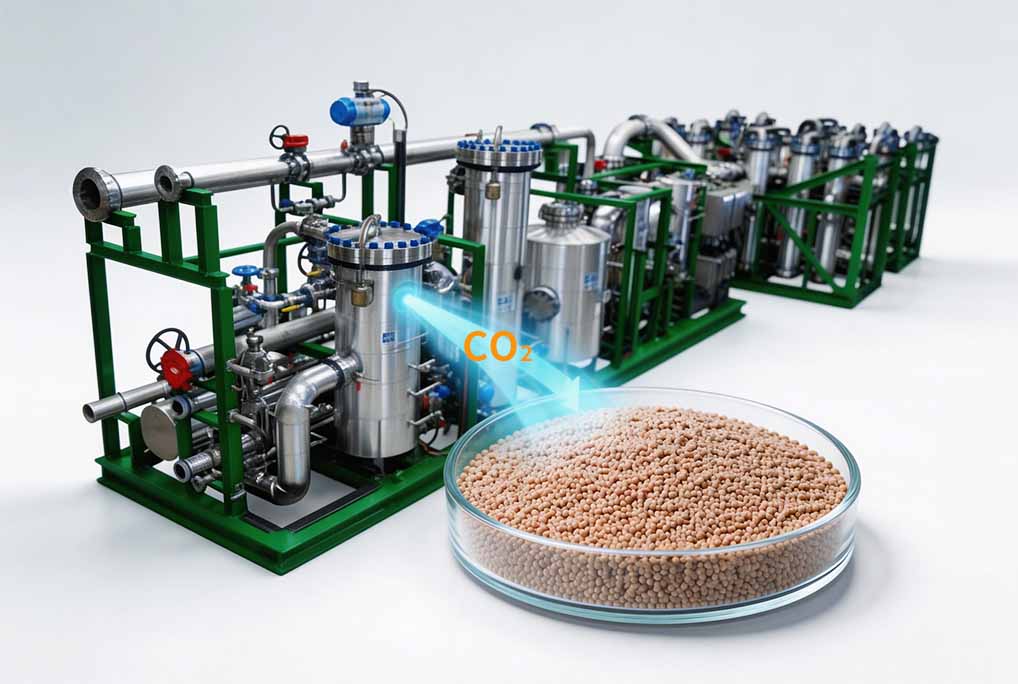
Related Reading
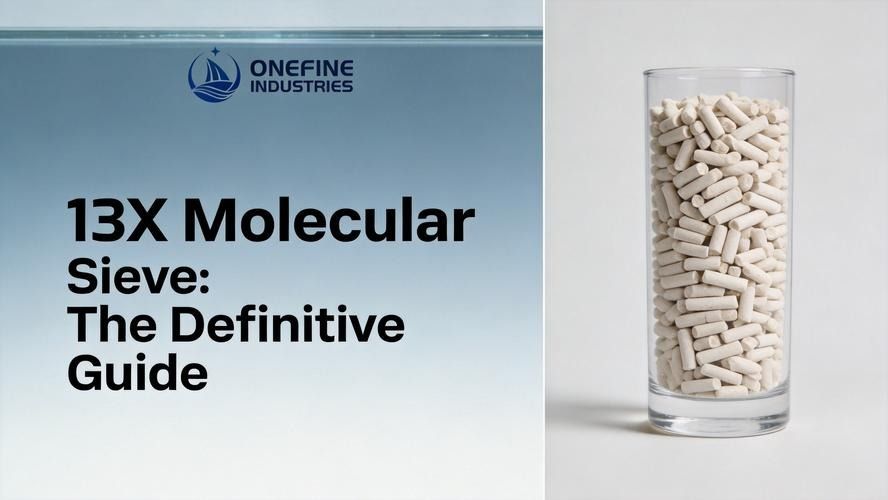
What is 13X Molecular Sieve? Uses, Specifications & How It Works
Everything you need to know about 13X molecular sieves: how they work, key properties, common applications in air separation pre-purification, natural gas sweetening, solvent recovery and industrial gas drying, plus regeneration methods and comparison with other sieve types.
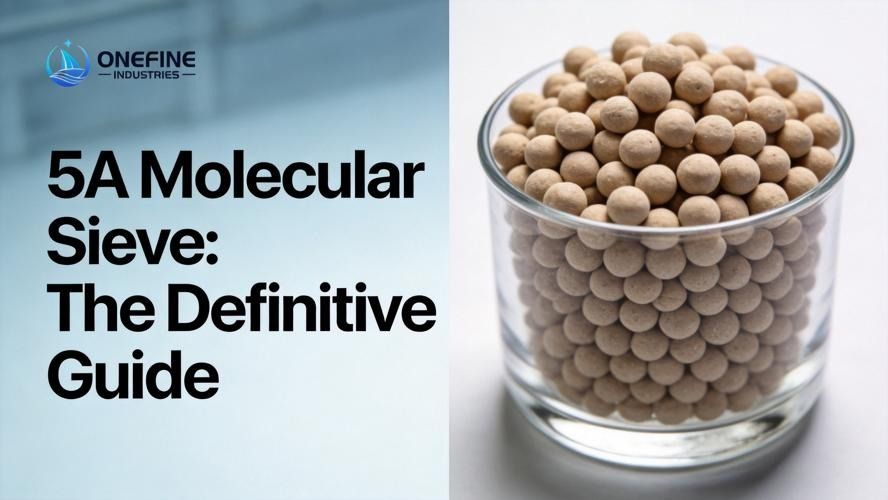
What is 5A Molecular Sieve? Uses, Specifications & How It Works
Everything you need to know about 5A molecular sieves: how they work, key advantages, common applications in PSA oxygen generation, natural gas sweetening, n-paraffin separation and air separation, plus regeneration basics and comparison with other sieve types.
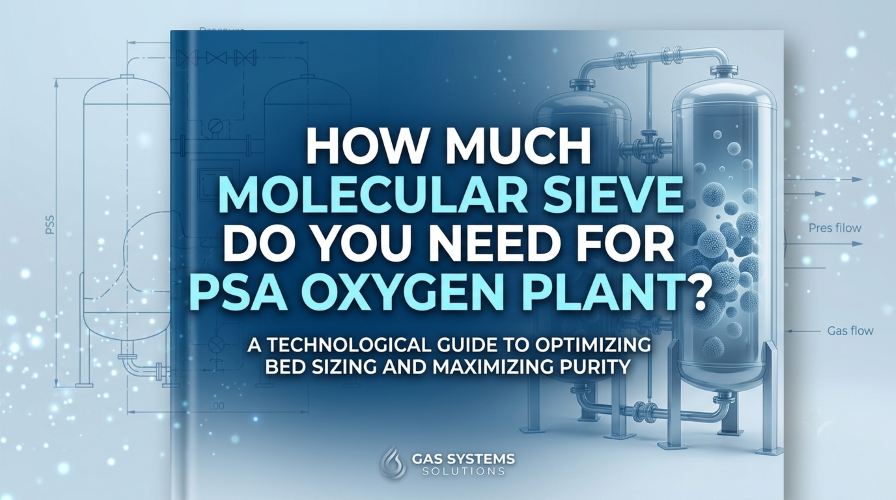
How Much Molecular Sieve Do You Need for PSA Oxygen Plant?
Learn how to estimate molecular sieve quantity for PSA oxygen plants based on flow rate, purity, pressure, and adsorbent type. Includes practical ranges and a real-world sizing example.