How Do You Know When to Replace 3A Molecular Sieve in an Ethanol Dehydration Unit?
Key Takeaways
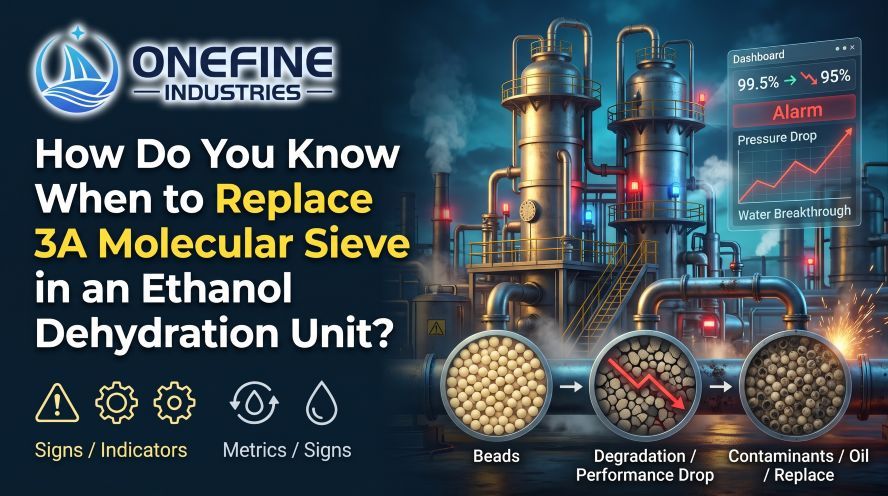
- Water breakthrough and declining downstream ethanol purity are the clearest indicators that the 3A sieve's dynamic capacity is failing to keep pace with the feed rate.
- Shortening cycle times to process the same volume of ethanol is often the earliest measurable warning of capacity loss, preceding actual purity drops.
- Rising pressure drop and visible dusting result from thermal stress and pellet attrition, a process accelerated by fermentation congeners like acetone or methanol.
- Trace organics can deposit on the sieve surface and block access to adsorption sites (coking), permanently reducing capacity even if the crystal structure is intact.
Ethanol dehydration units rely on 3A molecular sieve's pore selectivity to strip water from near-azeotropic ethanol without adsorbing the alcohol itself. But no bed lasts forever — repeated thermal regeneration, trace contaminants, and process upsets all chip away at performance over time. Knowing the early warning signs lets you plan a replacement before product purity slips or downtime becomes unplanned. Here's what to watch for.
Why 3A Molecular Sieve Is the Standard Choice Here
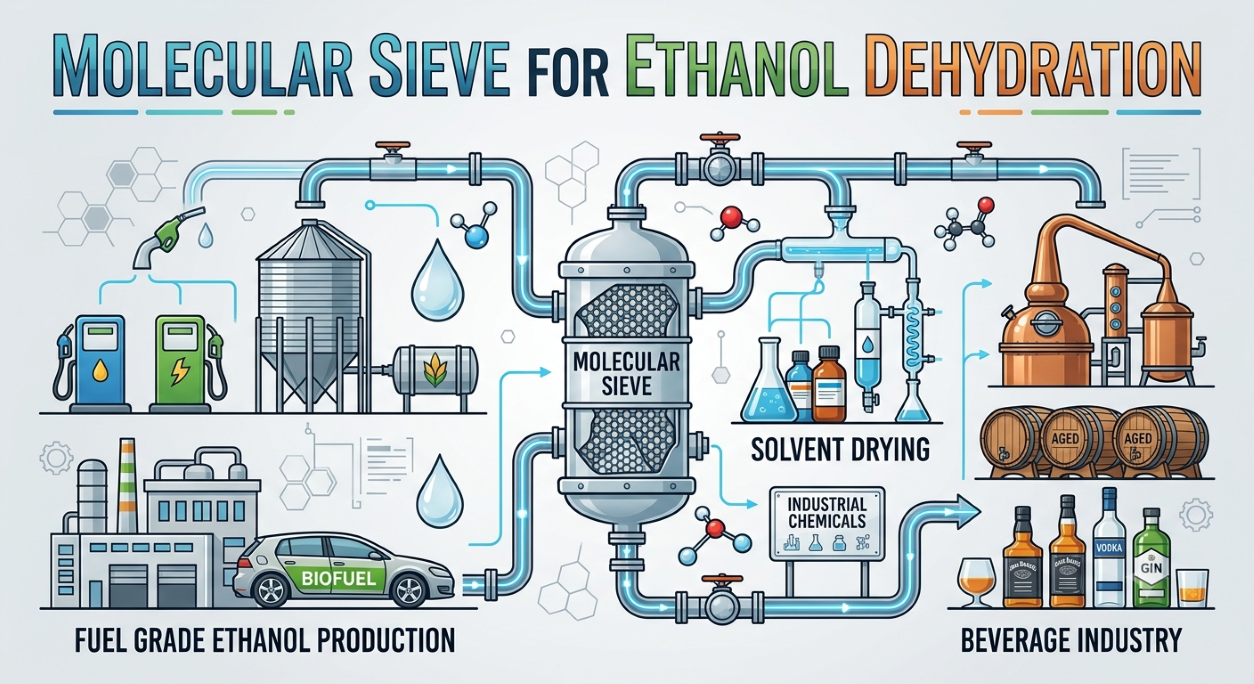
Water molecules are about 2.8 Å in diameter, while ethanol molecules are closer to 4.4 Å. The ~3 Å pore opening of 3A molecular sieve is sized to let water in while excluding ethanol almost entirely, which is why pressure swing adsorption (PSA) with 3A sieve has become the standard dehydration method across fuel-grade ethanol, industrial solvent, and beverage-grade production (see our application case on ethanol dehydration for how the process fits into a typical plant). For a deeper look at the material itself, see 3A molecular sieve basics.
That selectivity is also what degrades first. As the bed ages, the signs below tend to show up in a fairly predictable order.
Signal #1: Ethanol Purity Starts Slipping Downstream
The clearest sign of a spent bed is breakthrough — water starting to show up in the dehydrated ethanol leaving the column instead of staying trapped in the sieve. If your downstream purity checks are trending down cycle over cycle, even gradually, the sieve's dynamic water capacity is no longer keeping pace with your feed rate. This is the signal operators usually catch first, since it directly affects whether the product meets spec.
Signal #2: You're Regenerating More Often for the Same Throughput
A fresh 3A sieve bed should hold a predictable water loading before it needs to be cycled back to regeneration. When that cycle starts shortening — you're swapping beds or running regeneration more frequently just to process the same volume of ethanol — it usually means the sieve's working capacity has dropped, even if breakthrough hasn't shown up yet. This is often the earliest measurable warning, well before purity numbers move.
Signal #3: Rising Pressure Drop and Visible Dusting
Every regeneration cycle exposes the sieve to a thermal swing, and that stress gradually cracks and attrits the pellets. Over enough cycles, this shows up as fines or dust collecting in downstream filters and a creeping rise in pressure drop across the bed. In ethanol dehydration specifically, congeners carried over from fermentation — compounds like acetone, methanol, and ethyl acetate — have been shown to accelerate this dusting effect, so plants running food- or fuel-grade ethanol with variable feed quality tend to see it sooner than plants on consistently clean feed.
Signal #4: Coking or Organic Fouling on the Sieve Surface
Trace organics in the feed can deposit on the sieve surface and inside the macropores during repeated heating, gradually blocking access to the adsorption sites — a process generally referred to as coking or carbon fouling. Once enough of the pore structure is blocked this way, the sieve loses capacity even though the crystal structure itself may still be largely intact. This tends to compound the capacity loss described in Signal #2, making the two worth tracking together rather than in isolation.
What to Do When You See These Signs
None of these signals on their own means the bed needs replacing immediately — a single soft purity reading can just as easily be a process upset upstream. What matters is the trend: shortening cycles, climbing pressure drop, and declining purity moving together over several regeneration cycles point to a sieve that's reached the end of its working life rather than a one-off issue. If you're reconsidering whether 3A is still the right pore size for your process conditions at all, our 3A vs 4A comparison walks through when a different grade might fit better.
Recommended Products from Sorbsieve
3A Molecular Sieve — Purpose-built pore selectivity for ethanol and alcohol dehydration, available in bulk with flexible MOQ from 1 ton.
4A Molecular Sieve — A wider-pore alternative worth comparing against if your process conditions call for it.
FAQ
How long does a 3A molecular sieve bed typically last in ethanol dehydration service? Service life depends heavily on feed quality, cycle frequency, and congener content, so there's no single number that applies across all plants. Tracking the trend across the four signals above is a more reliable guide than relying on a fixed timeline.
Can a 3A molecular sieve bed be regenerated indefinitely instead of replaced? Regeneration restores water capacity for each cycle, but it doesn't reverse pellet attrition or pore fouling. Once pressure drop and capacity loss are driven mainly by physical degradation rather than adsorbed water, regeneration stops being effective and replacement becomes the practical option.
Does poor-quality feed ethanol shorten sieve life? Yes. Higher congener levels and inconsistent feed composition have been linked to faster dusting and attrition in 3A sieve beds used for ethanol dehydration, so feed consistency upstream directly affects how long a bed lasts.
Is 3A always the right molecular sieve for ethanol dehydration? For standard ethanol-water separation, yes — its pore size is specifically suited to exclude ethanol while adsorbing water. If your process involves other small molecules you also need to manage, it's worth comparing pore sizes against other grades before assuming 3A is still the best fit.
Looking for Bulk Supply of 3A Molecular Sieve?
Sorbsieve is a trusted bulk supplier of 3A molecular sieve and complete industrial adsorbents, serving industrial buyers across the Middle East.
We provide:
- ✅ Container-level supply (20'GP / 40'GP / 40'HQ)
- ✅ Full documentation (COA / TDS / SDS / COO)
- ✅ Multiple packaging options
- ✅ Technical support for 3A molecular sieve selection and system optimization
- ✅ Fast quote response for industrial inquiries
Contact our team for bulk pricing, product samples, and technical consultation.
Related Products
3A Molecular Sieve
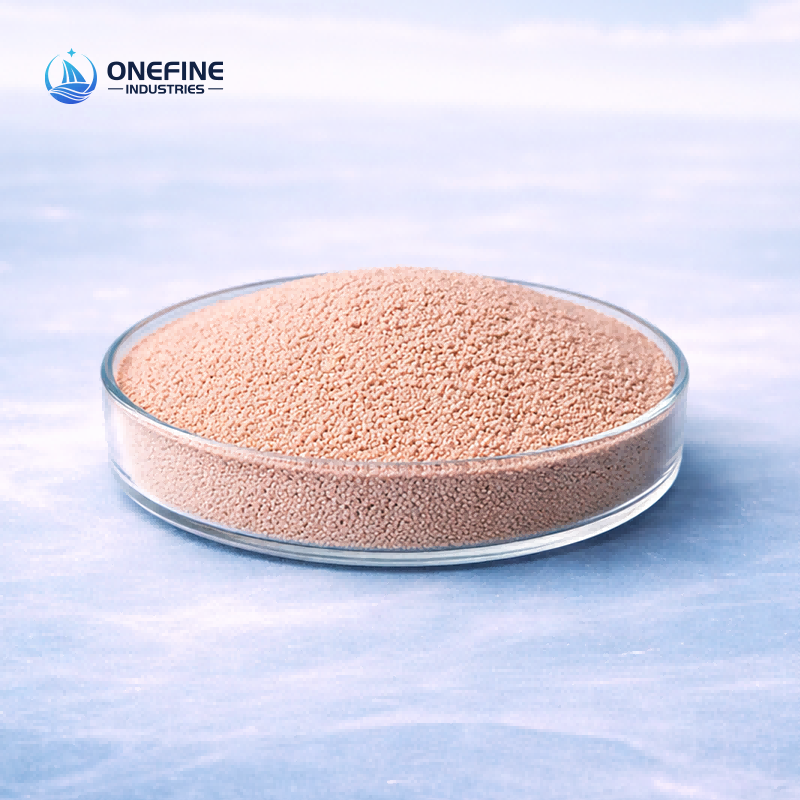
High-efficiency 3A molecular sieve desiccant for ultra-deep industrial dehydration. Available in beads and pellets, 2-3 year service life with proper regeneration.
4A Molecular Sieve
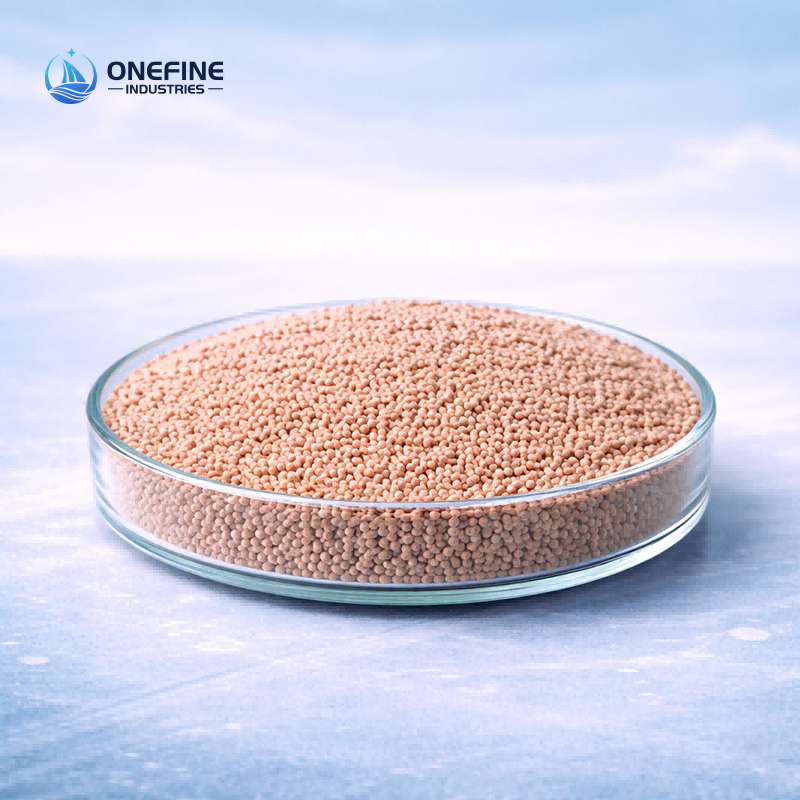
General-purpose 4A molecular sieve desiccant for industrial air drying, solvent dehydration, CO2 removal, and static packaging applications. High capacity, long service life.
Related Reading
What is 3A Molecular Sieve? Uses, Specifications & How It Works
Everything you need to know about 3A molecular sieves: how they work, key properties, common applications in ethanol dehydration, natural gas processing & refrigeration, plus regeneration and selection tips.
3A vs 4A Molecular Sieve: Key Differences & How to Choose
In-depth guide comparing 3A and 4A molecular sieves. Covers pore size differences, adsorption selectivity, capacity comparison, application scenarios for each type, and practical guidance on selecting the right molecular sieve for your industrial drying or gas separation needs.