3A Molecular Sieve for Transformer Oil Purification: How Online Dehydration Works

Moisture is one of the biggest threats to a power transformer's insulation system. Even oil that starts out dry picks up moisture over years of service — from the paper insulation, from breathing through vents, and from normal aging. Left unchecked, rising moisture lowers dielectric strength and speeds up degradation of the paper insulation, which is far more expensive to replace than the oil itself.
One of the most established ways to keep oil moisture under control is online purification with molecular sieve — a permanently installed system that circulates transformer oil through a molecular sieve bed and continuously removes water, without needing to take the transformer out of service. This guide explains how the process works and where 3A and 4A Molecular Sieve each fit.
Key Takeaways
- 3A Molecular Sieve features a 3 angstrom pore opening that selectively adsorbs water molecules while entirely excluding larger hydrocarbon oil molecules.
- Online purification systems circulate oil through a molecular sieve bed to continuously remove moisture without taking the power transformer out of service.
- While 3A provides the highest selectivity for mineral oil dehydration, 4A is widely used as a proven, cost-competitive industrial workhorse alternative.
- Molecular sieve purification targets moisture only; addressing acid, sludge, or oxidation byproducts requires oil regeneration using Activated Alumina.
Why Transformer Oil Needs Ongoing Moisture Control
Transformer oil and its paper insulation exist in a moisture equilibrium — water constantly migrates between the two. Even a well-maintained transformer will see its oil moisture level creep up over time due to:
- Moisture migrating out of aging paper insulation
- Breathing of humid ambient air through vents or seals
- Oxidative aging by-products that increase over the transformer's service life
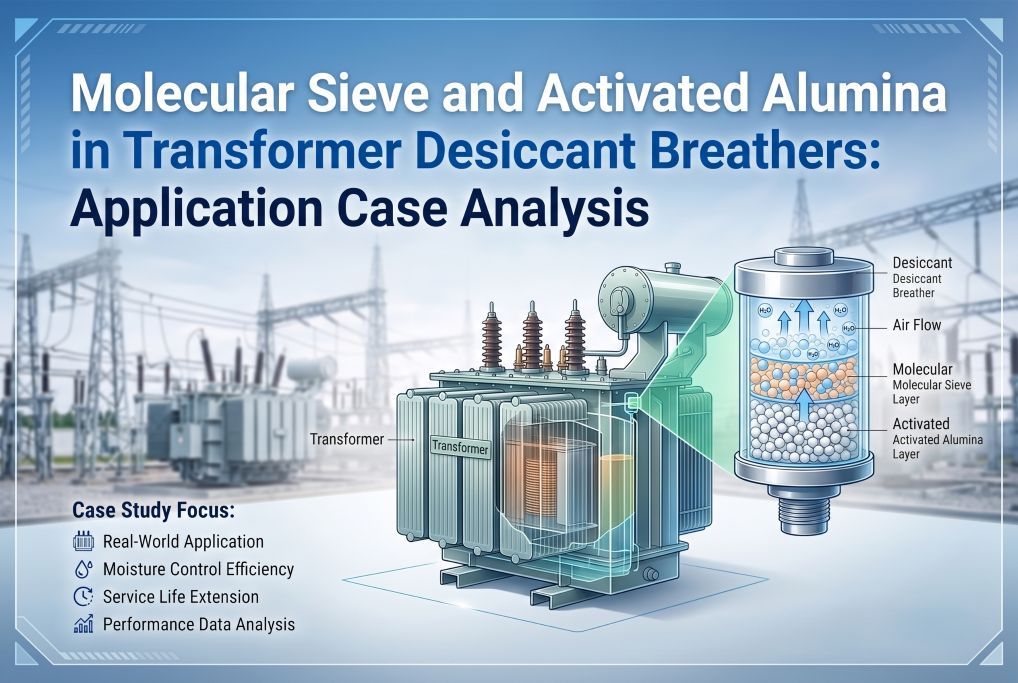
Higher oil moisture reduces breakdown voltage and accelerates the irreversible aging of the paper insulation — which is the part of a transformer that's genuinely difficult and expensive to restore. This is why many operators use a continuous, in-service purification method rather than relying only on periodic maintenance. It's a different line of defense from desiccant breathers , which stop humid ambient air from entering the tank in the first place rather than treating moisture already in the oil.
How 3A Molecular Sieve Removes Water Directly From Oil
3A Molecular Sieve is a crystalline aluminosilicate with a uniform pore opening of about 3 angstroms — just large enough to let water molecules in, but too small to admit the larger hydrocarbon molecules that make up the oil itself. As oil is circulated through a bed of 3A beads:
- Water molecules diffuse into the pore structure and are adsorbed
- Oil molecules, being too large for the 3 Å opening, pass through unaffected
- The oil exits the bed with reduced moisture content, ready to return to the transformer
Because the sieve is selective by molecular size rather than by chemical attraction alone, it keeps working efficiently even as moisture levels drop to a low level — something coarser desiccants struggle with.
3A vs 4A Molecular Sieve for Oil Dehydration: Which Should You Use?
Sorbsieve supplies both 3A and 4A Molecular Sieve, and both are used in liquid-phase oil dehydration in industrial practice — this isn't a strict either/or choice:
- 3A Molecular Sieve has the tighter pore opening (~3 Å) and is the more selective option. Published research on drying transformer insulating liquids has found 3A to perform somewhat better than 4A for mineral oil specifically, citing better selectivity and drying dynamics at typical operating temperatures.
- 4A Molecular Sieve is the broader industrial workhorse grade — widely used across oil and gas dehydration generally, with strong adsorption capacity and good regeneration behavior. Many online oil purification systems run effectively on 4A, and it's often the more readily available and cost-competitive option.
In practice, the right pick often comes down to what's already specified in your system, what's locally available, and cost — not a hard technical barrier. If you're setting up a new system from scratch and want the most selective option for oil specifically, 3A is the more research-backed choice; if 4A is what your system is built around or what you can source most easily, it's a proven, workable option too. For a fuller technical breakdown of pore size and selectivity differences, see our 3A vs 4A Molecular Sieve comparison .
How Online Molecular Sieve Purification Systems Work
Unlike sending oil out for vacuum dehydration at a service facility, an online molecular sieve system stays permanently connected to the transformer:
- A small circulation pump continuously draws oil from the transformer (typically from the drain valve)
- The oil passes through one or more molecular sieve dehydration cylinders
- Dried oil returns to the transformer (typically through the fill valve)
- The system runs continuously in the background, keeping moisture low without taking the transformer offline
This approach is generally far lower cost to operate than periodic vacuum dehydration or full service-facility treatment, since it addresses moisture gradually and continuously rather than in large, occasional batches.
Purification vs. Regeneration: What Molecular Sieve Doesn't Do
It's worth being clear about scope: 3A Molecular Sieve purification addresses moisture, not oil chemistry. If oil has degraded to the point of significant acidity, sludge, or oxidation byproducts, that's a separate maintenance action — oil regeneration/reclamation — typically handled with a different adsorbent such as Activated Alumina , which targets acidic and polar contaminants rather than water alone. Routine testing (acidity, breakdown voltage, dissipation factor) is what tells you which situation you're dealing with.
Recommended Products from Sorbsieve
- 3A Molecular Sieve — the more selective choice for online transformer oil dehydration, favored where fine selectivity for water over other small molecules matters most
- 4A Molecular Sieve — the widely-used general-purpose grade, also proven in oil dehydration systems and often the more accessible option
FAQ
Should I use 3A or 4A Molecular Sieve for transformer oil dehydration?
Both are used in practice. 3A's tighter pore opening (~3 Å) gives it somewhat better selectivity for water in mineral oil according to published research, while 4A is the broader industrial workhorse grade and is also proven in online oil dehydration systems. The choice often comes down to what your system is built around, local availability, and cost rather than a hard technical requirement.
Does molecular sieve purification also remove acids from transformer oil?
No. Molecular sieve purification targets moisture only. If oil has degraded enough to show elevated acidity or sludge, that requires oil regeneration/reclamation with an adsorbent suited to polar contaminants, which is a different process from routine dehydration.
Can 3A Molecular Sieve be reused after adsorbing moisture from oil?
Yes. Like other molecular sieves, 3A can be thermally regenerated — heating drives off the adsorbed moisture and restores adsorption capacity for further cycles, which is standard practice in continuously operating online systems.
How does online molecular sieve dehydration compare to vacuum dehydration?
Online systems treat oil gradually and continuously while the transformer stays in service, which is typically much lower cost to run than periodic vacuum dehydration or sending oil out for service-facility treatment. Vacuum dehydration can process larger moisture loads faster but requires scheduled downtime or mobile equipment.
Looking for Bulk Supply of 3A Molecular Sieve?
Sorbsieve is a trusted bulk supplier of 3A Molecular Sieve and complete industrial adsorbents, serving industrial buyers across the Middle East.
We provide:
- ✅ Container-level supply (20'GP / 40'GP / 40'HQ)
- ✅ Full documentation (COA / TDS / SDS / COO)
- ✅ Multiple packaging options
- ✅ Technical support for 3A Molecular Sieve selection and system optimization
- ✅ Fast quote response for industrial inquiries
Contact our team for bulk pricing, product samples, and technical consultation.
Related Products
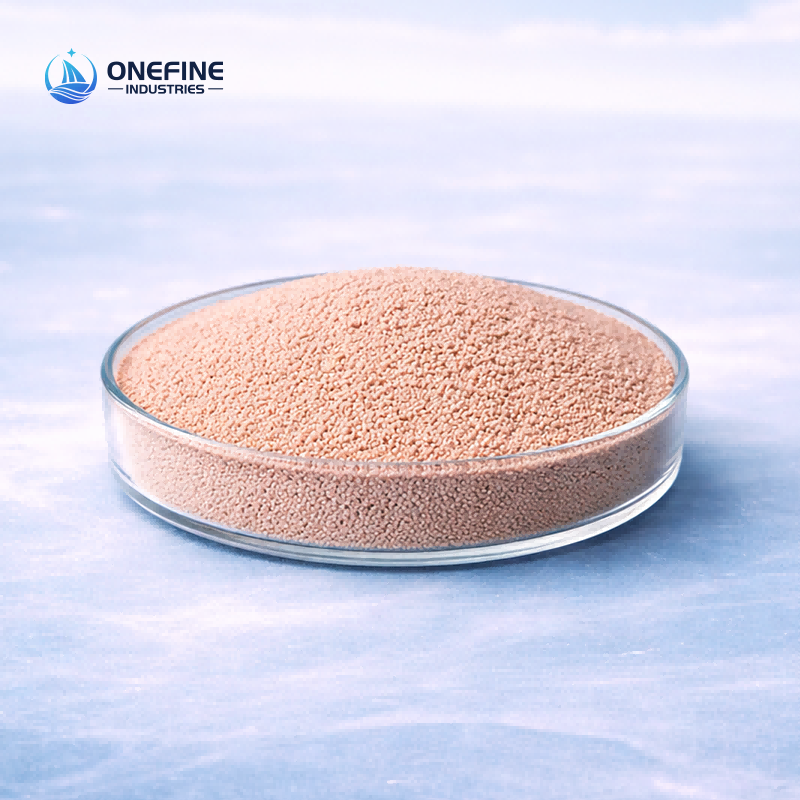
3A Molecular Sieve
High-efficiency 3A molecular sieve desiccant for ultra-deep industrial dehydration. Available in beads and pellets, 2-3 year service life with proper regeneration.

Activated Alumina for Purification
High-performance activated alumina (γ-Al₂O₃) adsorbent and desiccant for industrial gas/liquid drying, water defluoridation, and purification. White spherical beads with high surface area (≥300 m²/g), excellent crush strength, and full thermal regenerability. Available in multiple particle sizes for compressed air dryers, water treatment, and catalyst carrier applications.
Related Reading
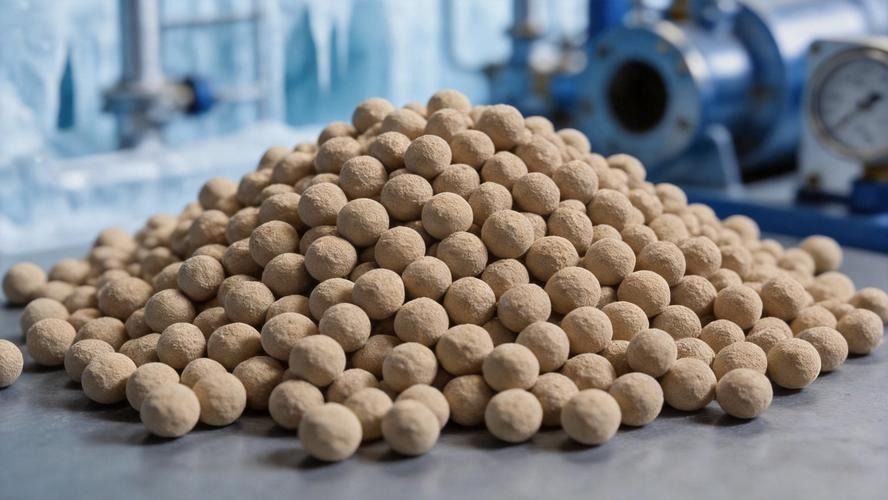
What is 3A Molecular Sieve? Uses, Specifications & How It Works
Everything you need to know about 3A molecular sieves: how they work, key properties, common applications in ethanol dehydration, natural gas processing & refrigeration, plus regeneration and selection tips.
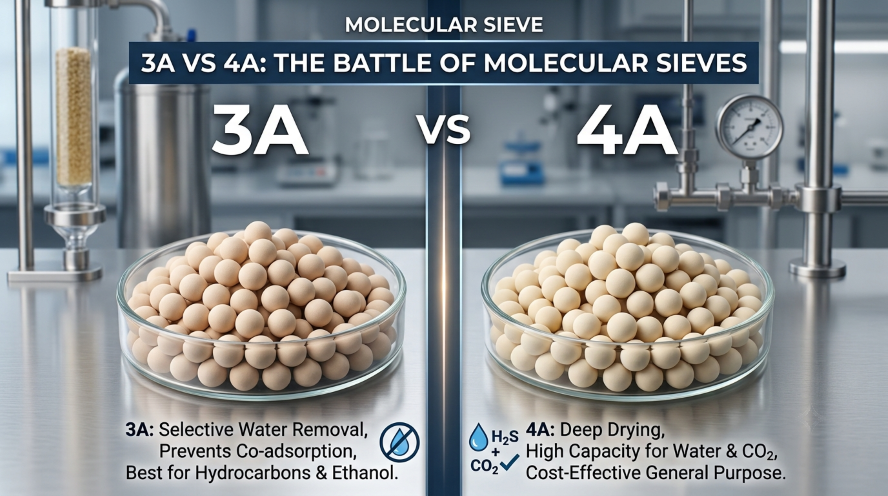
3A vs 4A Molecular Sieve: Key Differences & How to Choose
In-depth guide comparing 3A and 4A molecular sieves. Covers pore size differences, adsorption selectivity, capacity comparison, application scenarios for each type, and practical guidance on selecting the right molecular sieve for your industrial drying or gas separation needs.