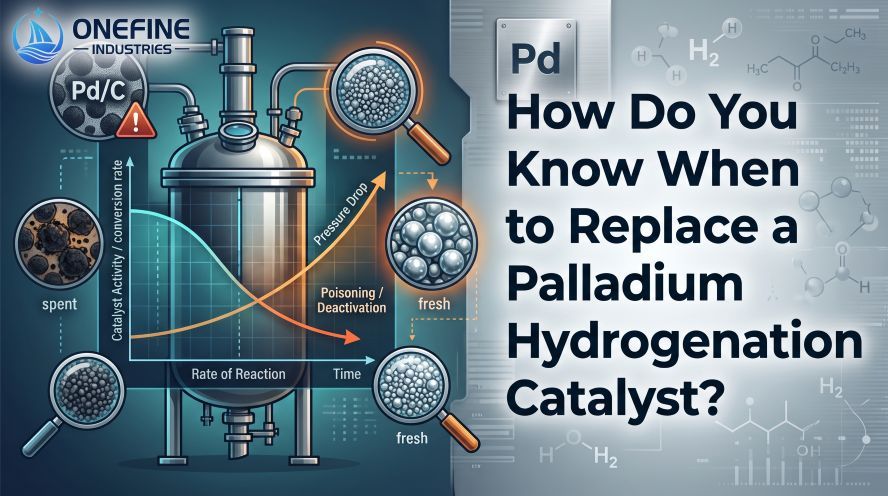
How Do You Know When to Replace a Palladium Hydrogenation Catalyst?
Key Takeaways
- Falling conversion that does not recover after a routine regeneration usually points to irreversible poisoning or sintering, not a temporary process upset.
- Sulfur, chlorine, and arsenic are the most common irreversible poisons for palladium catalysts — an upstream guard bed is the standard way to prevent this failure mode, not reverse it once it happens.
- Rising pressure drop, shortening regeneration cycles, and the need for steadily higher operating temperatures to hold conversion are the three practical signals worth tracking before scheduling a catalyst change-out.
Why Palladium Catalysts Fail Differently Than Other Hydrogenation Catalysts
A palladium hydrogenation catalyst earns its place in a process for one reason: palladium's surface is exceptionally active at hydrogenating double and triple bonds under relatively mild conditions. That same surface sensitivity is also why palladium catalysts age differently from base-metal systems like Co-Mo or Ni-Mo — they tend to lose activity through a small number of well-understood mechanisms rather than a single broad "wear-out" curve. Knowing which mechanism is actually driving the decline is what separates a catalyst bed that gets one more productive cycle out of regeneration from one that is quietly costing you yield and reactor uptime by staying in service too long.
In general industrial practice, three mechanisms account for most palladium catalyst end-of-life decisions: irreversible chemical poisoning, thermal sintering of the active metal, and fouling from carbon or heavy organic deposits. Each one shows up differently in day-to-day operating data, and each points to a different answer on whether regeneration is still worth attempting. For a closer look at how palladium catalysts work and where they are used, see our palladium catalyst basics guide.
Irreversible Poisoning: Sulfur, Chlorine, and Arsenic
Palladium's active sites bind strongly to sulfur, chlorine, and arsenic compounds — the same chemistry that makes palladium active for hydrogenation also makes it vulnerable to these contaminants, which occupy active sites and generally do not desorb under normal process conditions. This is treated as a practically irreversible failure mode in general catalysis practice: once poisoning has progressed, routine regeneration (typically a controlled oxidative burn-off) restores little or no activity, because the poison is chemically bound to the metal rather than simply deposited on the surface.
This is exactly why feedstocks carrying sulfur, chlorine, or arsenic are typically run through a dedicated guard bed ahead of the palladium reactor rather than relying on the palladium catalyst itself to tolerate them. An arsenic removal guard bed positioned upstream is the standard way to keep these contaminants away from the palladium surface in the first place — prevention is the practical strategy here, not recovery after the fact.
Operating signal: conversion drifts down gradually (sometimes over weeks or months depending on contaminant levels in the feed) and does not come back after a standard regeneration cycle. If feed analysis around the same period shows any sulfur, chlorine, or arsenic breakthrough from an upstream protection system, poisoning should be the first mechanism you rule in or out.
Thermal Sintering: Losing Active Surface Area
Palladium is dispersed across a support (commonly alumina) as very small metal particles — the smaller and more evenly spread those particles are, the more active surface area is available for hydrogenation. Prolonged exposure to high temperatures, or localized hot spots from an uneven exotherm, cause those particles to migrate and agglomerate into larger clusters. This is sintering, and it is a physical, not chemical, change — it reduces the total active surface area of the catalyst and is not reversible through regeneration.
Sintering tends to progress gradually under normal operating temperatures but can accelerate sharply after a single temperature excursion, runaway, or upset condition. Because the metal is still present on the catalyst (it has not been poisoned or physically lost), sintering can be easy to mistake for a milder, recoverable decline — which is part of why it is worth tracking deliberately rather than assuming a regeneration will fix it.
Operating signal: a steady need for higher reactor temperatures to maintain the same conversion, with no corresponding poison signal in the feed, and no recovery after regeneration. A documented temperature excursion or hot-spot event followed by a step-change drop in activity is a strong indicator that sintering, not poisoning, is the cause.
Fouling and Coking: The Mechanism Regeneration Can Actually Help
Unlike poisoning and sintering, fouling from carbon (coke) or heavy organic deposits is at least partially reversible. These deposits physically block active sites and pore openings without permanently altering the palladium itself, so a controlled oxidative regeneration can burn off the deposits and restore a meaningful portion of activity. This is the one mechanism where regeneration genuinely earns its place in the maintenance plan rather than just delaying an inevitable replacement.
That said, regeneration is not unlimited. In general practice, a catalyst bed can typically be taken through multiple regeneration cycles before the economics shift toward fresh catalyst — each cycle tends to recover somewhat less activity than the one before, and the catalyst's physical structure can degrade slightly with each thermal cycle. Treating regeneration as a renewable resource rather than a finite one is a common planning mistake.
Operating signal: run length between regenerations shortens progressively, and each regeneration recovers less conversion than the last. When a regeneration stops restoring activity to an operationally useful level — even though the procedure itself is being carried out correctly — that is the point where fresh catalyst becomes the more economical option.
Physical Degradation and Pressure Drop
Separate from the three chemical/thermal mechanisms above, repeated thermal cycling, mechanical handling, and normal attrition can degrade the physical integrity of catalyst pellets over time, generating fines and reducing bed voidage. This shows up as a different kind of signal than activity decline.
Operating signal: a gradual but sustained rise in pressure drop across the reactor bed, independent of feed rate changes. When pressure drop approaches the system's operational limits, it becomes a replacement driver on its own, even if catalytic activity is still acceptable.
Putting the Signals Together
In practice, these mechanisms are not mutually exclusive — a catalyst nearing end-of-life often shows some combination of rising temperature requirements, shortening regeneration cycles, and climbing pressure drop at the same time. The useful question is less "is the catalyst still working" and more "which mechanism is driving the decline, and can regeneration still move the needle." If the answer is poisoning or sintering, no further regeneration will reliably recover performance, and replacement planning should move ahead based on your process's conversion and selectivity requirements. If the answer is fouling, regeneration remains a legitimate option until the recovery per cycle no longer justifies it. Our AO process hydrogenation case study walks through how one palladium catalyst system was monitored and managed in a real anthraquinone process application.
Recommended Products from Sorbsieve
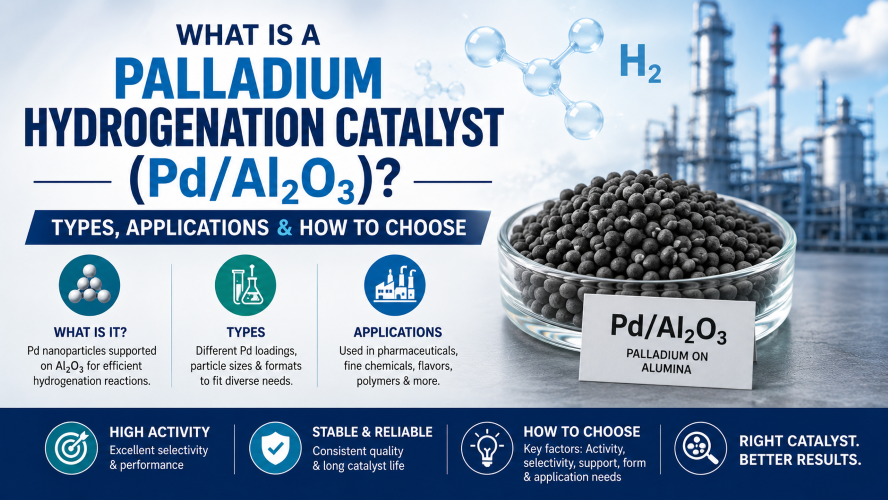
- Palladium Catalyst for Hydrogenation — our Pd/Al₂O₃ hydrogenation catalyst line, covering the specifications, packaging, and documentation buyers need for bulk procurement (already linked above).
- Desulfurization and Arsenic Removal Catalyst — the standard upstream guard bed for protecting palladium hydrogenation catalysts from sulfur and arsenic poisoning (already linked above).
FAQ
Can a poisoned palladium catalyst be regenerated? Generally, no — poisoning by sulfur, chlorine, or arsenic is treated as a practically irreversible failure mode in standard industrial practice, since these contaminants bind chemically to the active sites rather than simply depositing on the surface. Prevention through upstream protection is the standard approach, not post-poisoning recovery.
How is sintering different from fouling? Sintering is a physical change to the palladium metal itself — the active particles agglomerate into larger clusters, permanently reducing active surface area. Fouling is a buildup of carbon or organic deposits blocking access to active sites that are otherwise still intact, which is why fouling can be partially reversed through regeneration while sintering cannot.
What is the single best way to extend palladium catalyst life? Keeping feed contaminants (sulfur, chlorine, arsenic) away from the palladium bed with a properly sized upstream guard bed is the most effective lever available, since it addresses the mechanism that cannot be reversed once it occurs.
Is a gradual activity decline always a sign of catalyst failure? Not necessarily — some gradual decline is expected as part of normal operation. The distinction worth watching for is whether the decline continues to progress despite stable feed and operating conditions, and whether a regeneration (where applicable) fails to restore activity, since those patterns point to an underlying mechanism rather than normal aging.
Looking for Bulk Supply of Palladium Hydrogenation Catalyst?
Sorbsieve is a trusted bulk supplier of palladium hydrogenation catalyst and complete industrial adsorbents, serving industrial buyers across the Middle East.
We provide:
- ✅ Container-level supply (20'GP / 40'GP / 40'HQ)
- ✅ Full documentation (COA / TDS / SDS / COO)
- ✅ Multiple packaging options
- ✅ Technical support for palladium catalyst selection and system optimization
- ✅ Fast quote response for industrial inquiries
Contact our team for bulk pricing, product samples, and technical consultation.
Related Products
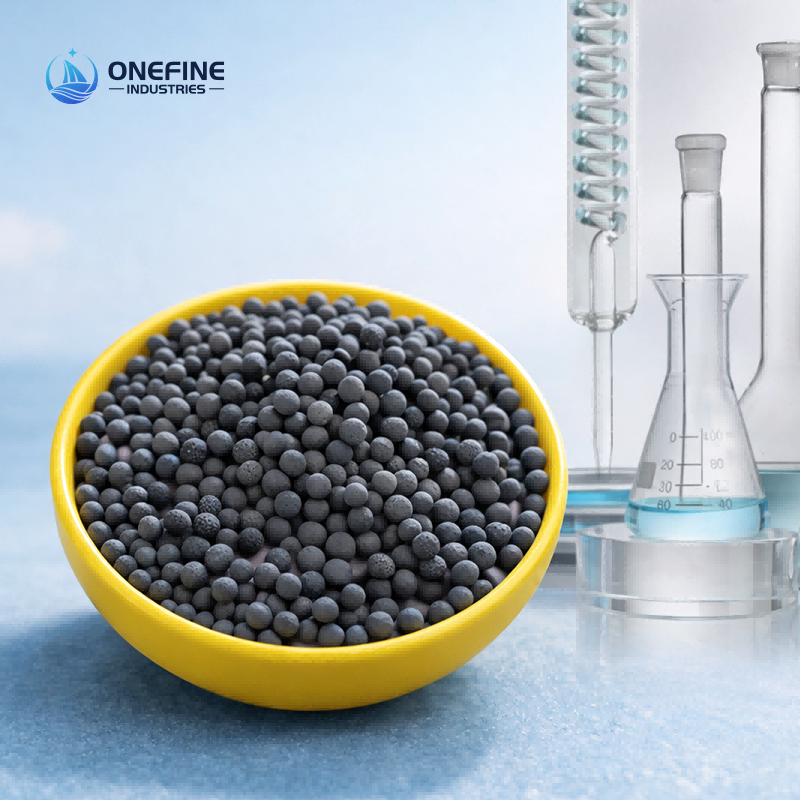
Palladium Catalyst for Hydrogenation (Pd/Al₂O₃)
High-performance palladium on alumina catalyst (Pd/Al₂O₃) for industrial hydrogenation reactions. Available in 0.1-2% Pd loading on alumina support. Exceptional activity, long service life, and excellent selectivity for pharmaceutical, petrochemical, and fine chemical synthesis.
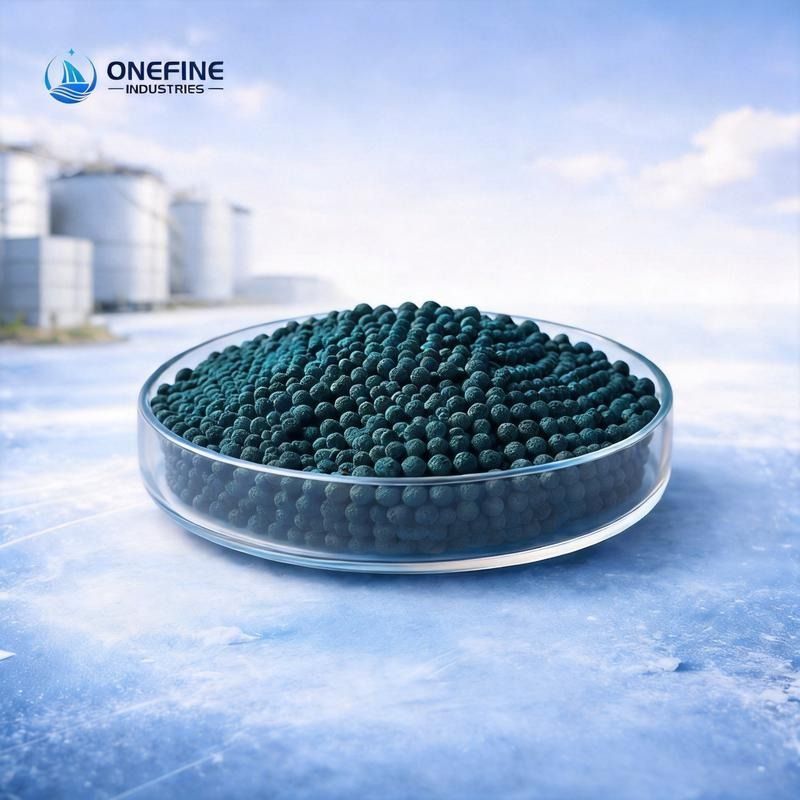
Desulfurization and arsenic removal catalyst
High-performance CuO/Al₂O₃-based desulfurization and arsenic removal catalyst, engineered for the ultra-deep removal of sulfur compounds and volatile arsenides to protect downstream noble metal catalysts. Available in bulk from 1 ton MOQ for Middle East industrial buyers.