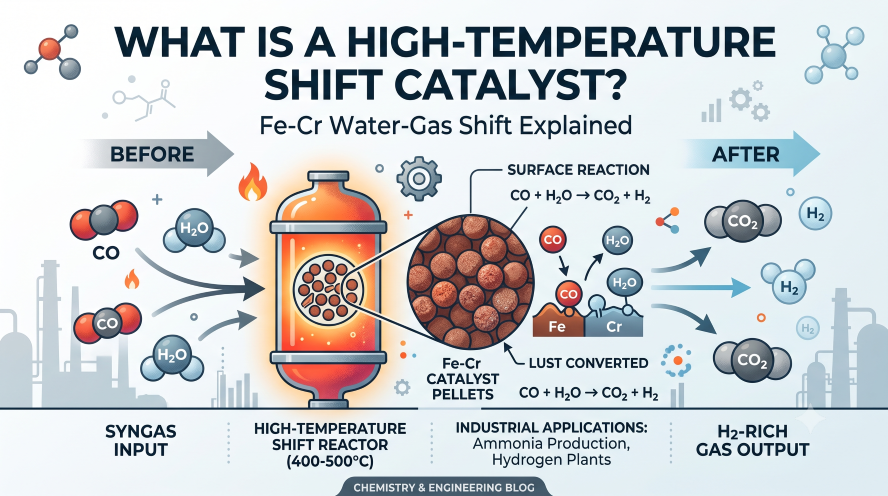
What Is a Low Temperature Shift Catalyst? Cu-Zn-Al CO Polishing Explained
If your plant's high-temperature shift stage is already converting most of the feed-gas CO, why does the process still need a second catalyst bed? This guide explains what a low-temperature shift (LTS) catalyst does, why copper-zinc-aluminum chemistry dominates this stage, and the one vulnerability — sulfur — that every buyer needs to plan around before specifying it. For full specifications, see our Low Temperature Shift Catalyst (Cu-Zn-Al Series) product page.
What Is a Low Temperature Shift Catalyst?
Key Takeaways:
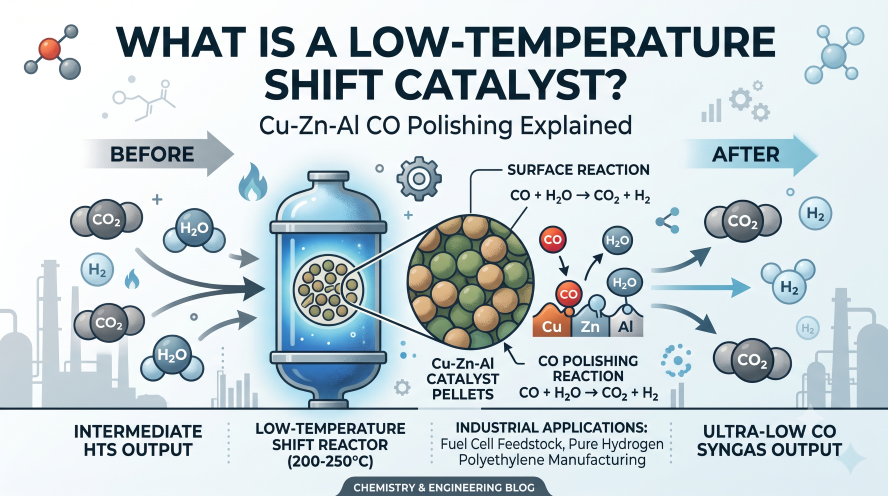
- A low-temperature shift (LTS) catalyst is the second-stage catalyst in a water-gas shift train, operating at 180–250 °C to polish residual CO down to 0.2–0.5% or lower after high-temperature shift conversion.
- Cu-Zn-Al chemistry is used because copper is highly active at low temperature, but it is also extremely sensitive to sulfur — making upstream desulfurization essential, not optional.
An LTS catalyst finishes the job that a high-temperature shift (HTS) catalyst starts. HTS conversion is fast but thermodynamically limited — equilibrium at 300–520 °C simply won't push CO conversion as far as most downstream processes require. Cooling the gas and passing it over a copper-based catalyst at 180–250 °C shifts the equilibrium strongly in favor of further conversion, which is why LTS beds can reach outlet CO levels an order of magnitude lower than HTS alone.
This two-stage approach isn't extra complexity for its own sake — it's the only practical way to combine fast bulk conversion with deep final polishing in one process train.
Why Copper-Zinc-Aluminum Chemistry Dominates This Stage
Metallic copper is the active species in an LTS catalyst, but it doesn't start out that way — the catalyst ships as CuO and is reduced to Cu⁰ during commissioning. Once activated, copper forms nanoscale particles a few nanometers across, and it's this fine dispersion that gives the catalyst its activity: more exposed copper surface means more sites available for the shift reaction.
Zinc oxide isn't just filler. It sits in intimate contact with the copper particles and plays an electronic promotional role — the Cu-ZnO interface is where much of the catalytic action actually happens, with ZnO assisting water activation and helping stabilize copper against sintering. Aluminum oxide, meanwhile, provides the structural scaffold: high surface area, thermal stability, and strong anchoring sites that keep copper particles from migrating and coalescing over years of service. Strip out any one of the three components and the system either loses activity, loses stability, or both.
The Sulfur Vulnerability Every Buyer Should Understand
This is the single most important thing to get right when specifying an LTS catalyst: copper is far less sulfur-tolerant than the iron-chromium chemistry used upstream. Even sub-ppm levels of H₂S reaching this catalyst bed can form copper sulfide, which permanently blocks active sites — there's no practical way to reverse that damage in situ.
That means feed gas desulfurization isn't a nice-to-have ahead of an LTS bed — it's a hard prerequisite. A properly designed shift train pairs the LTS catalyst with adequate upstream desulfurization capacity, typically a hydrodesulfurization catalyst followed by a zinc oxide guard bed, sized to bring sulfur down to sub-ppm levels reliably across the catalyst's whole service life, not just at startup when everything is fresh.
Reading the Early Warning Signs of Deactivation
Two deactivation mechanisms dominate LTS catalyst life: sulfur poisoning, which tends to show up as activity loss concentrated near the inlet of the bed (since sulfur is consumed as it moves through), and thermal sintering, which shows up as a more gradual, uniform activity decline across the whole bed as copper particles coarsen over time. Distinguishing between the two matters for troubleshooting — a sudden, inlet-concentrated activity drop usually points to a desulfurization upset upstream rather than the catalyst simply reaching end of life.
Getting the Most from Your LTS Investment
Because this catalyst is the more sensitive, more expensive half of a two-stage shift system, protecting it is where the real economics live. That means verifying desulfurization performance regularly rather than assuming it's fine, following a controlled temperature-programmed reduction during every activation or reactivation, and avoiding thermal excursions that accelerate sintering. A well-protected LTS bed reaching its full 3–4 year design life is far cheaper than a poorly protected one needing early replacement.
Recommended Products from Sorbsieve
This catalyst is designed to work downstream of our Shift Catalyst (Fe-Cr Series), which handles the bulk of CO conversion before this stage takes over for final polishing. For more on how that first stage works, see What Is a High-Temperature Shift Catalyst?
FAQ
How quickly can sulfur poisoning shut down an LTS bed?
It depends entirely on the sulfur concentration and exposure duration, not on a fixed timeline. A sudden desulfurization system upset can poison the inlet portion of the bed within days, while low-level chronic sulfur slip may take months to produce a noticeable activity decline. Regular sulfur monitoring at the LTS inlet is the only reliable way to catch problems before significant catalyst damage occurs.
Can an LTS catalyst be reactivated after mild sulfur exposure?
Copper sulfide formation from sulfur poisoning is generally considered irreversible under normal process conditions. There is no standard in-situ regeneration procedure that reliably restores activity lost to sulfur poisoning, which is why prevention through robust upstream desulfurization is the only dependable strategy.
What should a plant check before a shift train revamp or catalyst change-out?
Before a change-out, it's worth verifying that upstream desulfurization capacity still matches current feed gas sulfur levels (which can drift over the life of a plant), confirming that HTS-stage outlet CO and temperature match what the new LTS catalyst is designed for, and checking that reactor internals and pressure drop tolerances haven't changed since original design.
Does ambient humidity affect the catalyst before it's loaded?
The unreduced (CuO) form is relatively stable but should still be kept sealed and dry during storage and transport, since prolonged high-humidity exposure can affect surface properties before activation. This is a standard handling precaution rather than an indication of a fragile product.
Looking for Bulk Supply of Low Temperature Shift Catalyst?
Sorbsieve is a trusted bulk supplier of Cu-Zn-Al Low Temperature Shift Catalyst and complete industrial catalysts, serving industrial buyers across the Middle East.
We provide:
- ✅ Container-level supply (20'GP / 40'GP / 40'HQ)
- ✅ Full documentation (COA / TDS / SDS / COO)
- ✅ Multiple packaging options
- ✅ Technical support for shift catalyst selection and system optimization
- ✅ Fast quote response for industrial inquiries
Contact our team for bulk pricing, product samples, and technical consultation.
Related Products
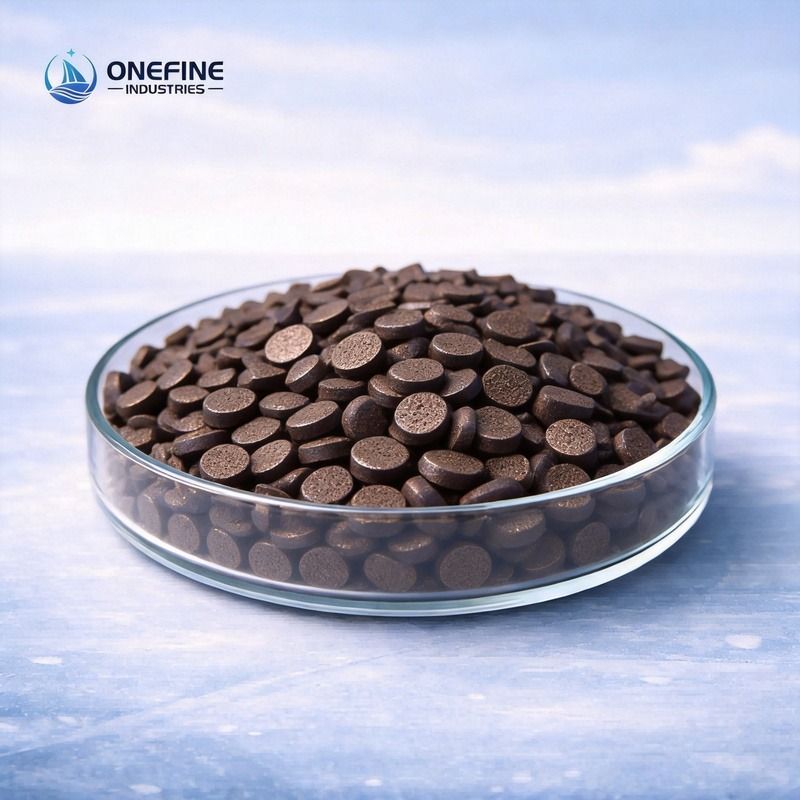
Shift Catalyst (Fe-Cr Series)
Fifth-generation iron-chromium water-gas shift catalyst manufactured via co-precipitation from nitrate precursors, delivering high CO conversion activity, low sulfur content, excellent mechanical strength, and extended service life for hydrogen production, syngas, ammonia synthesis, and methanol synthesis processes.
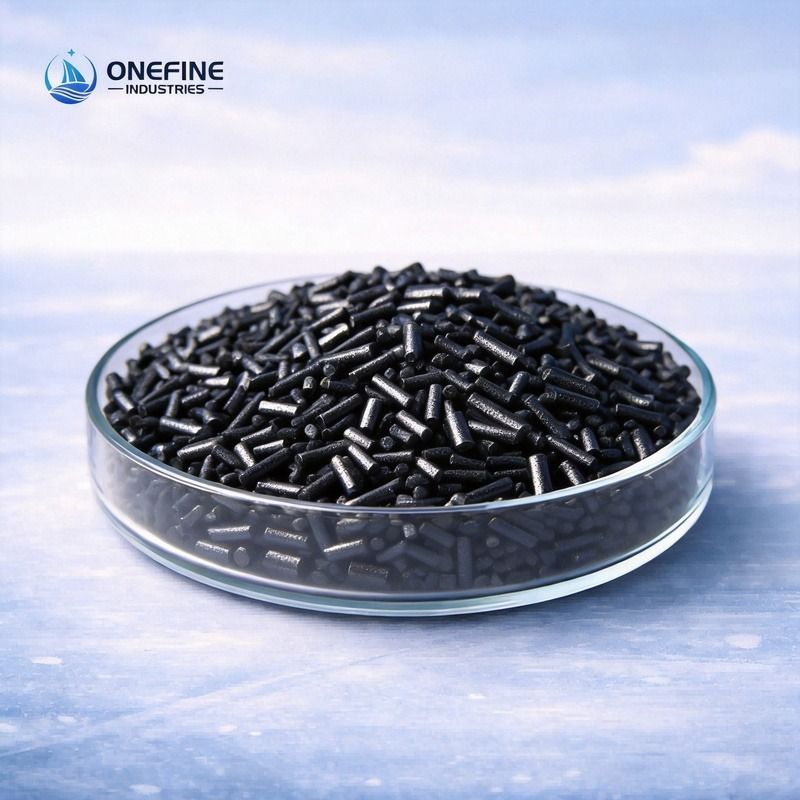
Low Temperature Shift Catalyst (Cu-Zn-Al Series)
Co-precipitation copper-zinc-aluminum low temperature shift (LTS) catalyst delivering exceptional CO conversion at 180–250 °C, with superior low-temperature activity, high mechanical strength, and excellent sulfur tolerance for hydrogen production, syngas, ammonia synthesis, and methanol synthesis processes.