How Do You Know When to Replace Molecular Sieve in an Air Separation Unit (ASU) Pre-Purification Bed?
Key Takeaways
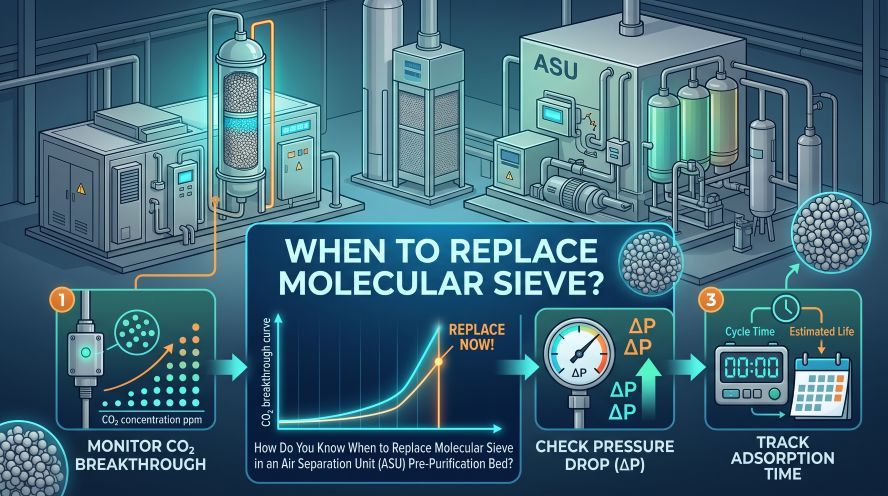
- Rising pressure drop across the pre-purification bed and CO2/moisture breakthrough downstream are the two most reliable signs the molecular sieve needs replacement.
- ASU pre-purification typically uses a layered bed — 13X Molecular Sieve for CO2 and hydrocarbon removal, paired with 4A Molecular Sieve or activated alumina for water removal.
- More frequent regeneration cycles to hit the same dew point is an early warning sign, often appearing before pressure drop becomes obvious.
- Replacement decisions should be based on trending data across several regeneration cycles, not a single reading.
In a cryogenic air separation unit, the pre-purification stage has one job: strip out CO2, water vapor, and trace hydrocarbons from incoming air before it reaches the cold box. If that job starts slipping, the consequences aren't subtle — frozen exchangers, plugged distillation columns, and unplanned shutdowns. The molecular sieve doing that work doesn't fail all at once, though. It degrades gradually, and the plant usually gives you warning signs long before a full breakthrough event. This guide walks through what those signs look like, what's actually happening inside the bed, and how to tell whether you're looking at normal aging or a bed that genuinely needs replacing.
Why Pre-Purification Matters in an Air Separation Unit
Cryogenic distillation only works if the incoming air is essentially free of CO2 and moisture. Both freeze solid at the temperatures inside the cold box, and once they do, they don't just reduce efficiency — they physically block flow passages in heat exchangers and can force an emergency shutdown for de-icing. The pre-purification bed is the line of defense that prevents this, and it's typically built as a two-stage or layered adsorbent system: an upstream layer (commonly 13X Molecular Sieve ) targeting CO2 and light hydrocarbons, backed by a water-selective layer such as 4A Molecular Sieve or activated alumina.
Because this system runs on a continuous temperature or pressure swing cycle — adsorbing during the production phase, then regenerating with a hot purge gas — the adsorbent is under constant thermal and mechanical stress. Over years of operation, that stress adds up.
Warning Signs That Your Pre-Purification Bed Needs Attention
A handful of operating trends tend to show up well before an actual breakthrough event:
- Rising differential pressure across the bed. A gradual upward trend, measured cycle over cycle, usually points to adsorbent fines, dust accumulation, or bed compaction rather than a sudden event.
- CO2 or moisture creeping into the purified air stream. Even trace increases at the pre-purification outlet are worth tracking closely, since cryogenic sections have essentially no tolerance for either.
- Regeneration taking longer to reach the same dew point. If your regeneration cycle used to reliably hit spec and now needs extra time or a higher purge gas volume to get there, the adsorbent's working capacity has likely dropped.
- More frequent cycling than the original design basis. Needing to regenerate ahead of schedule to stay within safe limits is a practical sign that the effective adsorption capacity per cycle has shrunk.
- Visible fines or dust in downstream filters during turnarounds. This points to physical attrition of the sieve beads from repeated thermal and pressure cycling.
No single reading tells the whole story — what matters is the trend across multiple cycles.
What's Actually Happening Inside the Bed
Molecular sieve doesn't lose capacity for just one reason. A few mechanisms are usually at play together:
- Thermal cycling fatigue. Every regeneration heats and cools the beads, and over thousands of cycles this gradually reduces the crystal structure's adsorption capacity.
- Incomplete regeneration. If purge temperature, flow, or duration drifts even slightly below design conditions over time, residual CO2 or water is never fully driven off, and the bed's effective capacity shrinks cycle after cycle.
- Hydrocarbon or oil fouling. Compressor lubricant carryover or heavier hydrocarbons in the feed air can coat active sites, particularly on the 13X layer, blocking pores that would otherwise adsorb CO2.
- Physical attrition. Repeated pressure and thermal swings cause bead-to-bead friction, generating fines that both reduce usable adsorption sites and raise bed pressure drop.
How the Layered Bed Affects Replacement Timing
Because ASU pre-purification typically layers two different adsorbents, they don't necessarily age at the same rate. The CO2/hydrocarbon removal layer often sees the heavier duty in regions with higher ambient CO2 levels or where feed air carries more hydrocarbon contamination, so it can approach end-of-life sooner than the water-removal layer beneath it. This is one reason plants sometimes replace layers separately rather than dumping and reloading the entire bed at once — though that decision depends on vessel design, and should be confirmed with your equipment OEM or engineering team rather than assumed.
What to Check Before You Decide to Replace
Before committing to a full changeout, it's worth confirming a few things:
- ✅ Review dew point and CO2 trend data over the last several regeneration cycles, not just the most recent one
- ✅ Compare current pressure drop against the bed's original clean baseline
- ✅ Confirm regeneration heater, purge flow, and cycle timing are still operating at design conditions — a control or instrumentation issue can look identical to adsorbent aging
- ✅ Check for known upstream contamination events (compressor oil carryover, unusual feed air conditions) that might explain localized fouling rather than general end-of-life
If the trends point to genuine capacity loss after ruling out operational causes, replacement — rather than continued monitoring — is usually the safer call for a system where failure means an unplanned cold box shutdown.
For real-world examples of how 13X and 4A molecular sieve are sized and operated in air separation systems, see our application cases on molecular sieve for oxygen generation and molecular sieve for CO2 removal in air separation .
Recommended Products from Sorbsieve
- 13X Molecular Sieve — the standard CO2/hydrocarbon-removal layer in ASU pre-purification systems.
- 4A Molecular Sieve — the water-selective layer commonly paired with 13X in layered pre-purification beds.
FAQ
How often does molecular sieve in an ASU pre-purification bed need to be replaced?
Service life depends heavily on feed air quality, ambient CO2 levels, and how consistently the regeneration cycle hits design conditions, so there's no single fixed interval. Tracking the trend indicators above across your own operating history is more reliable than relying on a generic timeframe.
Can the CO2-removal and water-removal layers be replaced separately?
In many layered-bed designs, yes — but this depends on the vessel's internal configuration and support structure. Confirm with your equipment OEM or engineering team before planning a partial changeout.
What usually causes early breakthrough in an ASU pre-purification bed?
The most common causes are incomplete regeneration (purge temperature, flow, or duration drifting below design conditions), hydrocarbon or oil fouling from upstream compressors, and physical attrition producing fines that create channeling through the bed.
Is activated alumina or 4A Molecular Sieve used for the water-removal layer?
Both are used across the industry, and the choice usually comes down to plant-specific design history and regeneration conditions. Either way, the layer's job is the same: strip water ahead of, or alongside, CO2 removal before air reaches the cold box.
Looking for Bulk Supply of Molecular Sieve for Air Separation Pre-Purification?
Sorbsieve is a trusted bulk supplier of molecular sieve and complete industrial adsorbents, serving industrial buyers across the Middle East.
We provide:
- ✅ Container-level supply (20'GP / 40'GP / 40'HQ)
- ✅ Full documentation (COA / TDS / SDS / COO)
- ✅ Multiple packaging options
- ✅ Technical support for molecular sieve selection and pre-purification system optimization
- ✅ Fast quote response for industrial inquiries
Contact our team for bulk pricing, product samples, and technical consultation.
Related Products
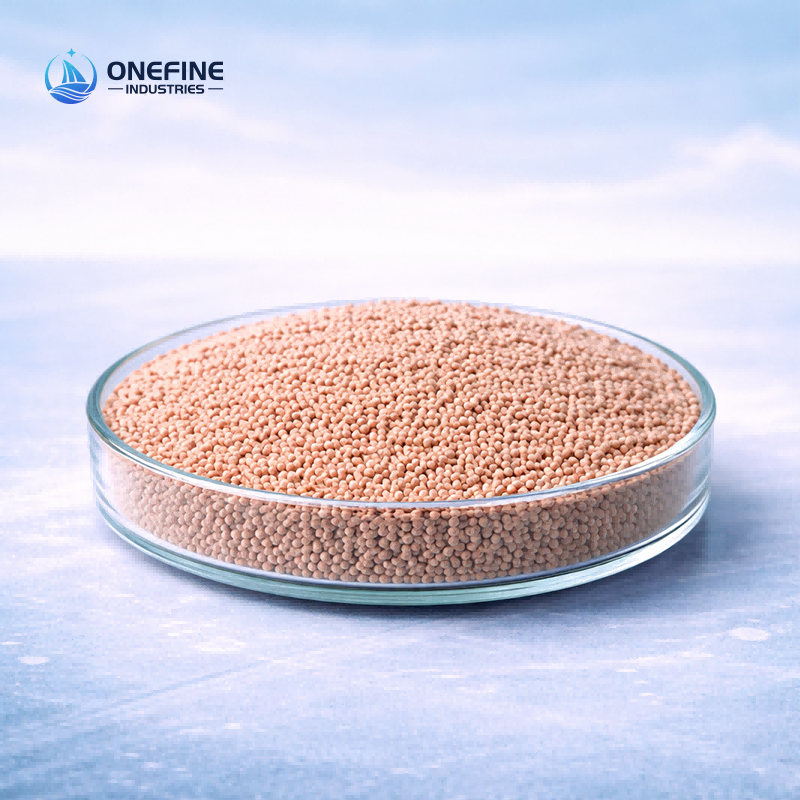
4A Molecular Sieve
General-purpose 4A molecular sieve desiccant for industrial air drying, solvent dehydration, CO2 removal, and static packaging applications. High capacity, long service life.
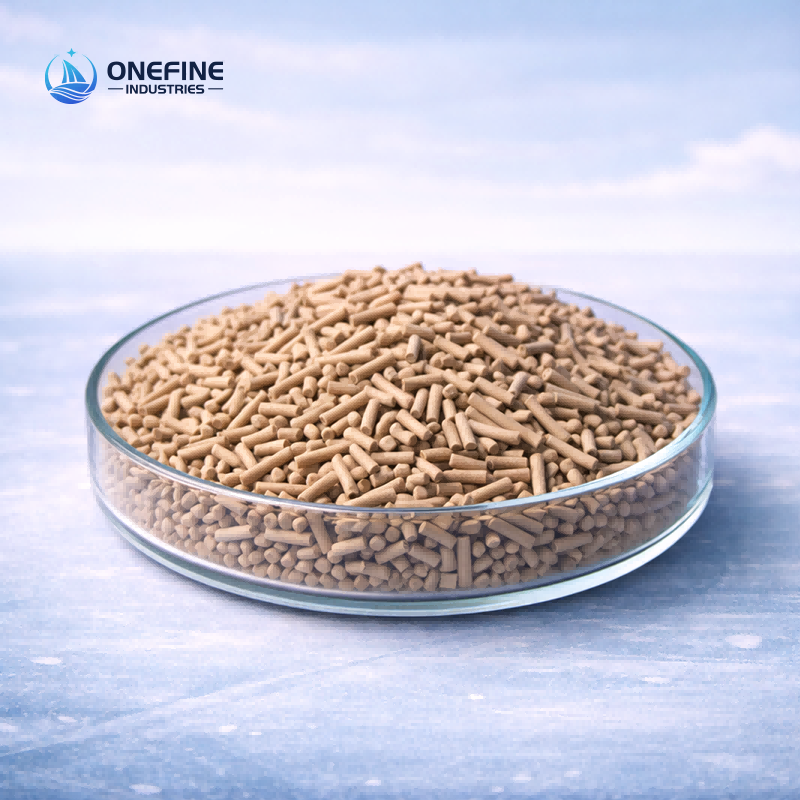
13X Molecular Sieve (Sodium X Type)
Sodium-type 13X molecular sieve with 10Å pore size for air separation pre-purification, natural gas sweetening, solvent recovery, and industrial gas drying. High adsorption capacity, industrial-grade performance.
Related Applications
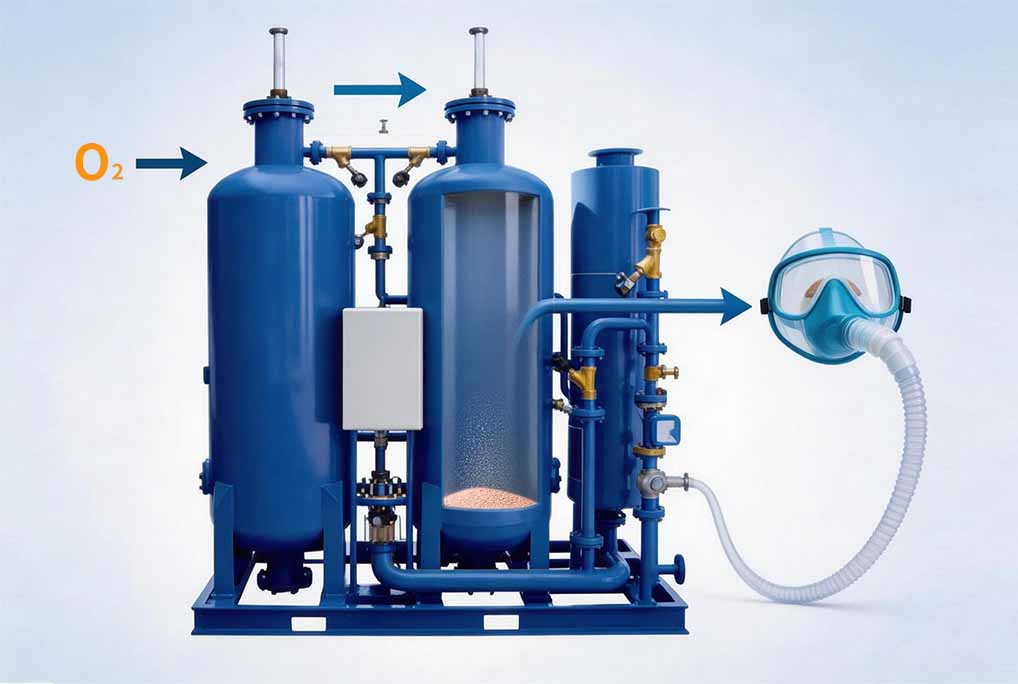
Molecular Sieve for Oxygen Generation: Applications in PSA Oxygen Plants, Oxygen Concentrators, and Industrial Air Separation
Molecular sieve enables oxygen production across industrial PSA plants, compact concentrators, and cryogenic air separation pre-purification. This case covers three distinct application roles and the sieve types suited to each.
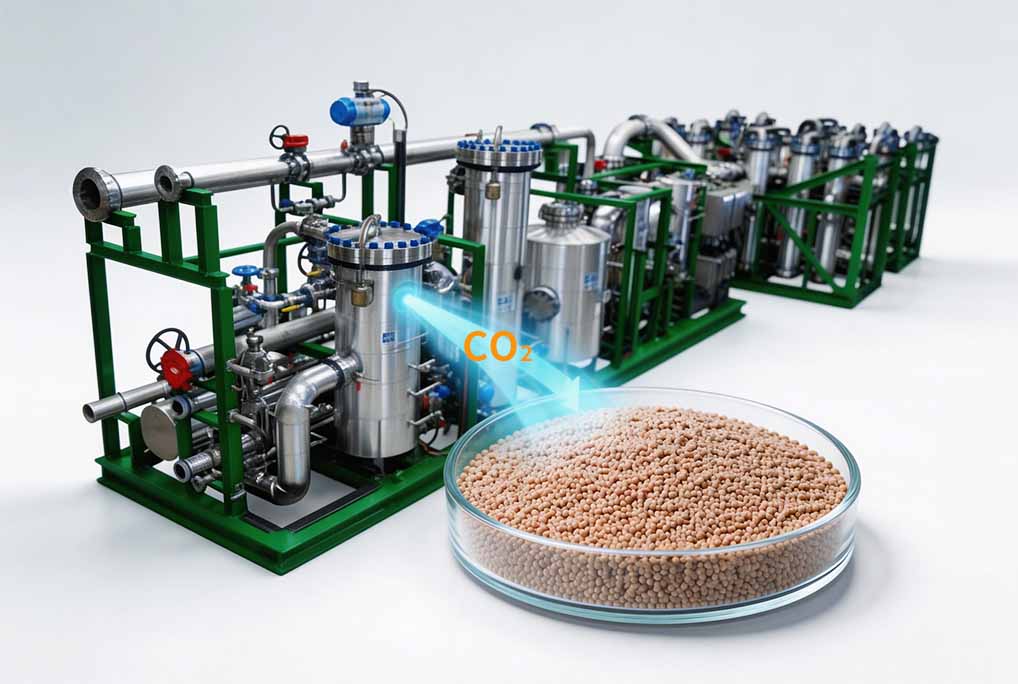
Molecular Sieve for CO2 Removal: Applications in Air Separation, Natural Gas Processing, and Biogas Upgrading
Molecular sieve enables CO2 removal across air separation, natural gas, and biogas systems, plus CO2 gas drying for liquefaction and food-grade use. This case focuses on biogas upgrading and CO2 drying — two applications not covered in our other case analyses.
Related Reading
What is 13X Molecular Sieve? Uses, Specifications & How It Works
Everything you need to know about 13X molecular sieves: how they work, key properties, common applications in air separation pre-purification, natural gas sweetening, solvent recovery and industrial gas drying, plus regeneration methods and comparison with other sieve types.
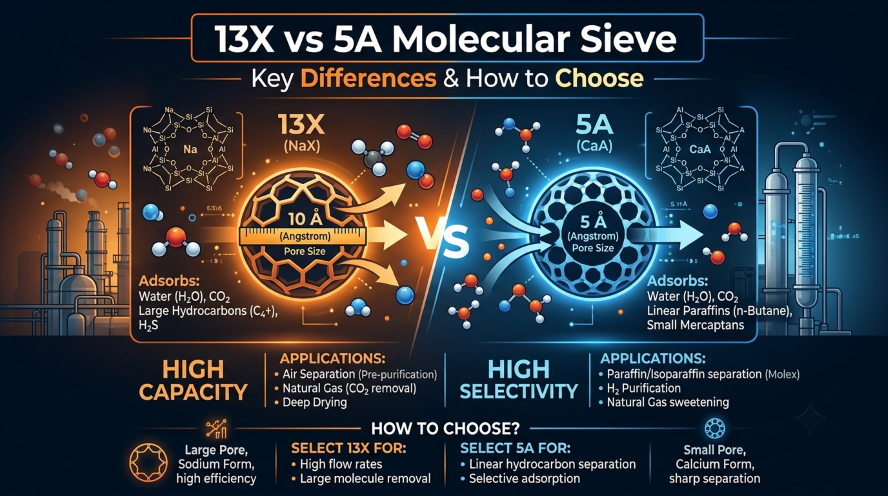
13X vs 5A Molecular Sieve: Key Differences & How to Choose
13X and 5A molecular sieve look similar on paper, but they're built for very different jobs. This guide breaks down the real differences — pore size, selectivity, and application — so you can pick the right one for your system.