How Do You Know When to Replace a Deeply Refined Catalyst?
Key Takeaways
- The most direct replacement signal is chemical breakthrough, where sulfur, chlorine, arsenic, or oxygen appears downstream above specifications.
- A drop in the downstream copper-based synthesis catalyst's activity or selectivity is a clear but lagging indicator of guard bed exhaustion.
- A steadily climbing pressure drop across the bed points to dust accumulation or channeling, justifying replacement even without chemical breakthrough.
- Because saturated Deeply Refined Catalysts often look unchanged, tracking cumulative throughput against known capacity is more reliable than visual inspection.
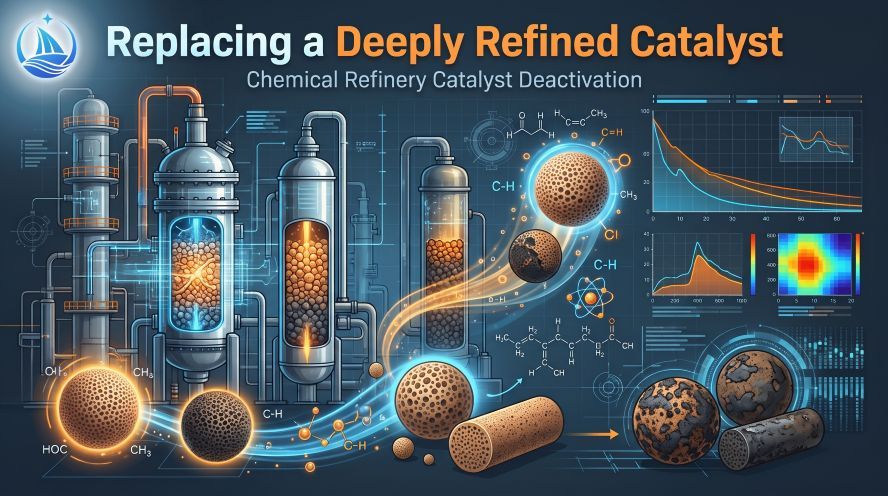
A Deeply Refined Catalyst works as a final-stage guard bed, handling sulfur, chlorine, arsenic, and trace oxygen removal in a single vessel before the gas stream reaches sensitive downstream synthesis catalysts, including systems protected by an arsenic removal guard bed. If you're newer to how this four-in-one chemistry works, see deeply refined catalyst basics for background before reading the signals below. Because it's doing four jobs at once, its end-of-life signs aren't always as obvious as a single-function adsorbent reaching saturation. Operators often rely on downstream catalyst performance as the first warning sign — by the time that shows up, the guard bed has usually been running past its effective window for a while. This guide covers the practical signals that point to replacement rather than continued service.
Breakthrough of the Target Contaminants
The most direct signal is breakthrough — when sulfur, chlorine, arsenic, or oxygen starts showing up downstream of the guard bed at levels above your process specification. In general guard bed practice, this is tracked with periodic gas sampling or an online analyzer at the outlet, rather than waiting for a visible change in the catalyst itself. Because a Deeply Refined Catalyst product page describes a material removing four different impurity types at once, breakthrough doesn't always happen for all four simultaneously — whichever contaminant is most concentrated in your specific feed gas will typically exhaust its active sites first, so monitoring should track whichever one dominates your process stream, not assume uniform depletion.
Declining Performance of the Protected Synthesis Catalyst
Since this guard bed sits immediately upstream of copper-based synthesis catalysts, a drop in that downstream catalyst's activity or selectivity is one of the clearest indirect signs the guard bed has reached its limit. Sulfur and chlorine poisoning of copper-based catalysts is generally irreversible, so this is a lagging indicator you want to avoid relying on as your primary trigger — by the time downstream activity drops, some permanent damage has likely already occurred. It's a useful confirmation signal, not a replacement schedule.
Rising Pressure Drop Across the Bed
Pressure drop increase across the guard bed vessel is a separate, physical signal from chemical breakthrough — it points to dust accumulation, fines generation, or channeling rather than active-site exhaustion. Monitoring inlet and outlet pressure at regular intervals (and comparing against the bed's baseline when fresh) is standard guard bed practice. A steadily climbing pressure drop, even without confirmed breakthrough, is a sign the physical structure of the catalyst bed needs attention and may justify replacement on its own.
Capacity Exhaustion Doesn't Mean Visible Change
Unlike some catalysts that show obvious color change or physical breakdown, a saturated Deeply Refined Catalyst can look largely unchanged. This is why relying on visual inspection alone is risky — the standard approach in guard bed operation is tracking cumulative throughput against known capacity, combined with periodic outlet sampling, rather than waiting for a visible cue.
A Narrower Alternative Worth Knowing About
Not every application needs this four-in-one combination. Some buyers use a narrower, single-function CuO/Al₂O₃ bed instead — see ammonia refining catalyst basics for the composite metal oxide alternative that fits feed gas with higher moisture tolerance requirements. Which one you need comes down to whether your feed gas has multiple contaminant types to remove at once or just one.
Recommended Products from Sorbsieve
- Deeply Refined Catalyst
- Desulfurization and Arsenic Removal Catalyst
- Ammonia Refining Desulfurization Catalyst
FAQ
Q1: How often should a Deeply Refined Catalyst guard bed be replaced? Replacement frequency depends on feed gas contaminant loading, flow rate, and bed sizing — there's no fixed universal interval. Tracking cumulative throughput against your process's specific capacity data, alongside outlet monitoring, is the reliable way to anticipate the right window.
Q2: Can a Deeply Refined Catalyst be regenerated instead of replaced? This is generally managed on a replacement basis once the guard bed reaches its effective capacity, given the combination of sulfur, chlorine, arsenic, and oxygen species it's handling simultaneously. For specifics on your operating conditions, our technical team can advise during the selection and planning stage.
Q3: What happens if the guard bed isn't replaced in time? The main risk is breakthrough of sulfur, chlorine, or arsenic to the downstream synthesis catalyst, which can cause irreversible poisoning. See our purification stage comparison for how this relates to narrower single-function guard beds, and our guard bed application case for a real-world example of this protection role in a syngas purification train.
Q4: Does feed gas composition affect how fast this catalyst needs replacing? Yes — because this is a four-in-one guard bed, a feed stream higher in one contaminant (say, chlorine) than another will exhaust that function's active sites faster, even if overall throughput looks moderate. Understanding your feed gas profile helps anticipate which signal to watch most closely.
Looking for Bulk Supply of Deeply Refined Catalyst?
Sorbsieve is a trusted bulk supplier of Deeply Refined Catalyst and complete industrial adsorbents, serving industrial buyers across the Middle East.
We provide:
- ✅ Container-level supply (20'GP / 40'GP / 40'HQ)
- ✅ Full documentation (COA / TDS / SDS / COO)
- ✅ Multiple packaging options
- ✅ Technical support for guard bed catalyst selection and system optimization
- ✅ Fast quote response for industrial inquiries
Contact our team for bulk pricing, product samples, and technical consultation.
Related Products
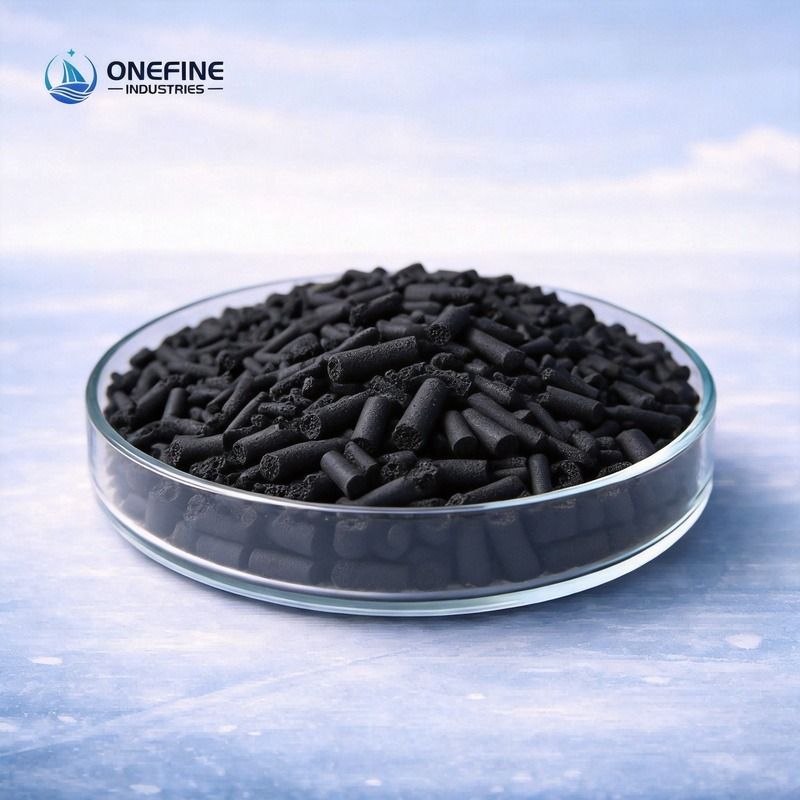
Deeply Refined Catalyst
A high-performance deeply refined catalyst based on copper oxide and zinc oxide active components, designed for deep purification of liquid hydrocarbons and synthesis gas. Achieves total sulfur removal down to ≤ 20 ppb through efficient desulfurization, dearsenication, dephosphorization, and deoxygenation. Features high mechanical strength, stable operation, and excellent low-temperature activity.
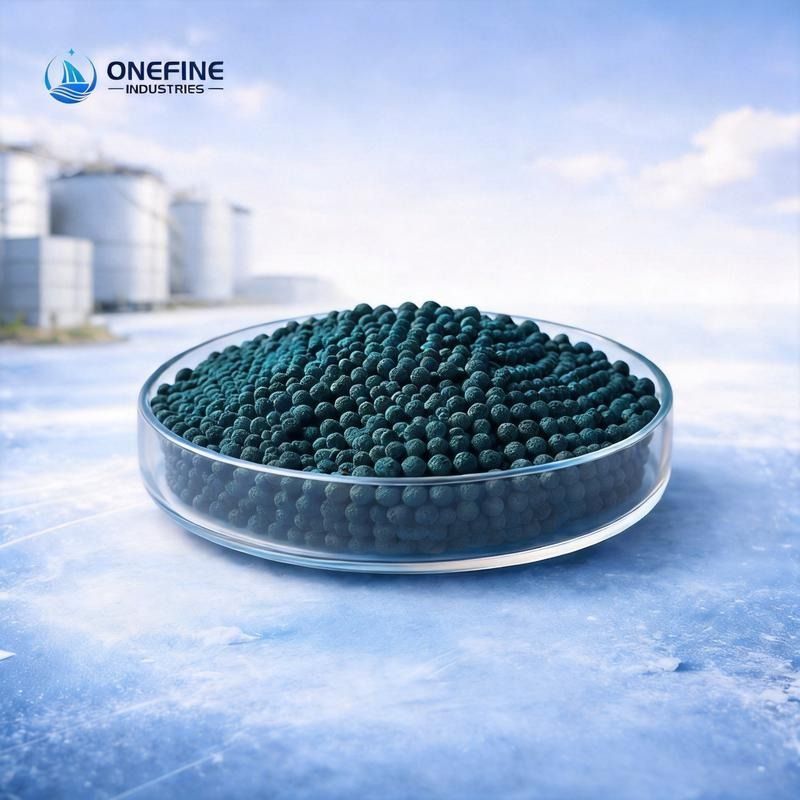
Desulfurization and arsenic removal catalyst
High-performance CuO/Al₂O₃-based desulfurization and arsenic removal catalyst, engineered for the ultra-deep removal of sulfur compounds and volatile arsenides to protect downstream noble metal catalysts. Available in bulk from 1 ton MOQ for Middle East industrial buyers.
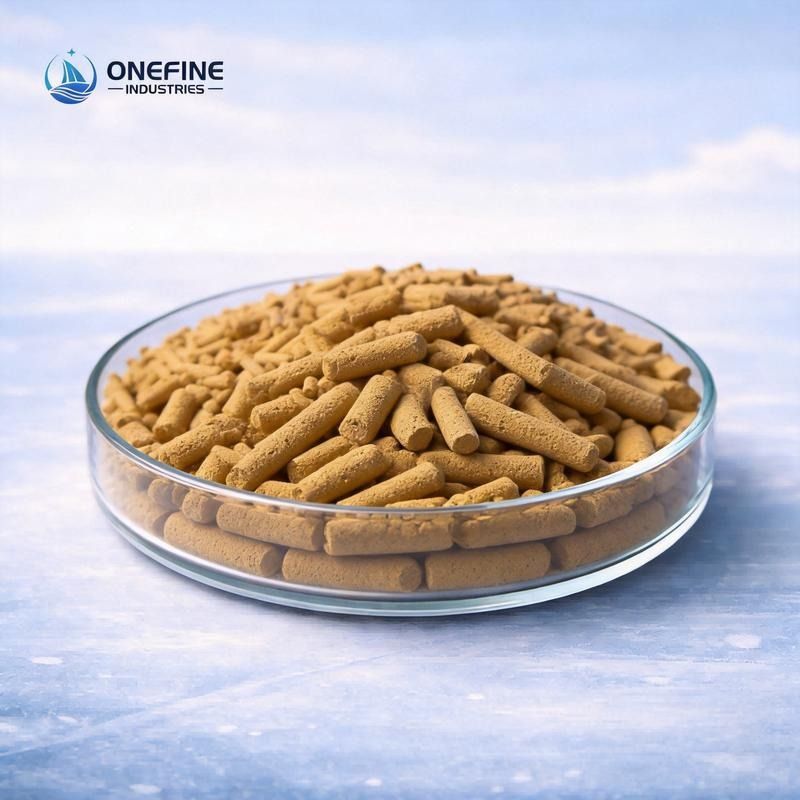
Ammonia refining desulfurization catalyst
A composite metal oxide-based desulfurization catalyst with multiple promoters, designed for H₂S removal in ammonia refining units of sour water strippers at refineries. Reduces H₂S to below 0.5 mg/m³ under low-temperature conditions. Also removes HCl and organic sulfur impurities. Exceptional water resistance.
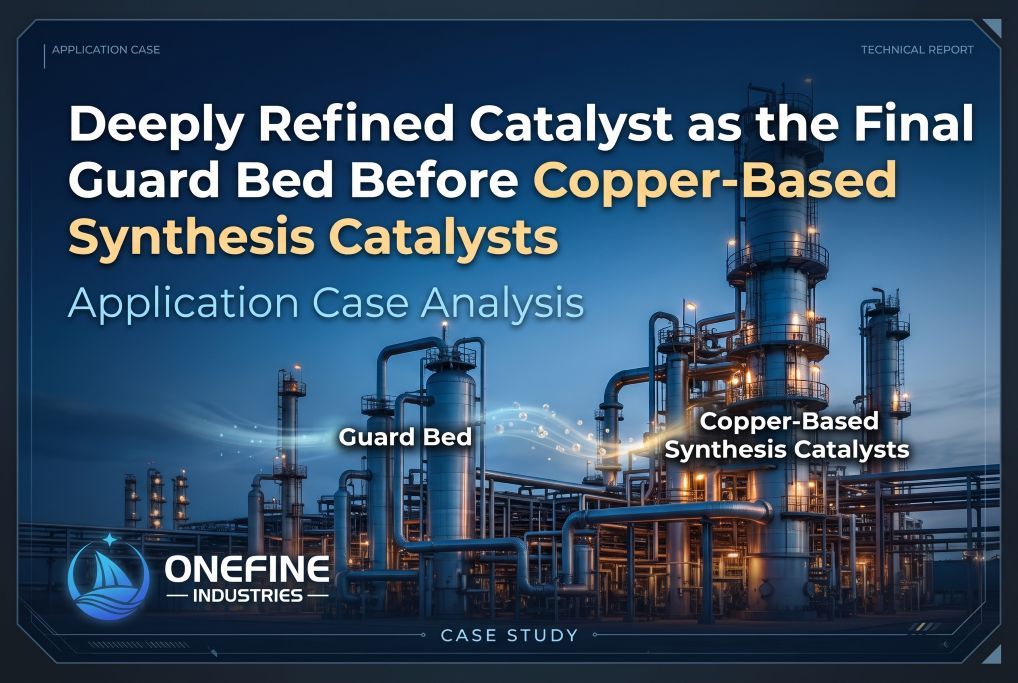
Related Reading
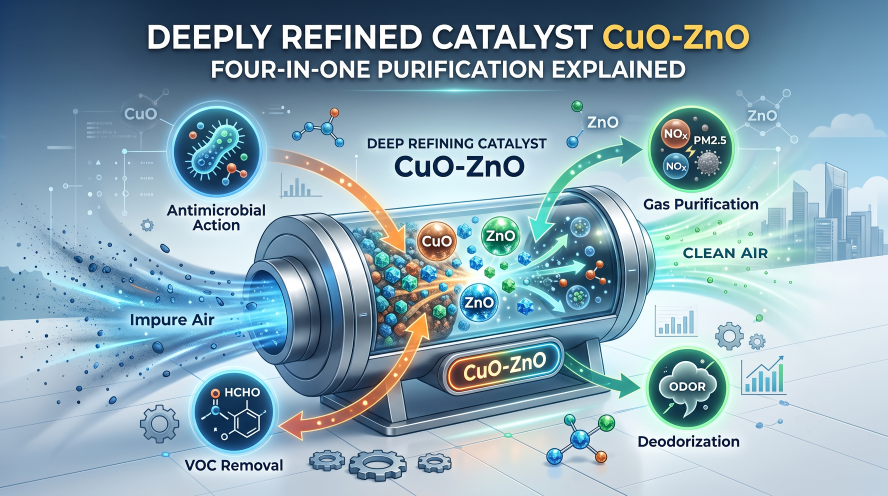
What Is a Deeply Refined Catalyst? CuO-ZnO Four-in-One Purification Explained
Not sure whether you need a dedicated desulfurization catalyst or a broader four-in-one guard bed? This guide explains how a CuO-ZnO deeply refined catalyst works and when it's the right choice for liquid hydrocarbon and synthesis gas purification.
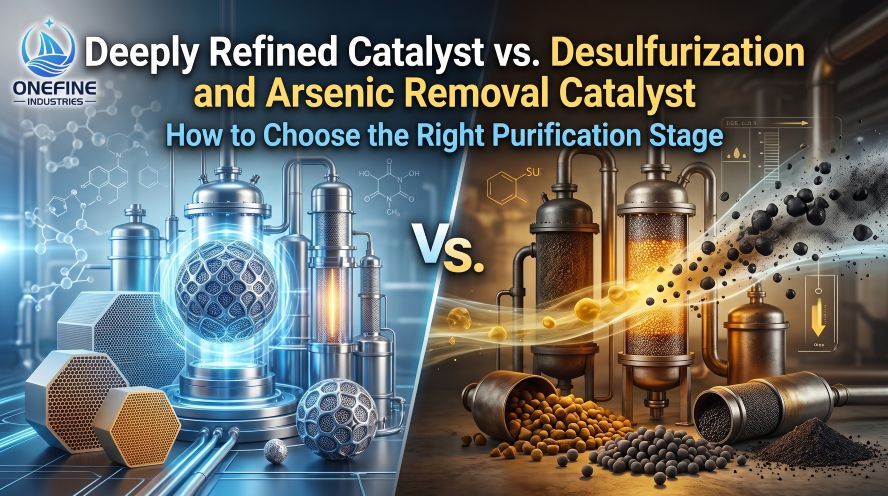
Deeply Refined Catalyst vs Desulfurization and Arsenic Removal Catalyst: How to Choose the Right Purification Stage
Deeply Refined Catalyst and Desulfurization and Arsenic Removal Catalyst both use copper oxide against sulfur and arsenic — but they serve different stages of the purification train. Here's how to choose.