Deeply Refined Catalyst vs Desulfurization and Arsenic Removal Catalyst: How to Choose the Right Purification Stage
Key Takeaways
- The Desulfurization and Arsenic Removal Catalyst (CuO/Al₂O₃) functions as an upstream guard bed designed to strip bulk poisons before they reach sensitive downstream catalysts.
- The Deeply Refined Catalyst (CuO-ZnO) is a multi-contaminant polishing bed positioned later in the train to bring residual impurities down to trace levels.
- While both utilize copper oxide's affinity for sulfur and arsenic, they handle different inlet contaminant loadings and are optimized for different bed positions.
- Many purification trains use both catalysts in sequence, allowing the guard bed to take the brunt of the load while the deep purification stage finishes the job.
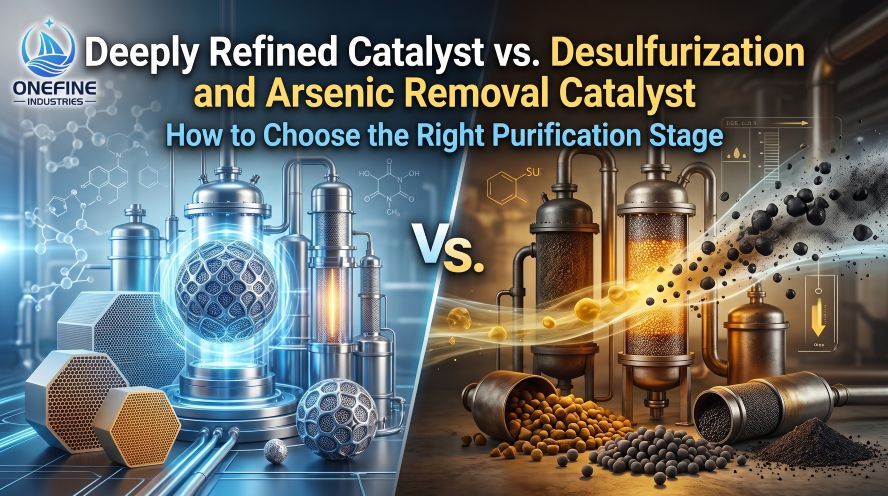
Industrial gas purification trains rarely rely on a single catalyst bed to do everything. When sulfur compounds and arsenic are both present in a feed stream, two very different copper-based catalysts often get confused for one another: the Deeply Refined Catalyst and the Desulfurization and Arsenic Removal Catalyst. Both remove sulfur and arsenic, both use copper oxide as an active component, and both protect downstream catalysts from poisoning. But they are built for different jobs in the purification train. This guide breaks down the real differences in composition, function scope, and process positioning so you can match the right catalyst to the right stage.
What Each Catalyst Is Built For
The Desulfurization and Arsenic Removal Catalyst is a CuO/Al₂O₃ system with a focused scope: removing hydrogen sulfide and arsenic compounds from a hydrocarbon or natural gas stream. It is formulated as a guard bed catalyst — its job is to strip these two specific poisons before the stream reaches a more sensitive downstream catalyst, most commonly a palladium-based hydrogenation catalyst.
The Deeply Refined Catalyst is also a copper-based system, built on a CuO-ZnO formulation, but with a broader purification scope. It is positioned as a multi-contaminant deep purification catalyst, typically used in the final polishing stage of a purification train — where the gas needs to be brought down to very low impurity levels before it reaches the most sensitive catalysts in the process, such as copper-based synthesis catalysts further downstream. The exact contaminant coverage beyond sulfur and arsenic depends on the specific application and feed composition; if you're specifying this catalyst for a particular stream, confirm the full contaminant scope with our technical team for your feedstock.
For the fundamentals of each catalyst on its own, see our deeply refined catalyst basics and arsenic removal catalyst basics guides.
Where Each One Sits in Your Purification Train
Positioning is the clearest way to tell these two apart.
Desulfurization and Arsenic Removal Catalyst — upstream guard bed:
- Placed early in the purification sequence, close to the feed
- Protects palladium and other noble-metal catalysts from bulk-level H₂S and arsenic poisoning
- Designed to handle higher inlet contaminant loading than a final polishing bed
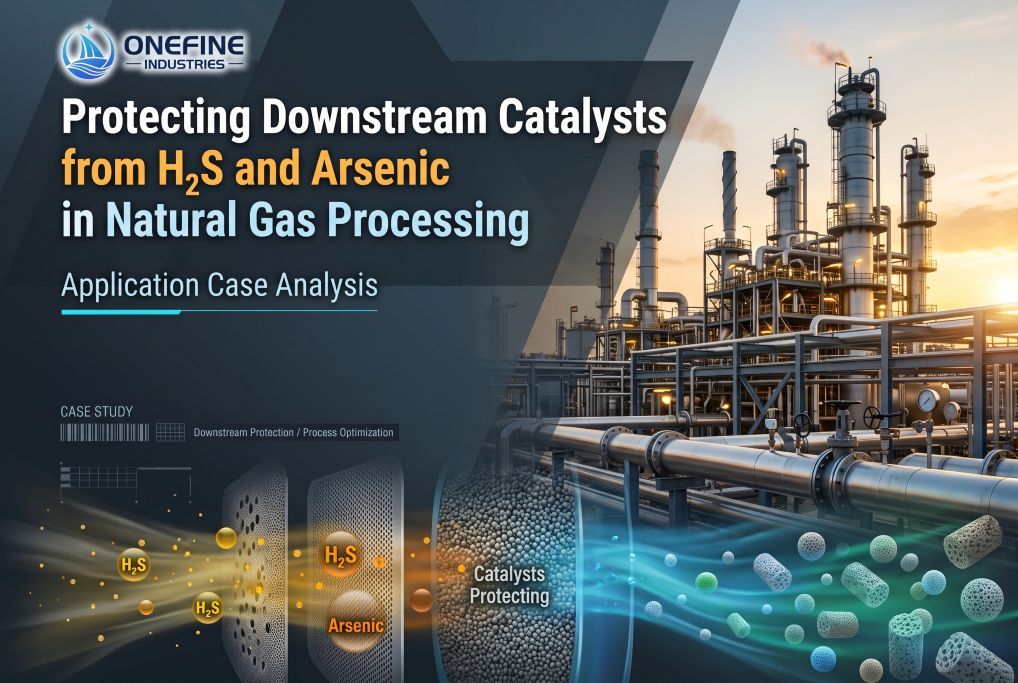
- A real-world example: natural gas processing trains use this catalyst ahead of palladium hydrogenation catalysts specifically to prevent arsenic and sulfur poisoning of the more expensive noble-metal bed — see our guard bed application case for a full walkthrough
Deeply Refined Catalyst — deep polishing stage:
- Placed later in the train, after bulk contaminants have already been reduced
- Brings residual impurities down to trace levels before highly sensitive synthesis catalysts
- Designed to operate on a cleaner, lower-contaminant feed than a guard bed would see
- Functions as the last line of defense rather than the first
Think of it as coarse-to-fine filtering: the guard bed catalyst takes the brunt of the contaminant load, and the deep purification catalyst finishes the job on what's left.
Composition and Mechanism Differences
Both catalysts rely on copper oxide's affinity for sulfur and arsenic species, but the supporting chemistry differs.
CuO/Al₂O₃ (Desulfurization and Arsenic Removal Catalyst):
- Alumina provides a high-surface-area, mechanically robust support suited to absorbing larger contaminant loads
- Copper oxide reacts with H₂S and arsenic compounds through chemisorption, converting them into stable solid-phase compounds retained within the catalyst bed
- The alumina support is well suited to the higher throughput and higher contaminant concentrations typical of an upstream guard bed
CuO-ZnO (Deeply Refined Catalyst):
- Zinc oxide is itself an effective sulfur chemisorbent, complementing copper oxide's activity and extending the catalyst's effective contaminant range
- The CuO-ZnO combination is a well-established pairing in deep gas purification chemistry, commonly used where a single bed needs to handle more than one contaminant type at trace concentrations
- Better suited to polishing duty than to bulk contaminant removal
Neither composition is "better" in the abstract — they are optimized for different positions in the process.
Which One Does Your System Need?
The decision generally comes down to where the contaminant removal needs to happen and what's downstream of it. If you're weighing this against the full lineup of desulfurization catalysts rather than just these two, our desulfurization catalyst selection guide covers all seven options side by side.
Choose the Desulfurization and Arsenic Removal Catalyst when:
- You need a guard bed upstream of a palladium or other noble-metal catalyst
- Inlet H₂S and arsenic levels are relatively high and need bulk reduction
- You're protecting a specific downstream catalyst from poisoning, not polishing the final product stream
Choose the Deeply Refined Catalyst when:
- Your process requires a final deep-purification stage before highly sensitive synthesis catalysts
- Bulk contaminants have already been reduced by an earlier guard bed, and you need to push residual impurities lower
- Your application calls for multi-contaminant coverage in a single polishing bed rather than a single-purpose bed
When You Might Need Both
Many purification trains use both catalysts in sequence rather than choosing one over the other — the guard bed handles bulk removal and protects the mid-train catalysts, while the deep purification stage finishes the job before the most sensitive equipment downstream. If your process has multiple catalyst beds with different sensitivity levels, a two-stage approach is often the more robust design than trying to get one catalyst to do both jobs.
Recommended Products from Sorbsieve
- Deeply Refined Catalyst — CuO-ZnO deep purification catalyst for final-stage polishing (already linked above)
- Desulfurization and Arsenic Removal Catalyst — CuO/Al₂O₃ guard bed catalyst for upstream H₂S and arsenic protection (already linked above)
- Ultra-Precision Desulfurization Catalyst — bifunctional option for COS hydrolysis plus deep desulfurization in a single bed
FAQ
Can the Deeply Refined Catalyst replace a dedicated guard bed? Generally no — it's designed for polishing duty on a feed that has already had bulk contaminants reduced, not for absorbing high inlet loading. Running it as a first-line guard bed typically shortens its service life faster than intended.
Does the Desulfurization and Arsenic Removal Catalyst need a deep purification stage after it? It depends on what's downstream. If the next catalyst in the train is tolerant of trace-level residual sulfur and arsenic, a single guard bed stage may be sufficient. If a highly sensitive synthesis catalyst follows, a deep purification stage is usually added.
Are these catalysts regenerable or single-use? Both are chemisorption-type catalysts, meaning spent capacity is typically addressed through replacement rather than on-site regeneration. Confirm the replacement interval expectations for your specific feed conditions with our technical team.
Can both catalysts be loaded in the same vessel? They're typically loaded as separate beds — either in sequential vessels or as stacked beds within the same vessel — rather than mixed together, since each is optimized for a different contaminant loading range.
Looking for Bulk Supply of Deep Purification and Guard Bed Catalysts?
Sorbsieve is a trusted bulk supplier of Deeply Refined Catalyst, Desulfurization and Arsenic Removal Catalyst, and complete industrial adsorbents, serving industrial buyers across the Middle East.
We provide:
- ✅ Container-level supply (20'GP / 40'GP / 40'HQ)
- ✅ Full documentation (COA / TDS / SDS / COO)
- ✅ Multiple packaging options
- ✅ Technical support for catalyst selection and purification train design
- ✅ Fast quote response for industrial inquiries
Contact our team for bulk pricing, product samples, and technical consultation.
Related Products
Deeply Refined Catalyst
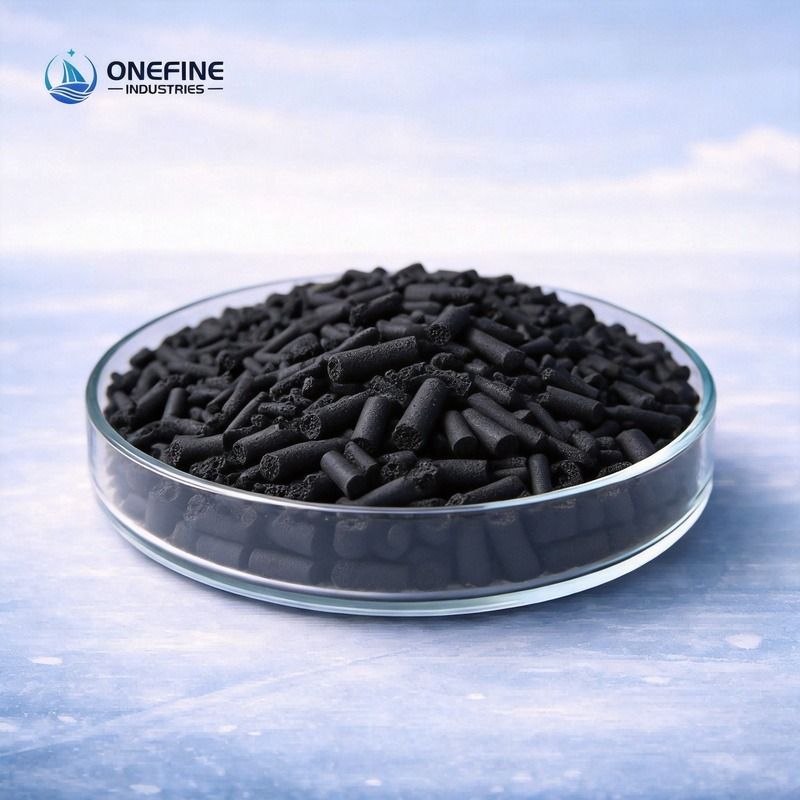
A high-performance deeply refined catalyst based on copper oxide and zinc oxide active components, designed for deep purification of liquid hydrocarbons and synthesis gas. Achieves total sulfur removal down to ≤ 20 ppb through efficient desulfurization, dearsenication, dephosphorization, and deoxygenation. Features high mechanical strength, stable operation, and excellent low-temperature activity.
Desulfurization and arsenic removal catalyst
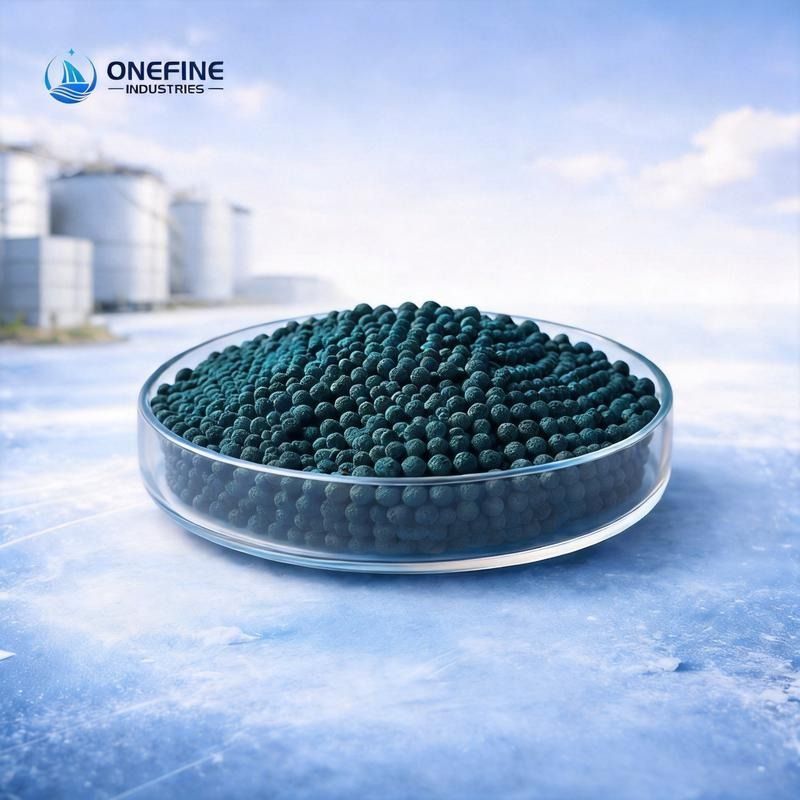
High-performance CuO/Al₂O₃-based desulfurization and arsenic removal catalyst, engineered for the ultra-deep removal of sulfur compounds and volatile arsenides to protect downstream noble metal catalysts. Available in bulk from 1 ton MOQ for Middle East industrial buyers.
Ultra-precision Desulfurization Catalyst
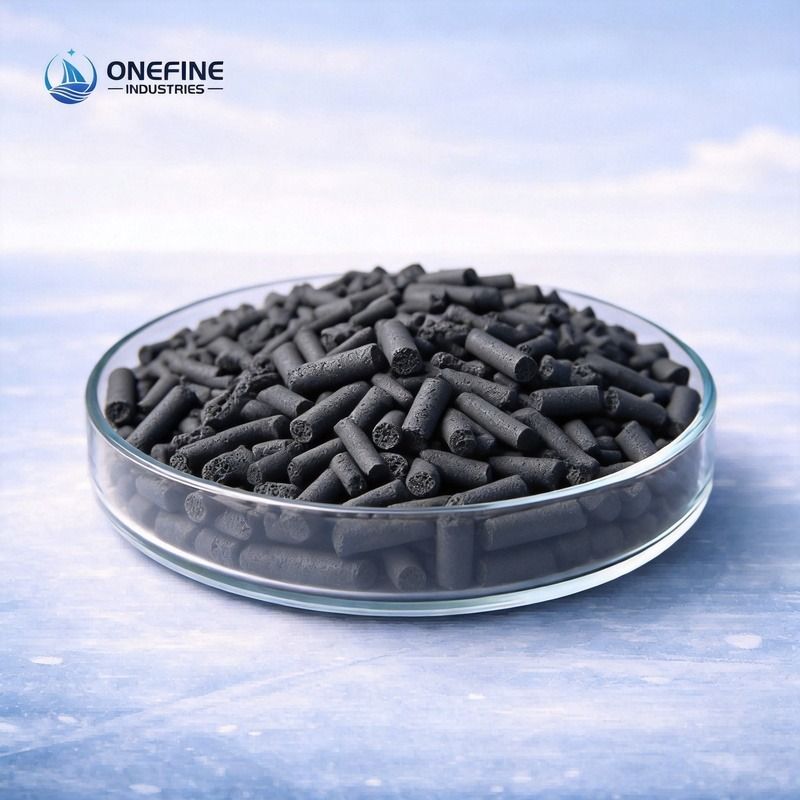
A bifunctional desulfurization catalyst that couples COS hydrolysis and H₂S adsorption in a single reactor, achieving ultra-deep sulfur removal in one step. Effectively removes H₂S, COS, and trace RSH from process gases. Features high surface area, fast reaction kinetics, and broad operating range. Ideal for final purification of synthesis gas, natural gas, and light hydrocarbons.
Related Reading
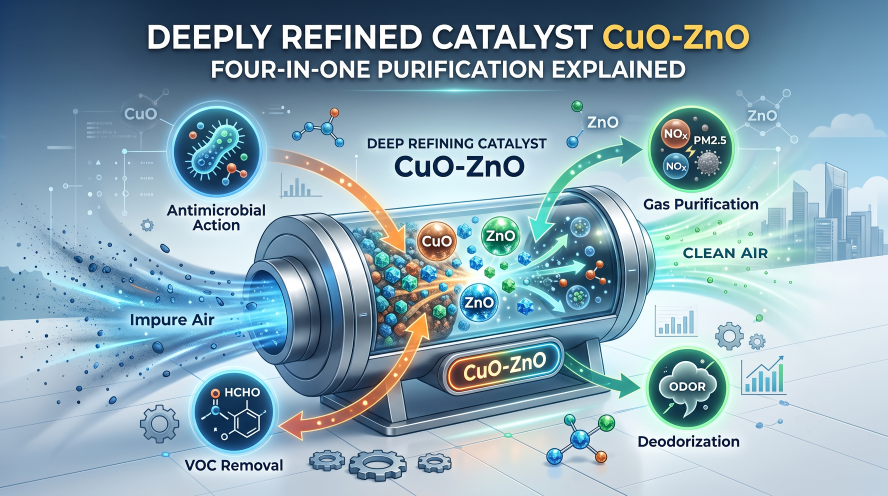
What Is a Deeply Refined Catalyst? CuO-ZnO Four-in-One Purification Explained
Not sure whether you need a dedicated desulfurization catalyst or a broader four-in-one guard bed? This guide explains how a CuO-ZnO deeply refined catalyst works and when it's the right choice for liquid hydrocarbon and synthesis gas purification.
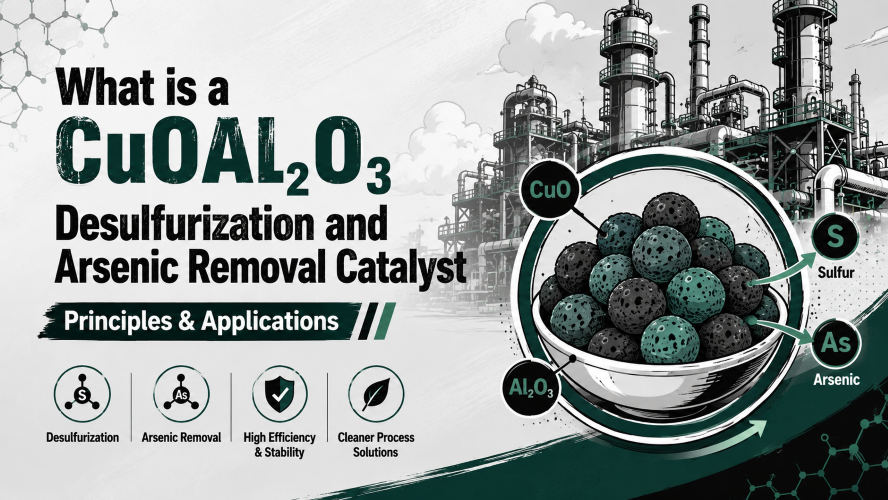
What is a CuO/Al₂O₃ Desulfurization and Arsenic Removal Catalyst? Principles & Applications
A guide to CuO/Al₂O₃ desulfurization and arsenic removal catalysts — how irreversible chemisorption works, key specifications, and how these sacrificial guard beds protect sensitive noble metal catalysts in refineries and petrochemical plants.