How Do You Know When to Replace a Copper-Nickel Desulfurization Catalyst?

Key Takeaways
- A gradual decline in downstream reformer catalyst activity or selectivity is often the first practical warning sign of guard bed exhaustion.
- Outlet sampling is required to confirm whether sulfur, chlorine, or both are breaking through, as imbalanced feed levels can exhaust one capacity before the other.
- A steady rise in pressure drop points to fines generation, catalyst attrition, or fouling, which can force a changeout before active metal sites are chemically exhausted.
- Because this dual-metal catalyst is supplied pre-reduced, operators typically plan its replacement during a scheduled reformer turnaround rather than reacting to a sudden breakthrough.
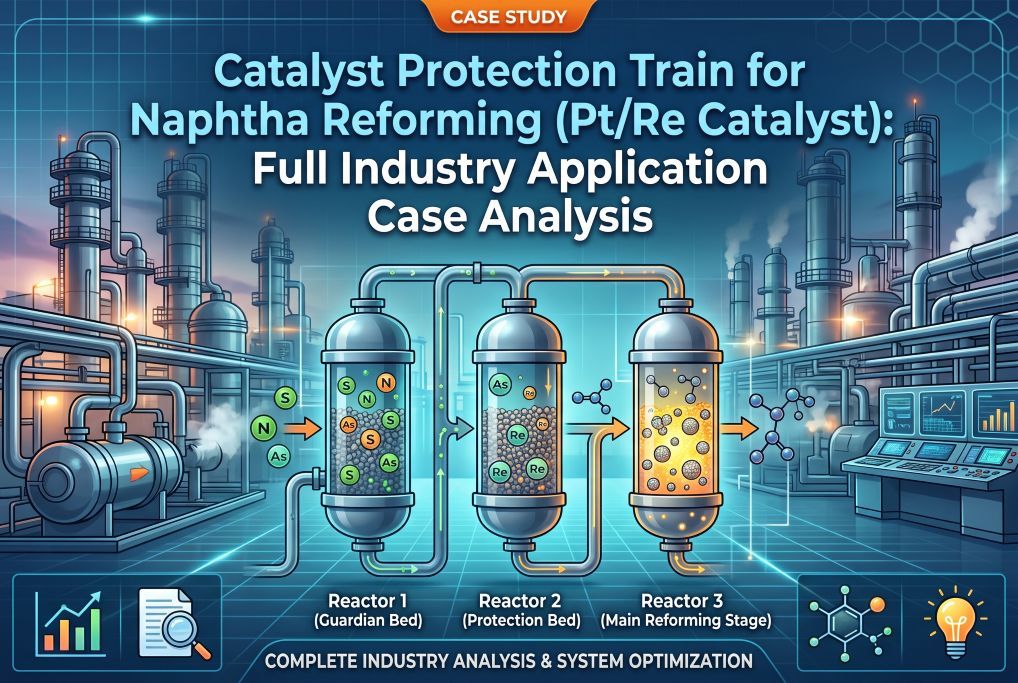
A Copper-Nickel Desulfurization Catalyst sits as a dual-metal guard bed ahead of Pt/Re naphtha reforming catalyst, removing both sulfur and chlorine compounds from the feed in a single pre-reduced bed. For the full picture of how this dual-metal guard bed technology works, our companion guide covers the mechanism in detail — this piece focuses on the replacement signals. That dual role makes its replacement timing different from a single-function desulfurization catalyst: operators need to track two contaminant pathways, not one, and the earliest warning often shows up downstream before it shows up in the bed itself.
Why This Guard Bed's Replacement Signal Is Different
Most desulfurization catalysts have one job and one capacity curve to watch. A Copper-Nickel Desulfurization Catalyst is protecting a Palladium catalyst downstream-class or Pt/Re downstream catalyst from two separate threats at once — sulfur compounds and chloride species — and the two don't necessarily exhaust the bed's capacity at the same rate. A feed with higher chloride content than sulfur content (or vice versa) can push one contaminant toward breakthrough well before the other. Reading only a single "time in service" number and assuming both contaminants are still fully controlled is the most common mistake operators make with this guard bed.
Downstream Reformer Performance as the Earliest Warning
Because this catalyst protects a noble-metal reforming catalyst that is extremely sensitive to both poisons, a drift in reformer performance is often the first practical signal — arriving before lab-confirmed breakthrough. Watch for a gradual decline in reformer catalyst activity or selectivity, or an uptick in the frequency of regeneration cycles the reforming unit needs. In a naphtha reforming protection train, these are downstream symptoms of an upstream guard bed that is no longer fully protecting the reactor, and they typically appear gradually rather than as a sudden failure.
Analytical Confirmation: Checking Both Sulfur and Chlorine
Once reformer performance raises a flag, outlet sampling at the guard bed confirms which contaminant is breaking through — sulfur, chlorine, or both. This is where the dual-function design matters most for troubleshooting: a bed replaced purely because of sulfur breakthrough, while chloride is still being fully captured, is a different operating decision than replacing because chloride has broken through first. Routine outlet monitoring, rather than relying on a fixed calendar interval alone, is the more reliable way to catch an imbalanced breakthrough before it reaches the reformer.
Physical and Pressure-Drop Indicators
Alongside contaminant breakthrough, watch the bed itself. A steady rise in pressure drop across the guard bed points to fines generation, catalyst attrition, or fouling — issues that can force a changeout even before the active metal sites are chemically exhausted. Visual inspection during a shutdown (color change, physical breakdown of pellets) is a useful secondary check when pressure drop trends are ambiguous.
Planned Replacement vs. Reactive Replacement
Because a Copper-Nickel Desulfurization Catalyst is supplied pre-reduced rather than requiring field reduction, operators typically plan its replacement as part of a scheduled reformer turnaround rather than reacting to a sudden breakthrough event. Tracking the performance and analytical signals above over time lets you line up the changeout with a planned shutdown window instead of an unplanned one — which is generally the more cost-effective path for a guard bed protecting high-value downstream catalyst.
Recommended Products from Sorbsieve
- Copper-Nickel Desulfurization Catalyst — dual-metal, pre-reduced guard bed for combined sulfur and chlorine removal ahead of Pt/Re reforming catalyst
- Dechlorination Catalyst — single-function chloride removal for naphtha reforming protection trains
- Palladium Hydrogenation Catalyst — downstream noble-metal catalyst commonly protected by this guard bed
FAQ
Can a Copper-Nickel Desulfurization Catalyst be regenerated instead of replaced? It is typically managed as a changeout item rather than an in-situ regenerated one, since it is supplied pre-reduced and protects a downstream catalyst where unplanned performance swings carry high cost. Confirm regeneration feasibility with your technical contact based on your specific feed and operating history.
How often should this guard bed be replaced? Replacement interval depends on feed sulfur and chloride loading, flow rate, and operating temperature, so there is no single fixed number that applies across installations. Tracking reformer performance trends and outlet contaminant levels, as outlined above, is the reliable way to set a changeout schedule for your specific unit.
What happens if sulfur or chlorine breaks through to the Pt/Re catalyst? Breakthrough of either contaminant can poison the reforming catalyst's active sites, showing up as declining activity or selectivity and, over time, a shorter catalyst life for the reformer itself — which is a far more expensive asset to protect than the guard bed.
Is a Copper-Nickel Desulfurization Catalyst the same as a Dechlorination Catalyst? No. A Copper-Nickel Desulfurization Catalyst handles both sulfur and chlorine in one dual-metal bed, while a Dechlorination Catalyst is a single-function product for chloride removal only. Which one (or whether you need both) depends on your feed composition — see our guard bed comparison guide for the full breakdown.
Looking for Bulk Supply of Copper-Nickel Desulfurization Catalyst?
Sorbsieve is a trusted bulk supplier of Copper-Nickel Desulfurization Catalyst and complete industrial adsorbents, serving industrial buyers across the Middle East.
We provide:
- ✅ Container-level supply (20'GP / 40'GP / 40'HQ)
- ✅ Full documentation (COA / TDS / SDS / COO)
- ✅ Multiple packaging options
- ✅ Technical support for guard bed selection and system optimization
- ✅ Fast quote response for industrial inquiries
Contact our team for bulk pricing, product samples, and technical consultation.
Related Products
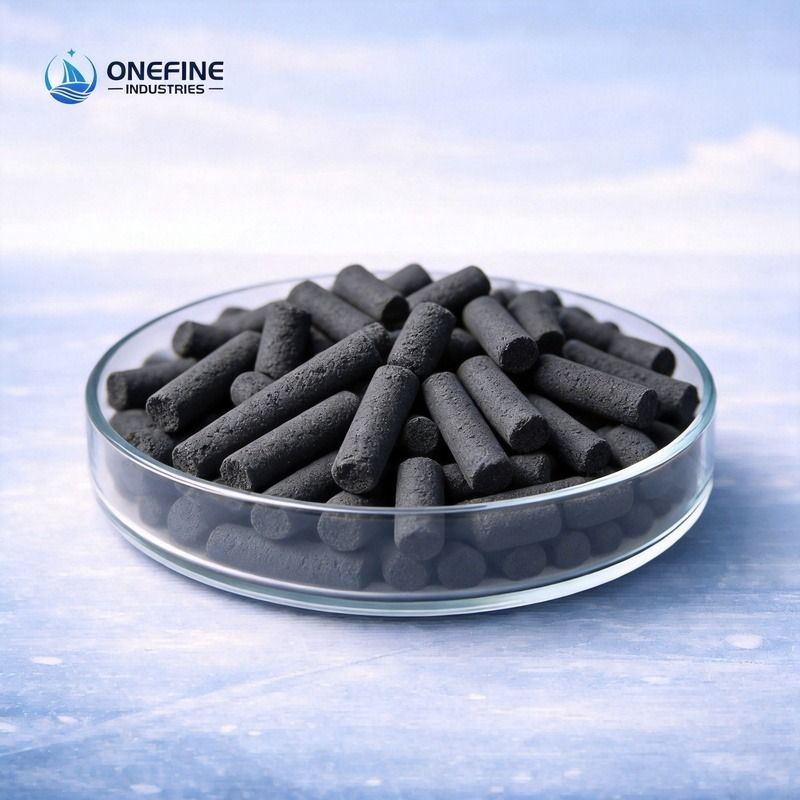
Copper-Nickel Desulfurization Catalyst
A Cu-Ni dual-system desulfurization catalyst for oil refining guard-bed applications. Removes inorganic and organic sulfur, trace chlorine, and arsenic impurities in a single step. Supplied in pre-reduced form for immediate use. Ideal as a protection agent for precious metal catalysts in reforming, hydrocracking, and isomerization units.
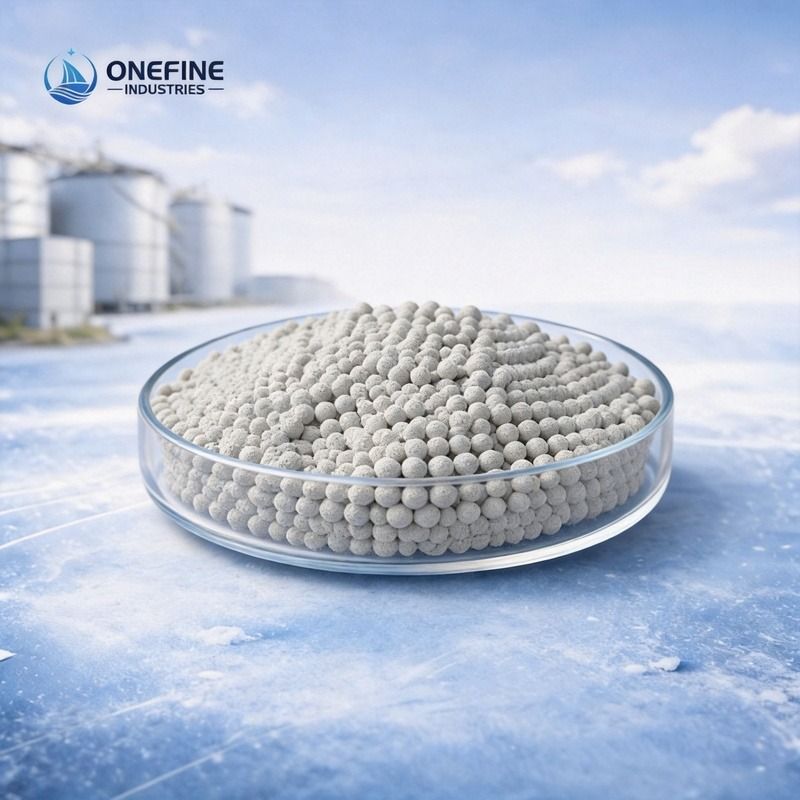
Dechlorination Catalyst
High-performance Na₂CO₃/Al₂O₃-based dechlorination catalyst designed for ultra-deep hydrogen chloride (HCl) removal from hydrocarbon streams with high chlorine capacity and minimal green oil formation.
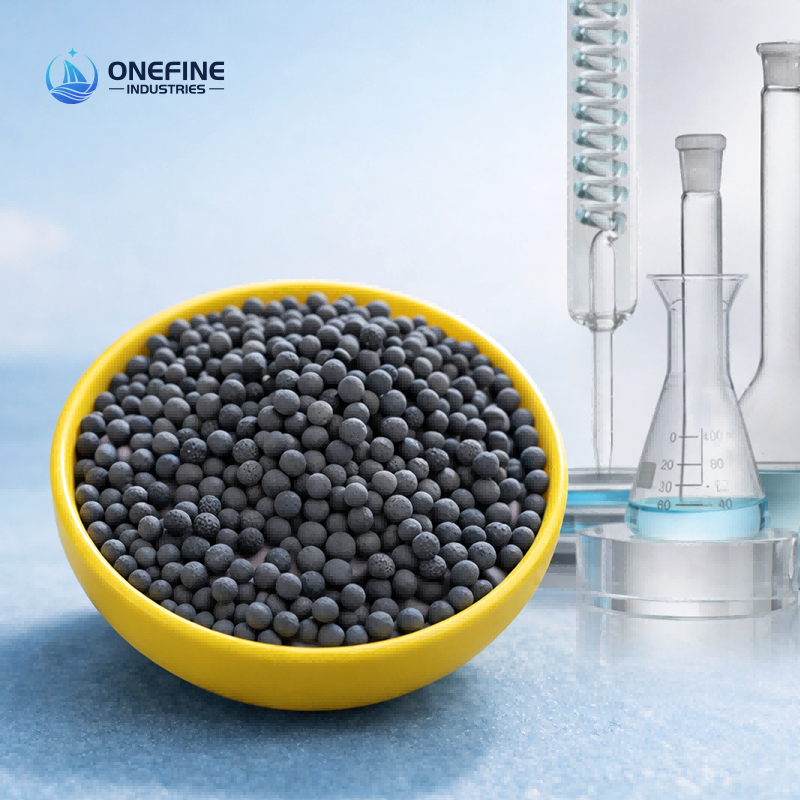
Palladium Catalyst for Hydrogenation (Pd/Al₂O₃)
High-performance palladium on alumina catalyst (Pd/Al₂O₃) for industrial hydrogenation reactions. Available in 0.1-2% Pd loading on alumina support. Exceptional activity, long service life, and excellent selectivity for pharmaceutical, petrochemical, and fine chemical synthesis.
Related Reading
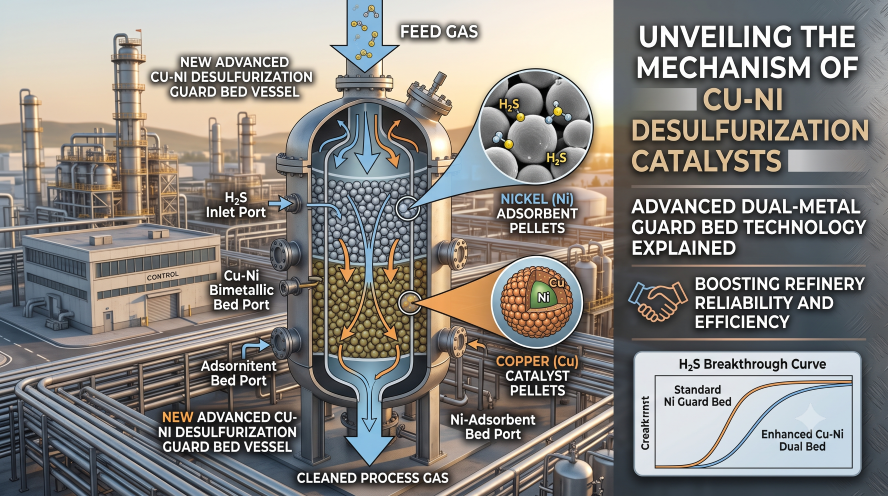
What Is a Cu-Ni Desulfurization Catalyst? Dual-Metal Guard Bed Technology Explained
A plain-language guide to copper-nickel (Cu-Ni) desulfurization catalysts: how the dual-metal mechanism works, why pre-reduced supply matters for commissioning time, and how to choose between a Cu-Ni system and a single-metal guard bed.
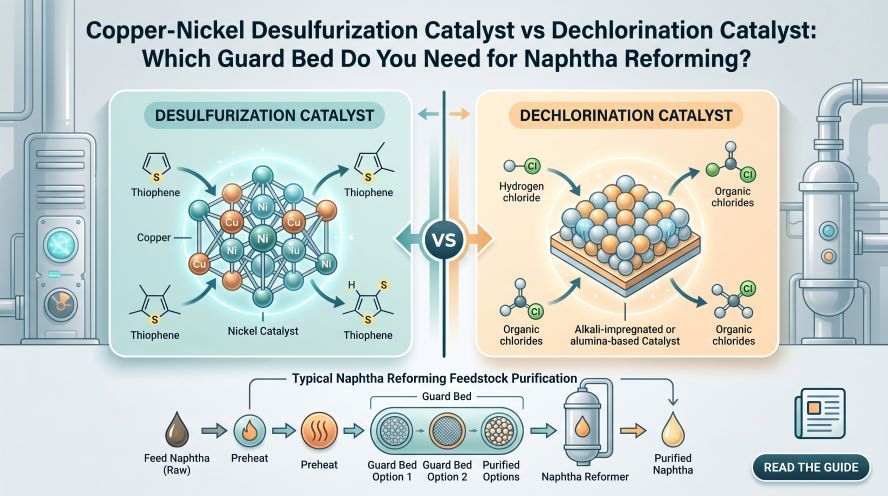
Copper-Nickel Desulfurization Catalyst vs Dechlorination Catalyst: Which Guard Bed Do You Need for Naphtha Reforming?
Sulfur and chloride threaten a naphtha reformer in different ways and from different directions. This guide explains what a copper-nickel desulfurization guard bed and a dechlorination guard bed each protect, where each one belongs, and when your unit needs both.