Product Description
Nickel-Molybdenum (Ni-Mo) Hydrogenation Catalyst
Advanced Hydrotreating Solution for Hydrocarbon Feedstocks
Product Overview
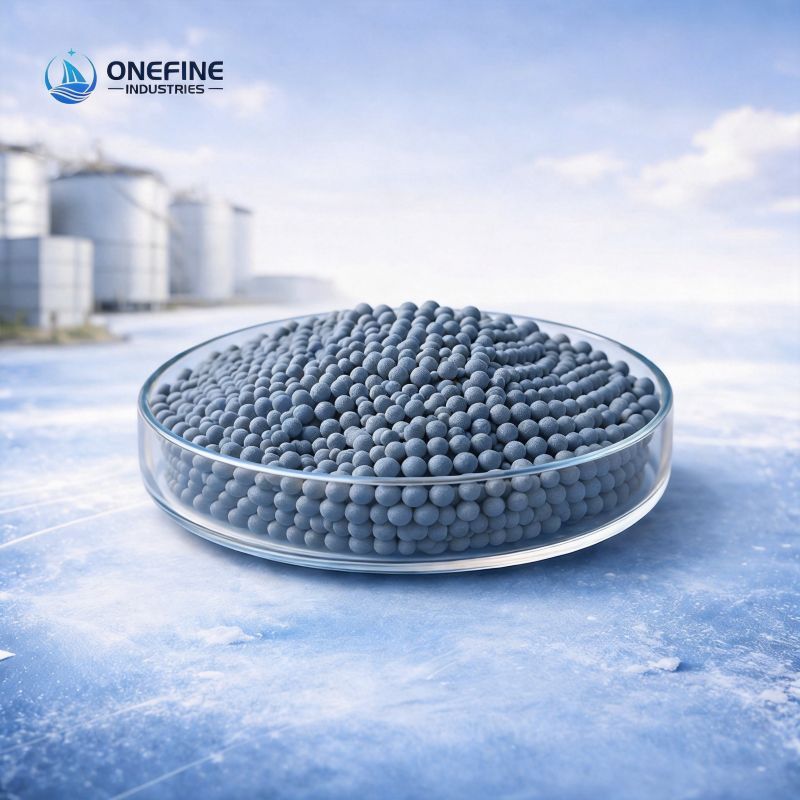
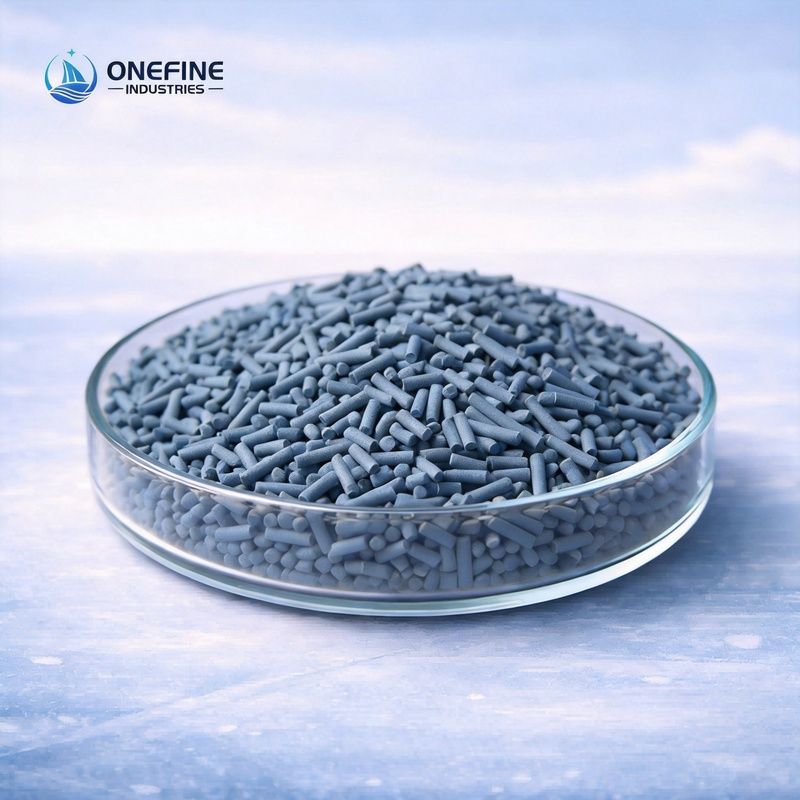
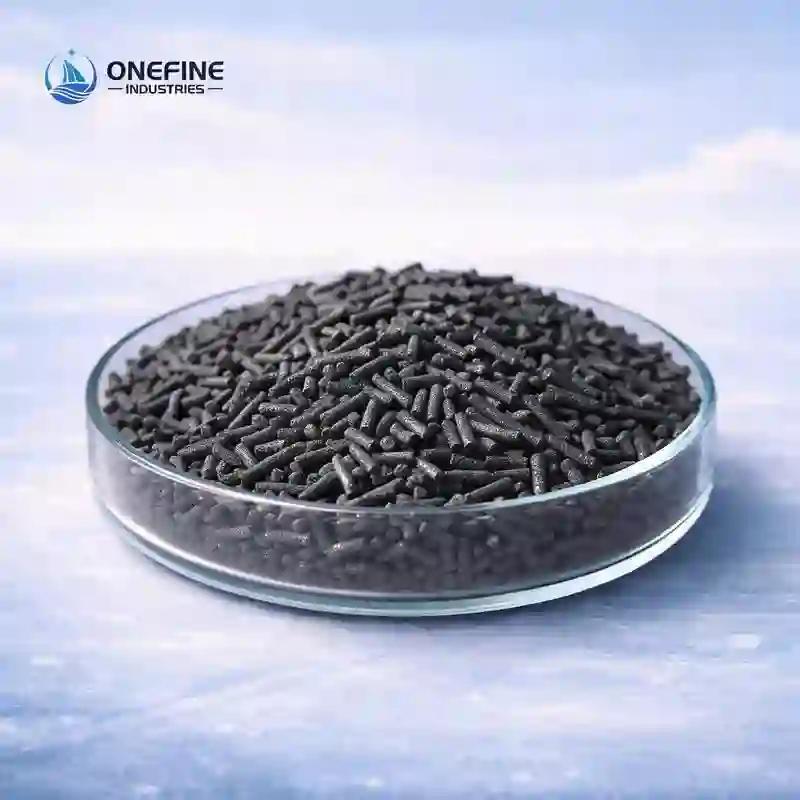
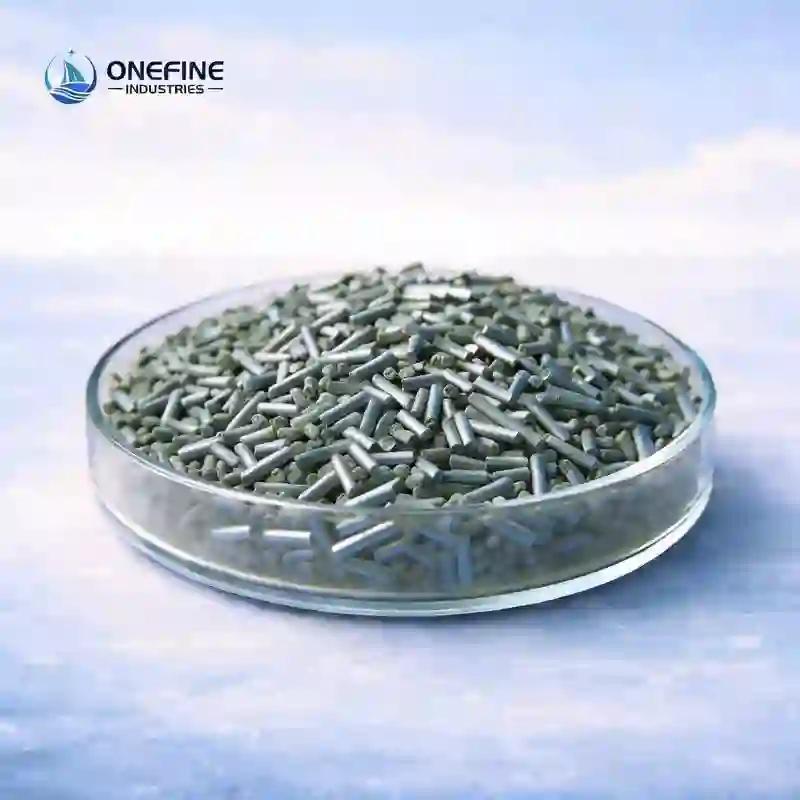
The Nickel-Molybdenum Hydrogenation Catalyst represents the latest generation of hydrotreating technology, engineered to deliver exceptional performance across a wide range of hydrocarbon purification applications. Featuring nickel and molybdenum as active components on a modified titanium-aluminum composite oxide support, this catalyst marks a significant advancement over conventional alumina-supported alternatives.
At its core, this catalyst combines advanced materials science with precision manufacturing. The modified titanium-aluminum composite oxide support enhances metal-support interactions, while the CDS-optimized geometric design ensures optimal flow dynamics and mass transfer within reactor beds. The result is superior activity, extended service life, and operational flexibility across diverse hydrotreating scenarios.
This Ni-Mo catalyst is specifically formulated for hydrorefining processes involving natural gas, oilfield gas, liquefied petroleum gas (LPG), refinery gas, and light naphtha. Its exceptional hydrodesulfurization (HDS), hydrodenitrogenation (HDN), hydrodechlorination (HDCl), and olefin saturation activities make it ideal for operators seeking to meet stringent product specifications while maximizing process efficiency.
Core Technical Features
Modified Titanium-Aluminum Composite Oxide Support
The foundation of our Ni-Mo catalyst's superior performance lies in its innovative modified titanium-aluminum composite oxide support. Unlike traditional single-component alumina supports, this advanced composite matrix combines alumina's favorable mechanical properties with titanium oxide's unique catalytic characteristics, optimizing both active phase dispersion and reaction kinetics.
Ti-O-Al interfacial bonds modify the support surface's electronic properties, creating an optimal environment for active metal anchoring and dispersion. This modified surface chemistry strengthens the metal-support interaction, preventing active phase sintering during high-temperature operation and ensuring long-term catalytic stability.
The composite oxide support also provides a tailored pore structure facilitating efficient diffusion of reactant molecules to active sites. This optimized porous architecture contributes to the catalyst's high specific surface area, providing ample active sites for hydrotreating reactions and ensuring efficient utilization of nickel and molybdenum components.
CDS-Optimized Geometric Design
Our Ni-Mo catalyst features a CDS-optimized dimensional design representing a breakthrough in catalyst particle engineering. This proprietary methodology optimizes particle shape, size, and surface topography to maximize reactor bed performance across critical parameters.
The CDS-optimized design delivers three key operational benefits. First, it creates an optimized bed void fraction that reduces pressure drop across the catalyst bed, enabling lower compressor energy consumption and higher throughput capacity. Second, the engineered particle geometry enhances external surface area per unit volume, improving mass transfer efficiency between the fluid phase and catalyst surface. Third, optimized dimensions ensure uniform packing characteristics, preventing channeling and ensuring consistent flow distribution throughout the reactor bed.
This geometric optimization translates directly to reduced energy costs, extended catalyst cycle lengths, and more uniform temperature profiles within the reactor. Whether in trickle bed, fixed bed, or other configurations, CDS-designed catalyst particles provide consistent, reliable performance.
High Dispersion of Active Components
The nickel and molybdenum active components achieve exceptional dispersion across the support surface, maximizing accessible active sites per unit mass of active metal. This high dispersion results from the modified composite oxide support combined with an advanced impregnation and calcination process.
High dispersion is critical for three reasons. First, it ensures a greater proportion of nickel and molybdenum atoms are exposed and available for catalytic reactions, maximizing active metal utilization efficiency. Second, the well-dispersed active phase forms smaller, more uniform metal sulfide crystallites during sulfidation, exhibiting higher intrinsic activity per active site than larger, agglomerated particles. Third, high dispersion prevents active phase sintering under typical hydrotreating conditions, maintaining catalytic activity over extended service periods.
The result is a catalyst delivering higher activity at equivalent metal loadings compared to conventional alternatives, providing both performance and economic advantages.
Easy Sulfidation and Low-Temperature Activity
Our Ni-Mo catalyst is designed for facile sulfidation, enabling rapid and complete activation under milder conditions than conventional catalysts. High active component dispersion and modified support surface chemistry work synergistically to promote transformation of oxidic metal precursors into the active sulfided phase.
Easy sulfidation reduces catalyst activation time, minimizing commissioning periods and associated costs. It also allows sulfidation at lower temperatures, reducing energy consumption and minimizing thermal degradation risk during activation. More complete sulfidation ensures a higher proportion of active components convert to their catalytically active form, maximizing initial catalyst activity.
Complementing easy sulfidation is the catalyst's excellent low-temperature activity. The highly dispersed Ni-Mo active phase on the titanium-aluminum composite support exhibits significant hydrotreating activity at lower operating temperatures than conventional NiMo/Al2O3 catalysts. This low-temperature activity enables operators to achieve desired product specifications at milder conditions, reducing energy costs and extending catalyst service life by minimizing thermal degradation.
Low Bulk Density and Low Pressure Drop
The CDS-optimized geometric design combined with the lightweight titanium-aluminum composite oxide support results in a catalyst with significantly lower bulk density than conventional alumina-supported Ni-Mo catalysts, providing multiple operational advantages.
Lower bulk density means more catalyst volume per unit weight, reducing transportation and handling costs while enabling higher reactor loading capacities. The lower catalyst weight also reduces mechanical stress on reactor internals and support grids, improving equipment reliability and service intervals.
Furthermore, the CDS-optimized particle design and resulting optimized bed void fraction significantly reduce pressure drop across the catalyst bed. Lower pressure drop translates directly to reduced compressor or pump energy consumption, lowering operational costs. It also enables higher throughput rates without exceeding pressure drop limitations, debottlenecking existing capacity and allowing smaller equipment sizing in grass-roots installations.
Superior Performance
Hydrodesulfurization (HDS) Activity
Our Ni-Mo catalyst delivers exceptional hydrodesulfurization performance, effectively removing a broad spectrum of sulfur compounds from hydrocarbon feedstocks. The highly dispersed nickel-molybdenum sulfide active phase provides abundant active sites for C-S bond hydrogenolysis, converting organic sulfur compounds into easily removable hydrogen sulfide.
The catalyst is particularly effective with refractory sulfur compounds difficult to remove with conventional catalysts, including substituted benzothiophenes and dibenzothiophenes. The modified titanium-aluminum support enhances the hydrogenation desulfurization pathway, complementing the direct route and enabling deeper sulfur removal at equivalent operating conditions.
This high HDS activity enables operators to meet increasingly stringent environmental regulations for sulfur content, whether targeting ultra-low sulfur fuel specifications or pipeline-quality natural gas requirements.
Hydrodenitrogenation (HDN) Activity
Nitrogen compounds present significant challenges in hydrocarbon feedstocks, as they can poison downstream catalysts, contribute to NOx emissions, and affect product stability. Our Ni-Mo catalyst demonstrates outstanding hydrodenitrogenation activity, effectively converting organic nitrogen compounds into readily separable ammonia.
The high hydrogenation activity of the nickel-promoted molybdenum sulfide phase facilitates saturation of aromatic nitrogen compounds prior to C-N bond cleavage, a critical HDN mechanism step. The modified support acidity, optimized through titanium-aluminum composite engineering, provides appropriate acid sites to assist C-N bond scission, enhancing overall denitrogenation efficiency.
This robust HDN performance ensures product quality stability and protects downstream equipment and catalysts from nitrogen-related deactivation, making it excellent for feedstocks with varying nitrogen content.
Hydrodechlorination (HDCl) Activity
Organic chloride compounds are increasingly problematic in hydrocarbon streams, causing equipment corrosion and poisoning downstream catalysts. Our Ni-Mo catalyst provides excellent hydrodechlorination activity, efficiently converting organic chlorides into inorganic chloride removable as hydrogen chloride.
The highly dispersed active metal sites catalyze C-Cl bond hydrogenolysis across a wide range of chlorinated organic compounds, from light chlorinated hydrocarbons to complex aromatic chlorides. The modified support surface also helps adsorb and stabilize chloride species, preventing downstream release and reducing corrosion potential.
This HDCl capability is particularly valuable for processing opportunity crudes, recycled streams, and feedstocks with uncertain chloride content, providing added asset protection.
Olefin Saturation
Olefins and dienes in hydrocarbon feedstocks can cause gum formation, product instability, and downstream operational issues. Our Ni-Mo catalyst delivers excellent olefin saturation activity, effectively converting unsaturated hydrocarbons into their saturated analogs through hydrogen addition.
The well-dispersed Ni-Mo sulfide phase's high hydrogenation activity enables efficient olefin conversion across operating conditions. The catalyst is particularly effective for selective diolefin and reactive olefin hydrogenation while minimizing unwanted side reactions, ensuring product quality improvements without excessive hydrogen consumption.
This olefin saturation capability is crucial for pyrolysis gasoline treatment, FCC naphtha upgrading, and stable LPG production, where olefin content must be controlled to meet specifications and storage stability requirements.
Application Fields
Natural Gas
For natural gas processing, our Ni-Mo catalyst reliably removes sulfur compounds, nitrogen contaminants, and trace olefins, ensuring pipeline-quality gas meeting strict transmission specifications. Its low-temperature activity suits typical natural gas hydrotreating conditions, while robust performance handles feed composition variability. The low pressure drop design also helps minimize compression costs for high-volume facilities.
Oilfield Gas
Oilfield associated gas often contains significant sulfur compounds—including hydrogen sulfide, mercaptans, and other organic sulfur species—along with varying heavy hydrocarbons and olefins. Our Ni-Mo catalyst excels in this challenging environment, delivering comprehensive hydrotreating that removes sulfur contaminants, saturates reactive olefins, and stabilizes the gas stream. Its long service life and fouling resistance reduce maintenance requirements in remote operations.
Liquefied Petroleum Gas (LPG)
LPG production requires careful control of sulfur, olefins, and corrosion-causing impurities to meet specifications and ensure safe handling. Our Ni-Mo catalyst provides efficient hydrodesulfurization and olefin saturation for LPG streams, enabling high-quality propane and butane production. Its excellent HDCl activity also protects against chloride-induced corrosion in processing and storage equipment.
Refinery Gas
Refinery gas streams—including FCC offgas, coker gas, and hydrotreater recycle gas—present complex challenges due to variable composition and high olefin content. Our Ni-Mo catalyst handles these demanding streams, providing effective olefin saturation, sulfur removal, and nitrogen removal. Its robust design and coking resistance suit the higher olefin and diene concentrations typical in refinery gas applications.
Light Naphtha
Light naphtha streams—from straight-run distillation, cracking processes, or condensate fractionation—require hydrotreatment to remove sulfur, nitrogen, and olefinic components before further processing or blending. Our Ni-Mo catalyst delivers exceptional light naphtha hydrorefining performance, achieving deep desulfurization while maintaining product yield. Its low-temperature activity and high selectivity make it ideal for preserving light ends and minimizing octane loss.
Why Choose Our Ni-Mo Hydrogenation Catalyst
Our Nickel-Molybdenum Hydrogenation Catalyst combines advanced material science with practical operational advantages to deliver measurable value across your operation.
The modified titanium-aluminum composite oxide support provides a fundamentally superior substrate versus conventional alumina-supported catalysts, enhancing active component dispersion, optimizing reaction pathways, and improving stability for higher activity and longer service life. The CDS-optimized geometric design further delivers tangible operational benefits, with lower pressure drop reducing energy consumption and optimized mass transfer enhancing reaction efficiency.
The catalyst's excellent low-temperature activity and easy sulfidation simplify commissioning and reduce operational costs. Achieving target conversion at lower temperatures provides process optimization flexibility and significantly extends catalyst service life by minimizing thermal aging.
Our Ni-Mo catalyst also provides comprehensive hydrotreating capability in a single product, handling sulfur, nitrogen, chloride, and olefin contaminants simultaneously. This multifunctional performance simplifies process flow schemes, reduces the need for multiple catalyst types, and streamlines inventory management.
Finally, our commitment to consistent manufacturing quality ensures every batch meets strict performance specifications. Rigorous quality control throughout production guarantees you receive a reliable, high-performance product delivering consistent results time after time.
Technical Specifications Overview
- Active Components: Nickel (Ni) and Molybdenum (Mo) bimetallic system
- Support Material: Modified titanium-aluminum composite oxide
- Design Technology: CDS-optimized geometric design
- Key Performance Attributes:
- Low bulk density
- High specific surface area
- Low pressure drop
- High active component dispersion
- Easy sulfidation characteristics
- Excellent low-temperature activity
- Primary Applications: Hydrodesulfurization (HDS), Hydrodenitrogenation (HDN), Hydrodechlorination (HDCl), Olefin saturation
- Suitable Feedstocks: Natural gas, oilfield gas, liquefied petroleum gas (LPG), refinery gas, light naphtha, and other hydrocarbon streams