How Often Should You Replace a Mercury Removal Catalyst in a Syngas Plant?
Introduction
In coal gasification, natural gas processing, and steam methane reforming (SMR) facilities, synthesis gas (syngas) frequently contains trace elemental mercury (Hg⁰) — one of the most persistent contaminants in the stream. Left unchecked, it causes liquid metal embrittlement and amalgam corrosion in downstream aluminum plate-fin heat exchangers and cryogenic cold boxes, and it acts as an irreversible poison to precious metal catalysts used in downstream methanol, ammonia, or Fischer-Tropsch synthesis loops.
To neutralize this threat, plant engineers install dedicated Mercury Removal Units (MRUs) as guard beds, typically packed with copper sulfide supported on gamma-alumina (CuS/Al₂O₃), positioned upstream of cryogenic sections to bring mercury levels below 0.01 µg/m³.
Because the trapping mechanism is a non-regenerable chemical reaction, the bed is a sacrificial consumable. The standard industrial baseline is a 3 to 5-year replacement cycle, but the exact lifespan depends on specific flow parameters, fluid dynamics, and breakthrough kinetics — which this guide breaks down.
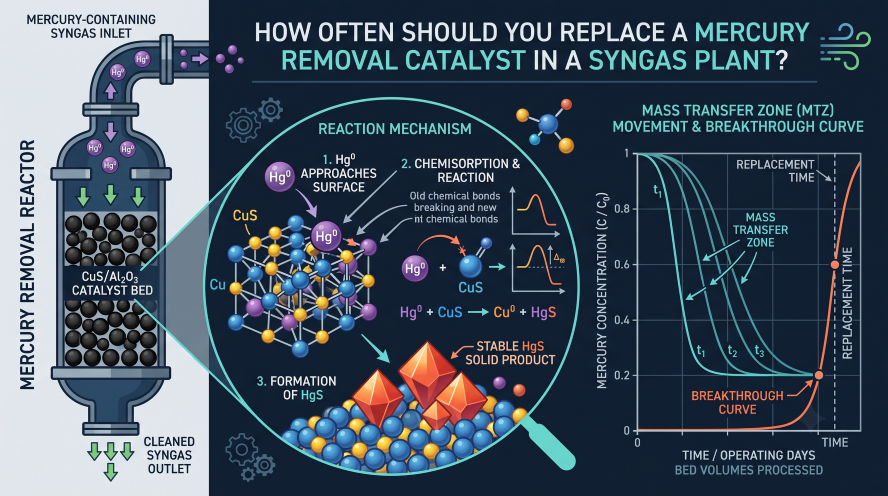
The Chemical Mechanism of CuS Mercury Scavenging
Key Takeaways: Mercury removal relies on irreversible chemisorption, not physical adsorption. A CuS/Al₂O₃ bed has a fixed, calculable mercury capacity — once consumed, the bed is chemically exhausted and must be replaced, not regenerated.
Unlike PSA molecular sieves that rely on physical adsorption forces, mercury removal in syngas relies entirely on irreversible chemisorption. Elemental mercury has very low polarizability and low water solubility, making physical adsorption onto bare alumina or activated carbon inefficient at typical MRU operating temperatures (roughly 40–80°C).
Instead, the catalyst uses a highly dispersed copper sulfide (CuS) active phase on a macro-porous gamma-alumina carrier. As contaminated syngas flows through the bed, elemental mercury undergoes a direct solid-gas reaction at the active sulfur sites:
Hg⁰(g) + CuS(s) → HgS(s) + Cu⁰(s)
Mercury is oxidized to Hg²⁺, forming stable, insoluble mercury sulfide (HgS), while copper is reduced to metallic copper. This reaction is effectively irreversible under normal syngas processing pressures.
Because the process consumes CuS stoichiometrically, the bed has a calculable absolute capacity — typically in the range of 20–25 mg of mercury per gram of catalyst. Once the available CuS is converted to HgS, the bed is exhausted. Dividing total loaded catalyst mass by this capacity gives the theoretical baseline for the 3 to 5-year replacement schedule.
Fluid Dynamics and the Mass Transfer Zone (MTZ)
Bed lifespan can't be determined simply by dividing total catalyst mass by daily mercury load. In practice, replacement frequency is heavily shaped by the Mass Transfer Zone (MTZ) — the specific segment of the bed where active chemisorption is occurring at any given moment. Above the MTZ, the catalyst is fully saturated; below it, the catalyst is still fresh.
The MTZ's length is governed by internal diffusion kinetics, carrier particle size, and gas superficial velocity. If gas velocity is too high or Empty Bed Contact Time (EBCT) too short, the MTZ stretches and its leading edge can reach the bottom of the vessel prematurely — triggering breakthrough long before the bed's theoretical capacity is consumed.
To maximize the interval between replacements, engineers size the vessel to compress the MTZ — smaller alumina beads (1–2 mm) create a shorter, sharper MTZ than larger extrudates (3–5 mm), letting more of the bed reach near-full capacity before breakthrough occurs.
Four Process Variables That Actually Dictate Replacement Frequency
While the theoretical lifespan targets a multi-year cycle, four variables continuously shift the real-world replacement schedule:
- Operating temperature: CuS chemisorption has an active window generally between 25–125°C, with standard MRUs running at 40–80°C. Below 25°C, kinetics slow and the MTZ elongates; extreme temperatures beyond the optimal window can risk mercury desorption back into the stream.
- Moisture and dew point: Syngas moisture should stay below roughly 1 ppm. Condensed water blinds the alumina's macro-pores, blocking mercury diffusion to active sites and cutting the replacement interval short.
- Erratic influent mercury spikes: Coal-derived syngas mercury content varies with coal seam origin. Sudden concentration spikes accelerate consumption of the bed's stoichiometric capacity faster than baseline projections assume.
- Competitive contaminant blockage: CuS/Al₂O₃ resists SO₂ well, but carryover of heavy hydrocarbon tars or un-scrubbed H₂S from upstream upsets — including from a COS hydrolysis stage running out of spec — can physically block pore entrances and force an earlier change-out.
Monitoring Breakthrough: The Lead-Lag Replacement Protocol
Because the catalyst is non-regenerable, predicting breakthrough is essential to avoid catastrophic downstream corrosion. Most modern plants use a Lead-Lag (series) multi-bed configuration: the primary vessel captures the bulk of the mercury load while the secondary vessel polishes the effluent to below 0.01 µg/m³, with real-time analyzers monitoring inlet, intermediate, and outlet points continuously.
When mercury concentration at the intermediate point exceeds spec, the primary bed has reached its stoichiometric capacity. The secondary bed — still fresh — keeps the final effluent protected while the spent bed is safely isolated, depressurized, and unloaded. The primary vessel is reloaded and rotated to the "Lag" position, while the partially consumed vessel becomes the new "Lead." This rotation extends the practical lifespan of the catalyst inventory without halting production.
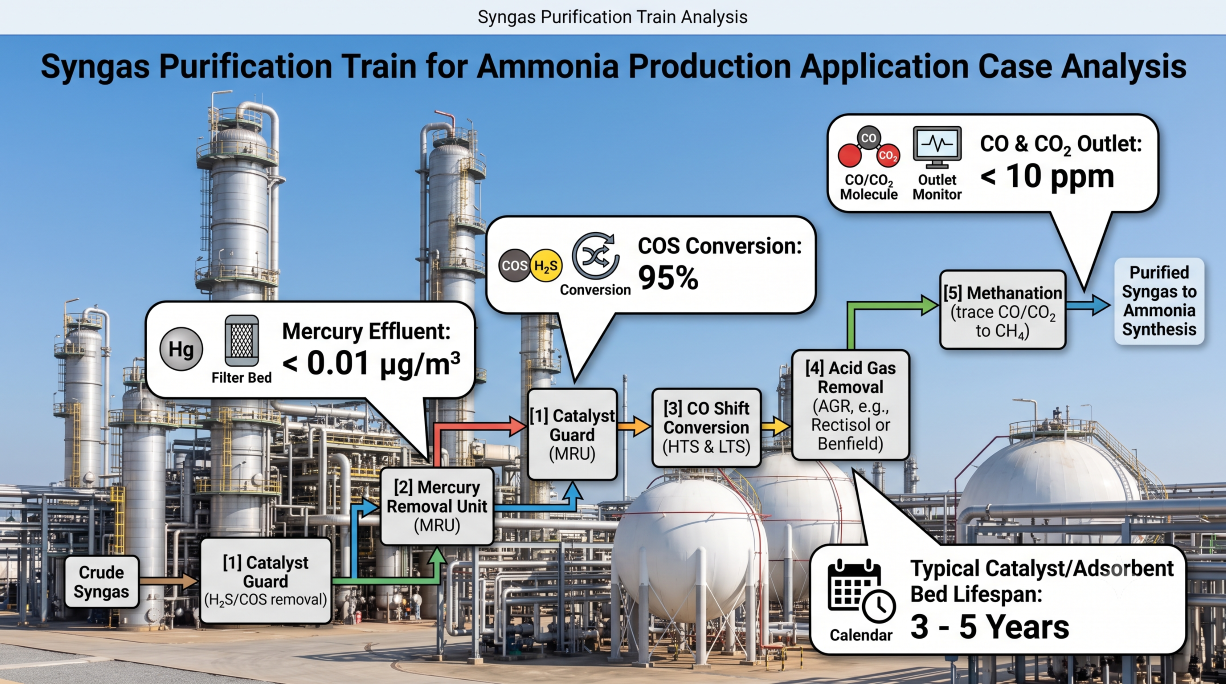
This guide covers one stage in a larger purification sequence — see how mercury removal fits alongside shift conversion, methanation, and COS hydrolysis in our Syngas Purification Train application case.
Recommended Products from Sorbsieve
- Mercury Removal Catalyst (CuS/Al₂O₃) — Engineered copper sulfide active phase on a high-porosity gamma-alumina matrix, delivering static mercury capacity of 20–25 mg/g for syngas and natural gas processing loops, reducing effluent to below 0.01 µg/m³.
- Desulfurization and Arsenic Removal Catalyst — Mixed-metal oxide scavenger for ultra-deep H₂S and arsenide removal, acting as a protective guard bed for sensitive downstream catalysts.
FAQ
Q1: Can a spent CuS mercury removal catalyst be regenerated by heating it? A1: No. The chemisorption reaction is thermodynamically irreversible under standard plant conditions — mercury is permanently converted into solid HgS. Attempting thermal regeneration would vaporize toxic mercury into the plant's flare system, violating emissions regulations. The spent bed must be treated as a non-regenerable hazardous consumable.
Q2: Why use CuS on alumina instead of sulfur-impregnated activated carbon? A2: Sulfur-impregnated activated carbon is lower cost but typically caps out around 5–10 mg/g capacity. Syngas streams often run at higher pressures with trace heavy hydrocarbons present, and the alumina carrier gives CuS catalyst both higher capacity (20–25 mg/g) and far better crush strength, resisting attrition and pressure-drop spikes under high-pressure flow.
Q3: What happens if syngas moisture exceeds the typical limit? A3: Once moisture exceeds roughly 1 ppm, or temperature drops below the local dew point, condensed water coats the catalyst beads and blinds the alumina's macro-pores. This blocks mercury diffusion to active sites, sharply reducing effective capacity and forcing an unscheduled early replacement.
Q4: How does Empty Bed Contact Time (EBCT) affect the replacement schedule? A4: EBCT is the ratio of empty bed volume to gas flow rate — it determines how long mercury molecules stay in the reactor to complete diffusion and reaction. If EBCT is too short due to high gas velocity, the MTZ stretches toward the bottom of the vessel almost immediately, causing early breakthrough and more frequent replacements.
Looking for Bulk Supply of Mercury Removal Catalyst?
Sorbsieve is a trusted bulk supplier of mercury removal catalyst and complete industrial adsorbents, serving industrial buyers across the Middle East.
We provide:
- ✅ Container-level supply (20'GP / 40'GP / 40'HQ)
- ✅ Full documentation (COA / TDS / SDS / COO)
- ✅ Multiple packaging options for hazardous material handling
- ✅ Technical support for guard bed sizing and MTZ optimization
- ✅ Fast quote response for industrial inquiries
Contact our team for bulk pricing, product samples, and technical consultation.
Related Products
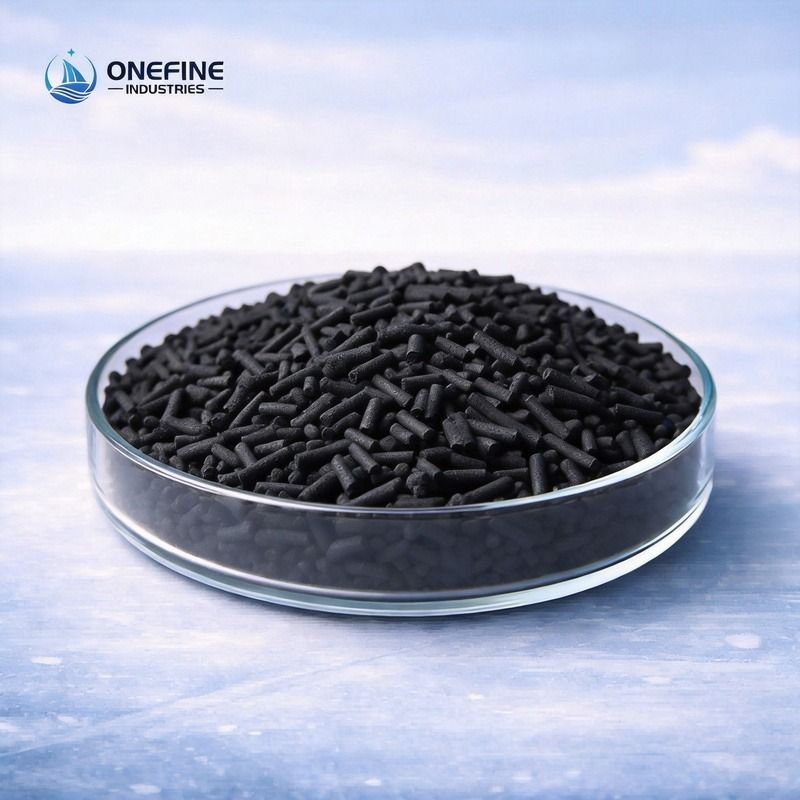
Mercury Removal Catalyst
High-capacity CuS/Al₂O₃ mercury removal catalyst engineered for the ultra-deep purification of natural gas, synthesis gas, and liquid hydrocarbons, permanently reducing elemental mercury to ≤ 0.01 µg/m³.
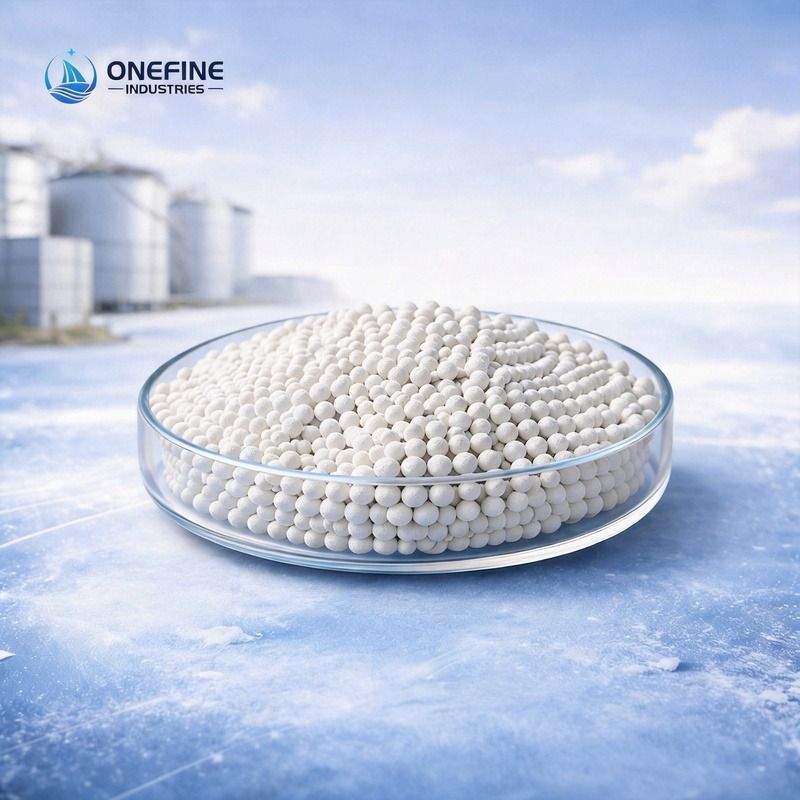
COS Hydrolysis Catalyst
High-efficiency γ-Al2O3 supported COS hydrolysis catalyst designed to convert carbonyl sulfide into easily removable H2S with ≥95% conversion efficiency across diverse hydrocarbon streams.
Related Reading
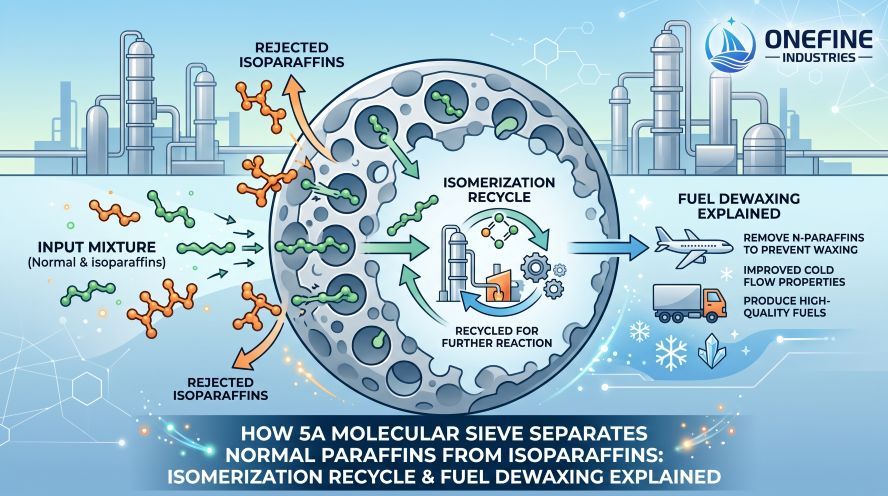
How 5A Molecular Sieve Separates Normal Paraffins from Isoparaffins: Isomerization Recycle and Fuel Dewaxing Explained
How 5A molecular sieve's ~5Å pore separates straight-chain paraffins from branched isomers by size alone — the working principle behind isomerization unit recycle and paraffinic fuel dewaxing.
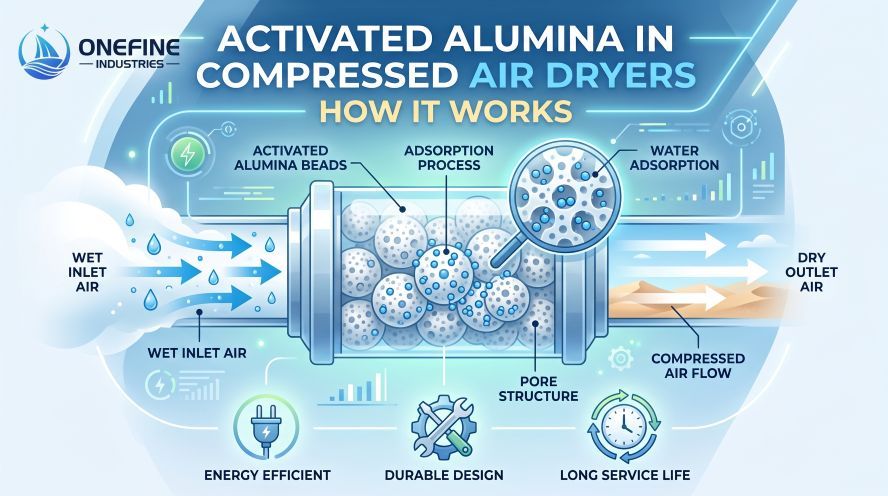
Activated Alumina in Compressed Air Dryers: How It Works
How activated alumina serves as the primary desiccant in heat-reactivated and heatless compressed air dryers, and when it's layered with molecular sieve for deeper dehydration.
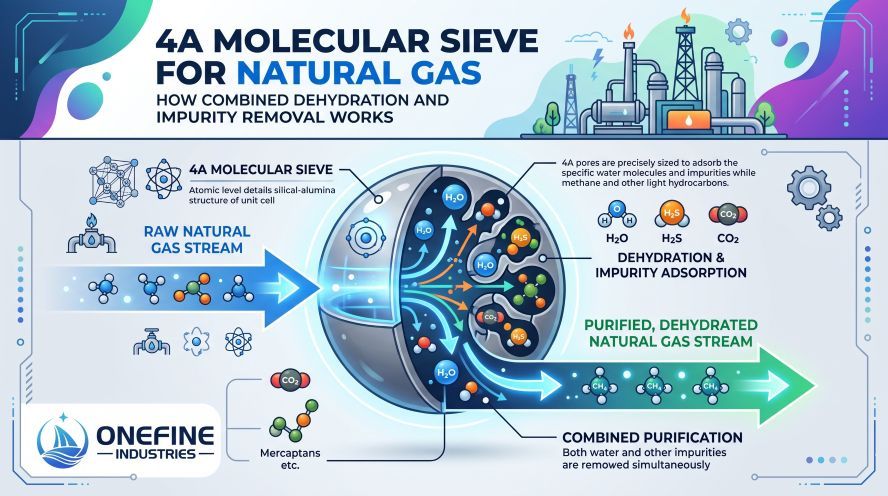
4A Molecular Sieve for Natural Gas: How Combined Dehydration and Impurity Removal Works
4A molecular sieve can dry natural gas and pull moderate CO₂/H₂S out of the same stream in one bed — how its larger pore enables that dual role, where it fits in the treatment train, and when 3A is the better call instead.