
Technical & Troubleshooting Guides
2026-09-24
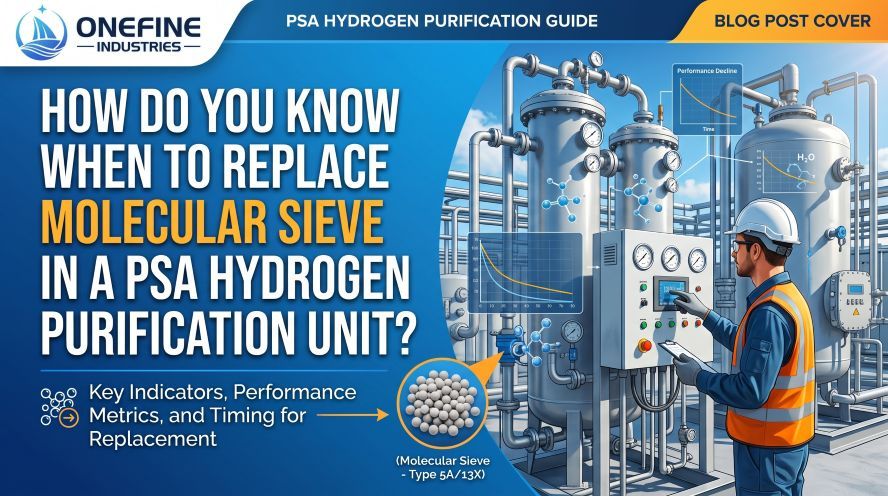
How Do You Know When to Replace Molecular Sieve in a PSA Hydrogen Purification Unit?
5A molecular sieve in a PSA hydrogen purification unit gradually loses capacity from moisture, CO2 slip, mechanical attrition, and thermal aging. Learn the early warning signs — purity drift, shorter cycle times, rising pressure drop — so you can plan a changeout before an off-spec hydrogen stream forces one.
Read More
Comparison & Selection Guides
2026-09-23
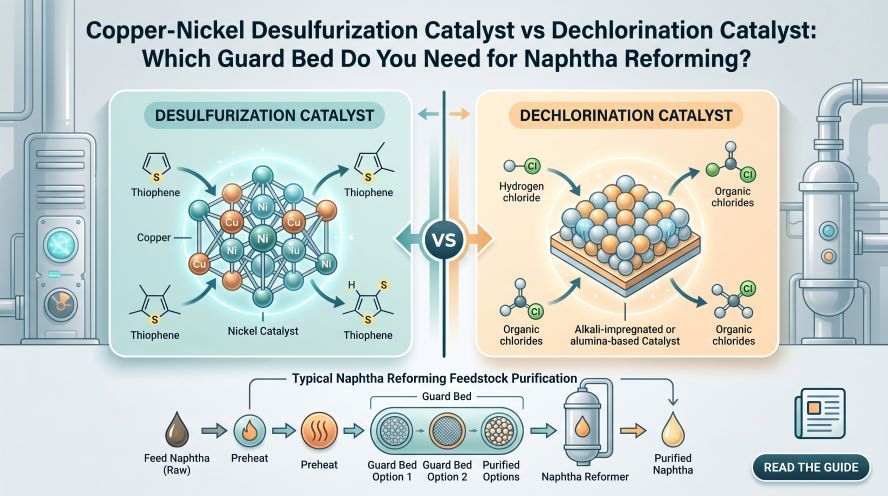
Copper-Nickel Desulfurization Catalyst vs Dechlorination Catalyst: Which Guard Bed Do You Need for Naphtha Reforming?
Sulfur and chloride threaten a naphtha reformer in different ways and from different directions. This guide explains what a copper-nickel desulfurization guard bed and a dechlorination guard bed each protect, where each one belongs, and when your unit needs both.
Read More
Technical & Troubleshooting Guides
2026-09-22
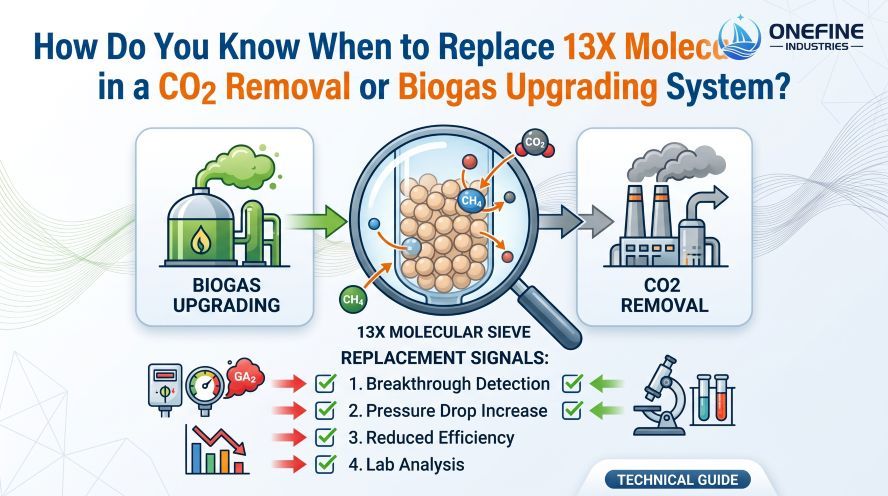
How Do You Know When to Replace 13X Molecular Sieve in a CO2 Removal or Biogas Upgrading System?
Learn the key breakthrough, capacity, and regeneration signals that tell you it's time to replace 13X molecular sieve in a CO2 removal or biogas upgrading system — before product quality or system efficiency suffers.
Read More
Technical & Troubleshooting Guides
2026-09-21
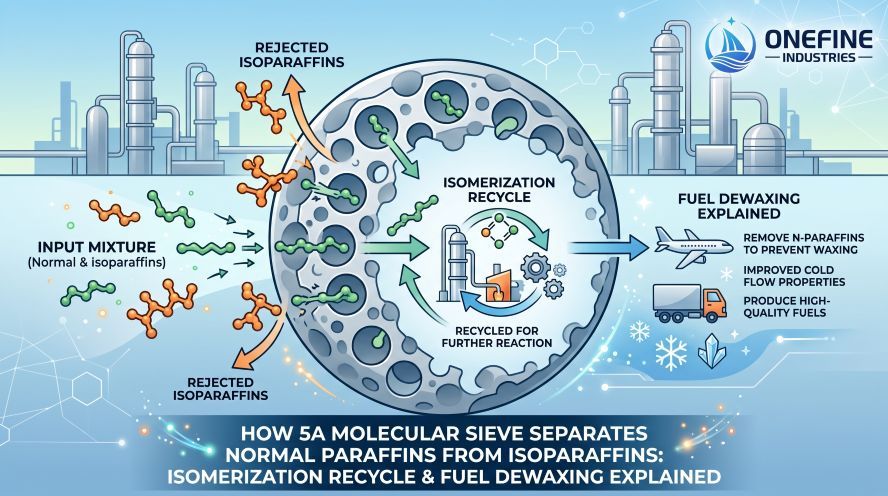
How 5A Molecular Sieve Separates Normal Paraffins from Isoparaffins: Isomerization Recycle and Fuel Dewaxing Explained
How 5A molecular sieve's ~5Å pore separates straight-chain paraffins from branched isomers by size alone — the working principle behind isomerization unit recycle and paraffinic fuel dewaxing.
Read More
Technical & Troubleshooting Guides
2026-09-18
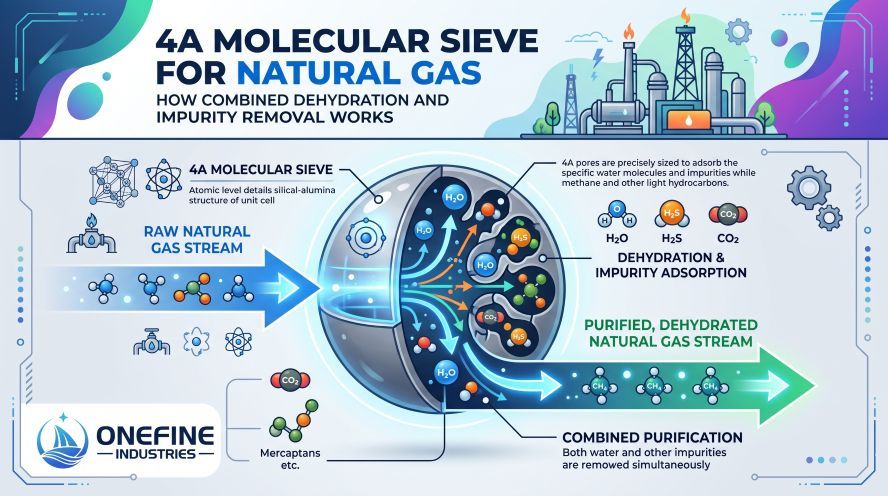
4A Molecular Sieve for Natural Gas: How Combined Dehydration and Impurity Removal Works
4A molecular sieve can dry natural gas and pull moderate CO₂/H₂S out of the same stream in one bed — how its larger pore enables that dual role, where it fits in the treatment train, and when 3A is the better call instead.
Read More
Technical & Troubleshooting Guides
2026-09-17
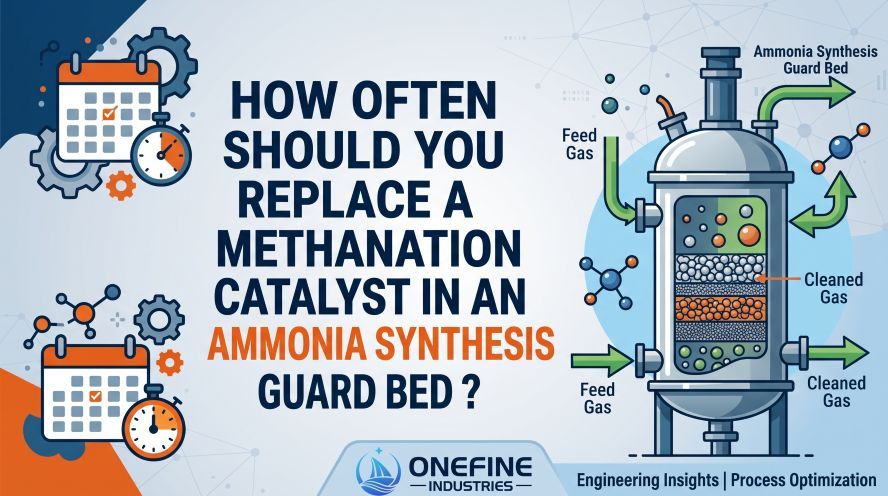
How Often Should You Replace a Methanation Catalyst in an Ammonia Synthesis Guard Bed?
There's no fixed replacement interval for a methanation catalyst — service life depends almost entirely on how well the upstream desulfurization train protects it. Here's how to read the real warning signs.
Read More

Technical & Troubleshooting Guides
2026-09-16
How Do You Know When to Replace an Ultra-Precision Desulfurization Catalyst?
Four real warning signs — total sulfur creep, falling COS conversion, rising pressure drop, and downstream poisoning — that tell you an Ultra-Precision Desulfurization Catalyst bed needs replacing.
Read More
Comparison & Selection Guides
2026-09-15
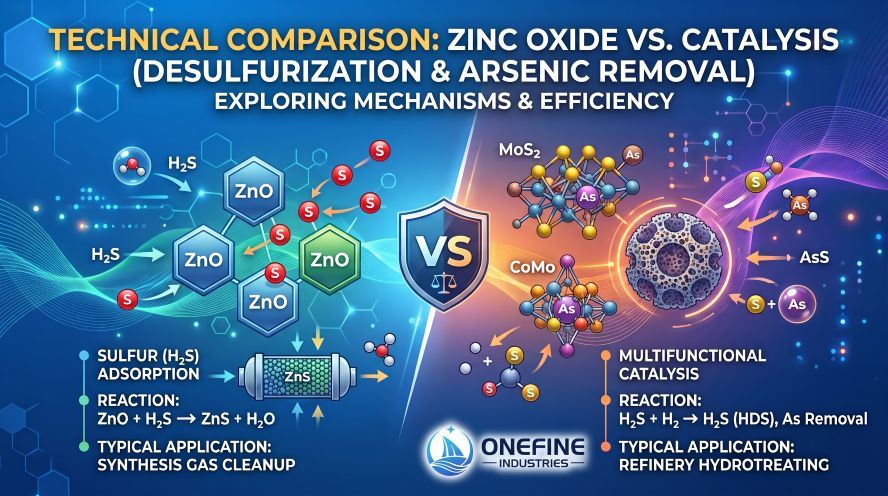
Zinc Oxide vs Desulfurization and Arsenic Removal Catalyst: A Deeper Technical Comparison
Zinc Oxide and Desulfurization/Arsenic Removal Catalyst solve different problems — here's how their chemistry, bed position, service life, and spent-catalyst handling actually differ once arsenic narrows your choice down to these two.
Read More
Technical & Troubleshooting Guides
2026-09-14
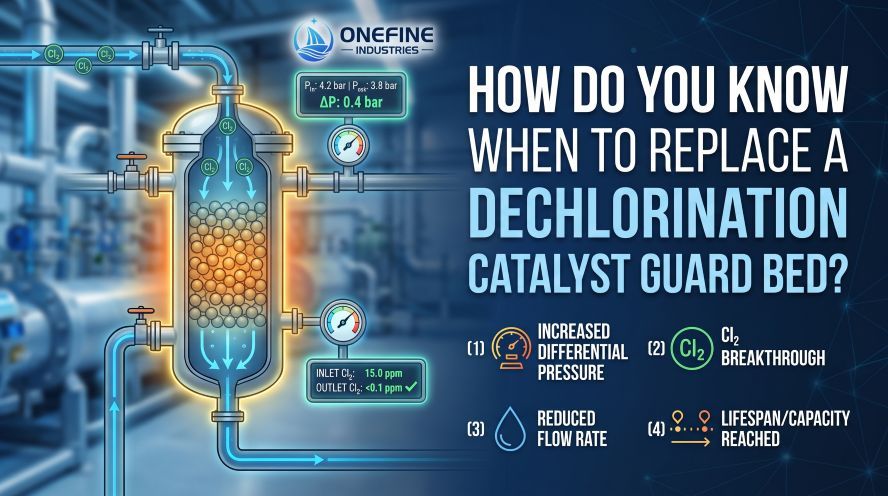
How Do You Know When to Replace a Dechlorination Catalyst Guard Bed?
There's no fixed calendar date for replacing a dechlorination catalyst guard bed. This guide covers the three signals that actually matter — outlet chlorine breakthrough, organic chloride slip even when HCl looks clean, and rising pressure drop from green oil fouling — and why watching HCl alone isn't enough.
Read More

Technical & Troubleshooting Guides
2026-09-11
How Do You Know When to Replace Oxygen Generator Molecular Sieve in a PSA Oxygen Concentrator?
Learn the practical warning signs — from declining oxygen purity to bed attrition — that indicate it's time to replace Oxygen Generator Molecular Sieve in a PSA system.
Read More